Take Only Photos: The Sunken Ghost Bridge Reappearing in the Danube
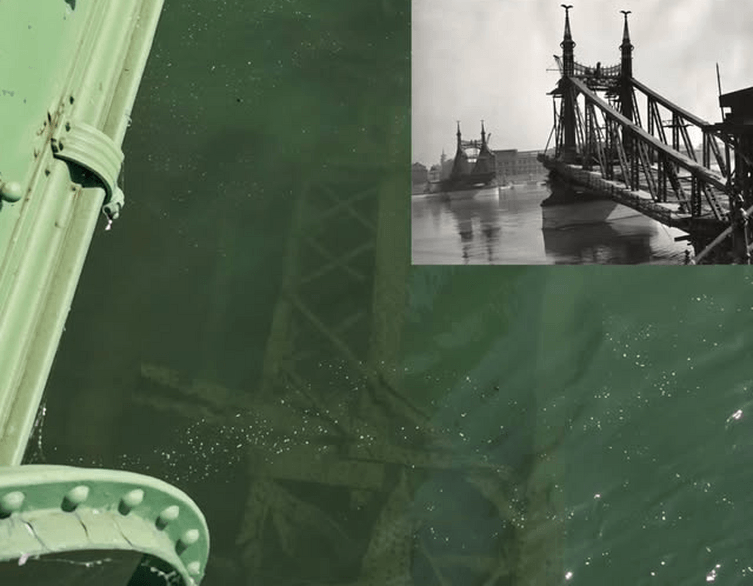
Budapest’s Danube is running so low this summer that it’s giving up one of its best-kept secrets: the skeletal remains of a bridge that vanished more than 80 years ago. Beneath the surface near today’s Liberty Bridge, visitors and locals alike can now glimpse the twisted iron remnants of the original Franz Joseph Bridge, a structure that met a violent end during the final days of World War II. It’s a rare, almost eerie window into the city’s past, and it comes with an important reminder for anyone tempted to wade in and grab a souvenir: take only pictures, leave only footprints.
A Bridge That Refused to Disappear
The story behind these ruins begins on the night of January 16, 1945, during the brutal Siege of Budapest, when retreating German forces detonated explosives that tore through the city’s Danube crossings. The Franz Joseph Bridge’s central span crashed into the river, and parts of that wreckage have rested on the riverbed ever since. What makes this summer unusual isn’t that the remains exist, but that the Danube has dropped low enough to expose them to the naked eye again, something that last happened during the similarly severe drought of 2018.
The bridge that replaced it has a name Hungarians speak with real pride. Rebuilt with remarkable speed after the war, it reopened to traffic on August 20, 1946, and was rechristened Liberty Bridge to mark the occasion, becoming the very first of Budapest’s shattered Danube crossings to rise again from the ruins. Interestingly, Liberty Bridge is the only pre-war Budapest bridge that has never been structurally replaced or widened; it’s essentially the same bridge that debuted in 1896, when Emperor Franz Joseph himself hammered in the final rivet.
From Grey to Green: A 1986 Makeover
If you’re standing on Liberty Bridge admiring its vivid green paintwork, you’re actually looking at the result of a dramatic 1986 restoration, not the bridge’s original appearance in the 19th century. For decades the bridge had worn an unremarkable grey, but when engineers dismantled sections that had never been touched since construction, they discovered green paint underneath, leading experts to conclude the bridge’s true original color had been green all along.
Best deals of Budapest







That renovation, which ran through 1985 and 1986 under the direction of engineer Tibor Dalmy, turned out to be far more complicated than planned. What started as a simple repainting and sidewalk replacement job spiraled into a full structural overhaul once workers realized one of the bridge’s vertical support columns had corroded so badly from decades of winter road salt that it had partially collapsed. The fix required closing the bridge entirely for several weeks that winter, a rare full shutdown for a crossing that otherwise stayed open to trams throughout the project. The most striking surprise came in August 1986, when the historic coats of arms that had been stripped from the bridge after the war were quietly reinstalled, a move that stunned the socialist-era political establishment of the time, which was famously uneasy about restoring pre-war national symbols.
Not the Only Wartime Relic Surfacing
The Franz Joseph wreckage isn’t an isolated find this drought season. Just a week earlier, the record-low water exposed a World War II-era explosive device near the central pillar of Margaret Bridge, which had to be safely removed and disposed of by Hungarian military bomb disposal specialists. It’s a sobering detail that underscores why authorities are so insistent that anyone stumbling across metal debris in or near the riverbed should never touch it, since decades-old ordnance can remain dangerously active even after all this time.
Why You Shouldn’t Take a Piece Home
As dramatic as these finds are, Hungarian heritage officials are sounding a genuine alarm. Zsolt Sári, the state secretary responsible for public collections and heritage protection, has warned that the shrinking Danube poses not just an environmental crisis but a serious threat to archaeological heritage, since artifacts that have spent decades or centuries preserved underwater can degrade rapidly once exposed to sunlight and heat. The Budapest History Museum, which oversees the Danube’s archaeological zones through its Castle Museum and Aquincum Museum branches, is actively monitoring the riverbed but has acknowledged that previously undocumented objects could surface anywhere along the exposed banks.
Their guidance for tourists and locals alike is refreshingly simple. If you spot something that looks like it might be historically significant, whether it’s old ironwork, pottery, or anything unusual poking out of the mud, resist the urge to pick it up or pocket it. Photograph the object and its surroundings, ideally noting the GPS location, and then contact the Castle Museum (btm@btm.hu) or the Aquincum Museum (aquincum@aquincum.hu) so trained specialists can assess and, if necessary, recover it properly. This isn’t just about preserving Hungary’s history for future generations; corroded metal objects along this stretch of river have occasionally turned out to be unexploded wartime ordnance, making a hands-off approach a matter of personal safety as well.
What This Means for Your Budapest Visit
For travelers walking along the Danube promenade this summer, the exposed riverbed offers an unexpected bonus attraction alongside the usual sightseeing at Buda Castle, Fisherman’s Bastion, and Parliament. Leaning over the railing of Liberty Bridge or strolling the embankment near the famous Gellért Baths gives you a genuine chance to see a piece of wartime history that’s normally hidden beneath the water. Just remember that this glimpse into the past is meant to be admired, photographed, and left exactly where the river placed it.
Related news
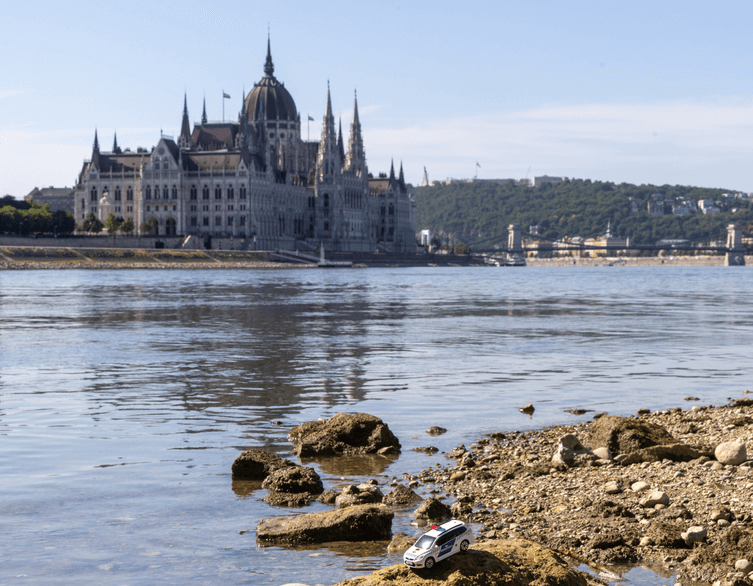
Autumn Arrives in Budapest: Cooler Air, Rain, and a Record-Low Danube
Budapest’s long, punishing summer is finally loosening its grip. A cold front sweeping in on Wednesday evening will end the heatwave for good,...
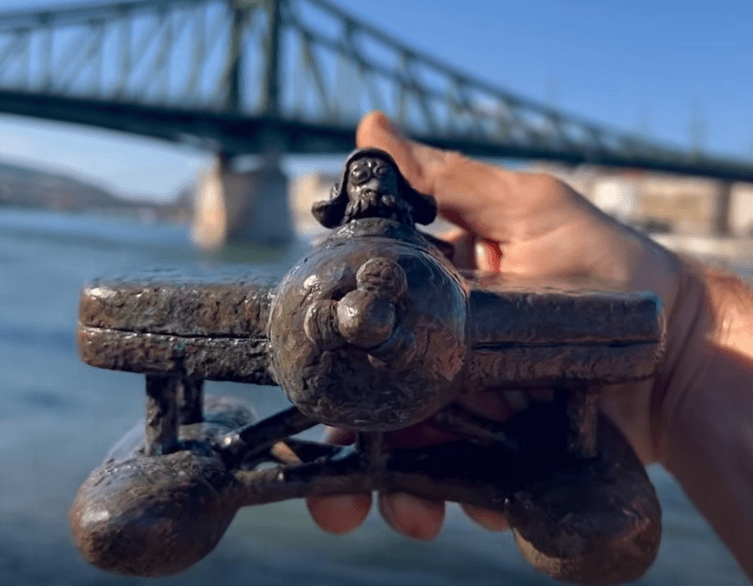
Update! – A New Kolodko Mini-Statue on Liberty Bridge Honors Budapest’s Forgotten Hydroplane Line
Update! Contrary to what Kolodko had his followers to believe, the artist did not install the mini-statue in Budapest. Instead he picked one of the...
Budapest Just Got a Time Machine, and You Can Use It Right From Your Phone
Imagine standing on a street corner in Budapest, opening an app, and seeing exactly what that same spot looked like fifty or eighty years ago. That’s...

Two and a Half Nuclear Plants Are Hiding on Budapest’s Roof
Here’s a fun thought experiment for your next visit to Budapest: nobody in their right mind is proposing to build a nuclear reactor in the...

Message in a Bottle: The Danube’s Real-Life Treasure Hunt Near Budapest
If you’re strolling along the Danube Bend this summer and spot a plastic bottle bobbing near the shore, don’t be too quick to write it...
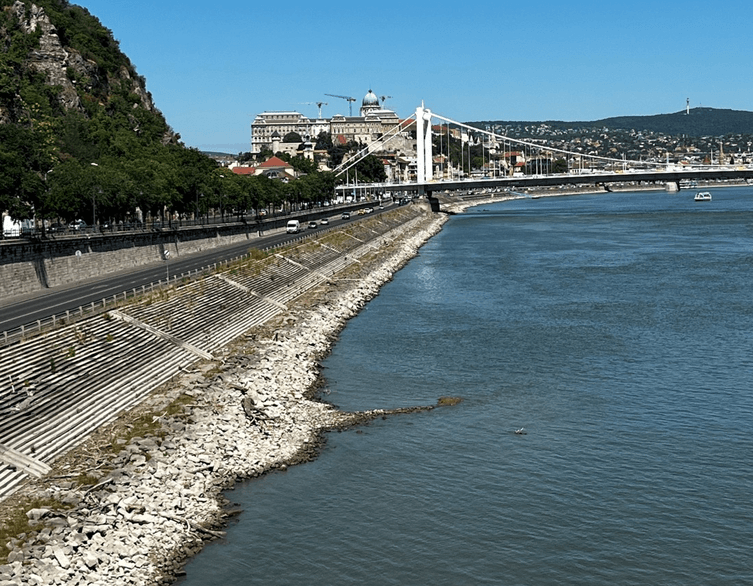
Why Budapest Is Asking Everyone, Tourists Included, to Go Easy on the Water
Budapest is in the middle of one of the driest, most water-stressed summers anyone can remember, and the Danube itself is the clearest evidence of...
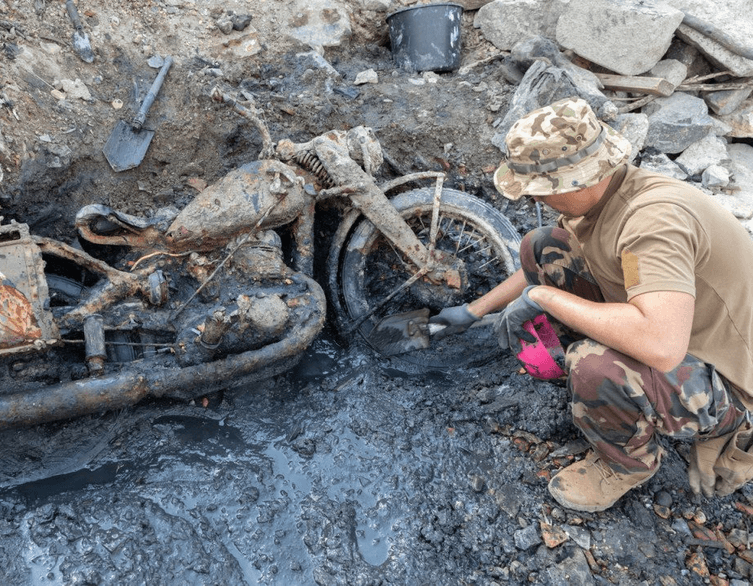
Cleanup Crews Race to Clear Debris From the Shrinking Danube
Budapest’s water authorities have launched a large-scale operation to remove decades of accumulated waste and wreckage from the exposed bed...
When the Titanic Kept Playing, Budapest Started Dancing
There’s an old story about the Titanic: as the ship went down, the band kept playing, and some passengers reportedly joked about chipping ice...

Swimming in the Danube: What Every Visitor to Budapest Should Know Before Jumping In
Budapest is in the grip of a brutal heatwave this summer, and with the Danube’s water level dropping to record lows, the temptation to cool...

Why Budapest’s Famous Landmarks Are Staying Dark This Summer
If you’ve strolled along the Danube after sunset recently and noticed that the Hungarian Parliament Building, Buda Castle, and the Chain Bridge...
The Danube Just Gave Up a Piece of World War II History in the Heart of Budapest
Budapest’s mighty river has always had a habit of keeping secrets, but this summer it decided to share one. As the Danube dropped to a record-low...

What’s On in Budapest: The City’s Best Photo Exhibitions Right Now
Budapest has quietly turned into one of Europe’s most rewarding cities for photography lovers this year, and you don’t need to hunt far...

What’s On in Budapest This Weekend (August 7-9): The Best Outdoor Events
If you’re spending this weekend in Budapest, you’ve timed your trip beautifully. Between Friday evening and Sunday night, the Hungarian...

Budapest’s Magical Danube Mayfly Bloom: A Rare Summer Spectacle Worth Catching
If you happen to be strolling along the Danube in Budapest during the first weeks of August, you might witness one of nature’s most delicate...
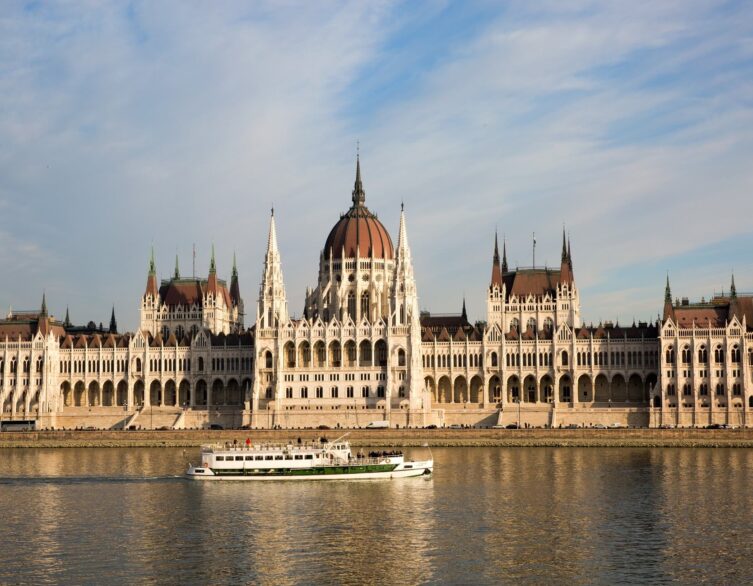
Danube Water Levels Are Slowly Rising in Budapest
If you’ve strolled along the Danube embankment in Budapest recently, you may have noticed something unusual: the riverbanks look wider, the...
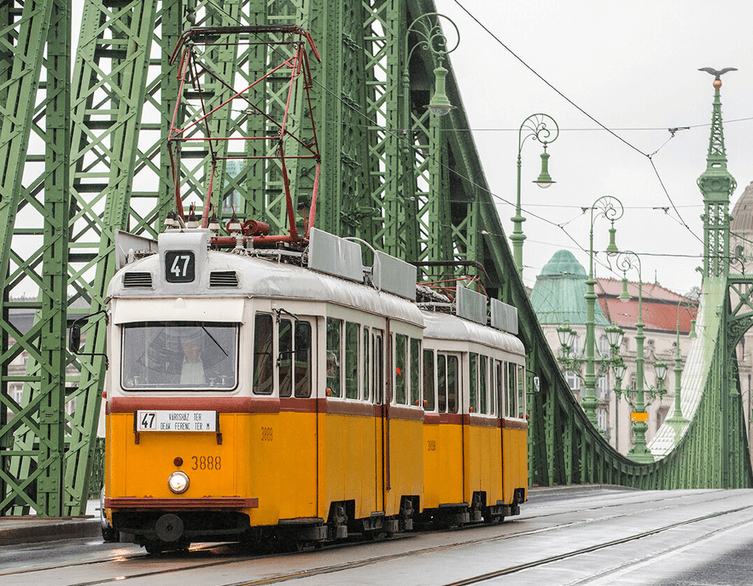
Ride Back in Time: Budapest’s Nostalgia Trams and Retro Buses in August
Budapest has plenty of postcard-perfect ways to see the city, but few are as charming — or as photogenic — as hopping aboard a vintage tram or...
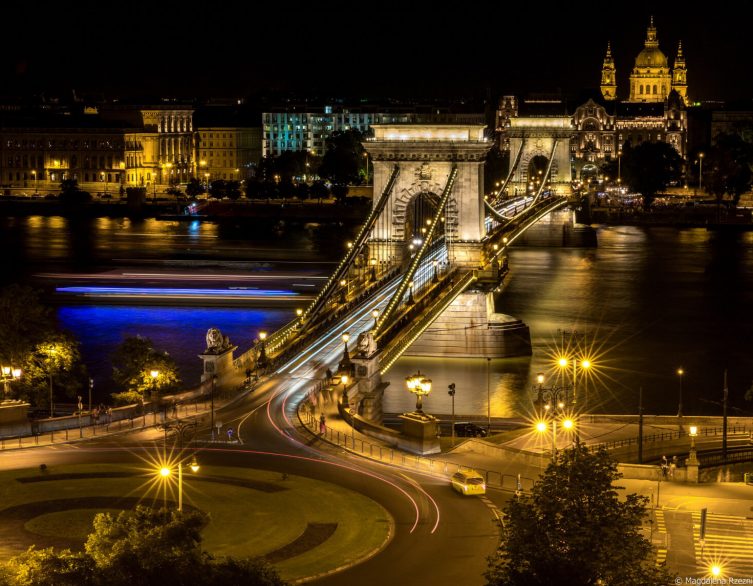
Budapest’s Ornamental Lights Will Be Shut Down
If you’re planning a trip to Budapest in the coming days, you might notice something unusual after sunset: the glowing facades of the Hungarian...
The Danube Just Hit Its Lowest Water Level Ever Recorded in Budapest
If you’re strolling along the Danube this week, you might notice something unusual: the river looks strikingly low, almost dramatically so....
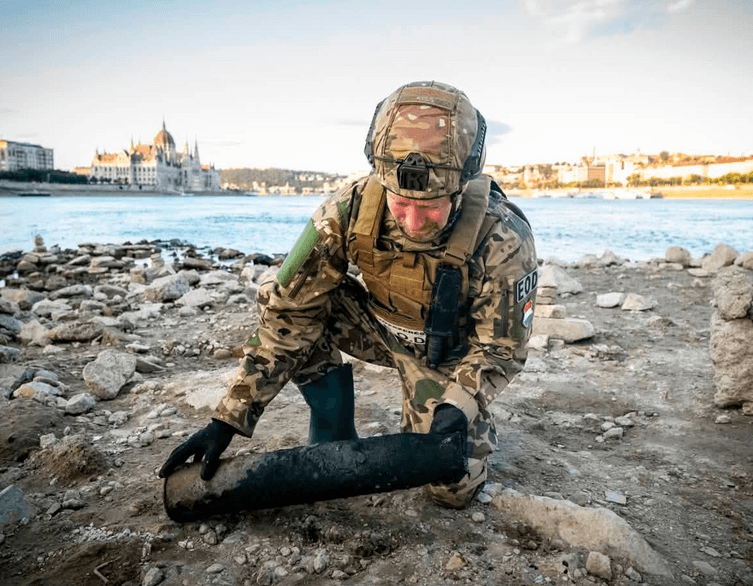
Why Budapest’s Danube Is Suddenly Giving Up Its Secrets — And Why You Shouldn’t Touch Them
If you’ve strolled along the Danube embankment near Margaret Bridge this summer, you may have noticed something odd: wide stretches of riverbed...
Related attractions
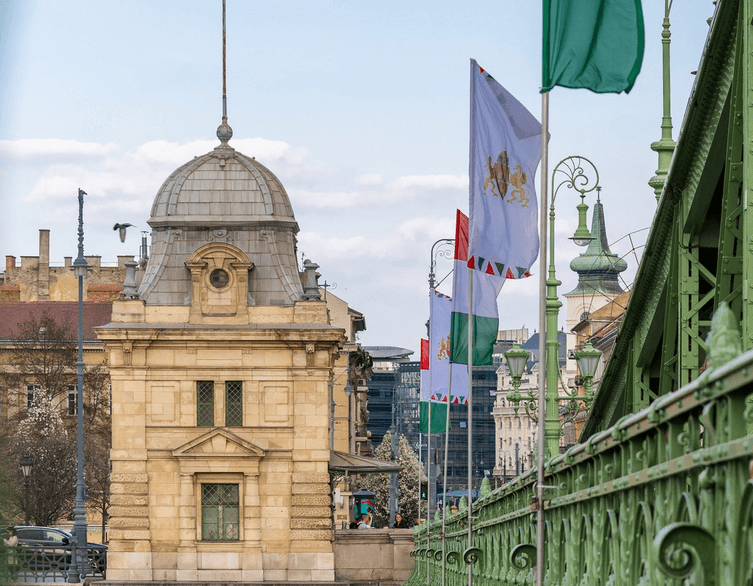
Hidden Treasure at Liberty Bridge: Budapest’s Smallest Transportation Museum
Tucked away at the foot of one of Budapest’s most beautiful bridges lies a charming secret that most tourists walk right past—a tiny customs...
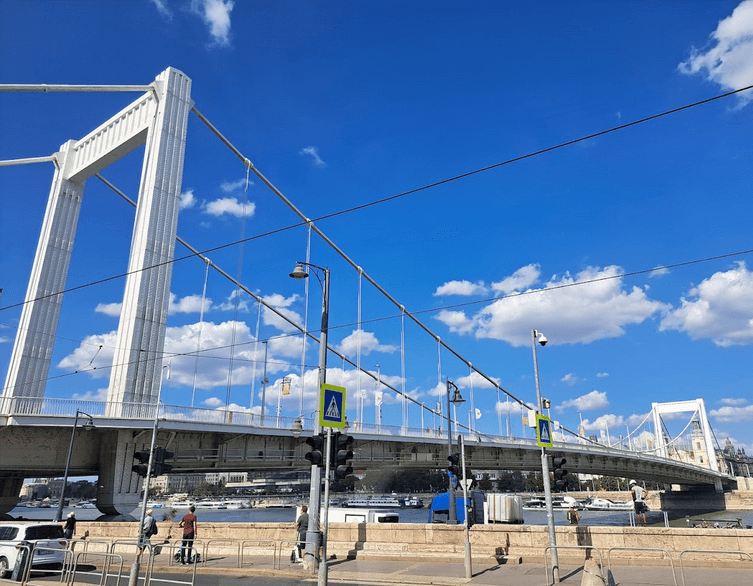
The Bridges of Budapest: A Complete Guide to the Danube’s Most Beautiful Crossings
Budapest’s bridges are far more than mere transportation links – they are the city’s crown jewels, each telling a unique story of engineering...