Autumn Arrives in Budapest: Cooler Air, Rain, and a Record-Low Danube
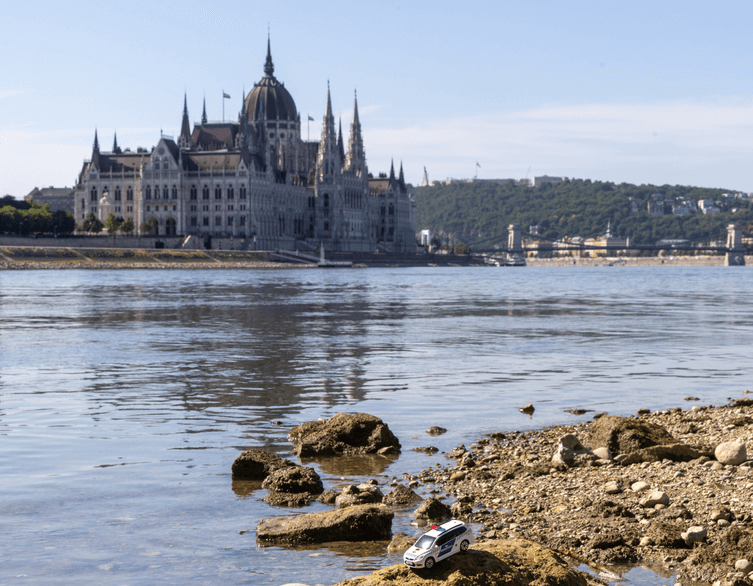
Budapest’s long, punishing summer is finally loosening its grip. A cold front sweeping in on Wednesday evening will end the heatwave for good, while the city’s drought-shrunken Danube offers a striking, if temporary, reminder of just how dry this season has been.
The Heat Breaks This Week
Tuesday and Wednesday still feel like peak summer, with highs potentially reaching 35°C on Wednesday afternoon, so it’s worth treating these as the last proper beach-and-terrace days before things shift. Wednesday evening brings the turning point: a cold front moves in from the west, triggering showers and thunderstorms first across Transdanubia, then more widely on Thursday. The front arrives in waves rather than passing through quickly, meaning unsettled, rainy conditions are likely to linger into the weekend, with a second wave of Mediterranean-origin rain expected Friday and Saturday, heaviest in the southwest. Temperatures drop sharply behind the front, falling to between 17°C and 23°C in western Hungary while the east stays milder for a bit longer at 24°C to 31°C, alongside a noticeably stronger northwesterly wind. After this week, 30-degree days are essentially over for the season, with most areas settling around 25°C and the wettest regions staying below 20°C. If your Budapest trip spans this transition, pack a light jacket alongside your summer clothes and keep an umbrella within reach for the weekend.
Best deals of Budapest










A Danube at Its Lowest Point on Record
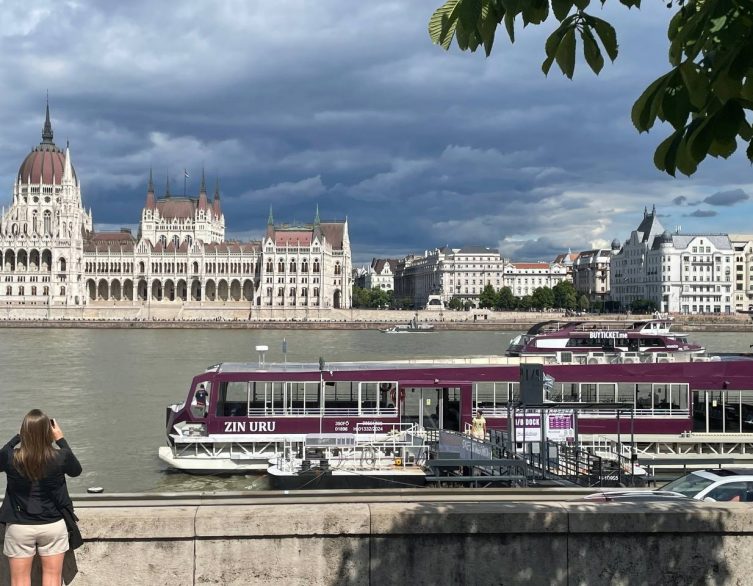
While the cold front is set to bring relief, it arrives against the backdrop of a genuinely historic drought. On the morning of September 8, the Danube’s water level in central Budapest was measured at just 1 centimetre, a new record low that surpasses even the depths hit during the height of summer. The river broke its previous negative record from 2018 back in July, then kept falling through August, dropping nearly 20 more centimetres before bottoming out this week. The results are visible right along the riverbanks: near Szabadság Bridge, the submerged remains of the old Franz Joseph Bridge, sunk since the Second World War, are now clearly exposed above the shallow water, and further south near Baja, an entire shipwreck has become walkable on foot. Hydrologists attribute the extreme low to a combination of prolonged rainfall shortages and severe drought across the river’s whole catchment area, and the low water has also made river navigation less safe, since obstacles normally hidden beneath the surface are now exposed. The incoming rain is expected to reach the Danube’s basin by Wednesday evening, which should start nudging levels back up, so this rare view of the riverbed may not last much longer if you want to see it in person.
A Summer That Broke Records Nationwide
The Danube’s collapse and this week’s incoming rain both trace back to the same extraordinary season. Hungary’s national meteorological service, HungaroMet, has confirmed that summer 2026 was the driest nationwide since record-keeping began in 1901, and the second-hottest ever, behind only 2024. The national average temperature reached 23.43°C, some 2.6 degrees above the long-term norm, with several intense heatwaves pushing highs past 40°C and setting a new all-time national temperature record. Rainfall, meanwhile, totalled just 74.1 millimetres nationally, only about a third of the usual amount, making it drier even than the previous record-holder, the summer of 1952. Around 60 percent of the country experienced record-dry conditions, with central Hungary hit hardest. It’s the kind of season that explains the parched parks and thirsty green spaces you may have noticed around the city, and it makes this week’s incoming rain more than just a shift in the forecast; it’s the first real chance at meaningful relief after months of drought.
Planning Your Visit Around the Change
For anyone exploring Budapest over the coming days, this is a genuine changing-of-the-seasons moment rather than a passing weather blip. Use Tuesday and Wednesday for the outdoor essentials, riverside walks, rooftop terraces, and open-air sightseeing, before the front rolls in and reshapes the city’s rhythm. Once the rain and cooler air settle in, lean into Budapest’s indoor strengths: its thermal bath halls, museums, covered markets, and cosy cafés all make for excellent shelter from the wind and showers. And if you’re near the Danube before the water rises again, take a moment to see the exposed riverbed and old bridge remnants near Szabadság Bridge; it’s a rare, slightly eerie sight that won’t be around much longer once the rain does its work. Either way, autumn is arriving right on schedule, and it’s shaping up to be a far more comfortable time to explore the city than the record-breaking summer that came before it.
Related news
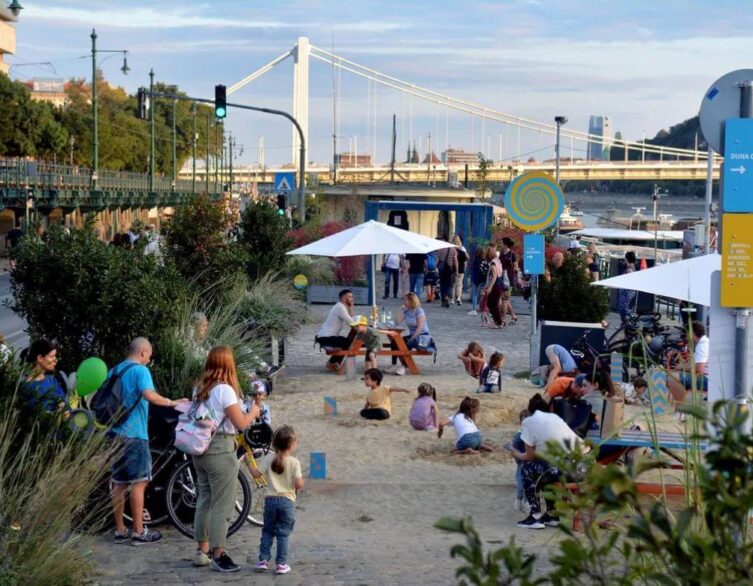
Budapest’s Riverside Comes Alive Every Evening: The Free Danube Promenade
If there’s one place that captures the spirit of Budapest this summer, it’s the Rakpart, the lower Pest embankment that has quietly transformed...

The Danube Just Gave Up a Piece of World War II History in the Heart of Budapest
Budapest’s mighty river has always had a habit of keeping secrets, but this summer it decided to share one. As the Danube dropped to a record-low...

Take Only Photos: The Sunken Ghost Bridge Reappearing in the Danube
Budapest’s Danube is running so low this summer that it’s giving up one of its best-kept secrets: the skeletal remains of a bridge that...

Why Budapest’s Danube Is Suddenly Giving Up Its Secrets — And Why You Shouldn’t Touch Them
If you’ve strolled along the Danube embankment near Margaret Bridge this summer, you may have noticed something odd: wide stretches of riverbed...
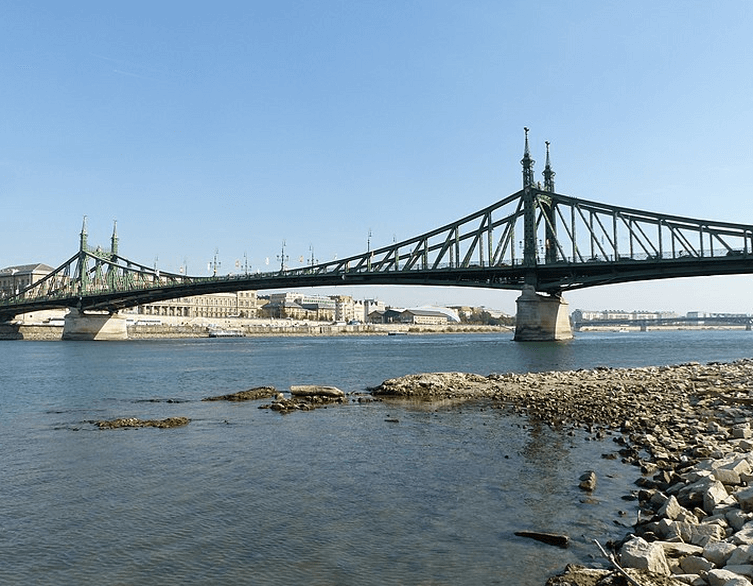
The Danube’s Historic Low Water Levels in Budapest
If you’re visiting Budapest, you’ll notice something unusual along the riverbanks — the Danube has dropped to some of its lowest levels...