Why Budapest’s Famous Landmarks Are Staying Dark This Summer
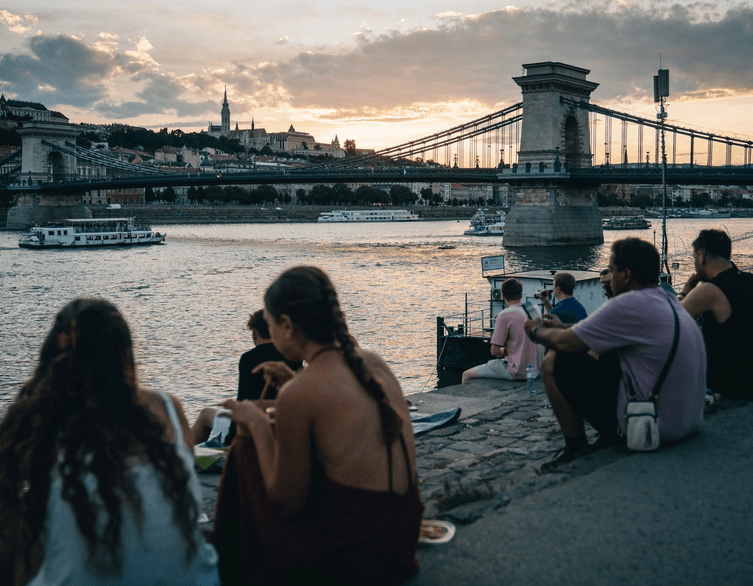
If you’ve strolled along the Danube after sunset recently and noticed that the Hungarian Parliament Building, Buda Castle, and the Chain Bridge aren’t glowing the way postcards promised, you’re not imagining things. Budapest has kept its energy-saving measures in place, even after the country’s brief voluntary power-reduction appeal officially ended, because forecasters are warning of another heatwave and a fresh drop in the Danube’s water level in the days ahead.
A City Playing It Safe After a Rough Few Weeks
Hungary spent much of late July and early August dealing with a genuine energy squeeze. Record-low water levels on the Danube forced a partial shutdown at the country’s Paks Nuclear Power Plant, which relies on river water for cooling, and that squeezed the national grid right as temperatures climbed past 40 degrees Celsius. The government asked households and businesses to voluntarily cut consumption, and on August 6, Prime Minister Péter Magyar announced the appeal was over, thanking the country for pulling together to protect its energy security.
Budapest’s mayor, Gergely Karácsony, welcomed that announcement but decided the city itself isn’t ready to fully switch the lights back on just yet. With meteorologists flagging another heat spell and a possible renewed dip in the Danube on the horizon, City Hall chose to keep its own precautions running for now: decorative lighting stays off, the fountains remain switched off, and public transport keeps operating on its energy-saving schedule.
What This Actually Means for Your Visit
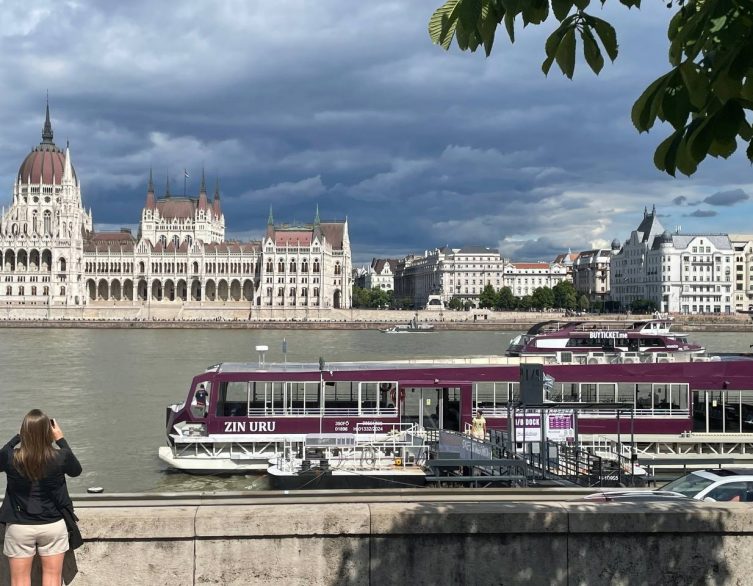
The most visible change for anyone exploring the city at night is the lighting. Illumination has been dimmed or switched off at more than 300 buildings, bridges, and monuments across town, including the Buda Castle district, the Chain Bridge, the Citadella on Gellért Hill, and the Hungarian Parliament Building. If you were hoping for that classic postcard shot of the Parliament glowing gold against the night sky, you’ll want to time your visit for daylight hours instead, or catch it during twilight when there’s still natural light to work with.
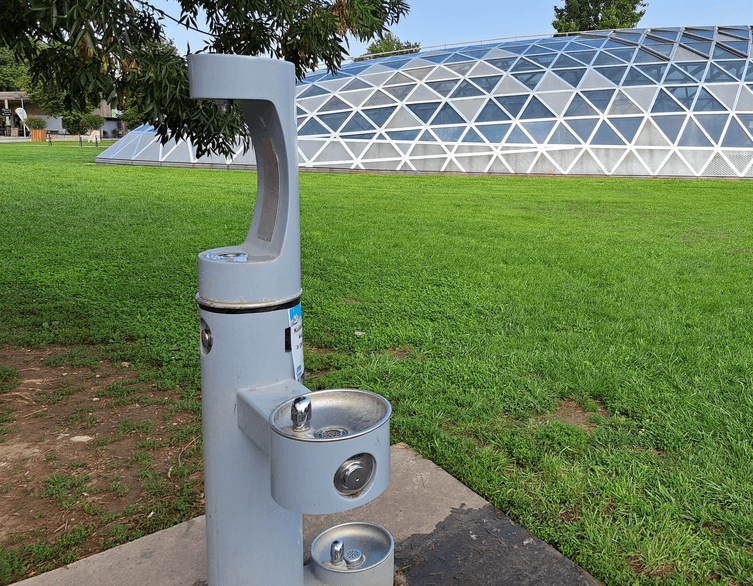
The Musical Fountain on Margaret Island has also been switched off, so if that was on your evening itinerary, it’s worth swapping in a different stop for now. The good news is that drinking fountains around the city remain fully operational, so staying hydrated on a hot day is still easy no matter where you’re walking.
Best deals of Budapest








Public transport is still running smoothly, just a little differently under the hood. Trams and metro trains are accelerating more gently to save power, which the city estimates saves around 15 megawatt-hours of energy daily, though it may add a few minutes to your journey here and there. On some routes, diesel buses with efficient air conditioning have temporarily replaced electric trolleybuses, so don’t be surprised if your usual line looks a bit different.
Why the City Isn’t in a Rush to Reverse Course
Karácsony’s reasoning comes down to caution rather than crisis. Even with the national voluntary appeal lifted, forecasts still point to another round of intense heat and the possibility of the Danube dropping again, which would once more limit how much cooling water is available for the Paks plant. Rather than switch everything back on and risk reversing course a week later, City Hall decided it made more sense to hold steady until the outlook is genuinely clear.
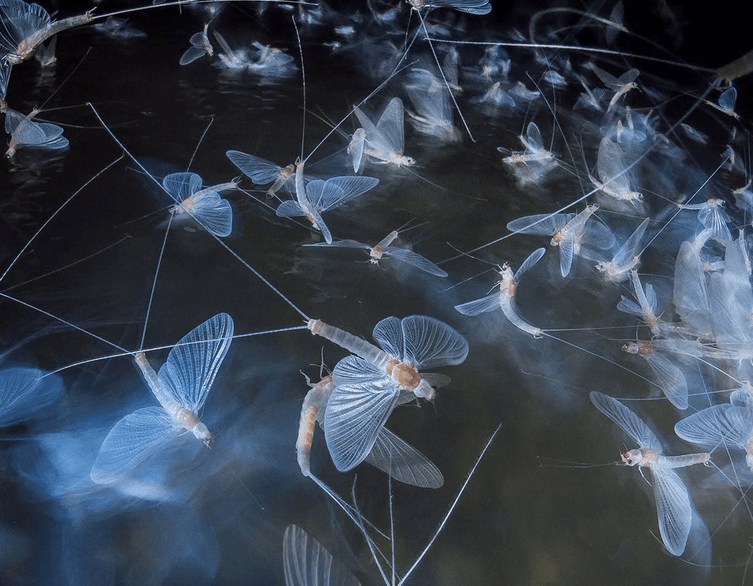
There’s also a quieter environmental upside to the darkened landmarks that most visitors never think about. Budapest’s riverbanks are home to enormous seasonal swarms of mayflies, a protected species that gets fatally disoriented by artificial light near the water. Researchers at Eötvös Loránd University have pointed out that switching off decorative lighting along the Danube actually helps protect these insects during their brief, frantic reproductive cycle, so the dark bridges and buildings are doing double duty this summer.
Making the Most of a Slightly Dimmer Budapest
None of this should derail your trip. Budapest by daylight is every bit as spectacular, and the energy-saving measures haven’t touched the things that make the city special: the thermal baths, the museums, the café culture in the Jewish Quarter, or the view from Fisherman’s Bastion. If nighttime photography of illuminated landmarks was high on your list, consider shifting those plans to the blue hour just after sunset, when there’s still enough ambient light to capture the skyline beautifully, lights or no lights.
It’s also worth remembering that these are temporary, responsible measures rather than a sign of anything being wrong with your trip. As one visitor told Reuters after finding Buda Castle dark for her once-in-a-lifetime visit, it stings a little to miss the postcard moment, but most locals see the trade-off as the right call while the region works through a genuinely unusual drought. Budapest is still very much open, welcoming, and worth exploring; it’s just asking for a little patience with the lights until the Danube and the weather cooperate again.
Related news

Budapest Heatwave Guide: How to Stay Safe as the Alert Level Eases
If you’re packing your bags for Budapest this month, there’s some good news mixed in with a reminder to stay alert: Hungarian health...

Beat the Heat: Budapest’s Best Indoor Exhibitions to Explore in August
August in Budapest means golden light on the Danube, packed rooftop bars, and a heat that can make even the most enthusiastic sightseer start dreaming...
Budapest’s Tap Water Stays Safe Despite Record-Low Danube Levels
If you’re visiting Budapest this summer and wondering whether it’s still fine to fill up your water bottle from the tap, the answer is...
Budapest’s Magical Danube Mayfly Bloom: A Rare Summer Spectacle Worth Catching
If you happen to be strolling along the Danube in Budapest during the first weeks of August, you might witness one of nature’s most delicate...
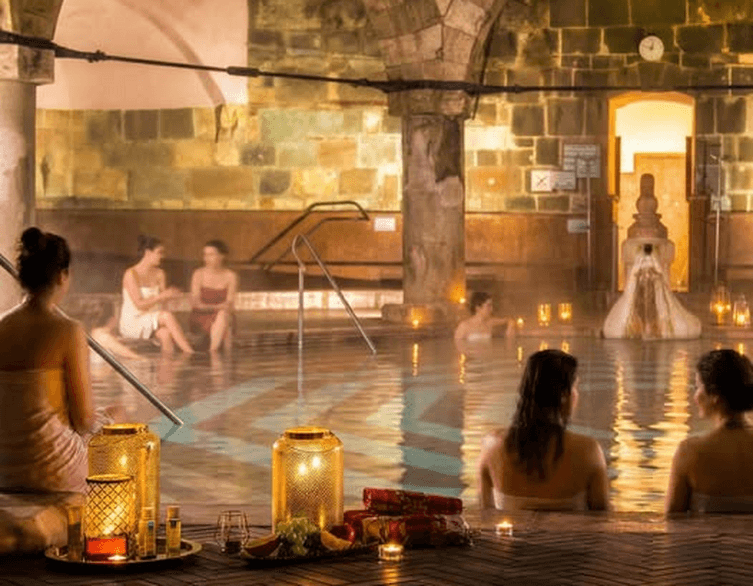
Budapest’s Baths Adjust Hours as Heatwave and Historic Drought Strain the Power Grid
If a Budapest thermal bath visit is on your itinerary this week, you’ll want to know that the city’s spa operator has just rolled out...
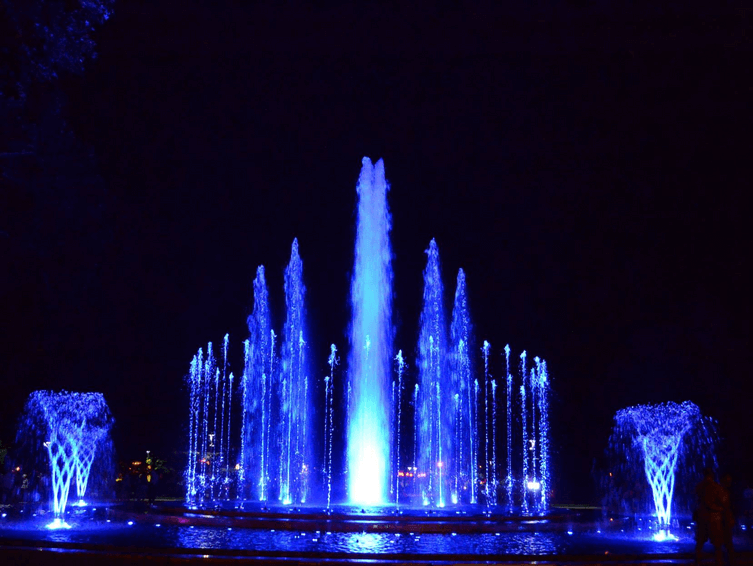
Breaking! – The Musical Fountain of Margaret Island Will be Shut Down Tonight
One of the city’s most beloved free attractions is going to be shut down tonight! The iconic Musical Fountain of Margaret Island began its 2026...
Lights Down, Spirits Up: How Budapest and Hungary Are Conserving Energy Together
If you’ve noticed that a few of Budapest’s famously glittering landmarks look a touch less dazzling after dark this summer, or that your...
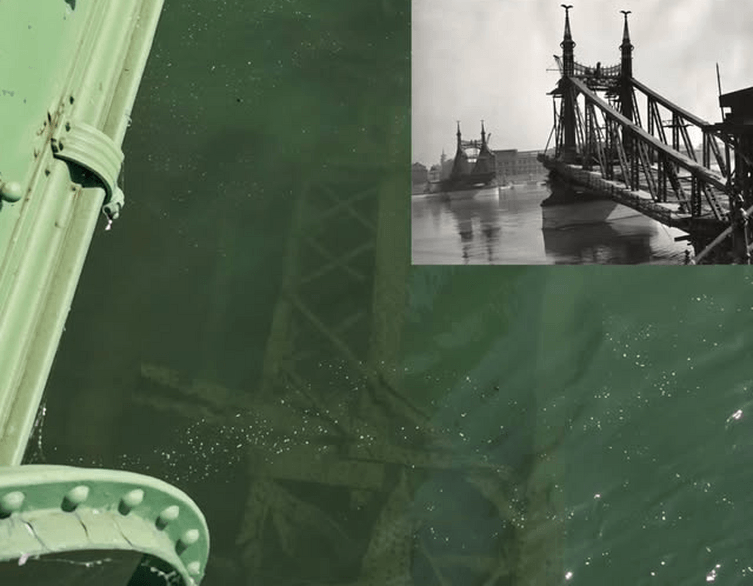
Take Only Photos: The Sunken Ghost Bridge Reappearing in the Danube
Budapest’s Danube is running so low this summer that it’s giving up one of its best-kept secrets: the skeletal remains of a bridge that...
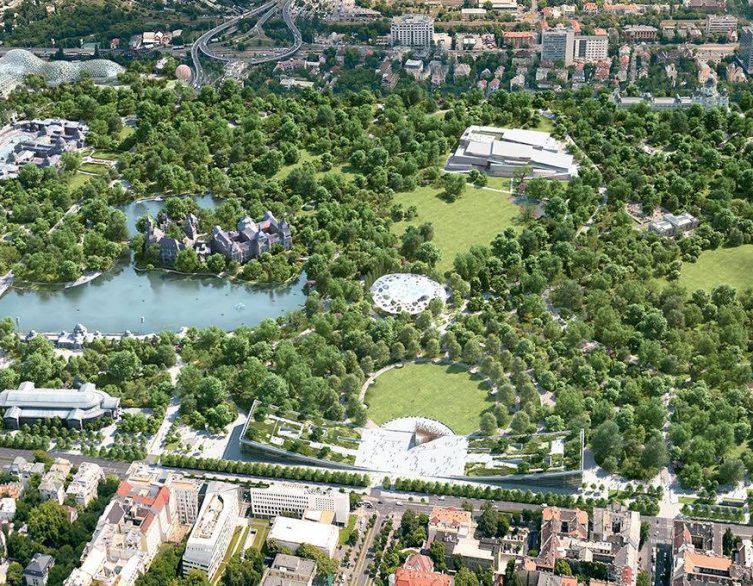
Beat the Heat: Your Guide to Staying Cool in Budapest’s City Park
When the pavement starts radiating heat and the sun feels relentless, Budapest’s City Park, known locally as Városliget, turns into one of...
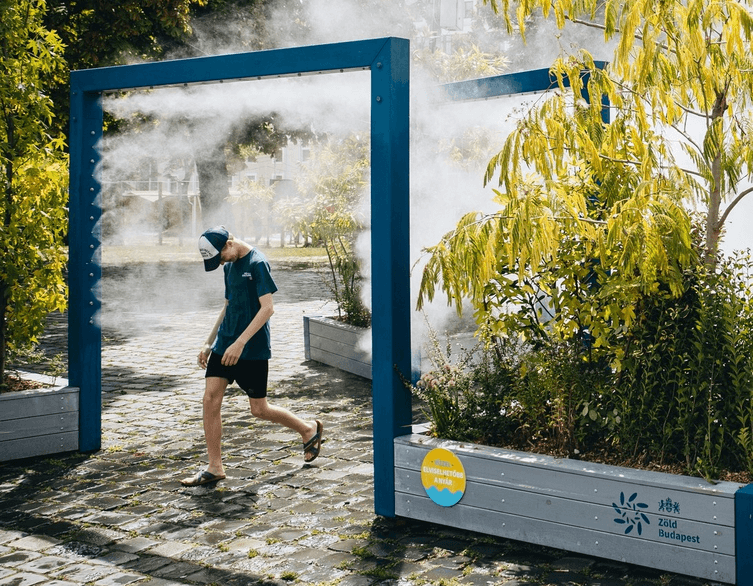
Beating the Budapest Heat: Mist Gates Are Your Friend, Fountains Are Not
When Budapest’s summer temperatures climb toward the 35°C to 40°C range (95°F to 104°F), the city doesn’t just leave you to fend...

Why Budapest’s Danube Is Suddenly Giving Up Its Secrets — And Why You Shouldn’t Touch Them
If you’ve strolled along the Danube embankment near Margaret Bridge this summer, you may have noticed something odd: wide stretches of riverbed...
Related attractions
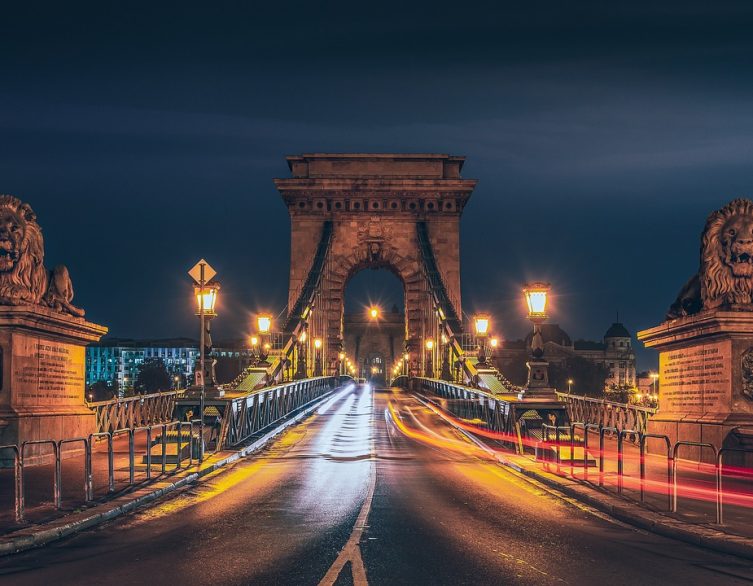
The Iconic Chain Bridge: An Engineering Marvel Connecting Buda and Pest
One of the most famous landmarks in Budapest is the majestic Széchenyi Chain Bridge spanning the Danube River, connecting the historic cities of...
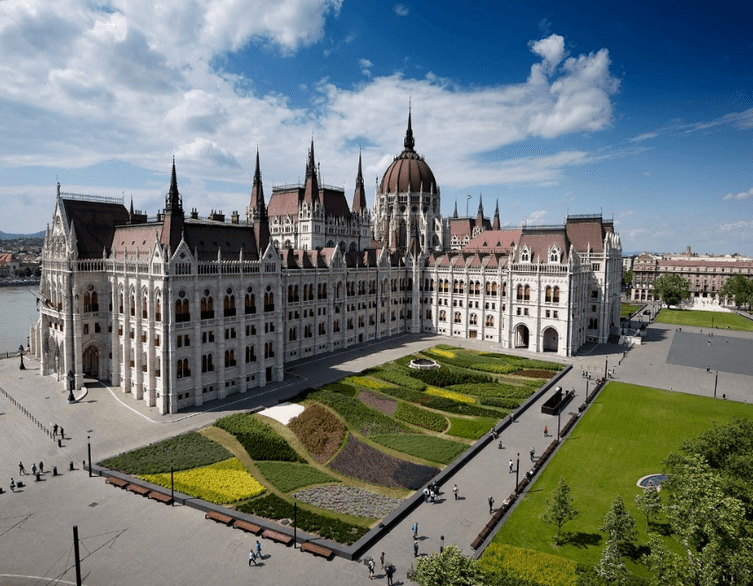
Hungarian Parliament building: symbol of democracy and Budapest
The Hungarian Parliament building in Budapest is not just the seat of Hungary’s legislative power; it is also an architectural gem and a cultural...
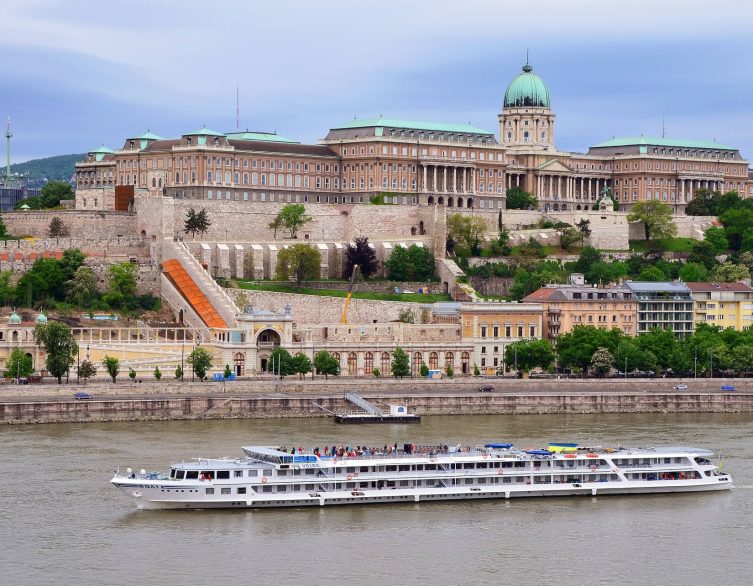
Buda Castle: A timeless icon of Hungarian history in Budapest
Nestled on the western bank of the majestic Danube River in Budapest, Hungary, lies a place that resonates with centuries of history, culture, and...