Airbnb’s New Cleaning Rules: What Budapest Visitors Need to Know
Your last morning in Budapest should be about enjoying breakfast or taking one final walk—not working through a lengthy checkout chore list. Airbnb is introducing new rules that generally prevent hosts from asking guests to strip beds, wash and put away dishes, or take rubbish off-site.
The policy applies worldwide to reservations booked on or after 20 November 2026, making it relevant to travellers choosing an Airbnb for a Budapest holiday. The important detail is the booking date, not the date you check in: an existing reservation does not automatically fall under the new policy simply because your stay takes place after the change.
What Cleaning Tasks Will Hosts No Longer Be Allowed to Request?
Airbnb’s updated policy draws a clearer line between reasonable guest requests and work normally handled by a cleaner. Hosts will generally no longer be allowed to ask guests to complete tasks that require significant time or effort, including removing bedsheets, starting laundry, washing and putting away dishes, or carrying rubbish to an off-site disposal point.
For visitors renting an apartment in Budapest, this means that substantial cleaning duties should not become part of the checkout routine for bookings covered by the policy. The wording about rubbish is particularly important: taking waste off-site is different from separating it into designated indoor bins, which remains an acceptable request.
Small Checkout Requests Are Still Allowed
The change does not mean guests can disregard the apartment or leave it in an unreasonable condition. Airbnb still allows lighter requests, such as placing used dishes in the sink, gathering used towels and sorting rubbish and recycling into designated indoor bins. Guests are also expected not to leave a property in a condition that requires excessive or deep cleaning.
Best deals of Budapest












The distinction is between leaving a home reasonably tidy and doing the cleaner’s job. Putting a plate in the sink is different from being expected to wash, dry and put away everything before leaving for the airport.
Airbnb also distinguishes between standard house rules, which guests must follow, and additional requests, which guests are encouraged to respect. That makes it worth reading both sections rather than treating every instruction as the same kind of requirement.
House Rules Must Be Clear Before You Book
Alongside the limits on cleaning tasks, Airbnb is changing how hosts communicate their expectations. Hosts can choose from seven standard house rules covering matters such as maximum overnight guests, quiet hours, events, pets, smoking and vaping, commercial photography, and locking up at checkout. Additional instructions must qualify as reasonable requests.
All rules and requests must appear in the designated section of the listing when you book. Hosts cannot introduce new requirements afterwards through messages, signs inside the apartment or an in-person conversation.
For travellers, this should make comparing accommodation more straightforward. You should be able to understand what a host expects before committing to a reservation, rather than discovering an unexpected list of chores after arrival.
Does the Change Remove Airbnb Cleaning Fees?
No—the new policy limits what hosts can ask guests to do; it does not announce the abolition of cleaning fees. A listing may still include a cleaning charge, so check the full price and fee breakdown before booking your Budapest accommodation.
This is an important distinction when comparing properties. A shorter checkout routine does not necessarily mean a lower total price, and some hosts have responded to the changes by warning that they may increase cleaning charges. Those reactions do not establish that fees will rise across Budapest or across the platform as a whole.
Can Hosts Make Exceptions or Impose Fines?
Airbnb says it may allow exceptions where local circumstances justify them. One example is asking guests to limit shower time when drought-related water restrictions apply. Exceptions are therefore part of the policy, but they are not a general licence to impose demanding chores.
Hosts also cannot impose their own fines or penalties through house rules. This should not be confused with responsibility for damage: Airbnb’s policies and processes for guest damage remain separate from a host issuing a private penalty for an instruction not being followed.
Where a request does not comply with the policy, Airbnb can flag it for the host to amend. Hosts have an opportunity to appeal if they disagree with the assessment.
Why Some Hosts Are Objecting
The announcement has prompted objections from some hosts, with reports of boycott calls and concerns about additional cleaning work and costs. Some argue that asking guests to wash dishes or handle bedding helps them prepare a property efficiently for the next arrival.
Airbnb’s position is that expectations need to be clearer and more reasonable. The company says feedback showed that house rules could feel confusing and burdensome, and that the changes are intended to reduce unpleasant surprises for guests.
For visitors, the practical issue is less about the wider dispute and more about understanding the terms of the specific accommodation they choose.
What This Means for Your Budapest Stay
If you make a new Airbnb reservation on or after 20 November 2026, review the listing’s designated house rules and requests before paying. If you booked earlier, do not assume the new policy retrospectively changes your reservation.
Should a host later send instructions that seem inconsistent with the disclosed terms or Airbnb’s policy, ask for clarification through the platform and contact Airbnb support if necessary. The new rules provide a clearer basis for distinguishing ordinary checkout requests from substantial cleaning work.
The intended result is simple: fewer surprises and a more predictable end to your holiday. You should still treat your Budapest accommodation considerately—but your final morning need not become an unpaid cleaning shift.
Related news
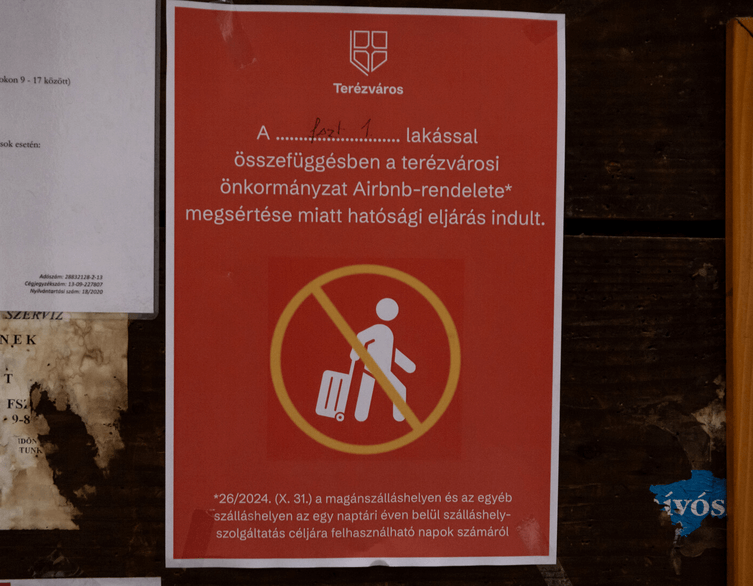
Terézváros’ Airbnb Ban One Year On: Lower Rents and What It Means for Your Budapest Stay
If you’ve been apartment hunting for your Budapest trip and noticed that the elegant streets around Andrássy Avenue have far fewer short-term...

Budapest’s Airbnb Rules Are Changing Fast: What Tourists Need to Know About the New EU Housing Law
If you’re planning a trip to Budapest and hoping to book a short-term apartment rental, there’s important news you should factor into...

Buda Castle District Puts Airbnb’s Future to a Public Vote — What It Means for Your Budapest Trip
If you’re dreaming of waking up in a cozy apartment just steps from Buda Castle, Fisherman’s Bastion, or Matthias Church, pay close attention:...
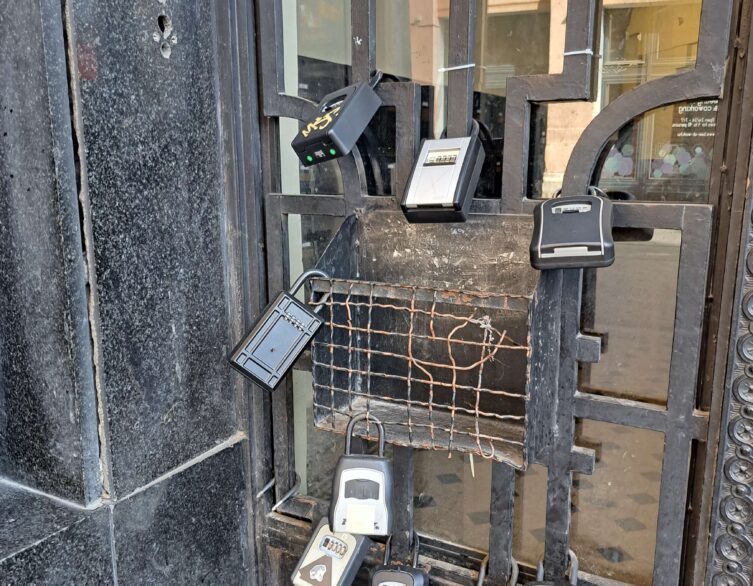
Józsefváros Is Cracking Down on Airbnb: What Tourists Need to Know Before They Book
If you’re planning a trip to Budapest and considering an Airbnb, there’s some news worth knowing about. The Hungarian capital is quietly...