Budapest’s Ornamental Lights Will Be Shut Down
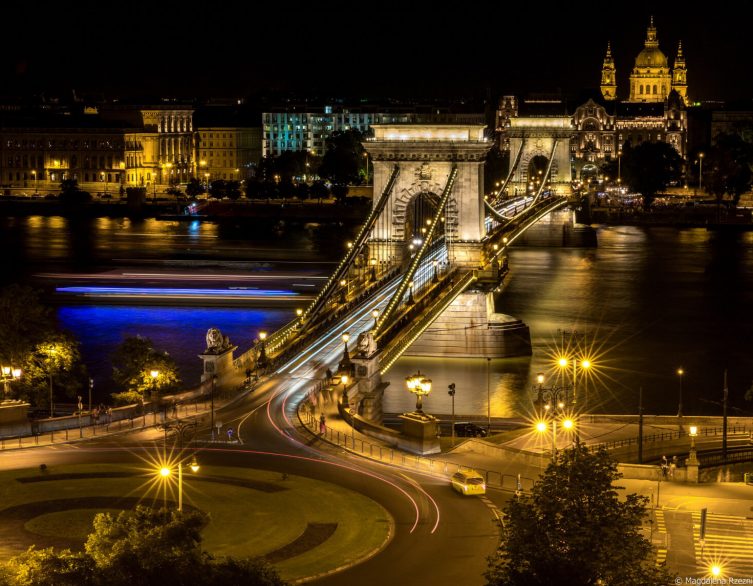
If you’re planning a trip to Budapest in the coming days, you might notice something unusual after sunset: the glowing facades of the Hungarian Parliament Building, Buda Castle, and the Chain Bridge will be dimmer than usual. This isn’t a power outage or a technical glitch — it’s a deliberate energy-saving measure tied to a serious situation unfolding at Hungary’s only nuclear power station, roughly 120 kilometers south of the capital.
Mayor Gergely Karácsony announced on Facebook that he has instructed Budapesti Közművek (Budapest Public Works), the utility company responsible for the city’s ornamental lighting, to switch off the decorative illumination on more than 300 buildings across the capital once the Paks Nuclear Power Plant is forced to shut down. Importantly for anyone worried about safety or navigation after dark, the mayor was explicit that this only affects festive, decorative lighting — regular street lighting will stay on exactly as normal.
The Danube’s Record-Low Water Is the Real Culprit
The reason behind all this traces back to the Danube River itself. The Paks Nuclear Power Plant, which supplies close to half of Hungary’s electricity, relies on Danube water to cool its four reactors. This summer’s prolonged heatwave and drought have pushed the river to historically low levels — measured well below the previous record set in 2018. The plant’s cooling pumps sit at a fixed height, and when the river drops below that threshold, the intake pipes simply can’t draw water safely anymore, regardless of how much water technically remains in the channel.
As a result, the plant has been progressively powering down its reactors. One reactor block has already shut entirely, and the plant is running at less than half of its normal 2,000-megawatt capacity, with a full shutdown possible within days. Hungarian officials have described the coming period as potentially critical for the national grid, particularly during peak evening hours, though imported electricity from neighboring countries should keep the lights on for households and businesses.
Best deals of Budapest







What This Means If You’re Visiting Budapest
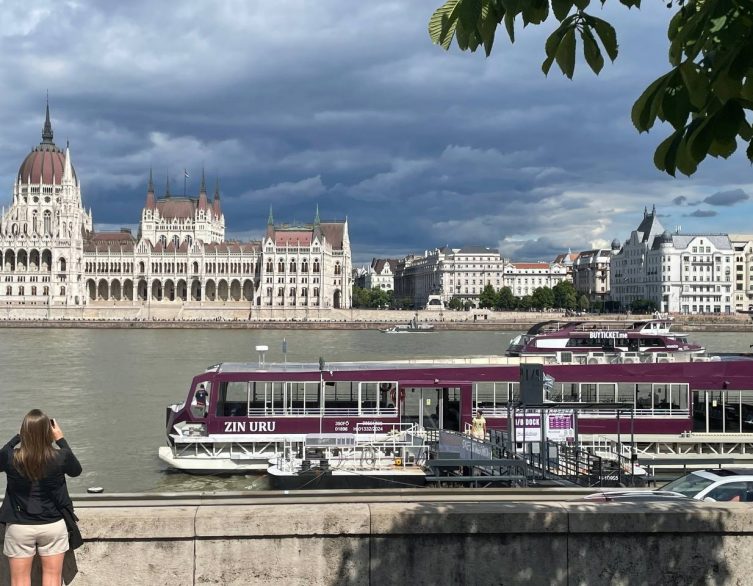
For tourists, the practical upshot is refreshingly simple: your trip won’t be disrupted in any meaningful way. Museums, restaurants, public transport, and hotels will all continue operating normally, since the energy-saving push targets decorative lighting rather than essential infrastructure. What will change is the nighttime skyline that Budapest is famous for. The illuminated silhouette of Buda Castle perched above the Danube, the golden glow along the Chain Bridge, and the dramatic floodlighting of the Parliament Building — a sight that draws countless river cruises and photographers every evening — will appear noticeably more subdued or go dark entirely during the shutdown period.
If nighttime photography of Budapest’s landmarks is a highlight of your itinerary, it’s worth planning around this and considering a daytime visit to these sights as a backup. The mayor’s office has also appealed to private building owners with decorative facade lighting to voluntarily follow suit, so the effect could extend beyond municipal properties. However, there are still plenty of light shows around town that would make up for this unfortunate, but necessary decision.
A Wider European Story
Budapest’s situation isn’t happening in isolation. The Danube’s extreme low levels are affecting river transport and hydroelectric output across multiple countries, with Romania also cutting nuclear output at its own facilities due to the same drought conditions. It’s a vivid, visible reminder of how climate patterns are reshaping infrastructure decisions even in a city as historically resilient as Budapest, where the Danube has always been both a defining feature of the cityscape and, now, a practical constraint on it.
The good news is that engineers are already working on a longer-term fix: lowering the position of the plant’s water intake pipes so the facility can keep operating even if Danube levels drop further in future summers. In the meantime, Budapest’s magic doesn’t disappear just because a few thousand light bulbs stay off — the city’s charm, from its thermal baths to its ruin bars to its Danube-side promenades, remains fully intact, dimmed lights and all.
Related news
Budapest’s Baths Adjust Hours as Heatwave and Historic Drought Strain the Power Grid
If a Budapest thermal bath visit is on your itinerary this week, you’ll want to know that the city’s spa operator has just rolled out...
Lights Down, Spirits Up: How Budapest and Hungary Are Conserving Energy Together
If you’ve noticed that a few of Budapest’s famously glittering landmarks look a touch less dazzling after dark this summer, or that your...
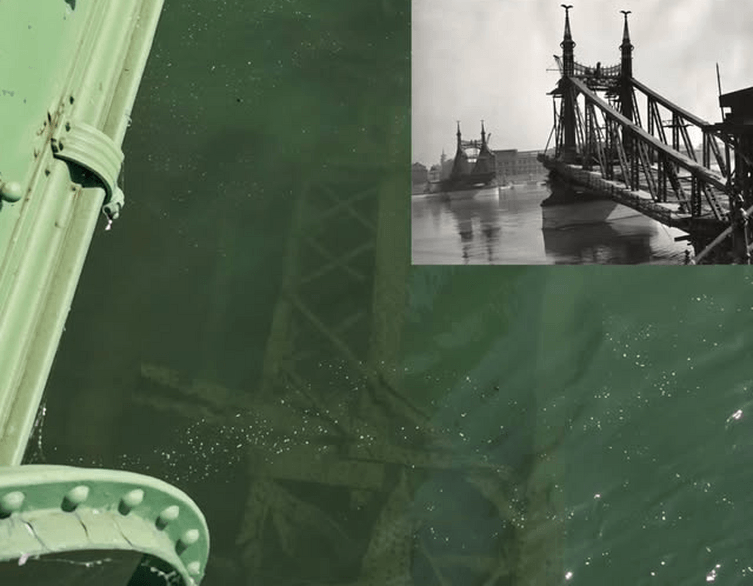
Take Only Photos: The Sunken Ghost Bridge Reappearing in the Danube
Budapest’s Danube is running so low this summer that it’s giving up one of its best-kept secrets: the skeletal remains of a bridge that...
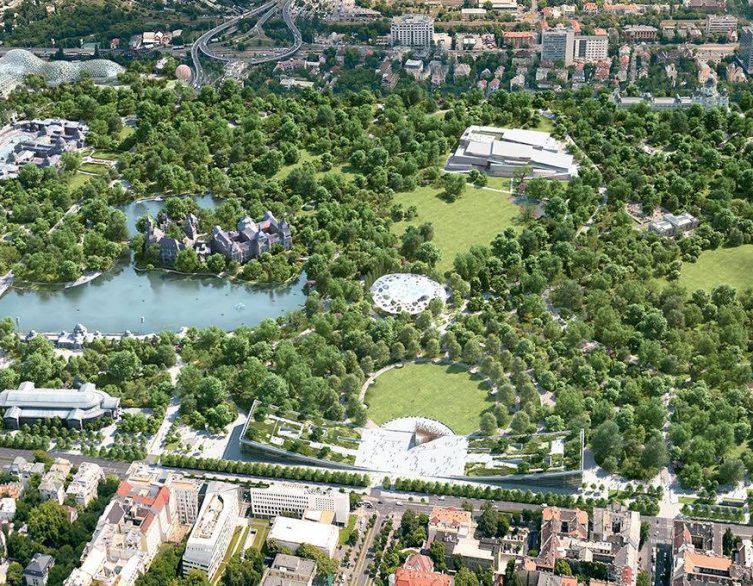
Beat the Heat: Your Guide to Staying Cool in Budapest’s City Park
When the pavement starts radiating heat and the sun feels relentless, Budapest’s City Park, known locally as Városliget, turns into one of...
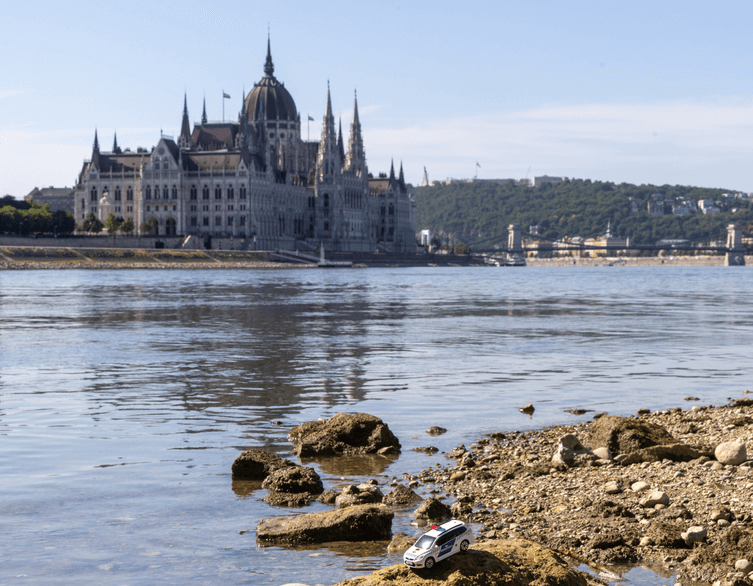
The Danube Just Hit Its Lowest Water Level Ever Recorded in Budapest
If you’re strolling along the Danube this week, you might notice something unusual: the river looks strikingly low, almost dramatically so....

Budapest Level 3 Heat Alert: How To Prepare and Stay Safe
If you’re planning to explore Budapest between July 30 and August 4, 2026, there’s something important you should know before packing...
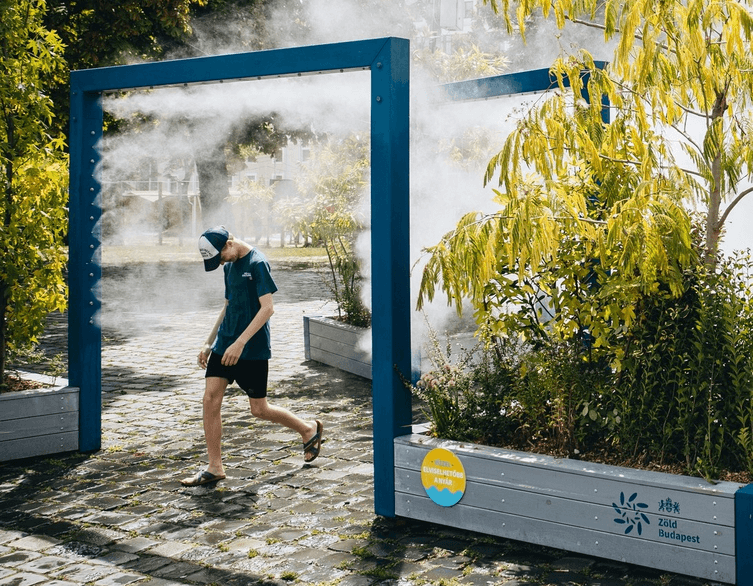
Beating the Budapest Heat: Mist Gates Are Your Friend, Fountains Are Not
When Budapest’s summer temperatures climb toward the 35°C to 40°C range (95°F to 104°F), the city doesn’t just leave you to fend...

Why Budapest’s Danube Is Suddenly Giving Up Its Secrets — And Why You Shouldn’t Touch Them
If you’ve strolled along the Danube embankment near Margaret Bridge this summer, you may have noticed something odd: wide stretches of riverbed...
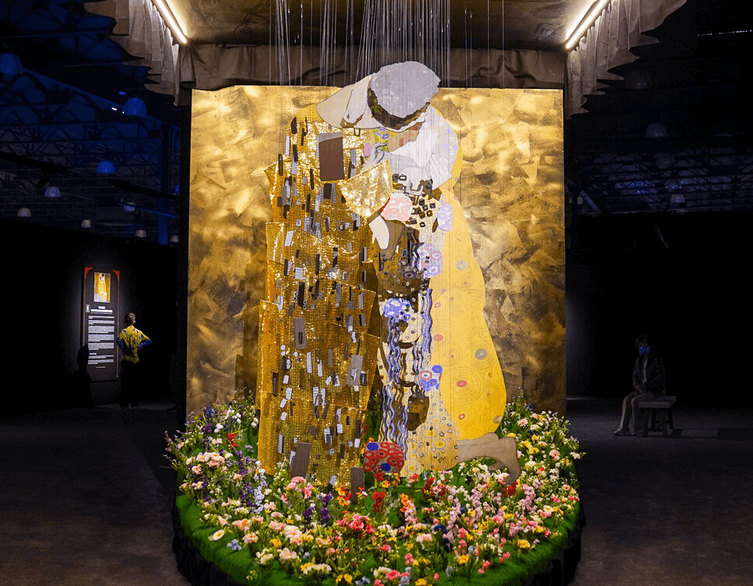
Budapest Light Shows: The Best Free and Immersive Exhibitions to Beat the Summer Heat
Summer in Budapest can be a bit tricky, weather-wise — one minute you’re basking in glorious sunshine, the next you’re dashing for...
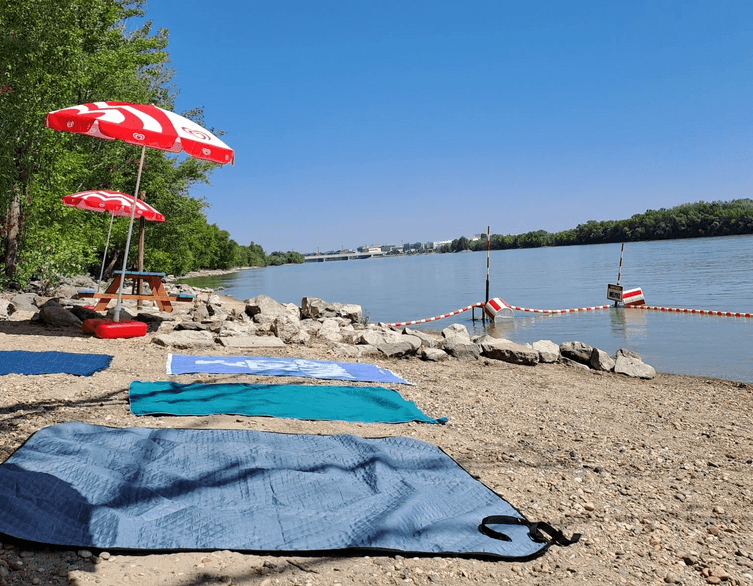
Swimming in the Danube: Discover Budapest’s Free Riverside Beach at Árasztó-part
Budapest is famous for its thermal baths, but what if you could take a refreshing dip right in the Danube? In summer 2026, this unique experience...
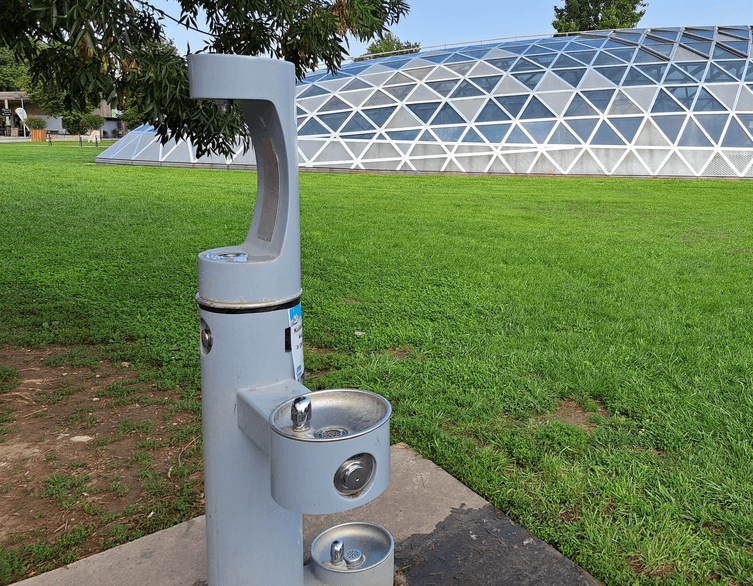
Stay Hydrated in Budapest: Free Drinking Water Fountains You Need to Know About
Budapest is a city made for exploring on foot. From the cobblestone streets of the Castle District to the buzzing ruin bars of the Jewish Quarter,...
Related events