Cleanup Crews Race to Clear Debris From the Shrinking Danube
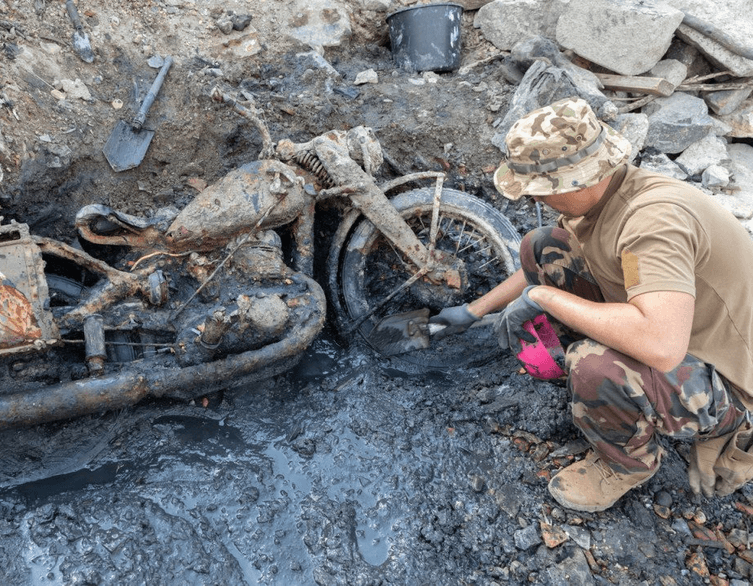
Budapest’s water authorities have launched a large-scale operation to remove decades of accumulated waste and wreckage from the exposed bed of the Danube, after record-low water levels laid bare stretches of riverbed that have not seen daylight in years. The Middle Danube Valley Water Directorate, known locally as Kdvvizig, kicked off the effort near the Danube Arena and is now asking residents and visitors alike to help spot and report anything hazardous still hidden in the mud.
Why the Riverbed Suddenly Needs a Clean-Up
This summer’s drought has pushed the Danube to some of the lowest levels ever recorded in Budapest, with the river dropping to around 23 centimeters at one point, well below the previous record low of 33 centimeters set in 2018. As the water has pulled back, it has exposed sandbanks, old scaffolding remains, and a startling amount of junk that had settled unseen on the riverbed for generations, some of it dating back over a century. The dramatic drop has also made navigation on the river extremely difficult in places, adding urgency to the cleanup work.
How the Operation Is Unfolding
Crews began by clearing the stretch of riverbed near the Danube Arena, a well-known sports venue on the Buda side, before moving on to Újpest Bay and the town of Dunakeszi just north of the city. Officials say the sheer volume of debris scattered along the riverbed means it will take days to process everything, and they have been candid that not every piece of wreckage can realistically be removed. Some items are simply too large, too deeply embedded, or too awkwardly positioned to extract safely, meaning parts of the Danube’s bed will likely stay only partially cleared even after the current push wraps up.
Best deals of Budapest











How Visitors Can Help Report Debris
The directorate is asking anyone who spots waste or wreckage in the riverbed between the mouth of the Ipoly River and the Dunaföldvár Bridge, a stretch that runs right through the heart of Budapest, to send a report to their dedicated cleanup email address. A useful report should include the exact location, ideally with GPS coordinates, along with at least one photograph so crews can assess the item before heading out. Every submission gets reviewed, and the team removes what it can once a site has been checked. If you happen to come across anything more alarming, such as suspected explosives or animal or human remains, the correct move is to contact the police directly rather than the water authority.
A River With a Toxic Legacy
The dropping water hasn’t only revealed harmless clutter. In the Óbuda district, low water levels have made visible a longstanding pollution problem tied to the site of a former gasworks, where hazardous, carcinogenic material was buried in the ground between 1913 and 1984. When the river is high, its pressure normally holds back the contaminated groundwater, but as levels fall, a yellow-green, foul-smelling substance has been seeping into the Danube more visibly than usual. The good news for anyone visiting the city is that Budapest’s tap water remains safe and is regularly tested, so this is an environmental cleanup issue rather than a drinking-water concern.
A Word of Caution for Anyone Exploring the Riverbank
With so much of the riverbed newly walkable, it’s tempting to wander down for a closer look or a unique photo, and plenty of locals and tourists have been doing exactly that. The water directorate is urging everyone to stay especially careful along the Danube embankment while levels remain this low, since uneven ground, hidden wreckage, and sharp debris make the exposed riverbed less forgiving than it looks. If you’re planning to explore this unusual stretch of Budapest’s most famous river, sturdy shoes and a bit of common sense will go a long way toward keeping the experience memorable for the right reasons.
Related news

Message in a Bottle: The Danube’s Real-Life Treasure Hunt Near Budapest
If you’re strolling along the Danube Bend this summer and spot a plastic bottle bobbing near the shore, don’t be too quick to write it...
Why Budapest Is Asking Everyone, Tourists Included, to Go Easy on the Water
Budapest is in the middle of one of the driest, most water-stressed summers anyone can remember, and the Danube itself is the clearest evidence of...
Swimming in the Danube: What Every Visitor to Budapest Should Know Before Jumping In
Budapest is in the grip of a brutal heatwave this summer, and with the Danube’s water level dropping to record lows, the temptation to cool...
The Danube Just Gave Up a Piece of World War II History in the Heart of Budapest
Budapest’s mighty river has always had a habit of keeping secrets, but this summer it decided to share one. As the Danube dropped to a record-low...
Budapest’s Tap Water Stays Safe Despite Record-Low Danube Levels
If you’re visiting Budapest this summer and wondering whether it’s still fine to fill up your water bottle from the tap, the answer is...

Budapest’s Magical Danube Mayfly Bloom: A Rare Summer Spectacle Worth Catching
If you happen to be strolling along the Danube in Budapest during the first weeks of August, you might witness one of nature’s most delicate...
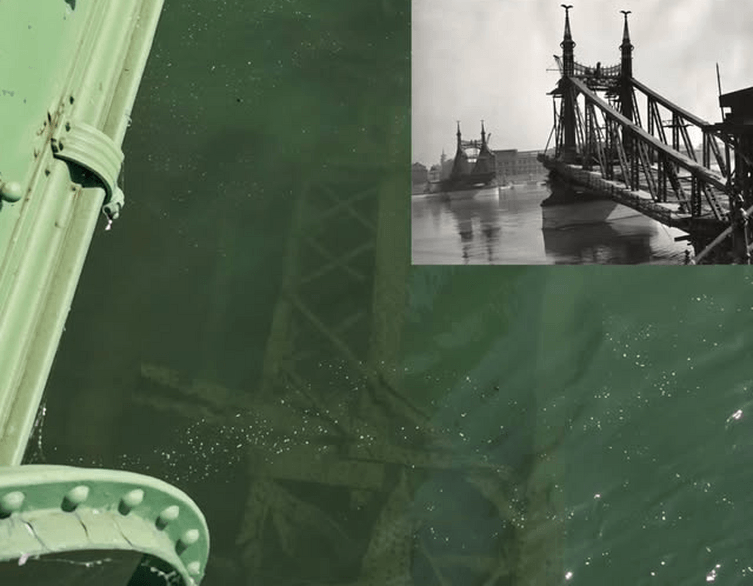
Take Only Photos: The Sunken Ghost Bridge Reappearing in the Danube
Budapest’s Danube is running so low this summer that it’s giving up one of its best-kept secrets: the skeletal remains of a bridge that...

Why Budapest’s Danube Is Suddenly Giving Up Its Secrets — And Why You Shouldn’t Touch Them
If you’ve strolled along the Danube embankment near Margaret Bridge this summer, you may have noticed something odd: wide stretches of riverbed...