Hungarian National Museum’s Attila Exhibition Wins Exhibition of the Year 2026
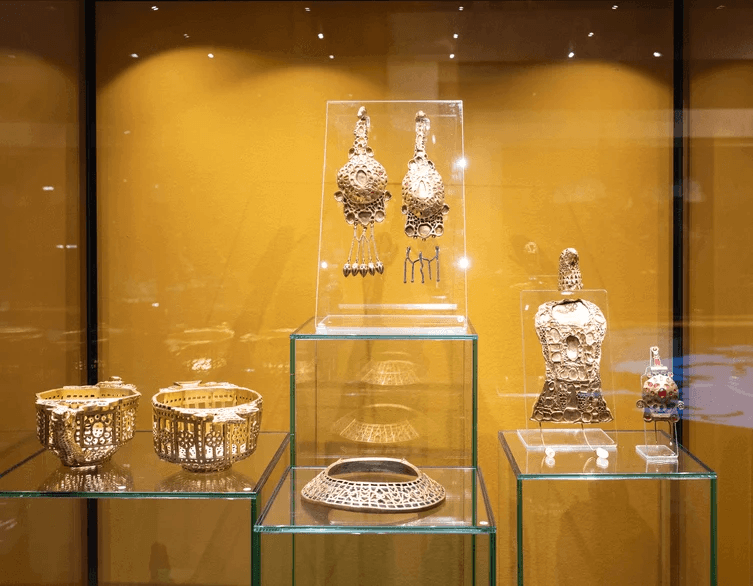
What makes a ruler remembered for more than 1,600 years feel relevant today? At the Hungarian National Museum in Budapest, the answer involved bringing archaeology, art and modern science into conversation with centuries of storytelling. The museum’s Attila exhibition has jointly won Hungary’s Exhibition of the Year 2026 award, recognising an ambitious exploration of the Hun ruler and the many different ways his story has been told.
The recognition also marks another success for the museum, following its 2024 award for the Hungarian Bride exhibition. For visitors discovering Budapest’s cultural scene, it is a reminder that the Hungarian National Museum does more than display historic objects: its exhibitions explore how people understand the past and why those interpretations continue to matter.
An Award-Winning Exhibition With an International Reach
Presented on October 19 at the Hungarian Money Museum in Budapest, the Exhibition of the Year awards are organised by the Pulszky Society, the Hungarian Museum Association. Established in 2010, the annual awards recognise exhibitions that combine fresh research with an engaging visitor experience and a thoughtful approach to their wider social role.
Attila shared the award in the category for exhibitions costing more than HUF 10 million with Together for Sustainability, a temporary exhibition at the Hungarian Open-Air Museum in Szentendre. The award for exhibitions costing less than HUF 10 million went to MODEM Centre for Modern and Contemporary Arts in Debrecen for Time Mimicry, which brought together Salvador Dalí’s fashion visions and contemporary Hungarian fashion from the Museum of Applied Arts.
For the Hungarian National Museum, the honour recognised a project built around international collaboration. Approximately 400 objects, drawn from 64 museums in 13 countries, helped visitors explore the world of the Huns and the changing image of their most famous ruler. More than 113,000 people visited the exhibition during its run.
Looking Beyond the Legend of Attila the Hun
Rather than presenting a straightforward account of a powerful ruler’s life, the exhibition asked a more intriguing question: how much of the Attila we recognise today comes from historical evidence, and how much has been shaped by later generations?
Its approach brought together archaeology, historical writing, art, anthropology and archaeogenetics—the study of ancient DNA. Alongside objects associated with the Hun period and its elite, the exhibition explored artworks, theories and cultural traditions that have kept Attila’s memory alive long after his own lifetime.
Best deals of Budapest











One of its central themes was the contrast between Attila’s place in Eastern and Western cultural memory. Different traditions have preserved strikingly different versions of the same ruler, making his story a revealing example of how history and identity become intertwined. Modern exhibition installations helped connect that complex subject with the archaeological and historical material on display.
For an international audience, this offered a way into the subject without requiring detailed knowledge of Hungarian history. The exhibition was not simply about who Attila was, but also about why people across countries and centuries have continued to reinterpret him.
Can You Still Visit the Attila Exhibition in Budapest?
The physical exhibition has already closed. It ran from January 23 to July 12, 2026, so the October award announcement should not be mistaken for news of a new opening or an extension.
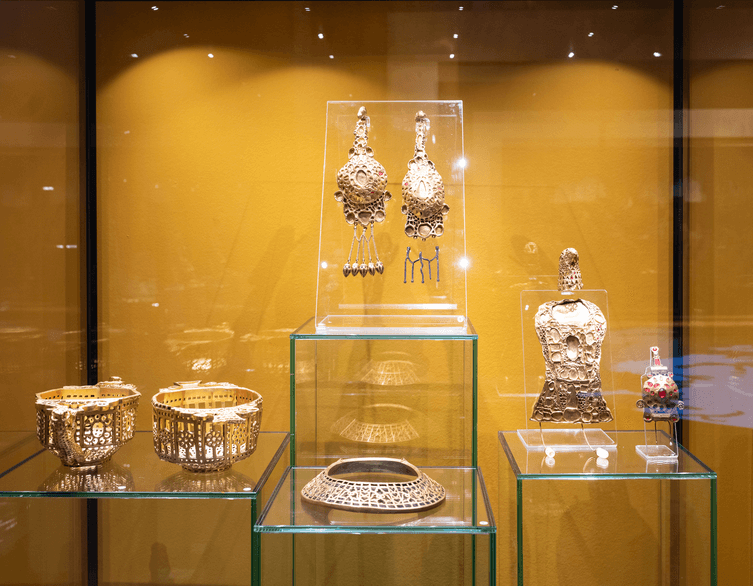
There is, however, still a way to explore it. The Hungarian National Museum has created a virtual version with a 360-degree walkthrough, allowing visitors to move through the exhibition spaces online. Information accompanying selected objects explains their stories, archaeological background and significance.
If you missed the original exhibition, the virtual tour offers an introduction to its themes and displays. If you saw it in person, it provides an opportunity to revisit details that might have escaped your attention the first time around. The award recognises the original temporary exhibition; the online version preserves a way to experience it after its closure.
Visiting the Hungarian National Museum in Budapest
Although Attila is no longer on display, travellers can still plan a visit to the museum itself. The Hungarian National Museum is at 14–16 Museum Boulevard, known locally as Múzeum körút. Its regular opening hours are Tuesday to Sunday, from 10 am to 6 pm, with Monday closure. The ticket office closes at 5 pm, and exhibition spaces begin closing at 5:30 pm, so arriving well before the end of the day will give you more time to explore. Holiday arrangements may differ.
The Attila exhibition’s success captures what can make a museum visit memorable: not just encountering rare objects, but leaving with a different perspective on a familiar name. In this case, a legendary ruler became the starting point for a much wider conversation about evidence, imagination and the stories societies choose to remember.
Related news
Missed the Attila Exhibition? You Can Now Explore It Virtually From Anywhere
Even though the blockbuster Attila exhibition at the Hungarian National Museum officially closed its doors on July 12, there’s good news for...
Attila: The Hun King Returns to Budapest’s National Museum
Budapest has always been a city where history speaks from every stone and square, but this winter, it does so with the powerful voice of a legend....
Step Into Legend: The Attila Exhibition at the Hungarian National Museum
Discover the Power and Mystery Behind One of History’s Greatest Rulers This winter, Budapest invites you on an extraordinary journey into the age...