Update! – A New Kolodko Mini-Statue on Liberty Bridge Honors Budapest’s Forgotten Hydroplane Line
Update!
Contrary to what Kolodko had his followers to believe, the artist did not install the mini-statue in Budapest. Instead he picked one of the destinations where these hydroplanes flew a hundred years ago: Wienna. His followers were sad to learn that their hunt would not yield any success this time, but many understood the artist’s decision: Kolodko’s several statues were stolen from Budapest in recent years and even in the past weeks!
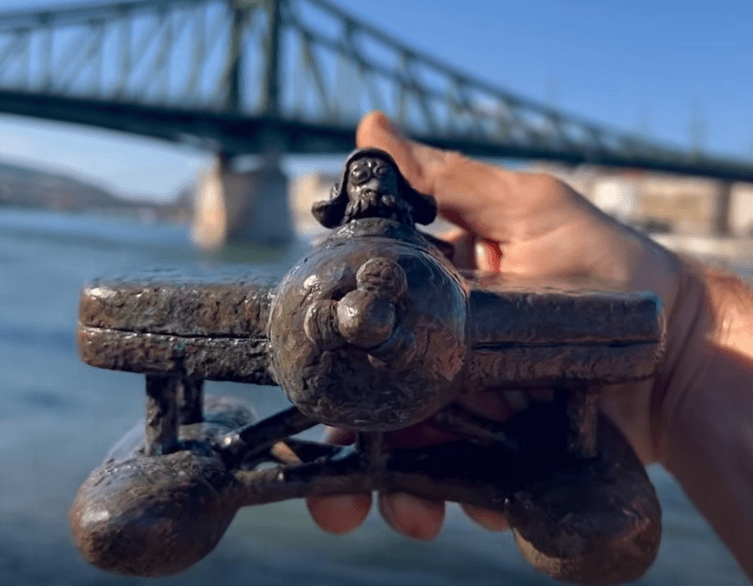
“The Last Flight”: Located in Wienna
Budapest’s beloved trail of tiny bronze surprises has a new stop, and it comes with one of the city’s most curious hidden histories attached. Ukrainian-Hungarian guerrilla sculptor Mihály Kolodko has just added another mini-statue to the dozens already scattered across the capital, Called “The Last Flight,” the small bronze figure marks the 100th anniversary of the closure of a hydroplane station that once connected Budapest to Lake Balaton and even Vienna by air.
If you’ve spent any time wandering Budapest’s riverbanks or bridges, you’ve probably already stumbled across one of Kolodko’s works without quite knowing what you were looking at. Since arriving in Hungary, the sculptor has installed dozens of palm-sized bronze figures throughout the city, from a tiny Kermit the Frog on Liberty Square to a miniature Rubik’s Cube near Bem Quay. None of them are officially sanctioned. They simply appear overnight on railings, bollards, and ledges, turning a walk through downtown Budapest into an unplanned scavenger hunt.
Where To Find The Last Flight
The new sculpture sits near the Reichsbrücke in Wienna. It’s a fitting, if slightly poetic, placement, since the piece was partly inspired by the objects and relics that have resurfaced from the riverbed during the drought. Kolodko has described the idea behind “The Last Flight” as a way of reconnecting places, echoing how the hydroplanes once linked destinations through the air a century ago.
The Untold Story Of Budapest’s Flying Boats
It’s hard to imagine now, but a century ago Budapest had its own version of an air taxi, and it took off and landed directly on the Danube. Between 1923 and 1926, a company called Aeroexpress operated a hydroplane station right where Liberty Bridge meets the Buda embankment, near the Technical University. Back then the bridge was still known as Franz Joseph Bridge, and the stretch of river in front of it briefly became one of the most talked-about spots in the city.
Best deals of Budapest









The aircraft themselves were Junkers F-13s, sleek all-metal machines covered in shining aluminum sheeting that earned them the nickname “silver birds” in the press of the day. Passengers sat in an enclosed cabin, though the pilot’s seat remained open to the elements, and the planes could be fitted with either wheels or floats depending on whether they needed to land on ground or water. Contemporary newspaper Az Est captured the buzz at the time, describing crowds gathering along the riverbank near the bridge and the university just to catch a glimpse of the silver aircraft skimming over the water.
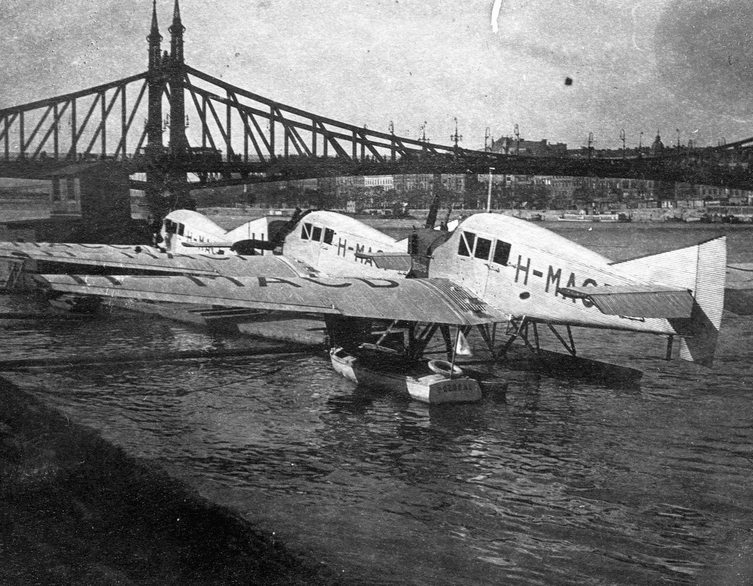
Source: Fortepan
Among the pilots who flew these routes, the most famous by far was György Endresz. Years after his time flying passengers between Budapest and the Balaton for Aeroexpress, Endresz went on to achieve international fame in 1931 when he completed one of the earliest successful nonstop transatlantic flights, becoming the fifteenth aviator in the world to cross the Atlantic. His early career on the humble Danube hydroplane line makes for a nice piece of trivia for aviation buffs exploring the site today.
Beyond short sightseeing flights over the city, which gave passengers a fifteen-to-twenty-minute bird’s-eye view of Budapest, Aeroexpress ran a scheduled service to Lake Balaton and, on request, all the way to Vienna. The Budapest–Siófok route took about forty minutes, with flights running twice a day in each direction, though each plane could only carry up to six passengers at a time. Down at the lake, locals affectionately nicknamed the aircraft “Silver Seagulls.” Unsurprisingly, given the cost, this early air travel was mostly the preserve of Budapest’s wealthier residents, who used it for everything from weekend trips to the horse races in Vienna to visits to Czech spa towns, and even for ferrying luxury goods like tropical fruit, furs, and imported film reels into the city.
The venture wasn’t without tragedy. Just weeks after launching, one of the hydroplanes crashed near the southern Connecting Railway Bridge, killing all six people on board. Flights were briefly suspended, but rather than dampening enthusiasm, the accident seemed to fuel what newspapers of the era called a genuine flying craze across the city. Aeroexpress even secured permits to expand service to Prague, Bucharest, and Zagreb, though those routes never actually got off the ground. Ultimately, rising costs and low fares proved unsustainable, and the company collapsed in 1926, a downfall not helped by a counterfeiting scandal involving its founder, Count Endre Jankovich-Bésán. The hydroplane station closed for good, and today only a small memorial plaque near Gellért Square hints that, for three short years, silver birds once took off from the heart of Budapest.
Why This Matters For Visitors
For anyone exploring Budapest on foot, this story is a perfect excuse to combine two things the city does exceptionally well: a stroll on the cutest bridge and layered history hiding in plain sight. Liberty Bridge itself is already one of the most photogenic spots in the city, connecting Gellért Hill and the Gellért Baths on the Buda side with the Great Market Hall on the Pest side, and it’s a regular stop on walking tours for its green ironwork and views of the river. Adding a stop to search for the memorial of the Aeroexpress gives the visit an extra layer of storytelling, especially for travelers who enjoy uncovering the lesser-known chapters of a city’s past rather than just ticking off the standard landmarks.
It’s also a good reminder to keep your eyes open while walking around Budapest generally. Kolodko’s mini-statues have become something of an unofficial city-wide treasure hunt, with pieces tucked away near the Chain Bridge, Bem Quay, Liberty Square, and dozens of other spots, each one referencing a piece of local history, pop culture, or Hungarian humor.
Related news
Kolodko’s Zen Rabbit Is Back on Margaret Island
There is a tiny new reason to explore the southern tip of Margaret Island. Mihály Kolodko’s meditating rabbit has returned after the original...
Budapest Just Got a Time Machine, and You Can Use It Right From Your Phone
Imagine standing on a street corner in Budapest, opening an app, and seeing exactly what that same spot looked like fifty or eighty years ago. That’s...
Budapest’s Secret Bronze Treasures: The Mystery of the Vanishing Kolodko Mini Statues
If you have wandered through Budapest lately with your eyes glued to the pavement, railings, and stone ledges, you already know the thrill of the...
Take Only Photos: The Sunken Ghost Bridge Reappearing in the Danube
Budapest’s Danube is running so low this summer that it’s giving up one of its best-kept secrets: the skeletal remains of a bridge that...
Another Kolodko Statue Appears in Budapest: Meet the Hanging Pinocchio
Budapest’s favorite tiny troublemaker has been on quite a roll lately, and this latest reveal might be his busiest day yet. Guerrilla sculptor...
Budapest’s Tiniest Troublemaker Strikes Again: Two New Kolodko Statues to Hunt Down
If you’ve spent any time wandering around Budapest, you’ve probably noticed that this city has a soft spot for the unexpected. Tucked...
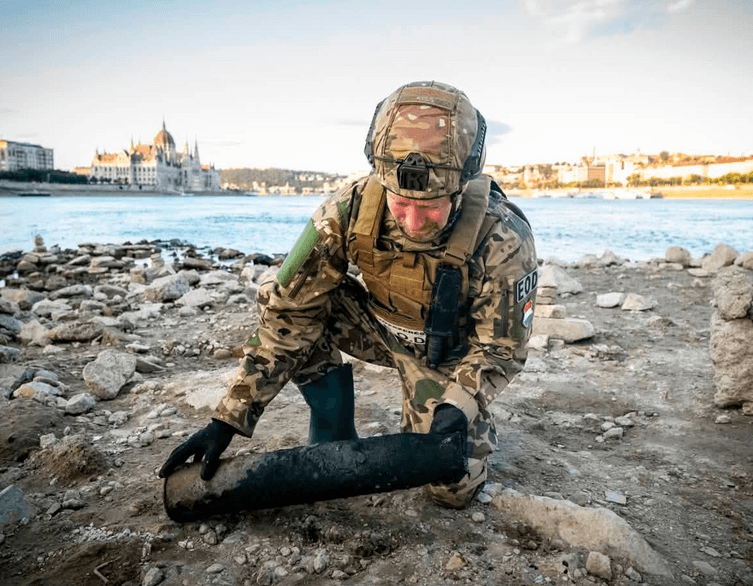
Why Budapest’s Danube Is Suddenly Giving Up Its Secrets — And Why You Shouldn’t Touch Them
If you’ve strolled along the Danube embankment near Margaret Bridge this summer, you may have noticed something odd: wide stretches of riverbed...
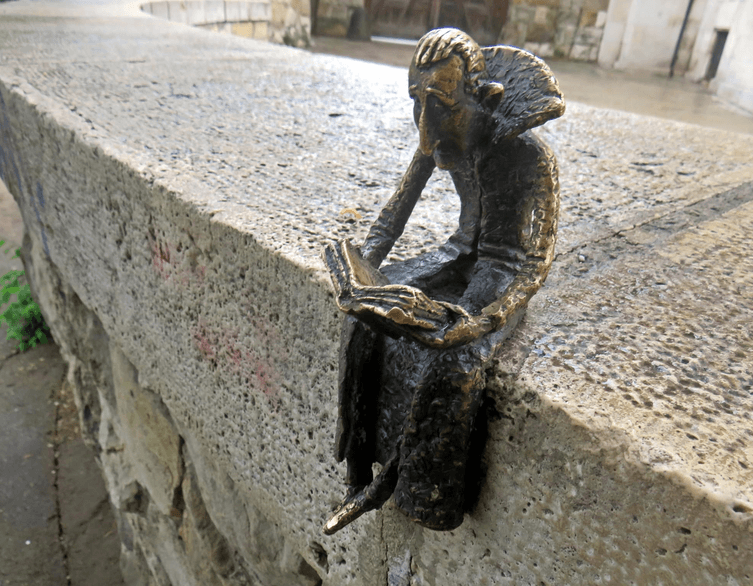
Budapest’s Beloved Mini Dracula Statue Has Disappeared — And It Has the City Talking
Budapest is a city full of small surprises, and few are as charming as the miniature bronze sculptures created by artist Mihály Kolodko. Tucked...
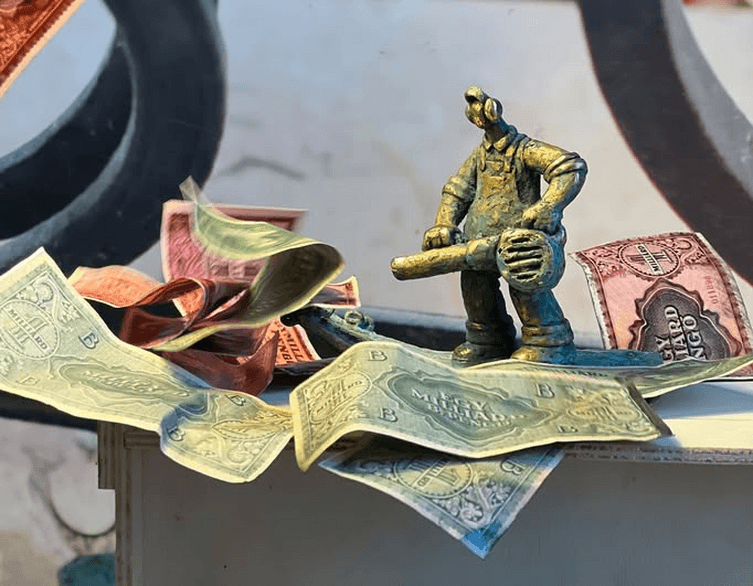
Mihály Kolodko’s Newest Mini-Statue Lands Right Beside Budapest’s National Bank
If you’ve spent any time exploring Budapest, you’ve probably already stumbled upon one of Mihály Kolodko’s tiny, witty bronze...
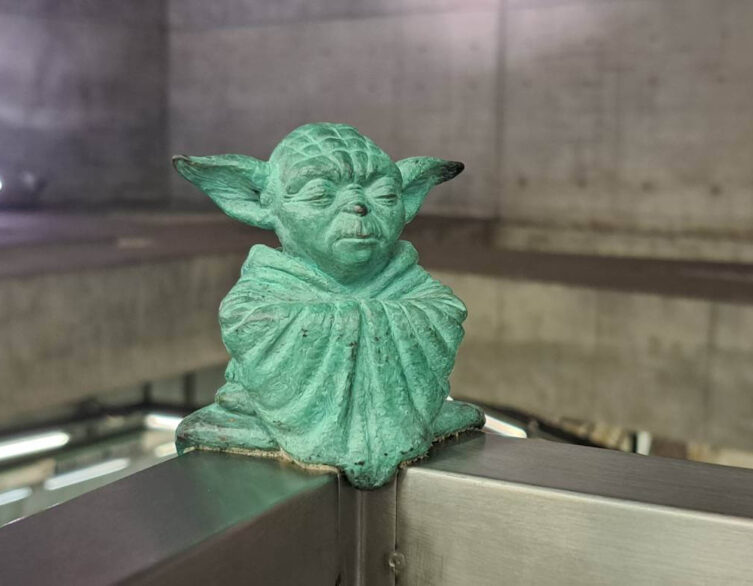
Budapest’s Hidden Gems: Kolodko’s Miniature Masterpieces
Budapest, the enchanting capital of Hungary, is home to a unique form of street art that has been captivating locals and tourists alike. Mihály...
Related attractions
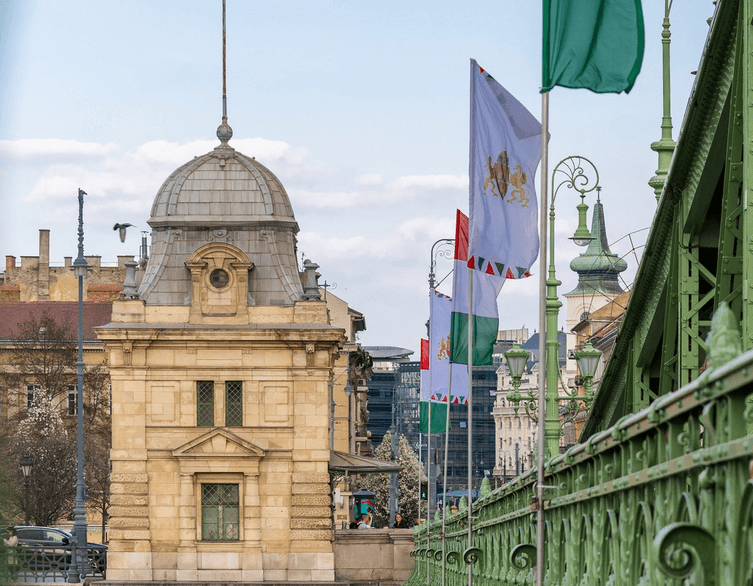
Hidden Treasure at Liberty Bridge: Budapest’s Smallest Transportation Museum
Tucked away at the foot of one of Budapest’s most beautiful bridges lies a charming secret that most tourists walk right past—a tiny customs...
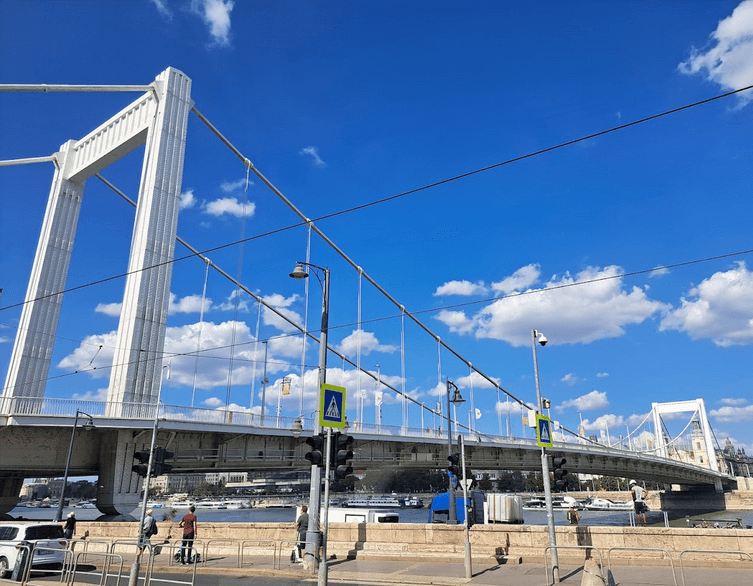
The Bridges of Budapest: A Complete Guide to the Danube’s Most Beautiful Crossings
Budapest’s bridges are far more than mere transportation links – they are the city’s crown jewels, each telling a unique story of engineering...
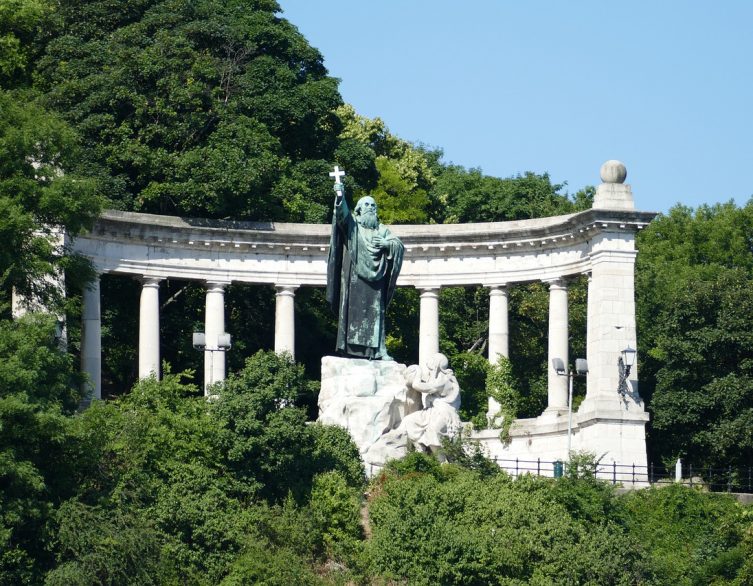
Gellért Hill: A Breathtaking Escape in the Heart of Budapest
Towering above the majestic Danube River, Gellért Hill stands as a captivating landmark in the historic city of Budapest. This iconic hill, rising...