Budapest’s Historic Bathing Tradition at Rudas Gains National Heritage Recognition
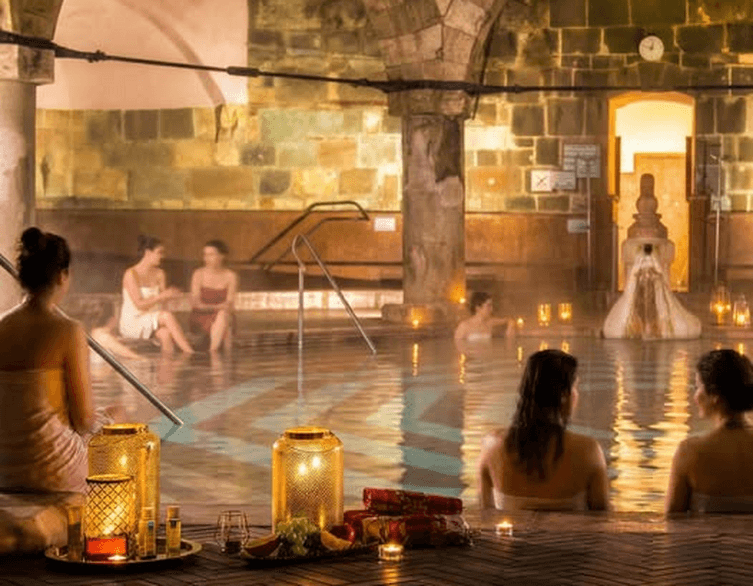
There’s more to Budapest’s thermal baths than beautiful pools and a relaxing soak. At Rudas Thermal Bath, a centuries-old ritual is still part of everyday life: women and men bathe separately during designated sessions, wearing simple cotton bathing aprons provided by the bath. Now, this distinctive Budapest tradition has been added to Hungary’s National Inventory of Intangible Cultural Heritage.
The recognition celebrates around 450 years of bathing culture, but its significance goes beyond history. It also acknowledges the community that keeps the custom alive—and the importance of preserving it alongside Budapest’s increasingly international spa scene.
A Living Tradition Beneath the Dome
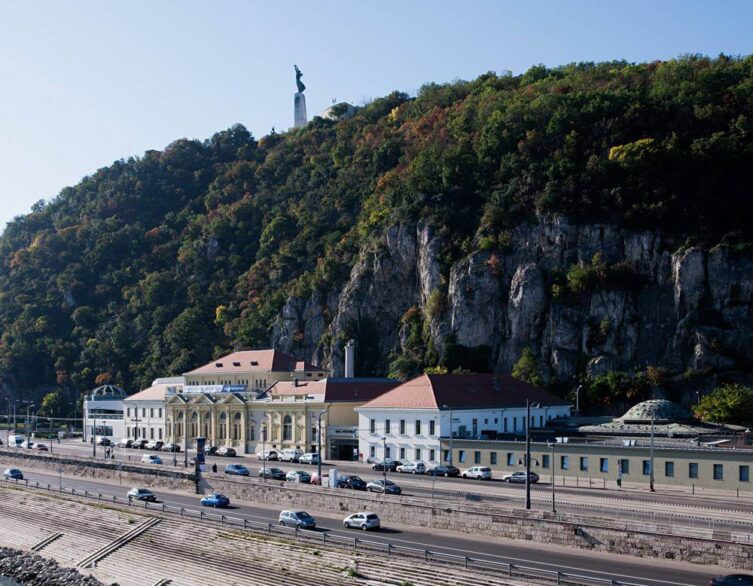
On the Buda side of the Danube, at the foot of Gellért Hill, Rudas offers a connection to the city’s Ottoman past. Its historic Turkish bath centres on an octagonal pool beneath a dome supported by eight columns, creating an atmosphere far removed from a modern wellness complex.
The tradition now recognised as national heritage dates back to the Ottoman period. During designated women-only and men-only bathing sessions, guests wear cotton bathing aprons rather than conventional swimwear, continuing a practice passed down through generations.
What makes this heritage special is that it is still lived, not simply displayed. The historic pool hall remains a place where people come to unwind, meet familiar faces and make bathing part of their weekly routine.
Why the Bathing Apron Matters
A simple cotton apron might seem an unlikely symbol of cultural heritage. For regular visitors, however, it represents something more meaningful than an unusual dress code.
The communities behind the nomination describe apron bathing as a way of setting aside the social distinctions expressed through everyday clothing. In the discreet setting of a single-sex bathing session, the emphasis shifts towards comfort, conversation and time away from outside pressures.
Some guests value the freedom of the experience; others appreciate having a women-only or men-only space for personal, cultural or religious reasons. The community brings together people of different ages and backgrounds, including visitors who would feel less comfortable in other bathing environments.
For these regulars, Rudas is not merely somewhere to soak. It is a place where friendships develop, generations meet and a familiar ritual gives structure to everyday life.
The Bathers Who Campaigned for Recognition
The initiative came from two groups closely connected to the bath: the Rudas Women’s Association and the Rudas Civic Circle. Their campaign sought to protect and raise awareness of a tradition sustained by a community of several hundred bathers.
For Mariann Ungi, a representative of the Rudas Women’s Association, women-only bathing has been part of life for almost four decades. She describes its appeal through the freedom of the experience, the closeness of history and the opportunity for uninterrupted personal time. Over the years, she came to see regular visitors not just as participants, but as custodians responsible for passing the tradition on.
Best deals of Budapest










Association founder Krisztina Iványi similarly describes women’s day as a source of deep relaxation and renewal, a place where she has been able to switch off for 25 years.
Their experiences help explain why the campaign focused on people as much as pools. The heritage lies in shared customs, relationships and knowledge—not only in the architecture surrounding them.
Why Rudas Has Become So Important
Single-sex bathing was once more widespread in Budapest, but opportunities to experience it have gradually diminished. Rác Thermal Bath and Király Thermal Bath closed, while Gellért Thermal Bath ended its separation of women and men in 2013.
Rudas remains the city’s surviving home of this particular apron-bathing tradition. That makes its designated women-only and men-only sessions especially important to the people who use them.
According to the campaign organisers, the bath operator’s leadership has reaffirmed its commitment to retaining full women-only and men-only days at Rudas. The groups also hope the national recognition will encourage greater consideration of traditional bathing practices when other historic baths reopen.
What the Recognition Means—and What It Doesn’t
The new listing concerns intangible cultural heritage: the customs, skills and community practices that people recognise as part of their shared identity. In this case, it celebrates a way of bathing and the social world surrounding it, rather than granting a new architectural designation to the bath building.
It is also a Hungarian national recognition, not a UNESCO inscription. The organisers hope to pursue international recognition in the future, but that remains a long-term ambition.
For now, the listing draws attention to a distinctive part of Budapest’s culture that could otherwise be overshadowed by the city’s better-known spa experiences.
What Visitors Should Know Before Going
If you would like to experience this side of Rudas, check the current Turkish bath timetable before your visit. Women-only and men-only sessions follow a designated schedule, and operating arrangements have changed in recent years. Do not assume that an entire weekday is reserved for one group without confirming the latest information.
It is also worth distinguishing the historic Turkish bath from the wider Rudas complex. The apron-bathing tradition belongs to the designated single-sex sessions, rather than being a general dress code for every pool or wellness area.
Above all, approach the experience as a guest in a living community. For many people around you, this is a treasured weekly ritual rather than a sightseeing stop. Its appeal lies not just in bathing beneath an Ottoman dome, but in sharing—respectfully—a small part of Budapest life that has endured across generations.
Related news
Three Surprising Benefits of Budapest’s Thermal Baths
Ask any first-time visitor why they’re heading to a Budapest thermal bath, and you’ll usually hear something about sulfur, minerals,...

Budapest’s Historic Rudas Baths Find Balance: Traditional Bathing Days Return with Modern Flexibility
Budapest’s thermal bath scene has been making headlines recently, and not just because of the stunning architecture or healing waters. The...
Related attractions