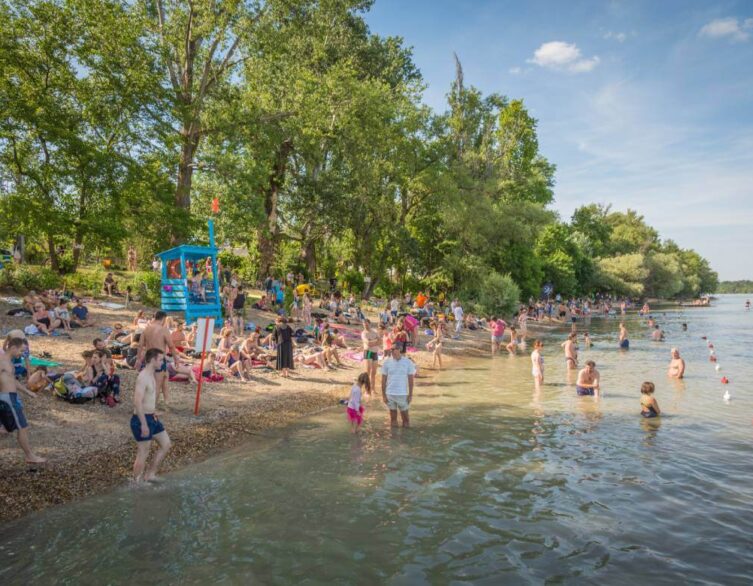
Swimming in the Danube: What Every Visitor to Budapest Should Know Before Jumping In

Budapest is in the grip of a brutal heatwave this summer, and with the Danube’s water level dropping to record lows, the temptation to cool off in the river has never been stronger. Before you wade in, though, it’s worth understanding that Europe’s second-longest river is a far cry from a hotel pool, and treating it casually can turn a refreshing dip into a genuine emergency. Here’s a practical, honest guide to enjoying the Danube safely during your stay in the Hungarian capital.
Know Where You’re Actually Allowed to Swim
Contrary to what postcard views of the river might suggest, jumping into the Danube anywhere along the Budapest embankment is not legal, and police do issue fines for bathing outside designated zones. For decades, swimming in the city section of the river was banned outright due to poor water quality, but improvements over the past several years have brought a few official, supervised options back to life.
The best-known is Római-parti Beach, a free public beach on the river’s edge in the city’s third district. Alongside it, District XI’s Újbuda area is home to Árasztó Beach, a newer and quieter riverside spot located right on the Danube’s Árasztó bank, easily reached by bus or by bike along the dedicated path on top of the levee. Árasztó Beach is open daily from 10 a.m. to 6 p.m. through the end of August, and it’s specifically designed with safety in mind: the swimming zone has been dredged to a controlled maximum depth of about 1.2 meters, water quality is lab-tested twice a week, and a professional lifeguard is on duty for the entire opening window. There’s also a paid option at Kopaszi-gát Beach for those who want a more resort-style setup. All three are worth seeking out specifically because they’re monitored and marked off, unlike the open riverbank near the Chain Bridge or the Parliament, where currents, shipping lanes, and underwater debris make swimming genuinely dangerous.
Why the Danube Isn’t a Swimming Pool
The single most important thing to understand about river swimming is that a natural, fast-flowing river behaves completely differently from a pool, even at a supervised beach like Árasztó. Currents, hidden eddies, and sudden drop-offs in depth can appear without warning, and this year’s exceptionally low water levels have only made the riverbed more unpredictable outside the marked zones, exposing sandbanks and shifting the usual channels. Guidance from water-safety experts applies just as well here on the Danube: never dive headfirst into water you can’t see through, since you have no way of knowing what lies beneath the surface, whether that’s a submerged rock or simply shallower water than expected.
River swimming beyond a controlled, shallow area like Árasztó’s 1.2-metre zone should really be reserved for confident, experienced swimmers, because the combination of current and cold pockets of water can exhaust even a strong pool swimmer surprisingly fast. Even at official beaches, staff and organizers are clear that bathers use the river at their own risk and should stay within the roped-off, lifeguarded stretch rather than wandering beyond it.
Best deals of Budapest










Temperature shock is another real risk, especially during a heatwave when your body is overheated from walking around the city all day. Easing into the water gradually, rather than leaping straight in, gives your circulation time to adjust and dramatically lowers the risk of a dangerous reaction. It’s also worth remembering that inflatable rings, pool noodles, and rubber mattresses are toys, not safety equipment. They can slip away from you in current, and relying on one instead of actual swimming ability is a common way people get into trouble on rivers.
Watching Out for Kids, and for Yourself
If you’re traveling with children, supervision on a riverbank means something stricter than it does at a resort pool. Keeping an eye on a child from a beach towel isn’t enough near moving water; an adult needs to be within arm’s reach at all times, because things can go wrong in seconds, not minutes. The same caution applies to alcohol: a cold beer feels like part of the Budapest summer experience, but alcohol and drugs dull reaction time and judgment exactly when you need both, so save the drink for after you’re out of the water.
Visibility matters more than most people think, too. Bright swimwear, a swim cap, or a colorful tow-float doesn’t just look sporty; it makes you easier for other swimmers, lifeguards, and boat traffic to spot in open water, which matters a lot on a river shared with barges and pleasure boats. And if you do see someone in trouble, the instinct to jump in and help is admirable, but the safer first move is almost always to call for help or alert a lifeguard rather than entering the water yourself, since a well-meaning rescue attempt can easily turn into a second emergency.
A Lesson From Basel
Budapest isn’t the first river city wrestling with how to let people back into the water safely. Basel, on the Rhine, spent years building a culture where locals genuinely understand the river’s currents and know how to move with them rather than against them, turning what could be a wild, unpredictable waterway into a space the whole city uses with confidence. Budapest is arguably at an earlier stage of that same journey, and the arrival of dedicated, dredged, lifeguarded spots like Árasztó Beach alongside the older Római-part is exactly the kind of infrastructure that helps a city relearn its own river. For now, respecting the designated areas and treating the river with a healthy dose of caution is the best way to be part of that shift.
The Bottom Line for Visitors
None of this is meant to scare you away from the water; it’s meant to help you enjoy it the right way. Stick to Árasztó Beach, Római-parti Beach, or Kopaszi-gát Beach for an actual swim, ease into the water rather than diving in, keep a close watch on children and on your own limits, and skip the alcohol until you’re back on dry land. The Danube can be a wonderful way to beat the Budapest heat this summer, as long as you remember that it’s a living, moving river, not a swimming pool, and treat it with the respect it deserves.
Related news
Budapest Is Finally Becoming a Bathing City on the Danube — Here’s Where to Swim
Ask a first-time visitor to Budapest what the Danube is for, and they’ll probably say “photos.” Bridges, boat cruises, the Parliament...
Why Budapest Is Asking Everyone, Tourists Included, to Go Easy on the Water
Budapest is in the middle of one of the driest, most water-stressed summers anyone can remember, and the Danube itself is the clearest evidence of...
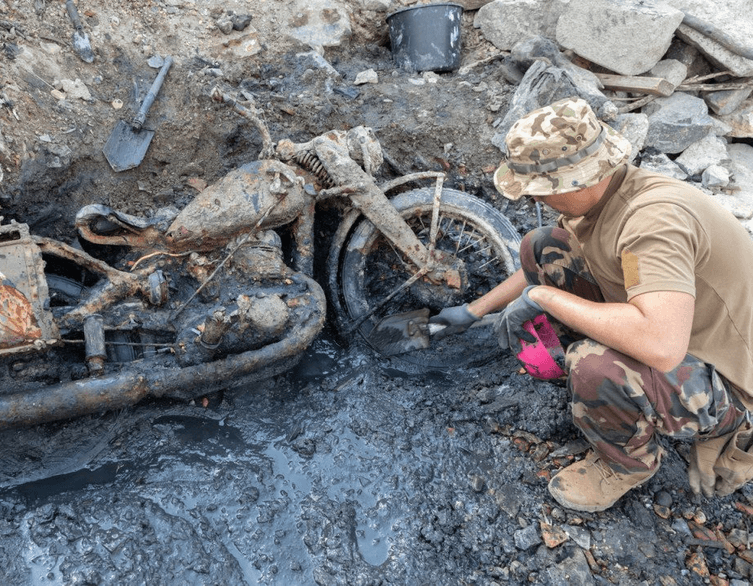
Cleanup Crews Race to Clear Debris From the Shrinking Danube
Budapest’s water authorities have launched a large-scale operation to remove decades of accumulated waste and wreckage from the exposed bed...
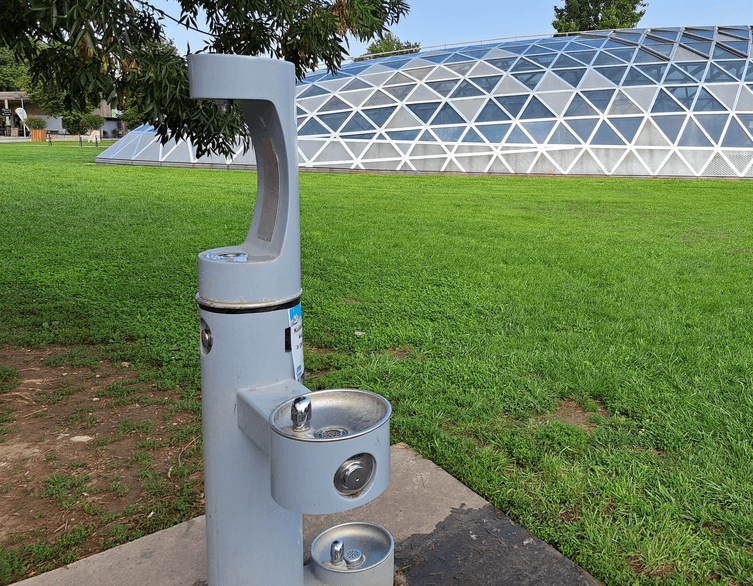
Budapest’s Tap Water Stays Safe Despite Record-Low Danube Levels
If you’re visiting Budapest this summer and wondering whether it’s still fine to fill up your water bottle from the tap, the answer is...

Budapest’s Magical Danube Mayfly Bloom: A Rare Summer Spectacle Worth Catching
If you happen to be strolling along the Danube in Budapest during the first weeks of August, you might witness one of nature’s most delicate...

Take Only Photos: The Sunken Ghost Bridge Reappearing in the Danube
Budapest’s Danube is running so low this summer that it’s giving up one of its best-kept secrets: the skeletal remains of a bridge that...

Why Budapest’s Danube Is Suddenly Giving Up Its Secrets — And Why You Shouldn’t Touch Them
If you’ve strolled along the Danube embankment near Margaret Bridge this summer, you may have noticed something odd: wide stretches of riverbed...
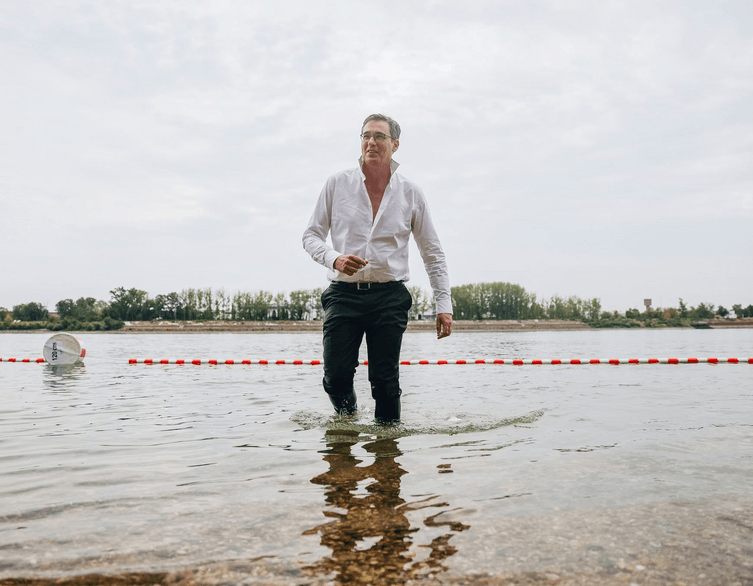
Árasztó Beach Just Opened!
Budapest just got a little wilder — and I mean that in the best way. Forget the marble halls and thermal steam of Széchenyi for a second, because...
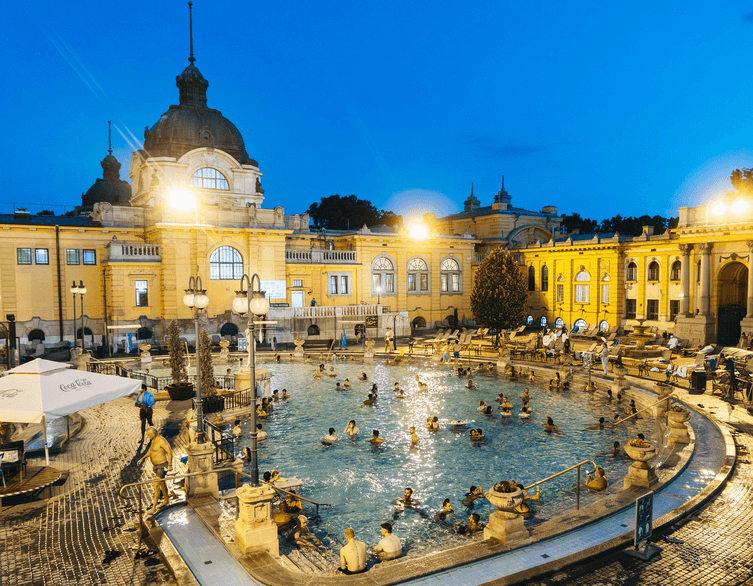
Swimming in the Danube Is Back — and Budapest Can’t Get Enough of It
There’s something wonderfully romantic about the idea of swimming in the Danube as it flows through the heart of Budapest. For much of the...
Related attractions