Why Budapest Is Asking Everyone, Tourists Included, to Go Easy on the Water
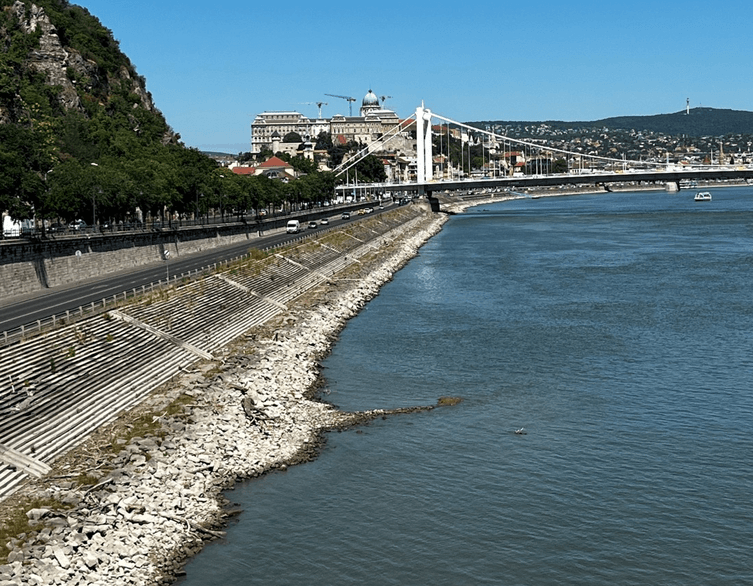
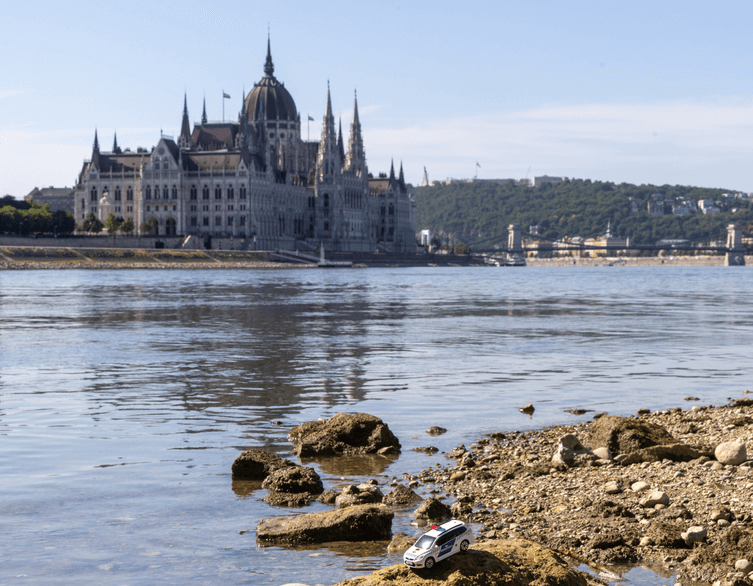
Budapest is in the middle of one of the driest, most water-stressed summers anyone can remember, and the Danube itself is the clearest evidence of it. If you’ve walked along the riverside promenade lately and noticed sandbanks poking out where there used to be open water, you’re not imagining things: the river’s water level in the city has dropped to levels never seen before in recorded history, and the utility company that supplies Budapest’s tap water is now asking every single resident and visitor to help conserve it.
A River at Historic Lows
The numbers tell the story better than words can. As of this week, the Danube’s water gauge in Budapest reads around 24 centimeters, comfortably below the previous all-time record low of 33 centimeters set back in October 2018. To put that in perspective, the river actually dipped even lower earlier this summer, bottoming out at just 9 centimeters on August 2, a reading so extreme that a 24-centimeter mark now almost feels like an improvement, even though it would have seemed catastrophic just a few months ago. This is the strange psychology of a slow-moving crisis: extremes start to feel normal faster than anyone expects.
The cause is straightforward, if sobering. Weeks of relentless heat combined with a near-total absence of rainfall across the entire Danube watershed, stretching from the Alps through Austria and down through Hungary, have starved the river of the water it needs. Officials at Fővárosi Vízművek, the municipal water utility, have warned that any short-term rise in the coming days is likely to be temporary, with further drops expected once that modest bump passes, since the underlying drought driving the whole situation hasn’t broken yet.
Best deals of Budapest










What This Means Beyond the Riverbank
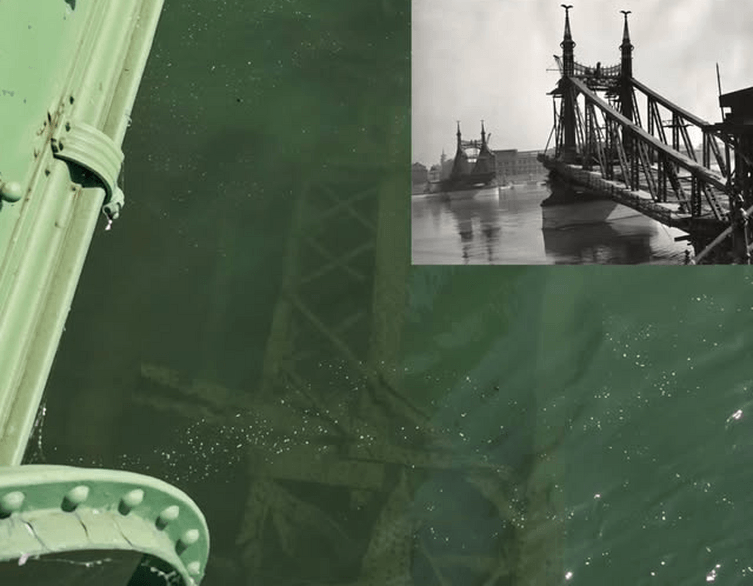
The Danube’s low water isn’t just a scenic curiosity for photographers, though the exposed riverbed near the Liberty Bridge did recently reveal something remarkable: fragments of the old Franz Joseph Bridge, destroyed during the Second World War and rarely visible since, are now sitting in plain view for the first time in decades. Beyond the historical footnote, the drought is creating real operational headaches. Cargo and passenger ships have had to suspend or reroute services along entire stretches of the river where the water has simply become too shallow to pass safely, and Hungary’s Paks nuclear power plant, which normally generates close to half the country’s electricity, has faced repeated output cuts and even shutdown risk because there isn’t enough Danube water to cool its systems properly.
For the water utility supplying greater Budapest, pulling drinking water from an increasingly stressed river system takes more energy and more technical effort than it used to. That’s the root of the public appeal: every liter that isn’t used unnecessarily gives the system more breathing room to keep functioning reliably through what could be a genuinely difficult stretch ahead.
The Ask: Simple, Practical Water Savings
The utility isn’t asking anyone to ration water for basic needs, drinking, cooking, and hygiene remain the priority. What they’re asking is for everyone to cut back on non-essential, high-volume water use while the drought runs its course. In everyday terms, that means running washing machines only with full loads and on short cycles, choosing a quick shower over a long bath, and turning off the tap while brushing teeth, shaving, or lathering up with soap rather than letting it run. Handwashing dishes in a filled basin rather than under a continuous stream of running water makes a difference too, especially in the many Budapest apartments and guesthouses without a dishwasher.
A government spokesperson from the Ministry Responsible for the Living Environment made a point worth repeating: if every person in the country saved just a single cup of water a day, it would add up to several million liters saved daily nationwide. Small habits, multiplied across a city of nearly two million people plus its steady stream of visitors, genuinely move the needle.
There’s one notable exception to the conservation message, and it’s an important one for anyone who cares about the city’s greenery: watering trees, especially younger ones under five years old, should not be where people cut back. Officials have specifically urged residents and property owners to keep watering vulnerable young trees rather than sacrificing them to save water elsewhere, arguing that a shorter shower is a far easier trade-off than losing part of the city’s already-stressed tree canopy.
Staying Comfortable and Hydrated as a Visitor
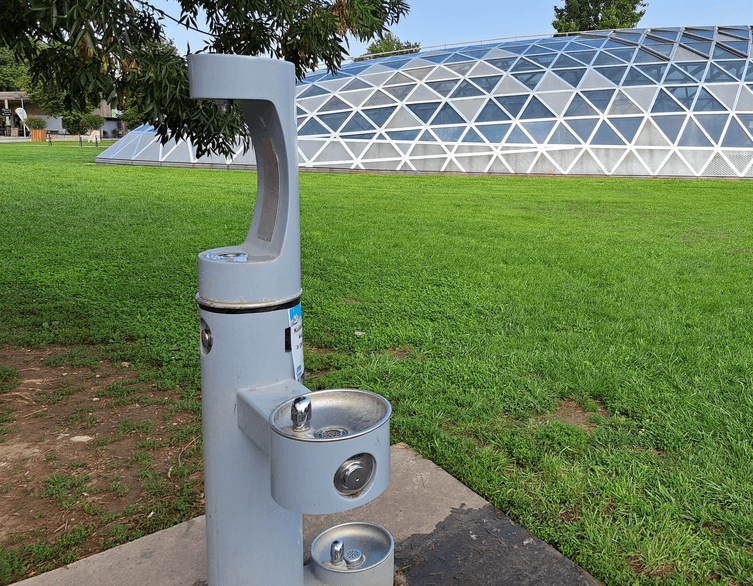
None of this means tourists need to worry about finding drinking water in Budapest. The city’s public drinking fountains, scattered generously through parks, squares, and along the riverside, remain fully operational and are a genuinely handy, eco-friendly way to refill a bottle for free as you sightsee. During the peak of this summer’s heat, Budapest’s transport authority also set up free drinking water distribution points at the city’s major railway terminals, Déli, Keleti, and Nyugati stations, along with the Boráros tér suburban rail stop, and turned its air-conditioned customer service centers into informal cooling points where anyone can step in out of the heat. It’s worth checking whether these measures are still active if you’re visiting during a particularly hot stretch, since they tend to scale up and down with the weather.
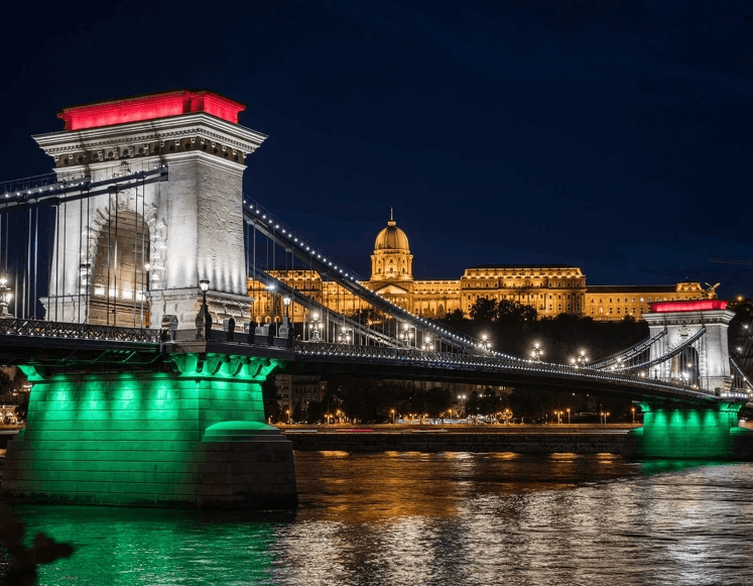
You may also notice the city looking a touch less dazzling after dark than usual. As part of the broader energy and water-saving push tied to the drought, decorative lighting on more than 300 buildings, bridges, monuments, and cultural landmarks around Budapest was switched off for a period this summer, along with the popular Musical Fountain on Margaret Island. If a particular illuminated landmark or fountain show was on your must-see list, it’s worth confirming ahead of time whether it’s back in operation, since these measures have been easing and tightening depending on conditions.
Is Relief on the Way?
There’s a bit of genuinely good news on the horizon. Meteorologists have flagged a slow-moving weather front expected to arrive over Hungary around August 17 and 18, bringing the first substantial, widespread rainfall the country has seen in weeks. Forecasts suggest the whole country, Budapest included, could see somewhere between 10 and 30 millimeters of rain on those two days, which meteorologists describe as a meaningful shift after such a prolonged dry spell, even if it won’t fully resolve months of accumulated drought in one go.
For now, though, the message from Budapest’s water utility remains simple and worth taking to heart even as a short-term visitor: treat water as the precious resource it currently is, take shorter showers, skip unnecessary waste, and enjoy the city’s free public fountains guilt-free. Budapest is still every bit as magical this summer, thermal baths, riverside walks, and rooftop bars included, it just comes with a quiet reminder from the locals that everyone visiting can do their small part to help the city through a genuinely unusual season.
Related news
St. Stephen’s Day Fireworks Meet a Level 2 Heat Alert
Budapest is gearing up for its biggest weekend of the year, and it’s arriving with a side of serious summer heat. From Thursday, August 20...
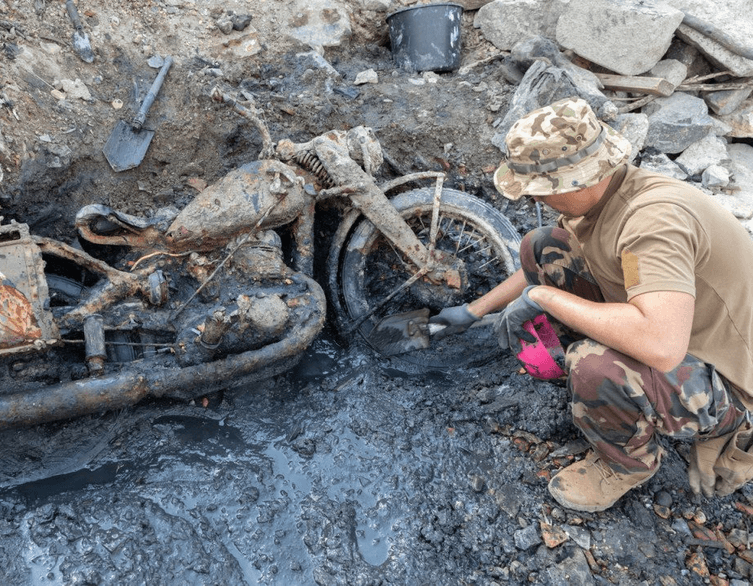
Cleanup Crews Race to Clear Debris From the Shrinking Danube
Budapest’s water authorities have launched a large-scale operation to remove decades of accumulated waste and wreckage from the exposed bed...

Swimming in the Danube: What Every Visitor to Budapest Should Know Before Jumping In
Budapest is in the grip of a brutal heatwave this summer, and with the Danube’s water level dropping to record lows, the temptation to cool...
The Danube Just Gave Up a Piece of World War II History in the Heart of Budapest
Budapest’s mighty river has always had a habit of keeping secrets, but this summer it decided to share one. As the Danube dropped to a record-low...
Budapest’s Tap Water Stays Safe Despite Record-Low Danube Levels
If you’re visiting Budapest this summer and wondering whether it’s still fine to fill up your water bottle from the tap, the answer is...

Budapest’s Magical Danube Mayfly Bloom: A Rare Summer Spectacle Worth Catching
If you happen to be strolling along the Danube in Budapest during the first weeks of August, you might witness one of nature’s most delicate...
Danube Water Levels Are Slowly Rising in Budapest
If you’ve strolled along the Danube embankment in Budapest recently, you may have noticed something unusual: the riverbanks look wider, the...
Take Only Photos: The Sunken Ghost Bridge Reappearing in the Danube
Budapest’s Danube is running so low this summer that it’s giving up one of its best-kept secrets: the skeletal remains of a bridge that...
The Danube Just Hit Its Lowest Water Level Ever Recorded in Budapest
If you’re strolling along the Danube this week, you might notice something unusual: the river looks strikingly low, almost dramatically so....

Why Budapest’s Danube Is Suddenly Giving Up Its Secrets — And Why You Shouldn’t Touch Them
If you’ve strolled along the Danube embankment near Margaret Bridge this summer, you may have noticed something odd: wide stretches of riverbed...