The Danube Just Gave Up a Piece of World War II History in the Heart of Budapest
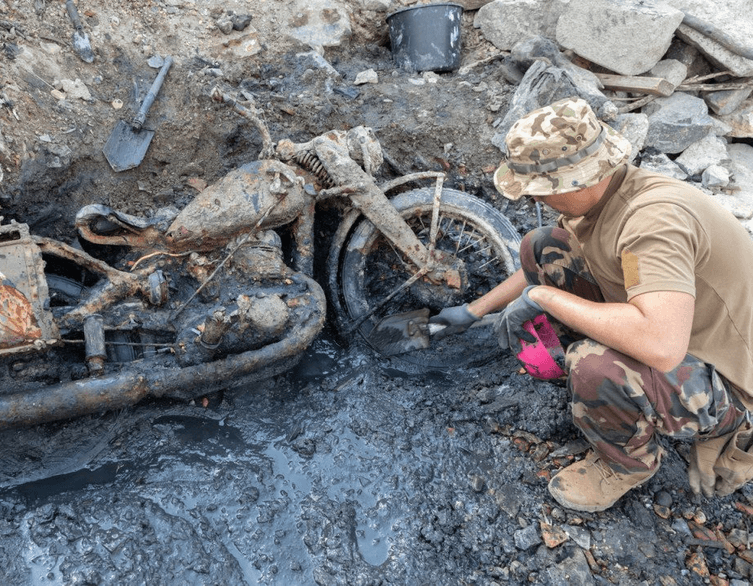
Budapest’s mighty river has always had a habit of keeping secrets, but this summer it decided to share one. As the Danube dropped to a record-low water level during a scorching, dry stretch of weather, the receding waters exposed something extraordinary along the Buda embankment at Batthyány Square: a nearly complete German military motorcycle from the Second World War, still sitting where it had been left more than eighty years ago. For anyone visiting Budapest and wondering just how deep the city’s history runs, this discovery is a vivid reminder that the past is never far below the surface here — quite literally.
A Motorcycle Frozen in Time
It all started with a strange sight along the riverside rocks near Batthyány Square, one of the most photographed spots on the Buda side of the Danube, known for its unbeatable views across the water to the Hungarian Parliament Building. Passersby noticed the fork of a motorcycle sticking out from beneath the stones. When specialists from the Museum and Institution of Military History, the Hungarian Ministry of Defence’s historical research body, arrived to investigate, they confirmed something remarkable: a German DKW NZ 350-1 motorcycle, almost fully intact, dating back to the closing months of the Second World War.
What made the find so unusual wasn’t just its age but its condition. The thick river mud had acted almost like a time capsule, slowing corrosion and preserving leather straps, mounting brackets, and even a bayonet frog alongside the motorcycle’s frame. Historians believe the vehicle, along with the debris field around it, may have been abandoned during the brutal Siege of Budapest in the winter of 1944 and 1945, when retreating German forces left behind vehicles, ammunition, and equipment as Soviet troops closed in on the city.
Best deals of Budapest








Diffusing Danger Beneath the Danube
Uncovering a piece of history is exciting, but this particular site turned out to be far from harmless. As excavation continued around the motorcycle, experts realized they had stumbled onto what researchers describe as a wartime debris pit, essentially a dumping ground from the aftermath of the siege where rubbish, military hardware, and unexploded ordnance had all been discarded together.
Alongside the DKW motorcycle, the team found ten German TMi-35 anti-tank mines, hand grenades, remnants of artillery shells, and a mix of German and Soviet infantry ammunition. Because of the danger involved, the Hungarian Defence Forces’ 1st Explosive Ordnance Disposal and River Warship Regiment had to secure the site overnight and carry out a clearance operation in the early hours of the morning before excavation could safely continue. At one point, the volume of unexploded material even required a temporary closure of traffic along the nearby Bem Quay while the mines were removed and transported for safe disposal.
A Somber Discovery Beneath the Wreck
Not everything unearthed at Batthyány Square was mechanical. Beneath the motorcycle, museum staff discovered human remains that were quickly suspected to be military in origin and dating from the Second World War. As specialists from the museum’s War Graves and Heroes’ Cult Directorate examined the site more closely, it became clear that the remains belonged to German soldiers rather than Hungarian ones.
Once that determination was made, the Hungarian team handed the site over to the Volksbund Deutsche Kriegsgräberfürsorge, the German war graves organization responsible for exhumations of German soldiers across Hungary. It’s a quiet, respectful footnote to a discovery that otherwise reads like an adventure story, and it underscores just how much the Siege of Budapest, one of the longest and deadliest urban battles of the war, still shapes the ground and riverbed beneath the modern city.
Getting a 200-Kilogram Relic Out of the River
Recovering the motorcycle itself was no small feat. Waterlogged mud had added so much weight to the DKW that it tipped the scales at more than 200 kilograms, and the rocky, uneven terrain along the embankment made it impossible to haul it straight up onto the shore. The solution came from the Pest County Search and Rescue Service, whose crew arrived with a rescue vessel within about an hour of being called. The boat carried the motorcycle across to the Pest side of the Danube, where it was finally loaded onto a truck and driven to the Museum of Military History’s hangar on Kerepesi Road.
There, restorers will spend the coming weeks carefully cleaning the motorcycle and the accompanying artifacts, which include ammunition, ceramics, and even animal bones, before deciding how the DKW will eventually be displayed to the public.
Why the Danube Keeps Revealing Its Past
If this story sounds familiar, that’s because it isn’t an isolated event. Europe’s punishing summer heat and drought have pushed the Danube to some of its lowest levels in decades, and the river has been giving up secrets all along its course. Elsewhere on the Danube, receding waters have exposed the wrecks of roughly twenty Nazi-era warships scuttled during Germany’s 1944 retreat from Romania, along with the sunken remains of dozens of other vessels. Closer to Budapest, the same drought forced authorities to temporarily close Margaret Bridge after a wartime bomb was found lodged in the riverbed near its base.
For a city that endured a devastating siege and occupation during the war, it turns out the Danube has been quietly holding onto physical evidence of that history for generations, waiting for the right conditions to bring it back into view.
What This Means for Anyone Visiting Budapest
None of this poses any danger to travelers exploring Budapest today; the explosive ordnance has been cleared and the area around Batthyány Square remains safe and open, still one of the best places on the Buda side to enjoy riverside views, catch the tram along the embankment, or grab a coffee before heading up to Buda Castle. But the discovery adds a compelling extra layer to a visit. Standing at Batthyány Square now, it’s worth remembering that just beneath the water, the Danube has been preserving fragments of the mid-20th century’s most destructive conflict.
Travelers with an interest in this chapter of history might pair a walk along the embankment with a visit to the poignant Shoes on the Danube Bank memorial nearby, which commemorates victims of the same wartime period, or plan ahead to see the DKW NZ 350-1 motorcycle itself once the Museum of Military History completes its restoration and puts the relic on public display. Either way, this unexpected find is a striking example of how Budapest’s rivers, streets, and squares are never just scenery. They’re layers of a story still being uncovered, one record-low water level at a time.
Related news
Autumn Arrives in Budapest: Cooler Air, Rain, and a Record-Low Danube
Budapest’s long, punishing summer is finally loosening its grip. A cold front sweeping in on Wednesday evening will end the heatwave for good,...

Message in a Bottle: The Danube’s Real-Life Treasure Hunt Near Budapest
If you’re strolling along the Danube Bend this summer and spot a plastic bottle bobbing near the shore, don’t be too quick to write it...
Why Budapest Is Asking Everyone, Tourists Included, to Go Easy on the Water
Budapest is in the middle of one of the driest, most water-stressed summers anyone can remember, and the Danube itself is the clearest evidence of...
Cleanup Crews Race to Clear Debris From the Shrinking Danube
Budapest’s water authorities have launched a large-scale operation to remove decades of accumulated waste and wreckage from the exposed bed...
When the Titanic Kept Playing, Budapest Started Dancing
There’s an old story about the Titanic: as the ship went down, the band kept playing, and some passengers reportedly joked about chipping ice...
Budapest’s Tap Water Stays Safe Despite Record-Low Danube Levels
If you’re visiting Budapest this summer and wondering whether it’s still fine to fill up your water bottle from the tap, the answer is...
Take Only Photos: The Sunken Ghost Bridge Reappearing in the Danube
Budapest’s Danube is running so low this summer that it’s giving up one of its best-kept secrets: the skeletal remains of a bridge that...
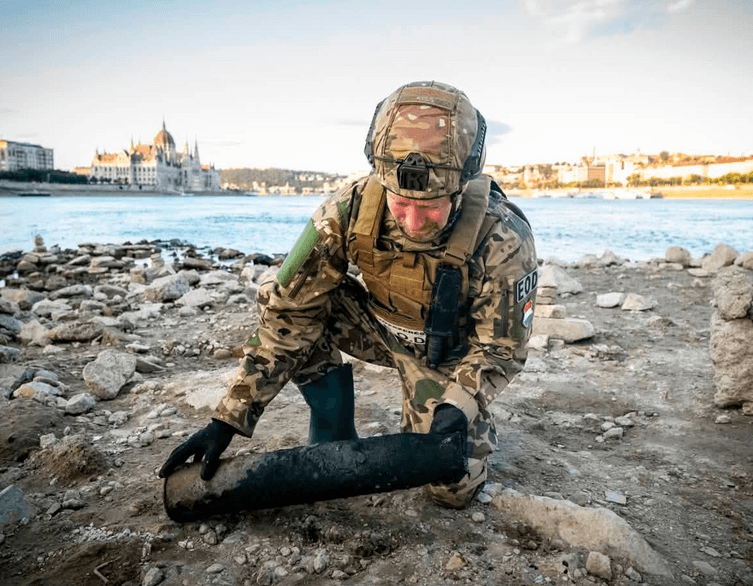
Why Budapest’s Danube Is Suddenly Giving Up Its Secrets — And Why You Shouldn’t Touch Them
If you’ve strolled along the Danube embankment near Margaret Bridge this summer, you may have noticed something odd: wide stretches of riverbed...

Cruise along the Danube to Discover a New Face of Budapest!
There’s no better way to fall in love with Budapest than from the deck of a boat, watching the city’s golden lights spill across the...

Best Budapest Fireworks Cruises for August 20th in 2025: Your Ultimate Guide to St. Stephen’s Day Celebration
Planning a visit to Budapest in August? You’re in for an incredible treat! August 20th marks St. Stephen’s Day, Hungary’s most...