The Danube Just Hit Its Lowest Water Level Ever Recorded in Budapest
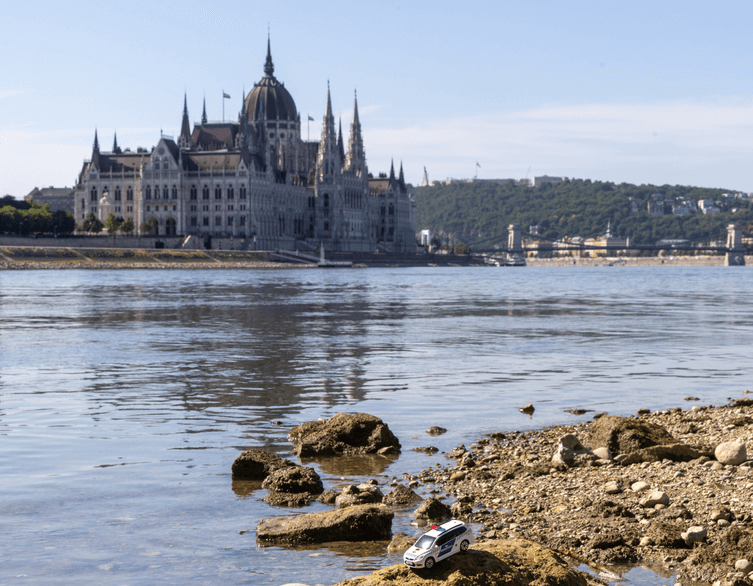
If you’re strolling along the Danube this week, you might notice something unusual: the river looks strikingly low, almost dramatically so. That’s not your imagination. On Tuesday morning, Budapest recorded the lowest Danube water level ever measured, with the gauge showing just 31 centimeters, breaking the previous record of 33 centimeters set back in October 2018.
This isn’t a one-day fluke. Hungary’s rivers, the Danube included, have been dropping steadily for weeks, largely because neither Hungary nor the countries feeding the river’s watershed upstream have seen meaningful rainfall, and forecasts suggest that pattern isn’t changing anytime soon. Back on July 16, the water level came close to a record low at around 6 centimeters above the previous mark, then ticked up slightly, only to start falling again almost immediately. By Tuesday at 10 a.m., the level had dropped to a new historic low, and further declines are expected in the coming days, a situation likely to worsen given the Level 3 heat alert now in effect across the entire country starting Thursday.
Why This Matters Beyond the Numbers
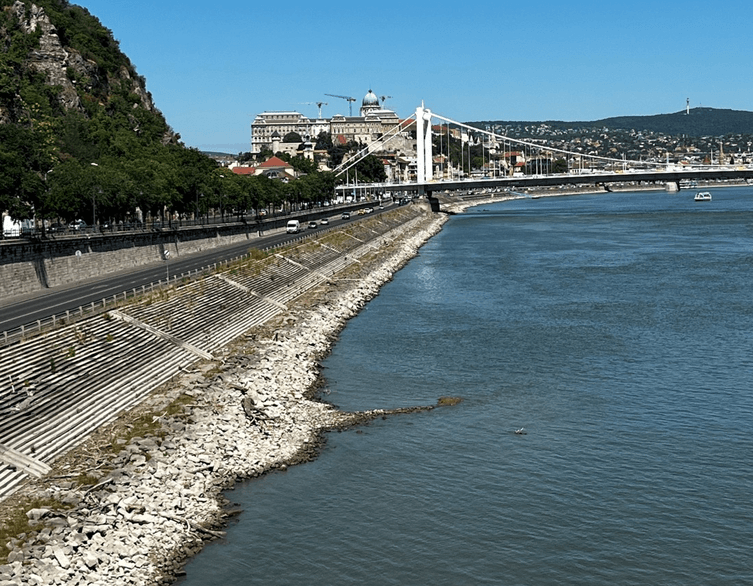
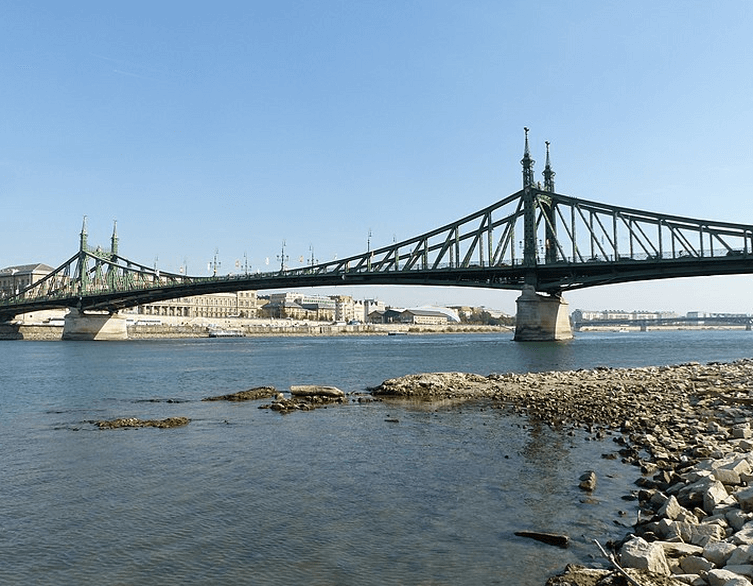
For visitors expecting the wide, majestic Danube they’ve seen in postcards, the current view might come as a surprise. Riverside promenades, boat docks, and the famous embankments near the Chain Bridge and Parliament all look noticeably different with the water pulled back this far. It’s a rare, almost unsettling sight for a river that defines Budapest’s entire skyline and identity.
But the dropping water levels are revealing something far more fascinating than just an empty riverbed. As the Danube recedes, it’s uncovering decades of hidden history, quite literally pulling the past up from underwater.
Wartime Relics and Sunken Ships Resurface
Across the region, the shrinking river has exposed a startling number of World War II-era wrecks, unexploded ordnance, and archaeological finds that had been submerged for generations. Near Margaret Island, right in the heart of Budapest, crews recently recovered leftover ammunition from the war. Further downstream near Százhalombatta, authorities found 27 unexploded devices in a single month alone.
Best deals of Budapest







The phenomenon isn’t limited to Hungary. Along the Croatian stretch of the Danube, a ship that sank nearly ninety years ago has become visible again for the first time in decades. Within Hungary, the list of resurfacing history keeps growing: a World War II-era concrete ship near Ásványráró, a suspected Soviet-era wreck near Nagybajcs, and the remains of a tugboat that struck a mine near Komárom. Near Mohács, several sunken vessels have resurfaced, while in Érd, old coins and other archaeological artifacts have been emerging from the exposed riverbed.
What This Means If You’re Visiting Budapest Right Now
For tourists, this is genuinely one of those rare, once-in-a-lifetime moments to witness a famous European river behaving in a way it never has in recorded history. Walking along the Danube embankment right now offers a strange but memorable experience, seeing sandbanks, exposed riverbed, and structures normally hidden beneath the current.
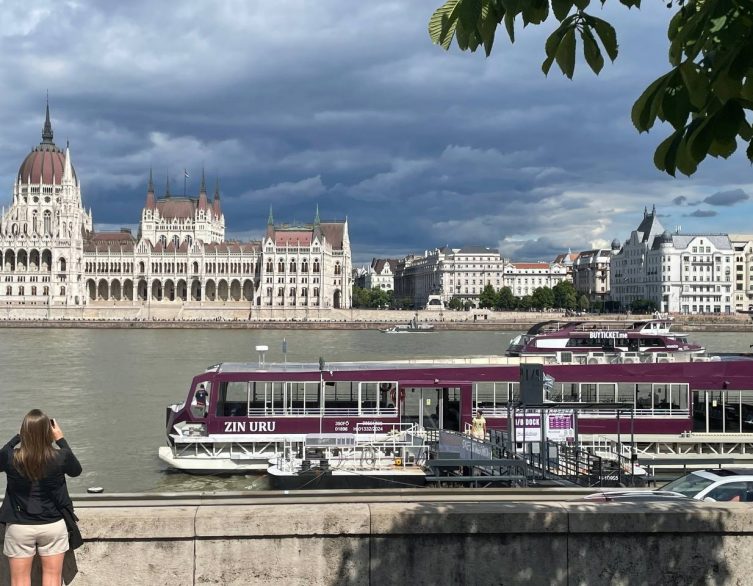
That said, a word of caution is worth mentioning here. With unexploded wartime ordnance surfacing in various spots along the river, it’s best to admire the phenomenon from designated paths and viewpoints rather than wandering onto newly exposed riverbanks or sandbars, especially outside the city center. Sightseeing boats and river cruises may also see some schedule or route adjustments due to the shallow water, so it’s worth double-checking with operators like Legenda or Silverline before booking a Danube cruise this week.
Combined with the incoming heat wave, this is shaping up to be a summer Budapest will remember for a while, one where the city’s most iconic natural landmark is quite literally showing its age, and its history, in ways nobody expected to see.
Related news

Two and a Half Nuclear Plants Are Hiding on Budapest’s Roof
Here’s a fun thought experiment for your next visit to Budapest: nobody in their right mind is proposing to build a nuclear reactor in the...
Why Budapest Is Asking Everyone, Tourists Included, to Go Easy on the Water
Budapest is in the middle of one of the driest, most water-stressed summers anyone can remember, and the Danube itself is the clearest evidence of...
Danube Water Levels Are Slowly Rising in Budapest
If you’ve strolled along the Danube embankment in Budapest recently, you may have noticed something unusual: the riverbanks look wider, the...
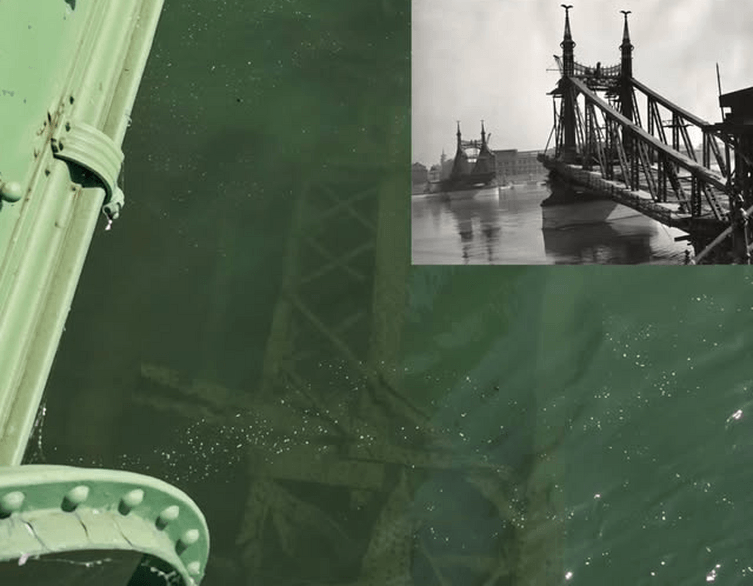
Take Only Photos: The Sunken Ghost Bridge Reappearing in the Danube
Budapest’s Danube is running so low this summer that it’s giving up one of its best-kept secrets: the skeletal remains of a bridge that...
Budapest’s Ornamental Lights Will Be Shut Down
If you’re planning a trip to Budapest in the coming days, you might notice something unusual after sunset: the glowing facades of the Hungarian...

Why Budapest’s Danube Is Suddenly Giving Up Its Secrets — And Why You Shouldn’t Touch Them
If you’ve strolled along the Danube embankment near Margaret Bridge this summer, you may have noticed something odd: wide stretches of riverbed...
The Danube’s Historic Low Water Levels in Budapest
If you’re visiting Budapest, you’ll notice something unusual along the riverbanks — the Danube has dropped to some of its lowest levels...
Cruise along the Danube to Discover a New Face of Budapest!
There’s no better way to fall in love with Budapest than from the deck of a boat, watching the city’s golden lights spill across the...

Swimming in the Danube Is Back — and Budapest Can’t Get Enough of It
There’s something wonderfully romantic about the idea of swimming in the Danube as it flows through the heart of Budapest. For much of the...
Budapest’s Danube Promenade Goes Car-Free on Weekday Evenings
If you’re planning a visit to Budapest this summer, there’s one change to the city that’s going to make your evenings along the...