Dog Walking in Budapest’s Nature Reserves: How to Explore Responsibly
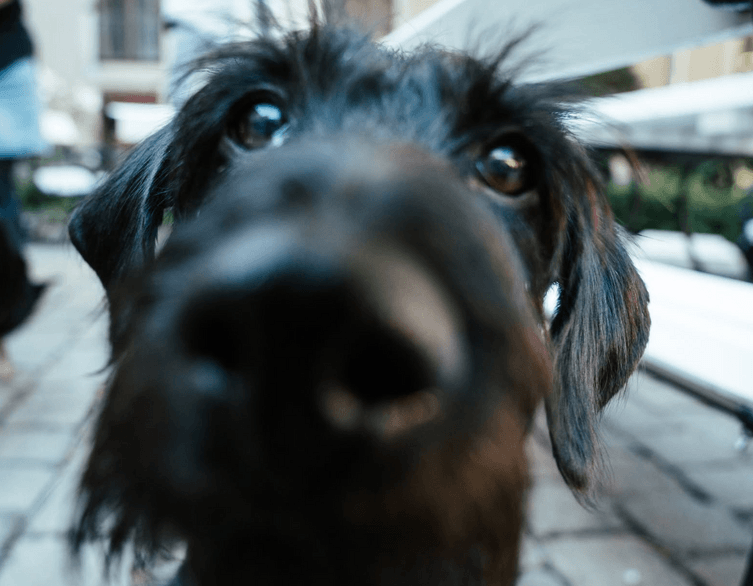
A walk in nature can be one of the loveliest ways to slow down during a Budapest city break, especially if you’re travelling with your dog. There’s fresh air, a change of scenery and, for your four-legged companion, an irresistible world of unfamiliar smells. But while you’re enjoying a peaceful escape, the animals living around you may be having a very different experience.
That contrast is the focus of a recent We Love Dogz podcast featuring Kinga Bata, a nature conservation specialist at Budapest’s Mayor’s Office and a member of the LIFE Biodiverse City project team, alongside wildlife biologist Dr Sándor Csányi. Their conversation explores the often invisible “ecological pawprint” dogs leave behind—and why responsible dog walking matters even when your pet seems perfectly well behaved.
For visitors exploring Budapest with a dog, the message isn’t to avoid nature. It’s to enjoy it with a little more awareness of whose home you’re walking through.
Why a Friendly Dog Can Still Disturb Wildlife
“My dog would never hurt anything” is an understandable response to concerns about wildlife. Yet a dog doesn’t have to chase a bird or corner a small animal to cause a disturbance.
To wildlife, a dog’s presence and scent can signal a predator nearby. Animals may move away, change their behaviour or avoid places where dogs are regularly walked. Scent traces can continue to affect them even after the dog and its owner have left. Research reviewed by Curtin University highlights these less obvious effects alongside the more visible risks of chasing and direct attacks.
Best deals of Budapest









This helps explain why letting a dog wander through a meadow isn’t quite as harmless as it might look. What feels like a quiet stroll to you can interrupt feeding, resting or caring for young. As the podcast discussion emphasises, repeated disturbance is particularly concerning during nesting and breeding seasons.
Keeping your dog on a leash makes its movements more predictable and helps prevent it from straying into wildlife habitat. It doesn’t remove every possible impact, but it is an important part of sharing natural spaces responsibly.
Budapest’s Green Spaces Are More Than Places to Walk
Beyond the city’s famous buildings and busy streets, Budapest also contains natural habitats that need careful protection. The LIFE Biodiverse City project focuses on restoring habitats at the Mocsáros wetlands, the Tétény Plateau and the Kőérberek–Őrmező grasslands. These areas are part of an effort to improve urban biodiversity through habitat restoration, water retention and the revival of traditional land-management practices.
For a visitor, an open grassy area might look like an inviting place to let a dog run. For conservationists, that same patch of land may be a valuable habitat undergoing restoration. The absence of fences, flower beds or neatly maintained paths doesn’t make it an outdoor dog park.
That distinction matters when you’re exploring somewhere unfamiliar. Before entering a natural area with your dog, check the signs at the entrance and follow any access restrictions. A leash is not a substitute for permission to enter a place where dogs are excluded.
Why Picking Up After Your Dog Protects More Than Your Shoes
Picking up dog waste is usually presented as a matter of courtesy. In a nature reserve, it’s also a matter of ecology.
Research in nature reserves near the Belgian city of Ghent found that dog faeces and urine added substantial amounts of nitrogen and phosphorus to the soil. Although extra nutrients might sound beneficial, they can favour fast-growing, nutrient-loving plants that crowd out species adapted to less fertile conditions, reducing biodiversity.
In other words, leaving dog waste behind isn’t simply “returning something natural to nature”. It changes the conditions in which plants grow. The same study found that collecting faeces greatly reduced the phosphorus input associated with dog walking, demonstrating why this small habit makes a meaningful difference.
Bring bags, pick up after your dog even when you’re away from a busy path, and take the waste with you until you reach a suitable bin. A quiet corner of a meadow deserves the same care as a city pavement.
Stay on the Path and Let Wildlife Keep Its Distance
Responsible dog walking is also about where those paws—and your own feet—go. As the podcast discussion points out, trampled vegetation and disturbed soil can damage sensitive habitats. Staying on established routes helps avoid adding unnecessary pressure to the places you’ve come to enjoy.
Keep your dog close rather than allowing it to investigate dense vegetation, wetland edges or places where birds and other animals might be sheltering. If you notice wildlife, pause at a distance and give it space instead of moving closer for a photograph.
For an energetic dog, a designated off-leash exercise area is a better setting for free running than a sensitive natural habitat. Researchers studying the ecological effects of dog walking have specifically recommended providing more off-leash dog parks to reduce pressure on nature reserves.
A nature walk can still be rewarding without becoming a race across the landscape. There is plenty for a dog to discover at your side.
A More Thoughtful Way to Explore Budapest with Your Dog
The appeal of taking your dog into nature is easy to understand. It gives both of you a break from the city and turns an ordinary walk into a shared adventure. The important thing is to recognise that the landscape isn’t empty: other animals are feeding, hiding, nesting and raising their young there.
Budapest’s habitat-restoration work shows that nature conservation happens within the city, not just in distant national parks. At places such as the Mocsáros wetlands, the Tétény Plateau and the Kőérberek–Őrmező grasslands, everyday visitor behaviour can support—or undermine—the work being done to protect these habitats.
Keep your dog close, respect local signs, stay on established paths and leave no waste behind. These are modest adjustments, but they allow you to enjoy Budapest’s greener side while giving its wild residents the space they need.
Related news
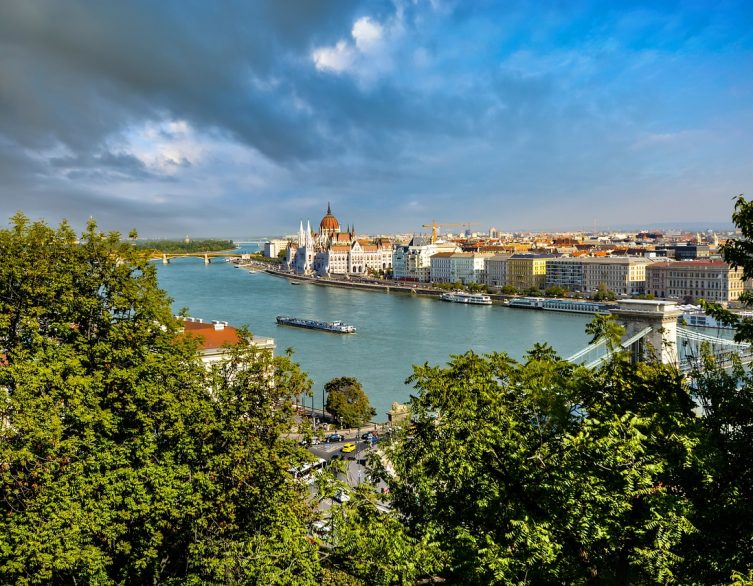
Budapest’s Best Autumn Views in 2026
Budapest rewards anyone willing to change perspective. Climb above its rooftops, wander along the Danube or follow a woodland path into the Buda...
Black Dog Day in Budapest: Look Beyond the Fur
A black dog can be a challenge to photograph. In one picture, you see a pair of bright eyes floating in a dark cloud. In the next, the dog has vanished...
Traveling to Budapest with a Dog? Here’s Some Very Good News
Budapest has quietly become one of Europe’s most dog-friendly capitals, and one district is taking that reputation to a whole new level. If...
New Dog Park Opens Next to Athletics Stadium in Budapest – Harp Playing Allowed!
A Modern Oasis for Canine Companions A spacious and modern dog park has recently opened in Budapest’s 9th district, adjacent to the National...
Budapest Introduces Free Dog and Bicycle Transportation on Public Transport for Pass Holders
In a move that is sure to delight pet owners and cycling enthusiasts alike, Budapest has announced a new rule that will allow pass holders to travel...