Budapest’s Magical Danube Mayfly Bloom: A Rare Summer Spectacle Worth Catching

If you happen to be strolling along the Danube in Budapest during the first weeks of August, you might witness one of nature’s most delicate and short-lived phenomena: the mass hatching of the Danube mayfly, locally known as the dunavirág or “Danube flower.” This isn’t something you’ll find in most guidebooks, but for anyone who loves a genuinely unique, off-the-beaten-path experience, it’s absolutely worth an evening walk along the riverbank.
What Exactly Is the Dunavirág?
The dunavirág is a small, delicate white mayfly, measuring only about three centimeters, and it’s a slightly less flashy cousin of the more famous Tisza mayfly (known for the legendary “Tisza flower” bloom). Unlike its larger relative, which swarms in daylight, the Danube mayfly performs its dance at dusk and into the night, making for an especially atmospheric scene along the river. This little insect is a protected species in Hungary, carrying an official conservation value of 10,000 forints, which underscores just how ecologically significant this fleeting event really is.
The insects live for only about 24 hours as adults, and that entire lifespan is dedicated to one final, frantic purpose: mating and laying eggs before they die. Locals sometimes describe the aftermath as looking like fallen cherry blossoms, since the mayflies’ bodies can blanket the pavement in astonishing numbers near bright streetlights.
Why This Year’s Bloom Is Especially Notable
Normally, the Danube mayfly swarm begins in early to mid-August, but warm weather has been nudging the timing earlier in recent years, and 2026 is no exception. Enthusiasts and nature photographers spotted the insects swarming near Budapest’s bridges as early as August 2 and 3 this year, considerably ahead of the typical schedule. One walker described encountering thousands of mayflies dancing in the streetlights near the Pest side of the Elizabeth Bridge (Erzsébet híd) on August 3, while curiously very few appeared on the Buda side that same evening, suggesting the insects were swarming more heavily over the river itself there.
Best deals of Budapest








Beyond Budapest, members of a dedicated Facebook group called Dunavirágzás (Danube Flower Bloom) have also documented sightings further upstream near Dunakeszi, where photographers spent three consecutive evenings tracking down the best vantage points before catching the densest swarm around 9 p.m.
Why Ecologists Are Celebrating
Here’s the genuinely heartening part of the story: the return of these mayflies in such large numbers is a strong signal that the Danube’s water is clean and rich in oxygen, even during the current record-low water levels the river has been experiencing. Mayflies are notoriously sensitive to pollution, so a thriving population is essentially nature’s own water quality report, and this year’s numbers suggest the river running through the Hungarian capital is in genuinely good health.
Where to See It in Budapest
If you want to catch the swarm yourself, timing and location both matter. Head down to the Danube embankment after dark during the first couple of weeks of August, focusing on the northern and inner-city stretches of the river. Confirmed sighting spots this year include the base of Margaret Bridge (Margit híd) near Batthyány Square, the Árpád Bridge, and the Pest-side approach to the Elizabeth Bridge, though enthusiasts have reported the phenomenon popping up along essentially the entire length of the river through the city. Scientists expect the bloom to continue for several more weeks this season, so there’s a reasonably wide window to plan an evening walk around it.
How the City Protects the Mayflies
Because artificial lighting is so attractive to these insects, streetlights and bridge lighting can actually lure mayflies away from the water and toward disastrous mass deaths on the roads and pavements. To prevent this, conservationists have installed special blue “light barrier” fixtures on certain bridges, including the Árpád Bridge in Budapest and the Tildy Zoltán Bridge in nearby Tahitótfalu. These blue lights are specifically designed to keep the insects hovering over the water, encouraging them to lay their eggs in the river rather than getting stranded and dying uselessly on the asphalt.
A Small Moment of Wonder in a Busy City
For visitors used to associating Budapest with grand landmarks like Buda Castle, the Chain Bridge, or the Hungarian Parliament Building, the Danube mayfly bloom offers something quieter and more intimate: a genuine, unscripted encounter with wild nature happening right in the middle of a major European capital. It’s the kind of experience that rewards curiosity and a willingness to wander the riverside after sunset rather than rushing between the usual tourist stops. Given how ecologically fragile and fleeting this event is, catching it feels a little like being let in on one of the city’s best-kept natural secrets.
Related news
Budapest Is Finally Becoming a Bathing City on the Danube — Here’s Where to Swim
Ask a first-time visitor to Budapest what the Danube is for, and they’ll probably say “photos.” Bridges, boat cruises, the Parliament...
Why Budapest Is Asking Everyone, Tourists Included, to Go Easy on the Water
Budapest is in the middle of one of the driest, most water-stressed summers anyone can remember, and the Danube itself is the clearest evidence of...

Cleanup Crews Race to Clear Debris From the Shrinking Danube
Budapest’s water authorities have launched a large-scale operation to remove decades of accumulated waste and wreckage from the exposed bed...
When the Titanic Kept Playing, Budapest Started Dancing
There’s an old story about the Titanic: as the ship went down, the band kept playing, and some passengers reportedly joked about chipping ice...

Swimming in the Danube: What Every Visitor to Budapest Should Know Before Jumping In
Budapest is in the grip of a brutal heatwave this summer, and with the Danube’s water level dropping to record lows, the temptation to cool...

Why Budapest’s Famous Landmarks Are Staying Dark This Summer
If you’ve strolled along the Danube after sunset recently and noticed that the Hungarian Parliament Building, Buda Castle, and the Chain Bridge...

What’s On in Budapest This Weekend (August 7-9): The Best Outdoor Events
If you’re spending this weekend in Budapest, you’ve timed your trip beautifully. Between Friday evening and Sunday night, the Hungarian...
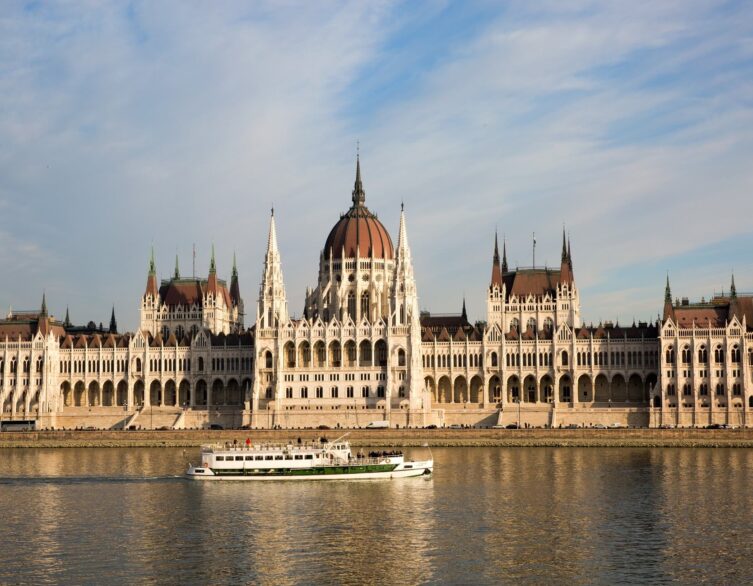
Danube Water Levels Are Slowly Rising in Budapest
If you’ve strolled along the Danube embankment in Budapest recently, you may have noticed something unusual: the riverbanks look wider, the...
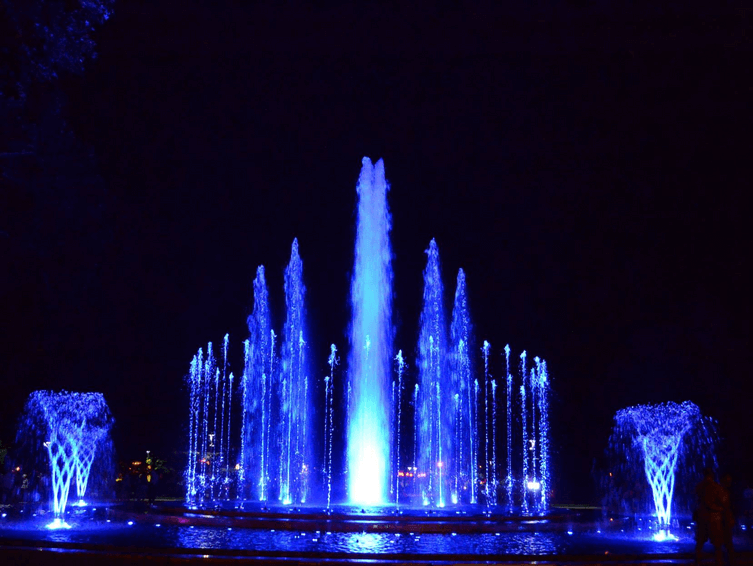
Breaking! – The Musical Fountain of Margaret Island Will be Shut Down Tonight
One of the city’s most beloved free attractions is going to be shut down tonight! The iconic Musical Fountain of Margaret Island began its 2026...
Lights Down, Spirits Up: How Budapest and Hungary Are Conserving Energy Together
If you’ve noticed that a few of Budapest’s famously glittering landmarks look a touch less dazzling after dark this summer, or that your...

Take Only Photos: The Sunken Ghost Bridge Reappearing in the Danube
Budapest’s Danube is running so low this summer that it’s giving up one of its best-kept secrets: the skeletal remains of a bridge that...

Why Budapest’s Danube Is Suddenly Giving Up Its Secrets — And Why You Shouldn’t Touch Them
If you’ve strolled along the Danube embankment near Margaret Bridge this summer, you may have noticed something odd: wide stretches of riverbed...
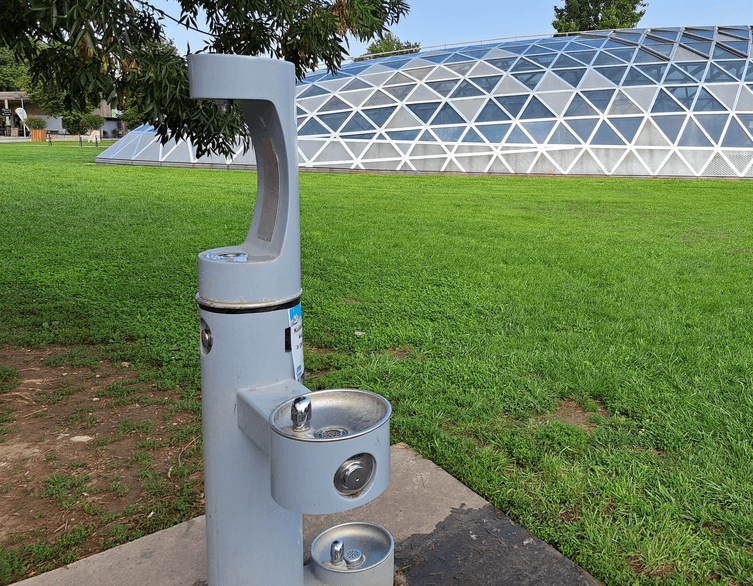
Stay Hydrated in Budapest: Free Drinking Water Fountains You Need to Know About
Budapest is a city made for exploring on foot. From the cobblestone streets of the Castle District to the buzzing ruin bars of the Jewish Quarter,...