Budapest’s Tap Water Stays Safe Despite Record-Low Danube Levels
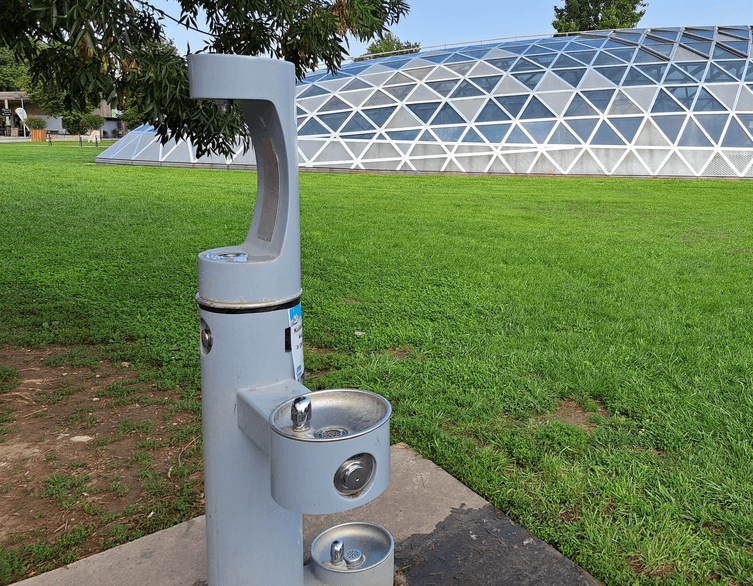
If you’re visiting Budapest this summer and wondering whether it’s still fine to fill up your water bottle from the tap, the answer is a reassuring yes. Despite the Danube hitting historically low water levels, the city’s drinking water supply remains stable, safe, and fully operational, according to Fővárosi Vízművek, Budapest’s municipal waterworks company. Budapest is dotted with public drinking fountains that provide fresh tap water free of charge, and you can locate the nearest one through the city’s public water fountain database or directly within the BudapestGO app, which most visitors already use for navigating the metro, tram, and bus network.
Why an Almost-Dry River Doesn’t Mean Dry Taps
It might seem counterintuitive that a river running unusually low could have zero effect on the water coming out of your hotel bathroom sink, but the explanation lies beneath the riverbed rather than on its surface. Géza Csörnyei, the general director of Fővárosi Vízművek, recently explained in a public video alongside Budapest’s mayor, Gergely Karácsony, that a massive gravel layer stretches underneath the Danube, in some places 40 to 60 meters deep. This gravel was carried down from the Alps over thousands of years and is the very same material that forms the foundation of Szentendre Island, Margaret Island, and Csepel Island.
Csörnyei describes this underground gravel bed as an “invisible river,” one that keeps flowing with enormous volumes of water even when the visible river above it looks worryingly shallow. Budapest’s water utility draws on this bank-filtered water source to supply the city, meaning the taps you use as a tourist are pulling from a reservoir that isn’t directly tied to how the Danube looks from a bridge or riverside terrace. Csörnyei put it simply: the gravel bed holds many cubic kilometers of water, so even well below the visible surface, the city’s reserves run deep.
Years of Infrastructure Work Are Paying Off
Beyond the natural geology, deliberate infrastructure investment plays a big role in why Budapest’s water system is holding steady through this dry spell. The city’s water network is continuously monitored and well maintained, and in the early 2020s, an EU-funded infrastructure project completely renovated sixty wells across the system. That investment is now proving its worth, serving as a critical safety buffer precisely during a period of drought and record-low river levels.
Best deals of Budapest








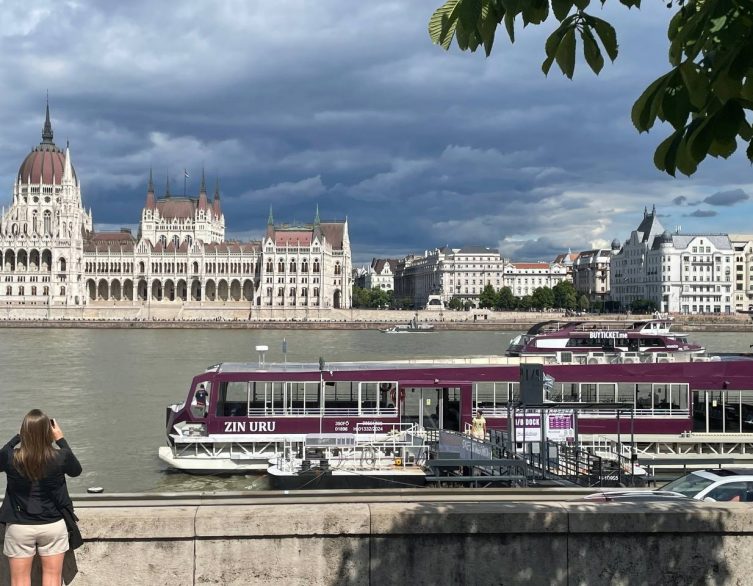
City officials have been candid that this kind of extreme heat and dry weather is no longer an unusual event but the new normal for the region. While Budapest’s water supply remains stable for now, officials are also framing this as a long-term challenge, one that requires ongoing investment to keep the city resilient and livable as climate patterns continue shifting.
A Quick Reassurance for Travelers
For anyone visiting Hungary’s capital, this is genuinely good news. Budapest’s tap water is among the best-tasting and most rigorously tested in Central Europe, drawn from bank-filtered wells rather than directly from the river, and it easily meets EU drinking water standards. There’s no need to stock up on bottled water out of safety concerns. You can refill a reusable bottle at public drinking fountains scattered around parks and squares across the city, or ask most cafés and restaurants to top it up for you. If you want tap water at a restaurant rather than the bottled water that’s typically served by default, just ask for “csapvíz,” pronounced roughly as “chop-veez.”
Small Habits That Make a Real Difference
Even though Budapest’s supply is secure, water conservation is still being actively encouraged citywide, and it’s an easy way for visitors to travel a little more responsibly during their stay. The logic is straightforward: treating, pumping, and delivering drinking water takes energy, so every cubic meter of water saved translates to roughly one kilowatt-hour of energy not spent.
A few simple habits go a long way without sacrificing comfort. If you’re staying in an apartment rental with laundry facilities, running the washing machine only with a full load cuts down on wasted cycles. Turning off the tap while brushing your teeth, rather than letting it run, saves several liters each time without any real inconvenience. If your accommodation has a dripping faucet or a leaking toilet tank, mentioning it to the host or hotel staff helps stop water loss that often goes unnoticed for long stretches. And if you pour yourself a glass of tap water that turns out too warm or simply goes unfinished, consider using the leftover water for a nearby plant rather than tipping it straight down the drain.
None of this asks tourists to sacrifice convenience. It’s more about small, mindful adjustments that, multiplied across a city welcoming millions of visitors each year, add up to a meaningful difference in how sustainably Budapest manages its water resources during an increasingly hot and dry summer season.
Related news
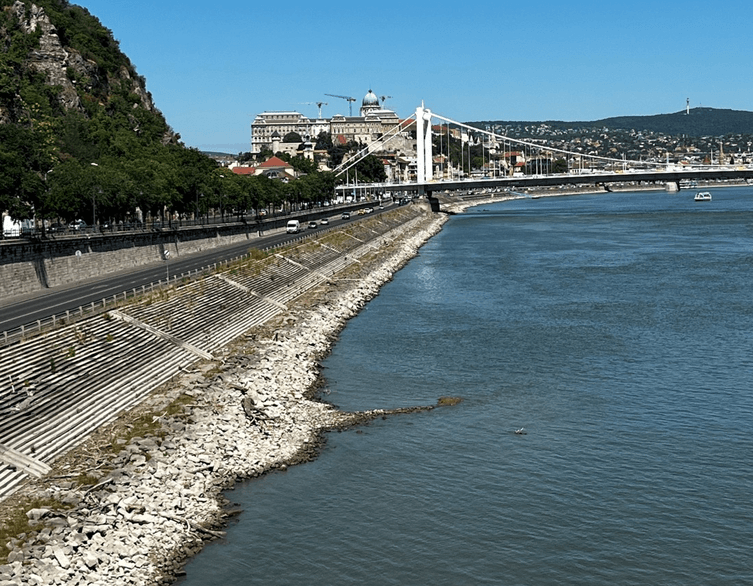
Why Budapest Is Asking Everyone, Tourists Included, to Go Easy on the Water
Budapest is in the middle of one of the driest, most water-stressed summers anyone can remember, and the Danube itself is the clearest evidence of...
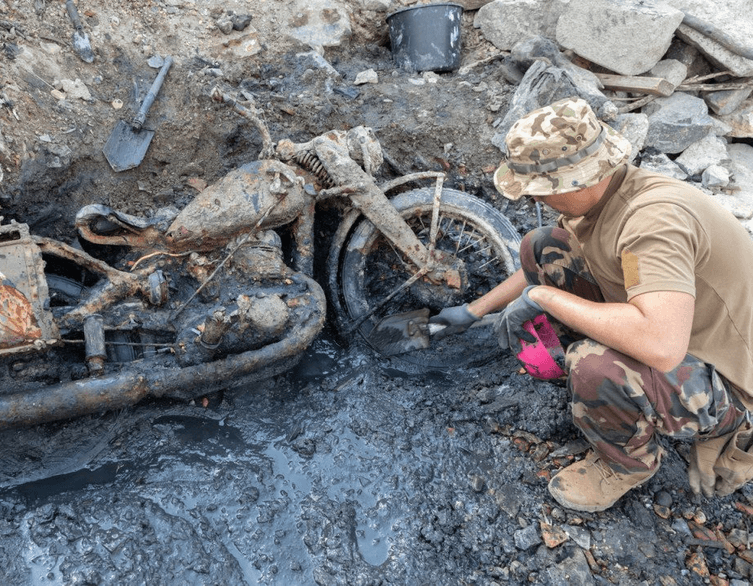
Cleanup Crews Race to Clear Debris From the Shrinking Danube
Budapest’s water authorities have launched a large-scale operation to remove decades of accumulated waste and wreckage from the exposed bed...

Swimming in the Danube: What Every Visitor to Budapest Should Know Before Jumping In
Budapest is in the grip of a brutal heatwave this summer, and with the Danube’s water level dropping to record lows, the temptation to cool...

Why Budapest’s Famous Landmarks Are Staying Dark This Summer
If you’ve strolled along the Danube after sunset recently and noticed that the Hungarian Parliament Building, Buda Castle, and the Chain Bridge...
The Danube Just Gave Up a Piece of World War II History in the Heart of Budapest
Budapest’s mighty river has always had a habit of keeping secrets, but this summer it decided to share one. As the Danube dropped to a record-low...

Budapest Heatwave Guide: How to Stay Safe as the Alert Level Eases
If you’re packing your bags for Budapest this month, there’s some good news mixed in with a reminder to stay alert: Hungarian health...
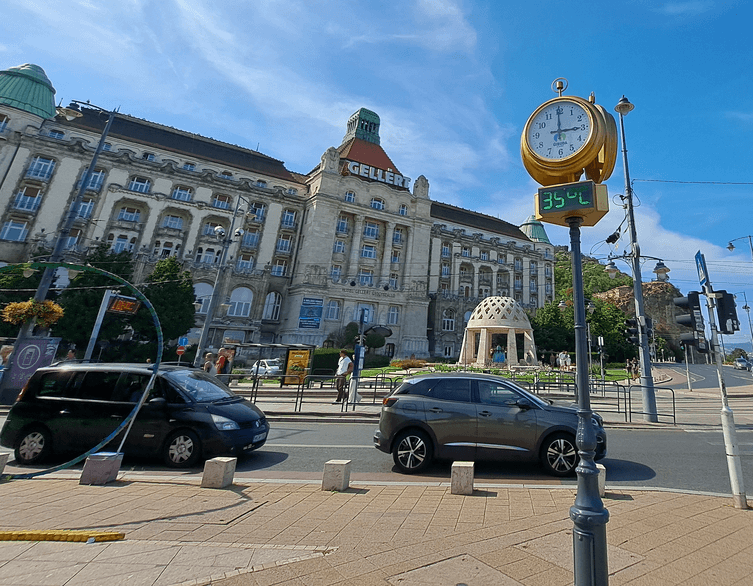
Extreme Heat Alert Extended in Budapest: What Every Visitor Needs to Know
Hungary’s Chief Medical Officer has extended the country’s highest-level heat alert, Level 3, keeping it in force across the entire nation...
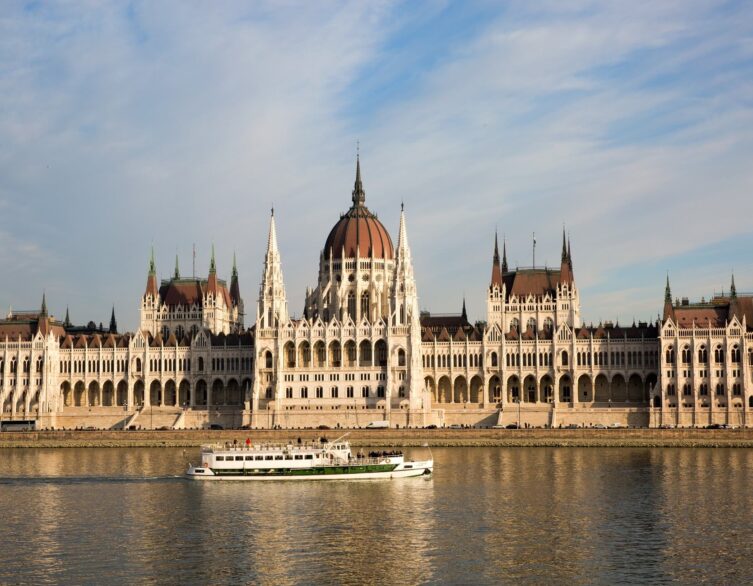
Danube Water Levels Are Slowly Rising in Budapest
If you’ve strolled along the Danube embankment in Budapest recently, you may have noticed something unusual: the riverbanks look wider, the...
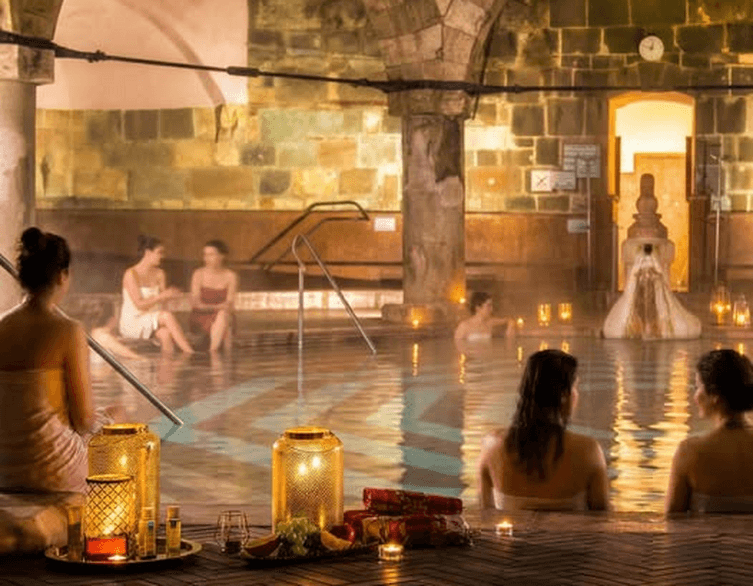
Budapest’s Baths Adjust Hours as Heatwave and Historic Drought Strain the Power Grid
If a Budapest thermal bath visit is on your itinerary this week, you’ll want to know that the city’s spa operator has just rolled out...

Beat the Heat: Your Guide to Staying Cool in Budapest’s City Park
When the pavement starts radiating heat and the sun feels relentless, Budapest’s City Park, known locally as Városliget, turns into one of...
Budapest Level 3 Heat Alert: How To Prepare and Stay Safe
If you’re planning to explore Budapest between July 30 and August 4, 2026, there’s something important you should know before packing...
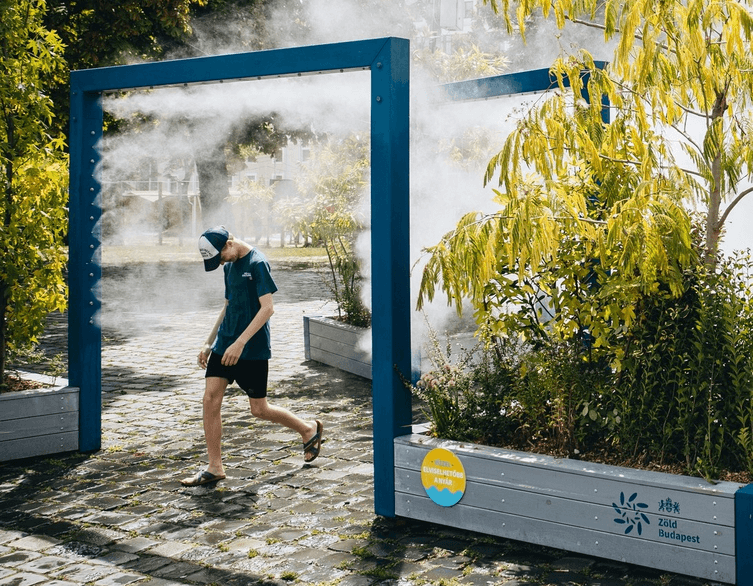
Beating the Budapest Heat: Mist Gates Are Your Friend, Fountains Are Not
When Budapest’s summer temperatures climb toward the 35°C to 40°C range (95°F to 104°F), the city doesn’t just leave you to fend...
Stay Hydrated in Budapest: Free Drinking Water Fountains You Need to Know About
Budapest is a city made for exploring on foot. From the cobblestone streets of the Castle District to the buzzing ruin bars of the Jewish Quarter,...