Extreme Heat Alert Extended in Budapest: What Every Visitor Needs to Know
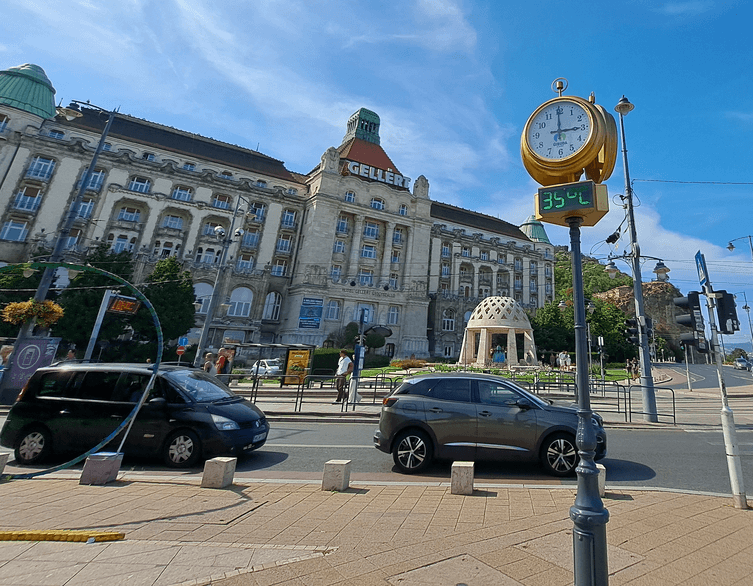
Hungary’s Chief Medical Officer has extended the country’s highest-level heat alert, Level 3, keeping it in force across the entire nation until midnight on Friday, August 7, 2026, which means anyone visiting Budapest this week should build a few smart habits into their sightseeing plans. The soaring temperatures are more than just uncomfortable; they pose real health risks, so a little preparation goes a long way toward keeping your trip enjoyable rather than exhausting.
Why This Heat Wave Is a Big Deal
The alert was originally set to expire at midnight on Tuesday, August 4, but forecasters at HungaroMet flagged that the punishing heat would persist, prompting officials to push the warning three additional days. Even Friday’s incoming cold front, which is expected to bring the temperature down by seven or eight degrees, will only take the mercury to around 30°C, and forecasters warn that a fresh round of warming looks likely to arrive again by Sunday. In other words, this isn’t a one-day scorcher tourists can simply wait out; it’s a sustained stretch of intense heat that calls for ongoing caution throughout your stay.
Who Needs to Be Extra Careful
Health authorities have singled out several groups as particularly vulnerable during this stretch of extreme temperatures: older adults, small children, pregnant women, people with chronic cardiovascular, respiratory, or metabolic conditions, and anyone working outdoors. If you’re traveling with elderly relatives or young kids, it’s worth checking in on them more frequently than usual, since thirst signals can be delayed in older adults, quietly raising their risk of dehydration. The prolonged heat strains everyone’s body to some degree, so even fit, healthy travelers should take the warnings seriously rather than pushing through discomfort to squeeze in one more attraction.
Staying Hydrated Around the City
The single most important piece of advice from health officials is simple: drink water regularly throughout the day, rather than waiting until you feel thirsty. Sugary soft drinks, alcohol, and excessive caffeine actually accelerate fluid loss, so plain water should be your default choice while exploring Budapest in this weather.
Fortunately, the city makes this easy. Budapest is dotted with public drinking fountains that provide fresh tap water free of charge, and you can locate the nearest one through the city’s public water fountain database or directly within the BudapestGO app, which most visitors already use for navigating the metro, tram, and bus network. Carrying a refillable water bottle and topping it up at these fountains as you move between sights like Buda Castle, the Chain Bridge, or Andrássy Avenue is both economical and genuinely necessary in this heat.
Timing Your Sightseeing Right
The most punishing window falls between roughly 11 a.m. and 3 or 4 p.m., and experts recommend avoiding prolonged sun exposure and strenuous physical activity during those hours. A smarter rhythm for a Budapest summer day looks something like this: start sightseeing early in the morning while the light is soft and the streets are quiet, retreat somewhere cool or shaded during the midday peak, then re-emerge in the early evening when the city genuinely comes back to life along the Danube promenade and in the buzzing courtyard bars of the Jewish Quarter.
If you do need to be outside during peak hours, wear light-colored, breathable clothing, a wide-brimmed hat, and sunglasses, and apply a high-SPF sunscreen, reapplying every couple of hours, especially near the river or aboard a sightseeing boat where shade is scarce.
Best deals of Budapest







Where to Cool Down
Budapest’s famous thermal baths, like Széchenyi or Rudas, are an obvious refuge, but the city also offers air-conditioned museums, libraries, and community spaces that double as informal cooling shelters during heat emergencies, with Budapest locations included in that listing starting from page 16. The city’s disaster management authority maintains a public list of air-conditioned venues that anyone can use to escape the worst of the afternoon heat. Misting stations, known locally as párakapu, have also become a familiar sight in busy squares and transit hubs, offering a quick blast of cool relief as you pass through.
Swimming is another popular way to beat the heat, but stick to designated swimming areas and proper pools or lidos rather than jumping into the Danube itself, and never dive in while overheated; ease your body into cooler water gradually to avoid shock.
Warning Signs to Watch For
It’s worth knowing the symptoms of heat exhaustion and heatstroke before you head out for the day: headache, dizziness, weakness, confusion, nausea, muscle cramps, or fainting. If you or someone nearby experiences these symptoms, move to a cool, shaded spot immediately, begin cooling the body down, and offer fluids if the person is alert enough to drink safely. If symptoms are severe or worsening, call 112, Hungary’s general emergency number.
One rule with zero exceptions: never leave children, elderly individuals, people with mobility issues, or pets inside a parked car, even briefly. Car interiors can reach life-threatening temperatures within minutes, even in shade or with a window cracked open. Anyone who spots this happening should call 112 right away.
A Few Extra Precautions
Because the dry heat has sharply increased wildfire risk, with disaster response teams responding to roughly a hundred outdoor fires a day recently across forests, fields, and grasslands, visitors should avoid any open flame outdoors, including discarding lit or smoldering cigarette butts. It’s also worth remembering not to leave flammable items like lighters or aerosol cans inside a car parked in direct sun.
For real-time updates on the heat alert and safety guidance throughout your stay, the free VÉSZ app from Hungary’s disaster management authority is a handy tool to have on your phone alongside BudapestGO.
Budapest in high summer is still a wonderful place to explore, with its riverside views, historic bridges, and lively courtyard bars, but a little planning around the hottest hours and consistent hydration will make the difference between a trip you remember fondly and one cut short by heat exhaustion.
Related news

Budapest in August: Your Guide to the City’s Best Family Events
August in Budapest is the sweet spot of the Hungarian summer — the Danube glows gold in the evenings, the Buda Castle district smells like fresh...

Budapest in August: The Ultimate Guide to Immersive Experiences You Can’t Miss
August in Budapest is a city firing on all cylinders. The Danube glows gold at sunset, the summer heat pushes everyone toward shaded courtyards and...
What’s On in Budapest This Weekend (August 7-9): The Best Outdoor Events
If you’re spending this weekend in Budapest, you’ve timed your trip beautifully. Between Friday evening and Sunday night, the Hungarian...
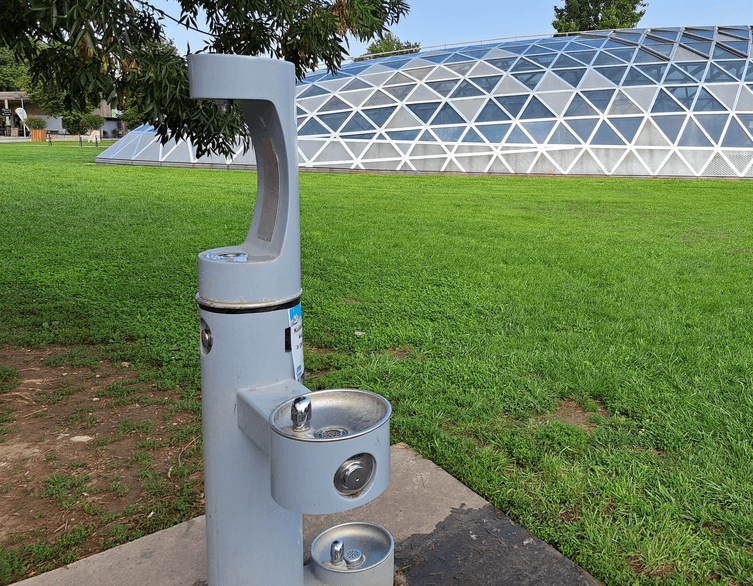
Budapest’s Tap Water Stays Safe Despite Record-Low Danube Levels
If you’re visiting Budapest this summer and wondering whether it’s still fine to fill up your water bottle from the tap, the answer is...
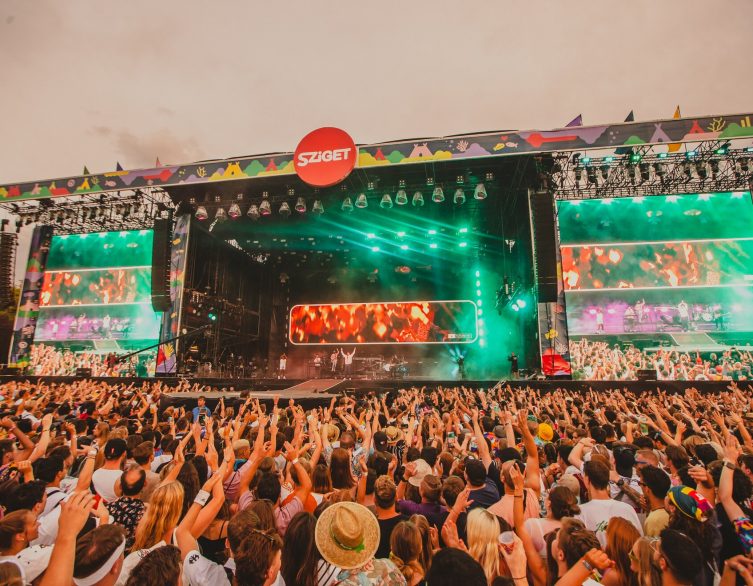
Staying Cool at Sziget Festival: How Budapest’s Biggest Event Handles the Summer Heat Alert
If you’re packing your bags for Sziget Festival this August, there’s one more thing worth knowing before you head to Óbudai (Óbuda)...
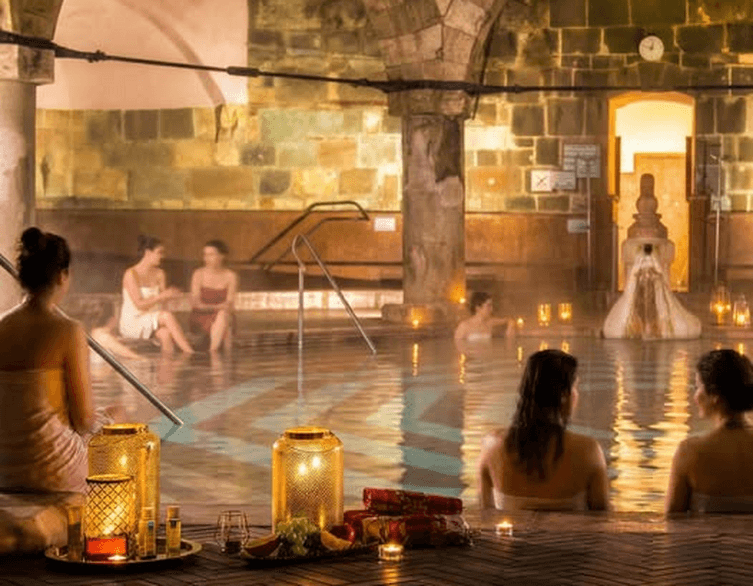
Budapest’s Baths Adjust Hours as Heatwave and Historic Drought Strain the Power Grid
If a Budapest thermal bath visit is on your itinerary this week, you’ll want to know that the city’s spa operator has just rolled out...

Beat the Heat: Your Guide to Staying Cool in Budapest’s City Park
When the pavement starts radiating heat and the sun feels relentless, Budapest’s City Park, known locally as Városliget, turns into one of...

Budapest Level 3 Heat Alert: How To Prepare and Stay Safe
If you’re planning to explore Budapest between July 30 and August 4, 2026, there’s something important you should know before packing...
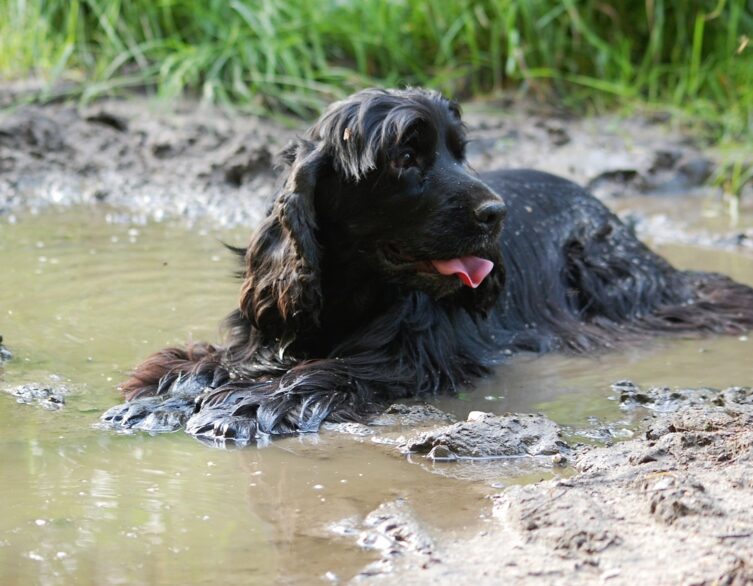
Traveling with Pets in Budapest? Here’s How to Protect Them From the Summer Heat
Budapest’s summer heatwaves aren’t just tough on tourists wandering between Buda Castle and the Danube promenade. They’re genuinely...
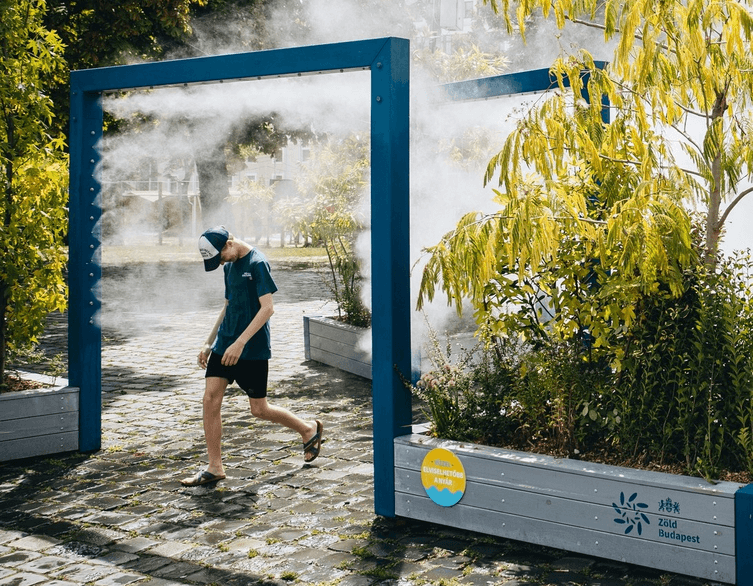
Beating the Budapest Heat: Mist Gates Are Your Friend, Fountains Are Not
When Budapest’s summer temperatures climb toward the 35°C to 40°C range (95°F to 104°F), the city doesn’t just leave you to fend...
Stay Hydrated in Budapest: Free Drinking Water Fountains You Need to Know About
Budapest is a city made for exploring on foot. From the cobblestone streets of the Castle District to the buzzing ruin bars of the Jewish Quarter,...