A Greener Budapest: How Trees, Rainwater and Healthier Soil Could Transform the City
A shady street can make all the difference when you’re exploring Budapest on a warm afternoon. But the capital’s trees and planted spaces do much more than offer a welcome break from the sunshine. They also help the city manage rainwater and cope with heat. Now Budapest is calling for stronger legal protection for this natural infrastructure, with a simple ambition: keep more water where it can nourish the city instead of sending it straight down the drain.
For visitors, this is about more than environmental policy. It is about the everyday experience of Budapest: its leafy squares, inviting parks and streets that feel more comfortable to explore on foot.
Why Budapest Wants to Hold On to Its Rainwater
Rainwater might not feature in your Budapest travel plans, but what happens after a downpour helps shape the green spaces you enjoy.
The idea behind water retention is straightforward. Rather than draining rainfall away as quickly as possible, a city can allow more of it to soak into the ground, support vegetation or collect in storage systems for later use. Rain gardens, green roofs and rainwater collection systems can all help reduce pressure on drainage networks while improving the local microclimate.
Budapest wants its legal framework to support this approach. On October 30, 2026, the City Assembly approved a proposal calling on the national government to introduce a law on urban green and blue infrastructure, alongside changes to existing legislation. The package seeks to make water retention a stronger consideration in the way streets, buildings and public spaces are managed.
It is a shift in thinking: rain is not simply something to clear from the pavement, but a resource that can help sustain the city between showers.
Stronger Protection for Budapest’s Urban Trees
The call to “give rights to urban trees” reflects a broader argument: greenery should be treated as essential infrastructure, not as decoration that can easily be pushed aside.
Green infrastructure includes trees, vegetation and planted spaces, while blue infrastructure concerns water and the features that manage it. Together, these systems can help retain rainfall, support biodiversity and reduce urban heat. Budapest’s proposed legislation would give them a stronger framework for protection.
The connection between trees and water is particularly important. Planting a tree is only the beginning; the surrounding environment must also allow moisture to reach its roots. A greener city therefore needs more than new planting schemes. It needs space, suitable soil and water-management systems that help those trees survive and grow.
Why Some Budapest Parks May Look a Little Wilder
The same thinking is changing how organic material is managed in the capital’s parks.
In a video shared on his Facebook page, Mayor Gergely Karácsony explained that felled trees, cut branches and other green waste are being kept in parks to help improve the soil rather than simply being taken away. According to the mayor, decades of illegal waste dumping have left poor soil conditions in some locations, making it harder for trees to thrive and for the ground to retain moisture.
Best deals of Budapest












The response is to create areas where this organic material can gradually decompose and enrich the soil. These areas are intended to encourage the formation of humus-rich soil as plant matter breaks down. The aim is to build healthier ground that holds water more effectively and is less prone to drying out.
For visitors, this provides a useful explanation for something that might otherwise look untidy. A pile of branches or an area of decomposing plant material may not be a sign of neglected maintenance. In the areas described by the mayor, it is a deliberate measure to support the park’s soil, trees and ability to retain water.
It also connects the city’s ambitions above and below ground: protecting a tree means caring not only for its trunk and canopy, but also for the soil beneath it.
The Sponge City Idea Is Already Taking Root
Keeping organic material in parks fits into a wider approach often described as the “sponge city” concept. Instead of treating the urban landscape as a surface that channels rainfall away, this approach helps it absorb, store and gradually release water. Rain gardens, for example, are shallow planted areas designed to collect runoff and allow it to filter into the ground.
Budapest already has practical examples. In District XVIII, pilot projects have introduced rain gardens and planted drainage channels to collect, absorb and filter stormwater. These features also aim to support biodiversity and reduce local heat stress.
Closer to the centre, Horváth Mihály Square in the Józsefváros neighbourhood offers another example. A tree-planting system there directs rainfall through a channel beneath the square instead of sending it straight into the sewer. Some of the most important changes to a city’s green spaces, it turns out, happen out of sight beneath the paving.
What Has Actually Been Approved?
Budapest’s City Assembly has backed a request for national legislative action, not introduced a new nationwide law itself.
The approved package calls for changes relating to rainwater management, water retention and the protection of drinking-water sources, alongside stronger safeguards for wetlands, urban waters and forests. The vote authorised Mayor Gergely Karácsony to take the proposals to the national government.
This initiative also sits alongside Budapest’s rainwater-management strategy, completed in 2026, which sets out an ambition for a more liveable and climate-adapted capital by 2035.
These efforts will not transform Budapest overnight. They do, however, offer a fresh perspective on the parks and squares you pass through during a visit. A planted hollow may be collecting rainfall, a discreet channel beside a tree may be directing water towards its roots, and an apparently untidy patch of branches and leaves may have been left there intentionally.
Take a Fall Walk Through Budapest’s Parks
Make time during your visit to explore one of Budapest’s beautiful parks this fall. Wander beneath the changing leaves, take a break on a bench and enjoy a quieter side of the city away from the busiest sightseeing spots. There’s no need for a packed itinerary—sometimes a warm drink and an unhurried stroll are all you need.
As you walk, look beyond the autumn colours. Fallen leaves, old branches and patches of wilder planting may be part of the story of how Budapest is caring for its green spaces. It’s an invitation to see beauty not only in a perfectly tidy lawn, but also in a landscape being allowed to nourish itself. This fall, give yourself time to slow down and enjoy it.
Related news
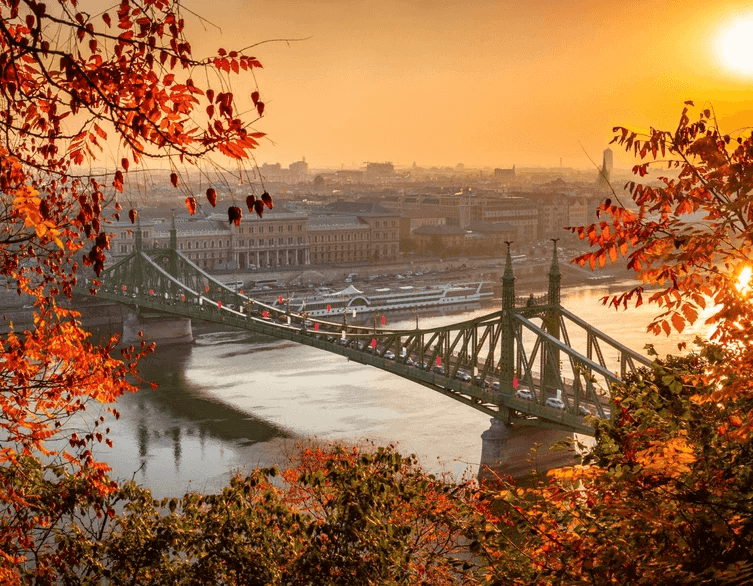
Best Autumn Walks in Budapest: Beautiful Parks, Scenic Viewpoints and Evening Lights
Budapest is a city worth slowing down for in autumn. Golden leaves soften its parks, woodland paths invite you into the hills, and panoramic terraces...

Immersive Light Events in Budapest This Autumn 2026
Budapest’s autumn evenings are getting a colourful makeover. Beyond the illuminated bridges and riverside landmarks, the city is filling with glowing...
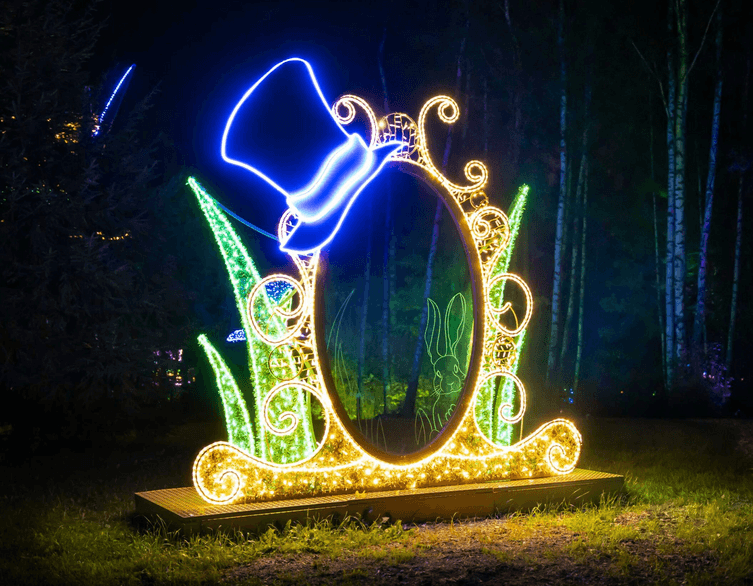
Lumina Park Budapest: Discover Alice’s Wonderland on Margaret Island
Ready to follow Alice down the rabbit hole? From October 20, Lumina Park Budapest transforms the grounds of Palatinus Bath on Margaret Island into...

Budapest’s Next Chapter: Greener Parks, Better Transport and a Revamped Riverside
Budapest is preparing for a new wave of urban development, with plans to transform its riverside, refresh major public spaces and improve public...
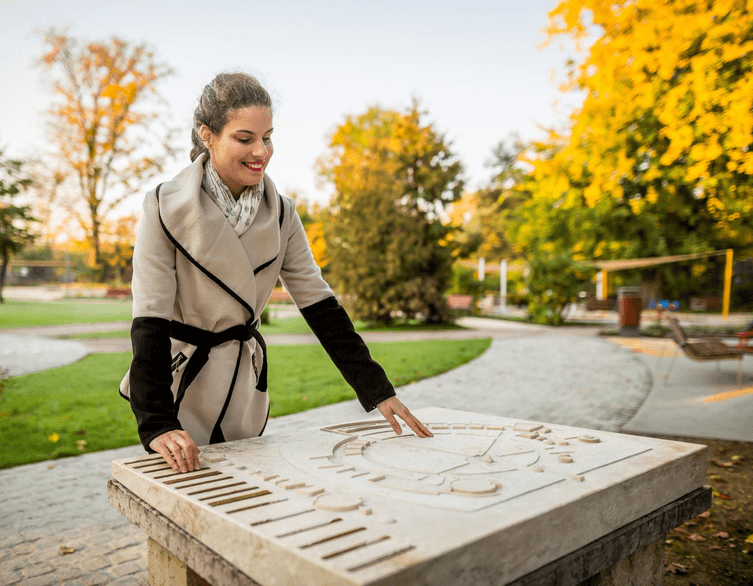
Budapest Beyond Sight: Discover the Sensory Garden in City Park
Budapest is famous for its spectacular views, but some of its most thoughtful places offer something beyond a beautiful backdrop. Tucked into City...
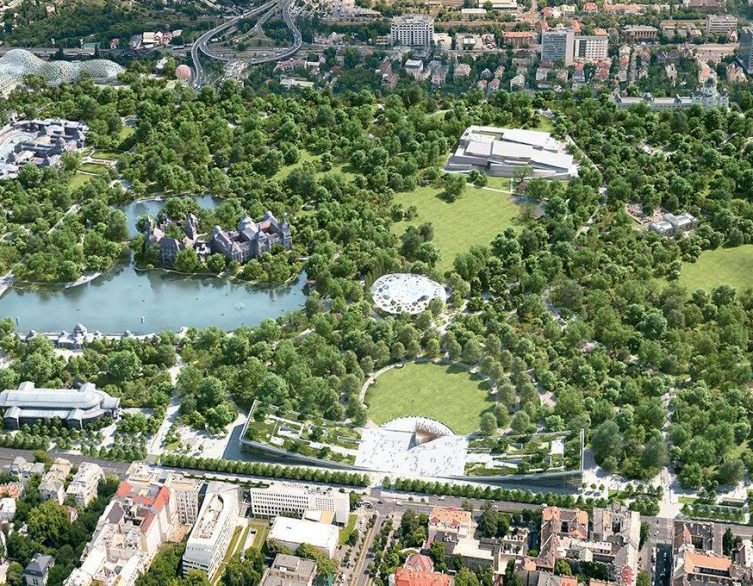
Budapest’s City Park Named Europe’s Best Large Urban Park in 2026
Budapest’s City Park has just added an international award to its many attractions. World Urban Parks has honoured it with the European Large Urban...
Autumn Meets Spring in Budapest’s Gellért Hill Rose Garden
Autumn colours and fresh flowers in the same place? On Gellért Hill, the two make a lovely pairing. While the season brings a different mood to...
Budapest’s Best Autumn Views in 2026
Budapest rewards anyone willing to change perspective. Climb above its rooftops, wander along the Danube or follow a woodland path into the Buda...

Explore Budapest from the Danube This Fall
Few experiences reveal Budapest quite like a cruise on the Danube. From the water, the city’s grand landmarks come into focus one after another:...

Art Exhibitions and Events in Budapest This Autumn 2026
Budapest’s autumn art calendar has something for visitors who love a long museum afternoon—and for those who would rather discover art while...

Budapest’s Best Photography Exhibitions This Autumn 2026
Budapest’s autumn calendar is unusually rich in photography this year, with five exhibitions spread across the city inviting visitors to slow...

Budapest’s Ultimate Autumn 2026 Guide to Movie and Film Events
Autumn in Budapest has always been a season for coffee, chestnuts, and long walks along the Danube, but this year the city’s cinemas are stealing...
János Hill and the Zugliget Chairlift: Your Guide to Budapest’s Favorite Fall Forest Escape
If you’re craving a break from Budapest’s grand boulevards and thermal baths, the Buda Hills are calling, and there’s no more scenic...

Best Classical Concerts in Budapest This Autumn 2026
Budapest in autumn has a way of turning the volume up on its cultural life. As the summer crowds thin out and the light along the Danube softens...
Please Don’t Turn Gellért Hill’s Trees Into Gym Equipment, Budapest’s Park Rangers Ask
If you’re planning to visit Gellért Hill in Budapest, you’re in for one of the city’s most scenic natural escapes — but local...

Discovering Margaret Island’s Autumn Magic: Budapest’s Most Beautiful Fall Escape
When October settles over Budapest and cooler winds begin to blow, most visitors assume the city’s outdoor attractions lose their charm. Yet...