Budapest Level 3 Heat Alert: How To Prepare and Stay Safe

If you’re planning to explore Budapest between July 30 and August 4, 2026, there’s something important you should know before packing your bags: Hungary’s Chief Medical Officer has issued a Level 3 heat alert for the entire country, running from midnight on Thursday, July 30 through midnight on Tuesday, August 4. This is the highest heat warning level in Hungary’s system, and it means temperatures are expected to climb to genuinely dangerous levels across Budapest and beyond.
According to HungaroMet, the Hungarian Meteorological Service, an anticyclone is settling over the Carpathian Basin this week, gradually pulling in hot subtropical air. Forecasters describe the coming days as turning the region into an “oven,” with the heat wave intensifying toward the weekend. While the exact duration is still uncertain, one thing is clear: this isn’t the moment to underestimate the Hungarian sun.
Why a Level 3 Heat Alert Matters for Visitors
A Level 3 heat alert isn’t just a weather footnote. Hungarian health authorities, including the National Public Health and Pharmaceutical Center and the National Directorate General for Disaster Management, have jointly warned that prolonged extreme heat puts serious strain on the human body. The most severe risk is heatstroke, a life-threatening condition that requires immediate action: moving the affected person to a cool place, starting to cool their body right away, and calling emergency services if needed.
Tourists walking for hours between Buda Castle, the Chain Bridge, and Váci Street might not realize how quickly heat exhaustion can creep up, especially if you’re not used to Central European summer heat combined with the humidity of the Danube valley.
Best deals of Budapest






Certain groups face higher risk, including older travelers, young children, pregnant women, and anyone with heart, respiratory, or kidney conditions. If you’re traveling with elderly parents or small kids, plan your sightseeing around the coolest parts of the day.
How to Stay Safe While Sightseeing
The golden rule during a heat alert is simple: hydrate constantly, and prioritize water over alcohol, sugary drinks, or heavily caffeinated beverages like coffee or energy drinks. It’s tempting to reach for a cold beer on a Budapest terrace, but alcohol actually accelerates dehydration, so save that for the evening once temperatures drop.
Try to avoid demanding physical activity between 11 a.m. and 3 p.m., which is when the heat peaks. This is the perfect window to duck into an air-conditioned museum, enjoy a leisurely lunch in a shaded courtyard restaurant, or simply retreat to your hotel for a midday rest. Save the walking tours, river cruises, and outdoor markets for the early morning or evening hours.
Light, loose, and light-colored clothing makes a real difference, as does a wide-brimmed hat and sunglasses with proper UV protection. If you’re stepping into Budapest’s famous outdoor spaces, like Margaret Island or City Park, a portable fan or even a simple handheld one can go a long way toward keeping you comfortable.
Free Drinking Water Everywhere You Turn
Here’s some genuinely useful news for budget-conscious travelers: Budapest is full of public drinking fountains offering fresh, high-quality tap water completely free of charge, and Hungarian tap water is safe and pleasant to drink straight from the source. Instead of buying bottled water every hour, bring a reusable water bottle and refill it throughout the day.
You can locate the nearest drinking fountain using the website kozkutak.hu or through the BudapestGO app, which many locals and tourists already use for navigating the city’s public transport system. Both tools make it easy to plan your route around hydration stops, whether you’re walking through the Castle District or relaxing near the Danube promenade.
What to Avoid During the Heat Wave
A few safety reminders apply to everyone, tourists included. Never leave children or pets inside a parked car, even briefly, since interior temperatures can become life-threatening within minutes. If you happen to see a child or animal left alone in a vehicle, call 112 immediately, Hungary’s general emergency number.
Open flames and outdoor fires are strongly discouraged right now, as firefighters have been responding to nearly a hundred outdoor fires daily across dry fields, forests, and grasslands. This is mostly relevant if you’re camping or visiting rural areas outside the city, but it’s worth keeping in mind if your itinerary includes day trips beyond Budapest.
Finding Air-Conditioned Public Spaces
If your accommodation lacks air conditioning, Hungary’s disaster management authority maintains a public list of air-conditioned spaces that anyone can use to cool down, with Budapest locations included in that listing starting from page 16. This can be a handy backup option during the hottest afternoon hours, alongside the city’s many air-conditioned shopping centers, museums, and cafés.
For real-time updates on the heat alert, locals often use the free VÉSZ app, run by the disaster management directorate, which is worth downloading if you want alerts in a format you can check on the go.
Enjoy Budapest Responsibly This Week
None of this should stop you from enjoying Budapest, one of Europe’s most beautiful capitals. It simply means adjusting your rhythm to the season. Visit the thermal baths, like Széchenyi or Rudas, during cooler morning hours, save rooftop bar visits for sunset, and treat the midday heat as a built-in excuse for a slower, café-hopping pace. With a water bottle in hand and a bit of common sense, the heat wave becomes just another part of the authentic Budapest summer experience rather than a reason to stay indoors.
Related news
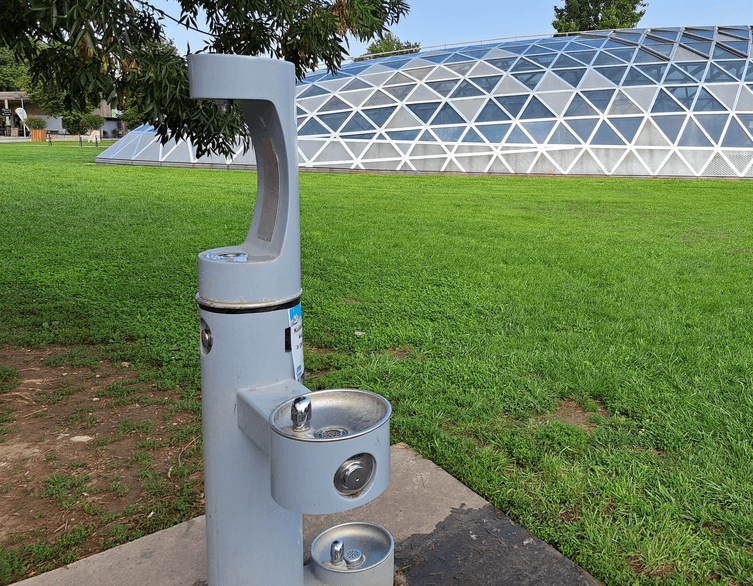
Budapest’s Tap Water Stays Safe Despite Record-Low Danube Levels
If you’re visiting Budapest this summer and wondering whether it’s still fine to fill up your water bottle from the tap, the answer is...
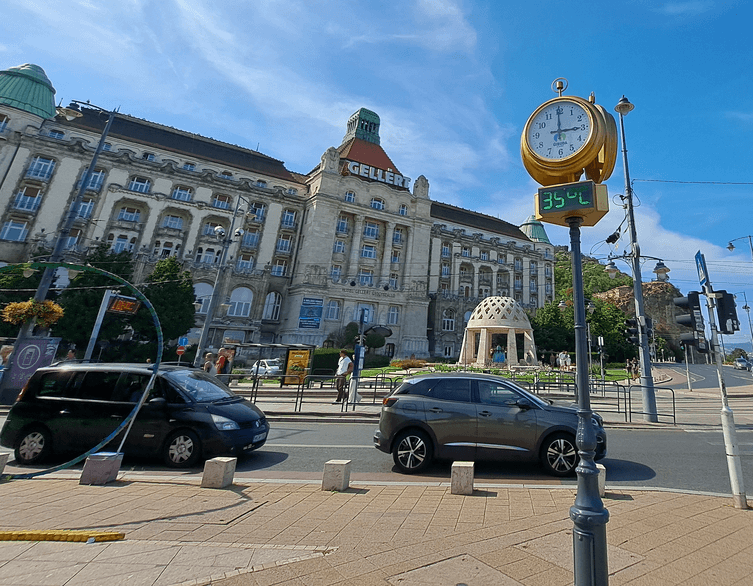
Extreme Heat Alert Extended in Budapest: What Every Visitor Needs to Know
Hungary’s Chief Medical Officer has extended the country’s highest-level heat alert, Level 3, keeping it in force across the entire nation...
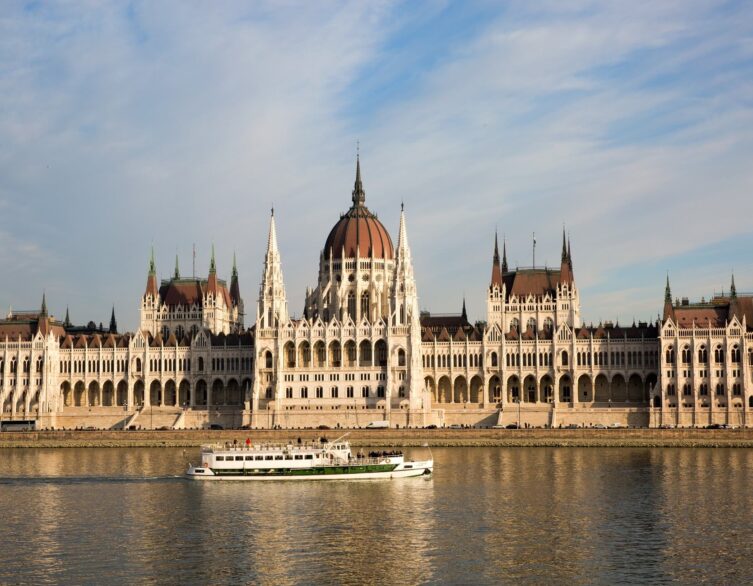
Danube Water Levels Are Slowly Rising in Budapest
If you’ve strolled along the Danube embankment in Budapest recently, you may have noticed something unusual: the riverbanks look wider, the...
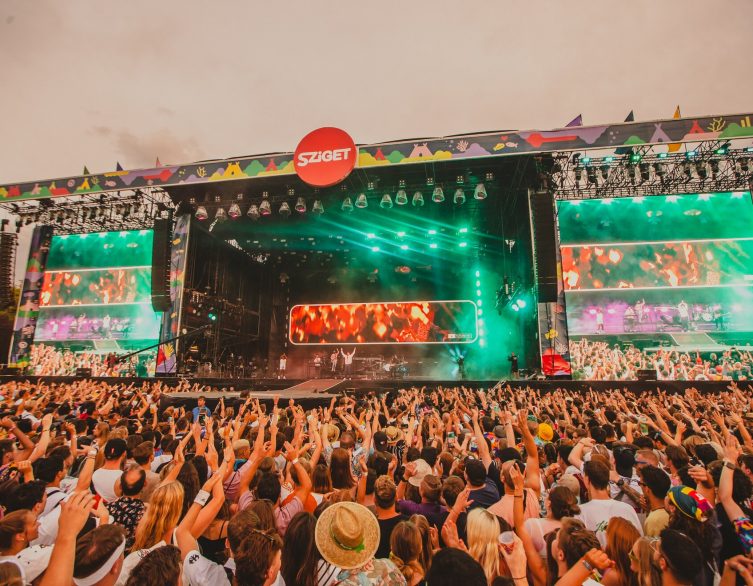
Staying Cool at Sziget Festival: How Budapest’s Biggest Event Handles the Summer Heat Alert
If you’re packing your bags for Sziget Festival this August, there’s one more thing worth knowing before you head to Óbudai (Óbuda)...
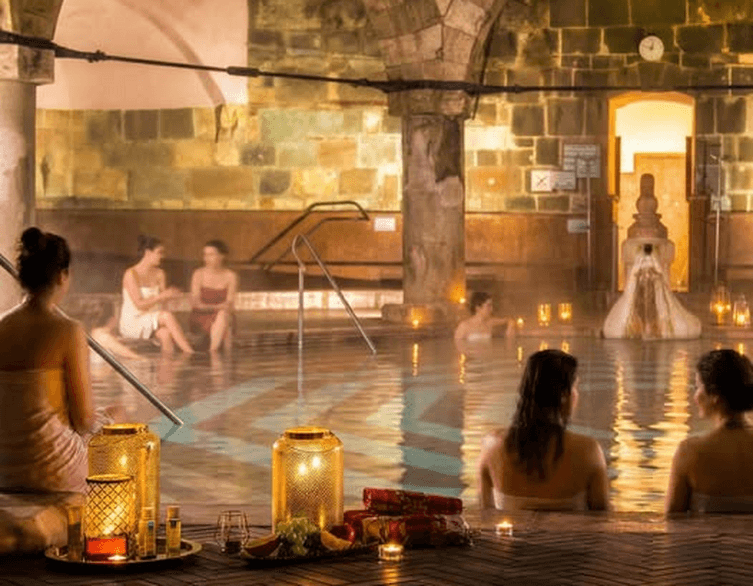
Budapest’s Baths Adjust Hours as Heatwave and Historic Drought Strain the Power Grid
If a Budapest thermal bath visit is on your itinerary this week, you’ll want to know that the city’s spa operator has just rolled out...
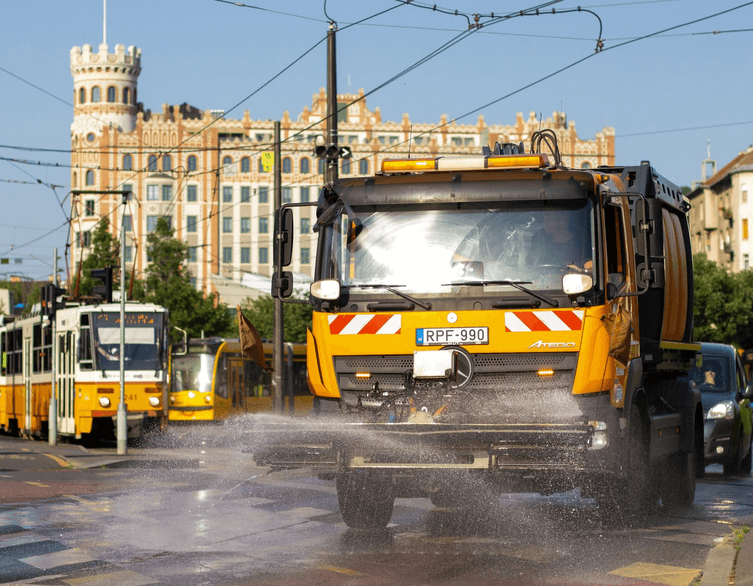
Are Budapest’s Trams Getting a Bath? The Story Behind the Sprinkler Trucks
If you’ve wandered around Budapest during a summer heatwave and spotted a truck cheerfully spraying water all over the streets and tram tracks...
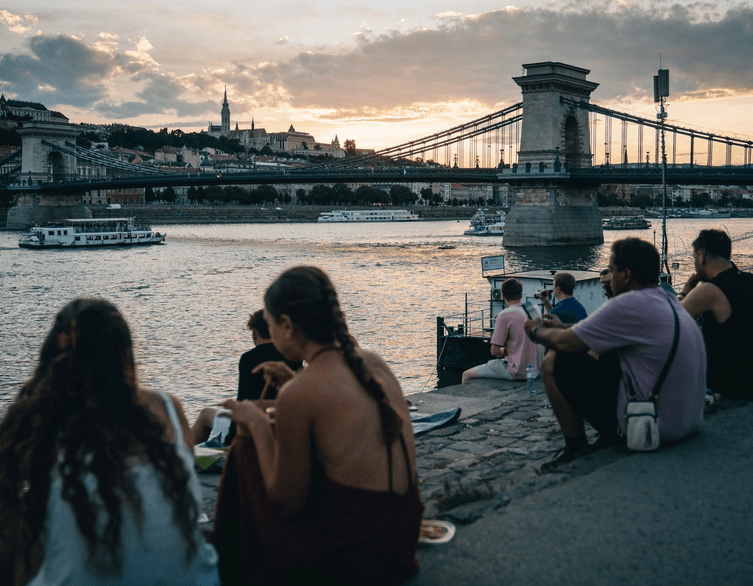
Lights Down, Spirits Up: How Budapest and Hungary Are Conserving Energy Together
If you’ve noticed that a few of Budapest’s famously glittering landmarks look a touch less dazzling after dark this summer, or that your...
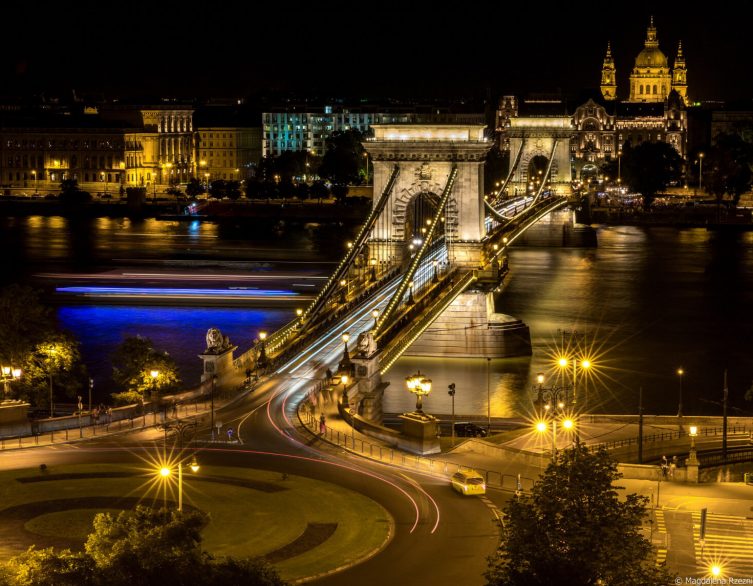
Budapest’s Ornamental Lights Will Be Shut Down
If you’re planning a trip to Budapest in the coming days, you might notice something unusual after sunset: the glowing facades of the Hungarian...

What’s on in Budapest: July 30 to August 2, 2026
If you’re in Budapest this weekend, you’ve picked a genuinely electric time to visit. Between the Danube riverbank, City Park’s...
Heatwave Alert: What Tourists Should Know Before Visiting Budapest This Week
If you’ve got Budapest on your itinerary for the coming days, it’s worth packing your sunscreen and rethinking your afternoon plans....
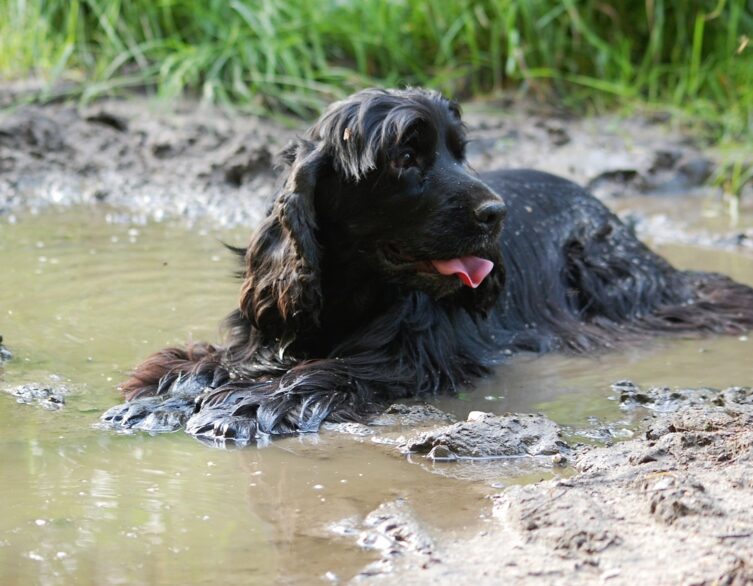
Traveling with Pets in Budapest? Here’s How to Protect Them From the Summer Heat
Budapest’s summer heatwaves aren’t just tough on tourists wandering between Buda Castle and the Danube promenade. They’re genuinely...
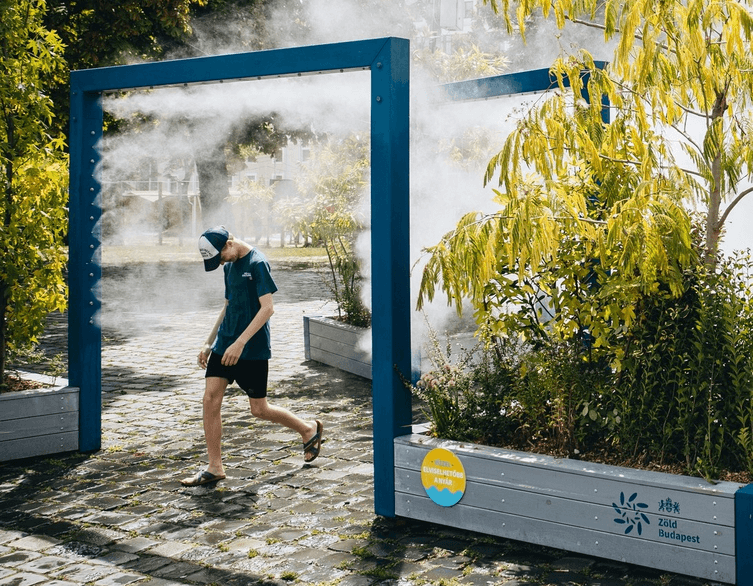
Beating the Budapest Heat: Mist Gates Are Your Friend, Fountains Are Not
When Budapest’s summer temperatures climb toward the 35°C to 40°C range (95°F to 104°F), the city doesn’t just leave you to fend...
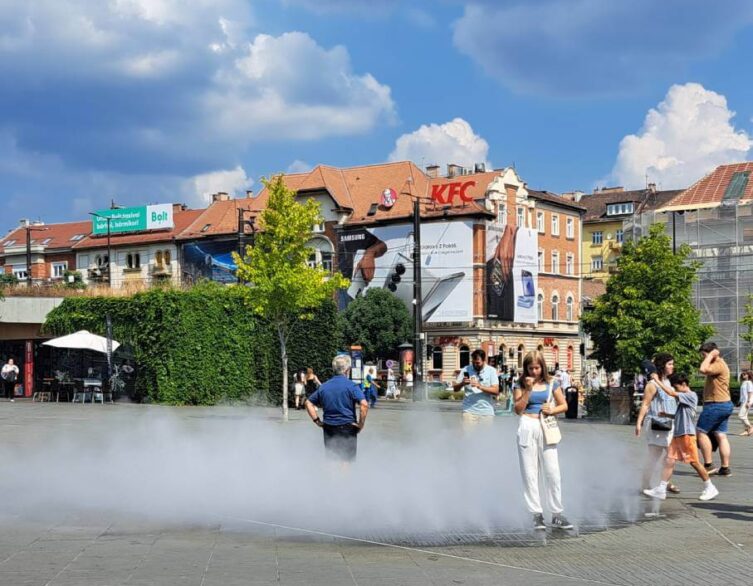
Budapest Heatwave Alert: Hungary Set to Become Central Europe’s Hottest Spot This Summer
If you’re planning a trip to Budapest in the coming days, brace yourself: the Hungarian capital and the surrounding region are about to experience...
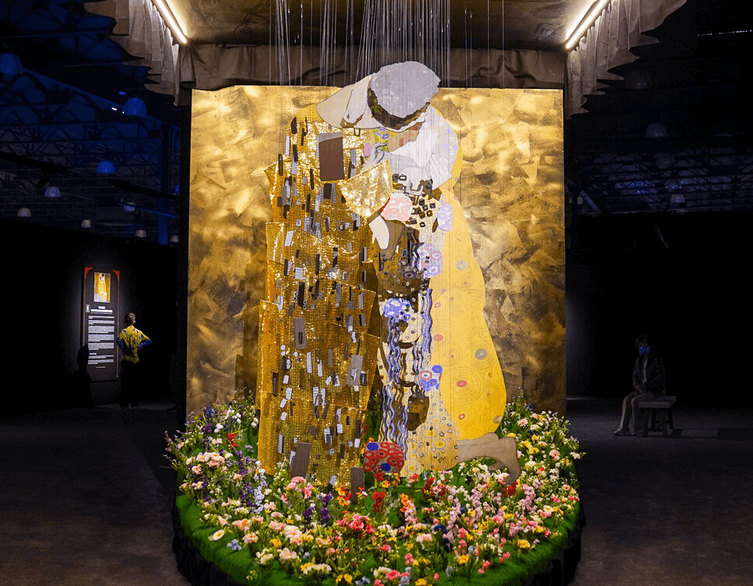
Budapest Light Shows: The Best Free and Immersive Exhibitions to Beat the Summer Heat
Summer in Budapest can be a bit tricky, weather-wise — one minute you’re basking in glorious sunshine, the next you’re dashing for...

Beat the Summer Heat: Cool Cultural Escapes in Budapest’s City Park
When the mercury climbs toward 40 degrees Celsius in Budapest, sometimes even the most dedicated sun-seeker needs a break between beach days at the...
Stay Hydrated in Budapest: Free Drinking Water Fountains You Need to Know About
Budapest is a city made for exploring on foot. From the cobblestone streets of the Castle District to the buzzing ruin bars of the Jewish Quarter,...
Related events