Budapest’s Baths Adjust Hours as Heatwave and Historic Drought Strain the Power Grid
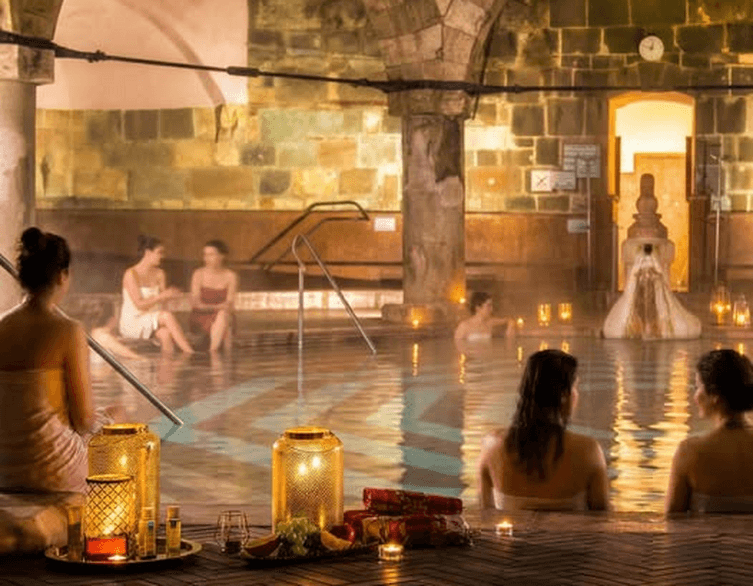
If a Budapest thermal bath visit is on your itinerary this week, you’ll want to know that the city’s spa operator has just rolled out a set of temporary energy-saving measures. Record-low water levels on the Danube, combined with a punishing heatwave, have pushed Hungary’s national grid to its limits, and Budapest’s baths are doing their part to help keep the lights on across the country.
Why the Danube Is at the Center of This
To understand why a river’s water level affects sauna hours at a spa, you need the bigger picture. Hungary’s Paks Nuclear Power Plant, which normally supplies close to half the country’s electricity, relies on Danube water to cool its reactors. With the river hitting record lows this summer, the plant has had to scale back operations dramatically, and by early August it faced its first-ever full, if temporary, shutdown in over four decades. At the same time, a brutal heatwave with temperatures pushing toward 40°C is driving up electricity demand for air conditioning across the country during evening hours. Put those two pressures together, low supply and spiking demand, and the government has asked both large businesses and everyday households to voluntarily cut back on energy use, especially between 5pm and 10pm, the peak strain window on the grid.
What’s Changing at the Baths
Budapest Gyógyfürdői és Hévizei Zrt., the company that runs the city’s public thermal baths, has responded by rolling out temporary conservation measures starting August 2, expected to last around ten days depending on how conditions evolve. The changes are practical rather than drastic, and most visitors won’t notice much difference beyond a few specific amenities being unavailable during peak hours.
Electric saunas and steam rooms are paused for the full operating day at several outdoor and neighborhood baths, including Csillaghegy, Dandár, Palatinus, Paskál, Pesterzsébet, Pünkösdfürdő, and Római. If you’re set on a proper sauna session, though, don’t worry: the gas-powered thermal chambers and steam cabins at the historic Széchenyi, Lukács, and Rudas baths remain fully operational, since they don’t draw from the strained electricity grid the same way.
Across all locations, the more power-hungry attractions, think wave pools, water slides with electric pumps, and similar features, are pausing specifically after 5pm, which is when the grid faces its tightest squeeze. Palatinus Baths, home to Budapest’s famous wave pool, is seeing its wave sessions shortened to half their usual duration during the day and suspended entirely after 5pm, with after-hours surfing sessions in the wave pool also paused starting August 3.
Best deals of Budapest








Baths that normally stay open until 10pm are temporarily reverting to standard closing times. That said, if a third-level heat alert is in effect, closing time will still be 8pm regardless, since shorter hours also help reduce citywide water demand during extreme heat. Behind the scenes, the operator is also dialing back air conditioning after 5pm (except in essential areas like server rooms), limiting high-powered kitchen equipment at on-site snack bars and cafés during peak hours, cutting non-essential decorative lighting, and shifting energy-heavy background tasks like laundry outside the critical evening window.
Good News: Your Bath Water Supply Isn’t at Risk
Here’s a reassuring detail for anyone worried this might mean empty pools: Budapest’s baths draw from their own thermal and drinking water wells rather than the city’s general water mains, so none of these measures affect the actual water supply feeding the pools themselves. The one water-related adjustment is on the grounds, not in the baths, where irrigation of green spaces around the outdoor sites is being cut back to three times a week for the duration of the heat alert, simply as a drought-conscious gesture rather than a necessity.
What This Means If You’re Visiting Budapest Right Now
For tourists planning a soak at Széchenyi, Rudas, or Lukács, this is essentially business as usual, since their gas-fired thermal features aren’t affected. If your plans include Palatinus for the wave pool experience, it’s worth timing your visit earlier in the day, since the wave sessions are shorter and unavailable after 5pm for the time being. And if you’re hoping for a late-evening dip at one of the baths that normally extends hours to 10pm, check ahead, since those extended hours are on pause and standard closing times apply during the current alert period.
None of this should derail a Budapest bath visit; the core experience, soaking in the city’s famous thermal waters, remains fully intact everywhere. It’s simply a case of a handful of extra amenities and evening hours being scaled back temporarily while Hungary manages an unusual convergence of drought and heat. Given that these measures are explicitly framed as short-term, tied to the current ten-day window, checking the specific bath’s official hours the day of your visit is the safest bet before heading out.
The Wider Context: A Summer of Extremes
This situation is part of a broader story playing out across Central Europe this summer, as the Danube’s historically low levels have disrupted everything from cargo shipping to nuclear power generation in Hungary, Romania, Serbia, and Bulgaria alike. For Hungary specifically, the drought has coincided with a heatwave severe enough to trigger a third-level national heat alert, prompting the kind of coordinated, precautionary response now visible at the capital’s beloved bathhouses. It’s a reminder that even a deeply traditional Budapest experience, dating back over a century in some cases, is not immune to the pressures of an increasingly extreme climate, though the city’s baths have clearly worked to keep the core visitor experience running smoothly regardless.
Related news

Budapest in August: Your Guide to the City’s Best Family Events
August in Budapest is the sweet spot of the Hungarian summer — the Danube glows gold in the evenings, the Buda Castle district smells like fresh...

Why Budapest’s Famous Landmarks Are Staying Dark This Summer
If you’ve strolled along the Danube after sunset recently and noticed that the Hungarian Parliament Building, Buda Castle, and the Chain Bridge...

Budapest Heatwave Guide: How to Stay Safe as the Alert Level Eases
If you’re packing your bags for Budapest this month, there’s some good news mixed in with a reminder to stay alert: Hungarian health...

What’s On in Budapest This Weekend (August 7-9): The Best Outdoor Events
If you’re spending this weekend in Budapest, you’ve timed your trip beautifully. Between Friday evening and Sunday night, the Hungarian...
Budapest’s Tap Water Stays Safe Despite Record-Low Danube Levels
If you’re visiting Budapest this summer and wondering whether it’s still fine to fill up your water bottle from the tap, the answer is...
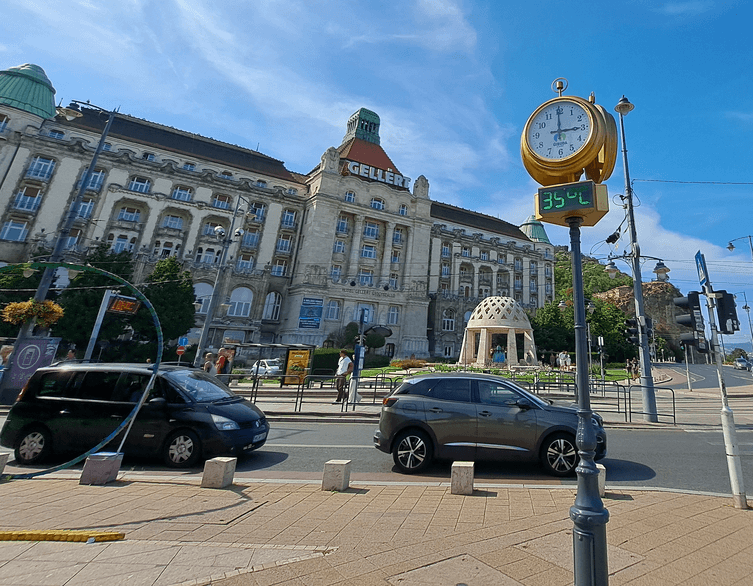
Extreme Heat Alert Extended in Budapest: What Every Visitor Needs to Know
Hungary’s Chief Medical Officer has extended the country’s highest-level heat alert, Level 3, keeping it in force across the entire nation...
Danube Water Levels Are Slowly Rising in Budapest
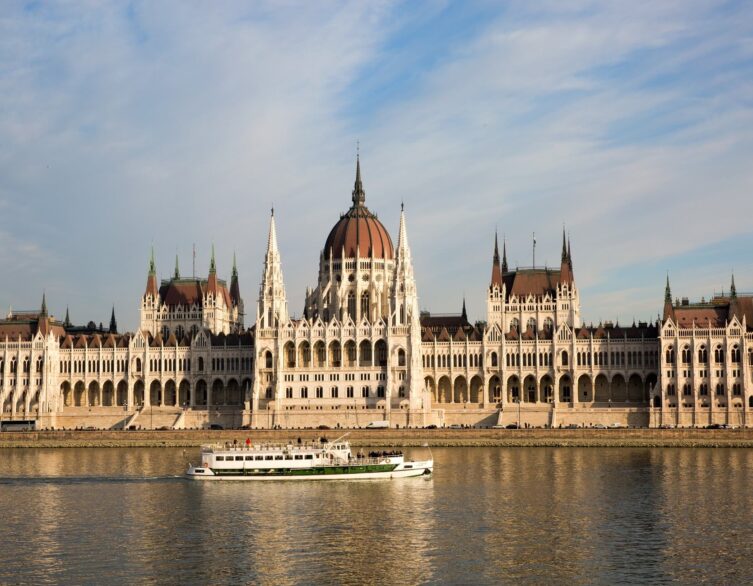
If you’ve strolled along the Danube embankment in Budapest recently, you may have noticed something unusual: the riverbanks look wider, the...
Staying Cool at Sziget Festival: How Budapest’s Biggest Event Handles the Summer Heat Alert
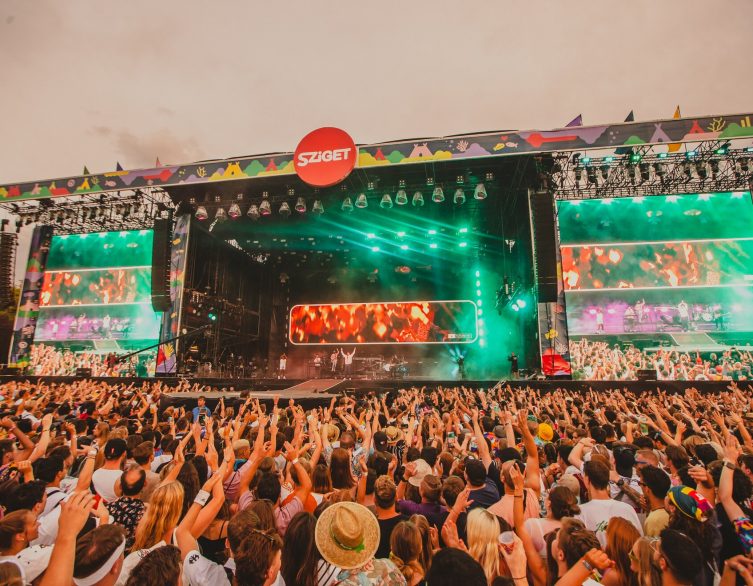
If you’re packing your bags for Sziget Festival this August, there’s one more thing worth knowing before you head to Óbudai (Óbuda)...
Breaking! – The Musical Fountain of Margaret Island Will be Shut Down Tonight
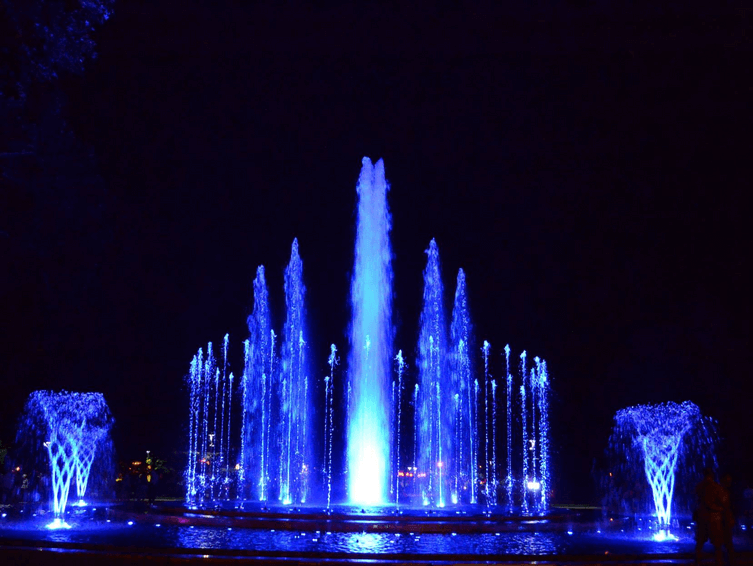
One of the city’s most beloved free attractions is going to be shut down tonight! The iconic Musical Fountain of Margaret Island began its 2026...
Lights Down, Spirits Up: How Budapest and Hungary Are Conserving Energy Together
If you’ve noticed that a few of Budapest’s famously glittering landmarks look a touch less dazzling after dark this summer, or that your...
Budapest’s Ornamental Lights Will Be Shut Down
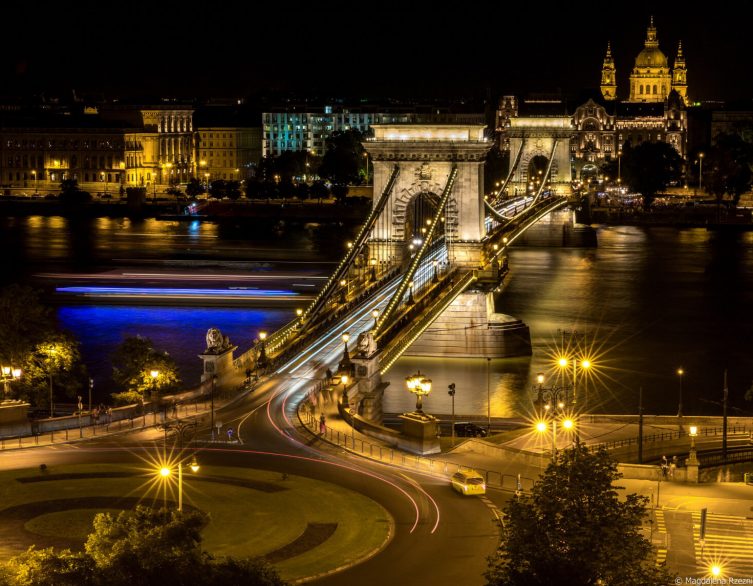
If you’re planning a trip to Budapest in the coming days, you might notice something unusual after sunset: the glowing facades of the Hungarian...

Beat the Heat: Your Guide to Staying Cool in Budapest’s City Park
When the pavement starts radiating heat and the sun feels relentless, Budapest’s City Park, known locally as Városliget, turns into one of...
Budapest Level 3 Heat Alert: How To Prepare and Stay Safe
If you’re planning to explore Budapest between July 30 and August 4, 2026, there’s something important you should know before packing...
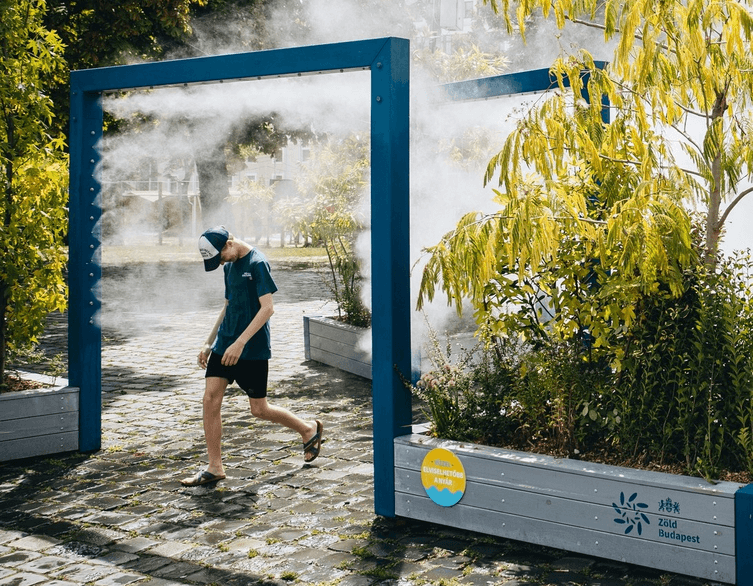
Beating the Budapest Heat: Mist Gates Are Your Friend, Fountains Are Not
When Budapest’s summer temperatures climb toward the 35°C to 40°C range (95°F to 104°F), the city doesn’t just leave you to fend...