MOL Bubi Budapest: Explore the City with Classic Bikes and E-Bikes
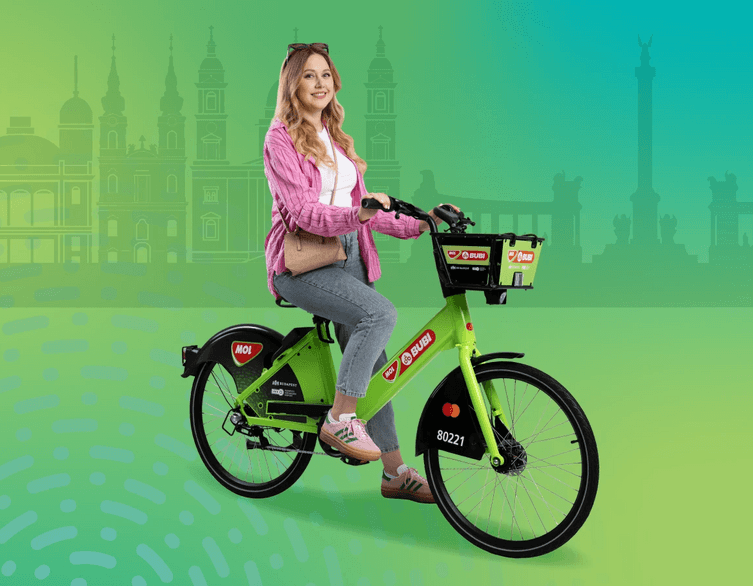
A little less walking, a little more freedom: Budapest’s renewed MOL Bubi bike-sharing service gives visitors another way to get around the city. With classic bicycles, electric-assist bikes and nearly 700 designated pick-up and return points, the latest generation makes it easier to work a bike ride into your sightseeing plans. And it has already had a busy start: almost 630,000 rentals were recorded during its first three months.
Whether you want to fit a short ride between sightseeing stops or try an electric-assist bicycle for the first time, here’s what to know about Budapest’s updated public bike-sharing system.
A New Chapter for Budapest Bike Sharing
The third generation of MOL Bubi launched on 3 August 2026, bringing a choice of traditional and electric-assist bicycles to the service. By the time Budapest’s transport authority, BKK, published its three-month review on 2 November, the system had recorded around 11% more rentals than the previous generation managed during its first 88 days.
That comparison is about journeys rather than individual cyclists, but it gives a sense of how much the bikes have been used since the relaunch. For visitors, the more useful change is the combination of different bike types and a much denser network of places to pick them up and return them.
Classic Bike or Electric Assist?
You can choose between a classic MOL Bubi bicycle and an electric-assist version in the same app. The classic bikes offer a straightforward option for an ordinary city ride, while the electric-assist models add another choice for those who would appreciate some help with the pedalling. In the app, a lightning-bolt symbol identifies the e-bikes.
Best deals of Budapest











The electric-assist bicycles have quickly attracted riders, with BKK reporting more than 120,000 e-bike journeys during the initial three-month period. Its research also found that around two-thirds of users were satisfied with both the classic and electric-assist bicycles.
There is one detail worth bearing in mind if you like to cycle briskly. According to BKK’s review, the new bicycles are easier to pedal than their predecessors, but riding faster than roughly 15–18 km/h requires noticeably more effort. The authority has asked the operator to investigate changes to the gearing, so that aspect of the bikes is still under review.
Nearly 700 Places to Pick Up and Return a Bike
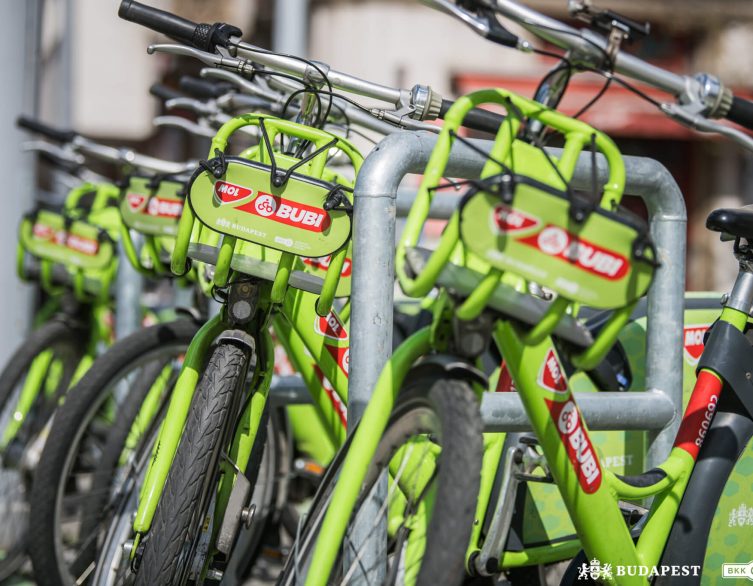
One of the biggest improvements is the growing number of Mobi-points: designated locations where you can collect or return a MOL Bubi bicycle. Almost 500 were added in September and early October, bringing the network to nearly 700 points by early November 2026.
In many places, that means the distance between pick-up and return locations has shrunk from around 300–400 metres to as little as 100–150 metres. You may therefore have less walking to do before starting a ride or after finishing one, although coverage still varies by neighbourhood. BKK is continuing discussions with Budapest’s districts about bringing more locations into the system.
For sightseeing, the useful habit is to plan both ends of your journey. Check where you can return the bicycle near your destination rather than assuming you can leave it wherever you stop.
How to Use MOL Bubi as a Visitor
To use MOL Bubi, you need the app and a user account. Within the app, you can choose between a pass and pay-by-the-minute use, and select either a classic or electric-assist bicycle. For a short visit, it is worth comparing those options against the number and length of rides you actually expect to take.
The published pay-as-you-go rate is HUF 60 per minute for either bicycle type. Electric-assist bikes also carry a HUF 250 unlocking fee unless you have a monthly or annual pass. A classic monthly pass costs HUF 2,500 and includes the first 30 minutes of each classic-bike rental, while the electric-assist monthly pass costs HUF 4,500 and includes the first 15 minutes of each e-bike rental as well as classic-bike use under the applicable terms. Check the current conditions in the app before purchasing, particularly if you plan to switch between bicycle types.
The distinction matters: a short ride between stops and a long, uninterrupted sightseeing outing can result in quite different costs. Choosing a bicycle is only part of the decision; choosing the right payment option is just as important.
Returning Your Bike: Don’t Rush the Final Step
At the end of your ride, return the bicycle to a designated point and follow the app’s instructions to secure it and complete the rental. The published surcharge for locking a bicycle outside an authorised station is HUF 10,000, so checking the return location is well worth a moment of your time.
This is also an area where the renewed system has experienced teething problems. BKK says many early rental-related reports concerned GPS positioning and communication between the smart lock and the background system. Because location data helps determine whether a bike has been returned correctly, those faults could affect the end of a journey.
The practical takeaway is simple: make sure the lock is properly closed and check that the app confirms the rental has ended before you walk away. If the location appears wrong or the ride will not close, report the problem to BKK customer service. The authority has specifically asked users to flag difficulties so the operator can investigate them.
What Has Improved—and What Still Needs Work?
The relaunch has not been entirely smooth. Users reported issues involving locks, gears and pedals, alongside the app’s location-related faults. BKK says the operator inspected every bicycle and carried out the necessary repairs following concerns about pedal attachments. Further work on reliability and gearing remains ongoing.
Proper locking has improved, too. During the early operating period, around 5% of bicycles in service were being left with their locks open each day. Following investigations and clearer guidance for riders, BKK says that figure has generally fallen below 1%.
For visitors, this calls for a balanced approach rather than avoiding the service altogether. Check the bicycle before setting off, pay attention to the return instructions and leave yourself a little flexibility if a particular bike or return point does not work as expected.
A Bike Ride That Fits Around Your Budapest Plans
MOL Bubi is designed as a way to get from one place to another, making it a natural option to consider alongside walking and public transport rather than as a bicycle you keep with you all day. The expanded return network and choice of classic or electric-assist bikes give visitors more flexibility, while the app lets you compare the available riding options.
Think of it as another way to shape your day: pick a destination, check the nearest return point and make the journey part of the experience. Just keep an eye on the rental time—and take that final moment to confirm your ride has properly ended.
Related news
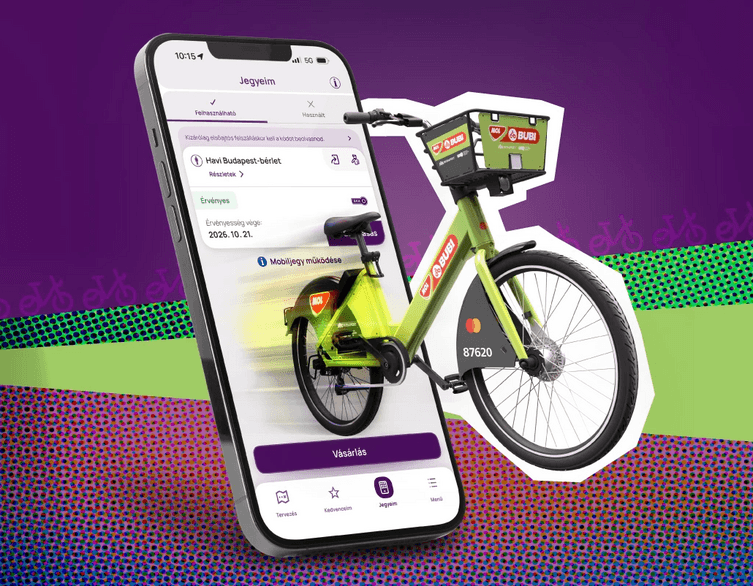
BudapestGO Pass Holders Can Now Enjoy 10 Free MOL Bubi Rides a Month
Budapest is a city that rewards a change of pace. One minute you’re on a tram; the next, you could be cycling towards your next stop on one of...
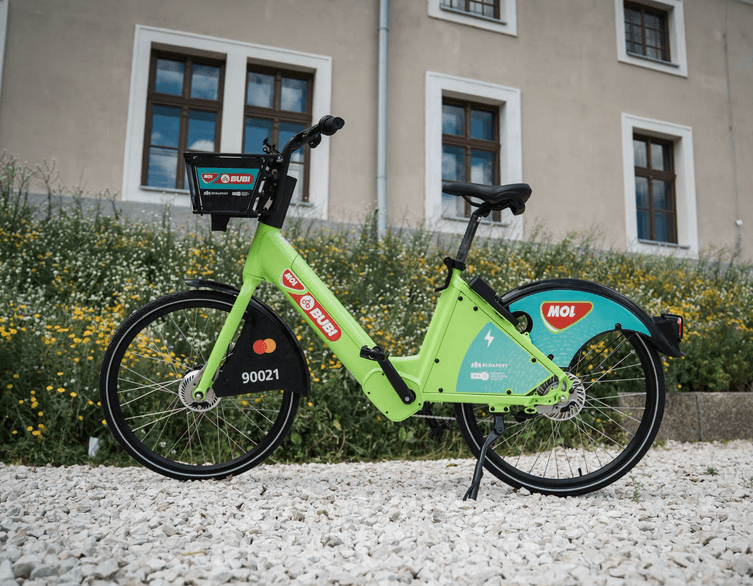
MOL Bubi 3.0 Is Finally Here!
If you’re planning a trip to Budapest, there’s a good chance you’ve already spotted those unmistakable green bicycles gliding past...
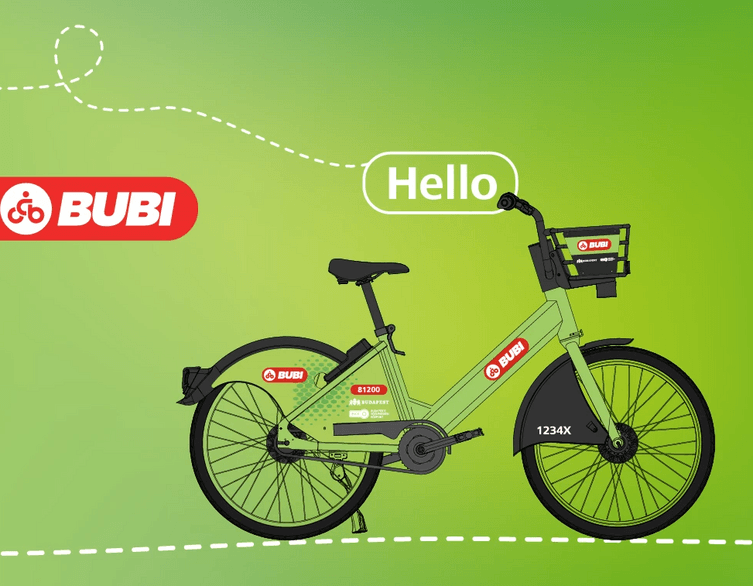
Budapest’s Beloved Bike-Share Is Getting a Major Upgrade: Meet the New Bubi 3.0
If you have ever spotted those cheerful green bicycles gliding through Budapest’s streets and thought about hopping on one, now is a very exciting...
Meet Manfred: Budapest’s New Bike-Sharing Service Filling the Gap Left by Bubi
If you’ve been planning a trip to Budapest and were counting on hopping on a city bike to explore the Hungarian capital, you might have noticed...
Budapest’s Bubi Bike System Is Getting a Major Upgrade: A New Era for Urban Cycling Begins
If you’ve ever zipped around Budapest on the iconic green Bubi bikes, get ready for an even better experience. The city’s popular bike-sharing...