Japanese Culture in Budapest: Beautiful Gardens, Traditional Crafts and a Fascinating Washi Exhibition

Budapest might not be the first place you associate with Japanese culture, but beyond its grand cafés and famous thermal baths, another side of the city awaits. Japanese-inspired gardens invite you to slow down, stone lanterns appear beside quiet ponds, and a fascinating exhibition reveals how paper can tell the story of an entire culture.
Cherry blossom season may be the best-known celebration, but it is far from the only reason to visit. With changing landscapes and a variety of programmes across the year, Budapest’s gardens offer something to enjoy in every season. Whether you’re planning an autumn walk or a spring cultural outing, these places are rewarding introductions to Japanese culture in Budapest.
Washi: The Thousand Faces of Japanese Paper
At the Ferenc Hopp Museum of Asiatic Arts, Washi: The Thousand Faces of Japanese Paper reveals how traditional Japanese paper connects everyday life, craftsmanship and art. Nearly 200 artefacts, documents and interactive elements explore its remarkable versatility, from clothing and rituals to artistic expression, while also introducing the conservation work that preserves these delicate objects.
And here’s a fun fact: András Arató, better known as “Hide the Pain Harold,” recently visited the exhibition too. This time, there was no hiding his enthusiasm—just genuine delight at what he discovered.
Pre-booked exhibition tours are available in English and Hungarian and should be requested at least a week in advance.
The Garden of the Ferenc Hopp Museum of Asiatic Arts
Step outside the exhibition and into an Asian-inspired garden shaped by collector and traveller Ferenc Hopp’s journeys. Japanese stone ornaments, a Chinese Moon Gate and Indian sculptures share this peaceful space, watched over by a towering ginkgo that survives from Hopp’s original planting.
Best deals of Budapest












Although it is not a purely Japanese garden, it makes a lovely companion to the exhibition. For a deeper introduction, pre-arranged garden tours are available in several languages, including English, with tea-tasting options also offered. Minimum group sizes apply.
The Japanese Garden at Budapest Zoo and Botanical Garden
If you’re visiting Budapest Zoo and Botanical Garden, leave time for its Japanese Garden. In autumn, maples bring rich seasonal colour to the planting, offering a quieter interlude between the animal enclosures.
The garden has an unexpected backstory. Its central hill was formed from rubble brought here during the clearance following the Second World War, then carefully covered with soil. What became a peaceful landscape began with the remains of a damaged city.
Work started in 1958 at the initiative of the zoo’s then director, Csaba Anghi, with Mária Sulyok Kiácz and Géza Harnóczi leading its development. Completed for the zoo’s centenary in 1966, the garden has undergone several renovations since. It is a reminder that Budapest’s zoo is as much about plants as animals.
Zugló Japanese Garden: A Nearly Century-Old Retreat
For a less obvious stop, seek out the Japanese Garden at the Márton Varga Horticultural and Surveying Technical School in Zugló. Created by the school’s founder in 1928, it brings a remarkable piece of garden history into an everyday educational setting.
Beyond the torii gate, stepping stones lead towards connected ponds, small islands, stone bridges and carefully placed plants. A miniature Mount Fuji, assembled from rocks, adds a playful change of scale, while a teahouse provides a lovely viewpoint over the garden.
Its history includes a connection with the Japanese imperial family. Following Prince and Princess Takamatsu’s visit to Hungary in 1931, gift plants were sent from Japan, some of which came here. An old ornamental cherry tree remains a living reminder of that exchange.
The wider school grounds are also worth exploring, with themed planting areas and impressive mature trees. Admission is ticketed, and opening arrangements can vary with the season or private bookings, so confirm access before travelling across the city. QR-coded information points help visitors discover more as they walk.
ELTE Botanical Garden: A Japanese-Inspired Landscape
ELTE Botanical Garden offers another opportunity to explore Japanese-inspired garden design in Budapest. Its Asia Garden brings together a small pond, decorative rocks and bamboo in a setting that encourages you to pause and look closely.
Allow time to explore beyond this area, too. The wider botanical collections offer changing scenery throughout the seasons, while the garden’s varied programme provides reasons to return beyond the famous cherry blossoms. Autumn foliage, themed activities and seasonal botanical attractions each reveal a different side of the grounds.
It is a particularly appealing choice if you enjoy combining a cultural outing with a leisurely walk among unusual plants.
The botanical garden’s Sakura Festival celebrates cherry blossoms and the Japanese tradition of hanami, or flower viewing. During the festival, visitors can admire the blossoms and, in designated areas, settle on blankets for a Japanese-style spring picnic.
Although this is the garden’s best-known Japanese-themed celebration, it is only one part of its wider calendar. Check the current programme whenever you visit, rather than saving the garden exclusively for cherry blossom season.
The Japanese Garden on Margaret Island
Margaret Island’s Japanese Garden makes an appealing addition to a longer island walk. Near the northern end of the island, its pond, bridge and stone lanterns create a peaceful setting away from the pace of central Budapest.
This is an easy stop to work into an unhurried day outdoors. Margaret Island is a public park with free access, so you can combine the garden with a broader stroll rather than treating it as a separate ticketed attraction.
Take your time here. The pleasure lies less in ticking off individual features than in noticing how water, stone and planting work together—and how the same landscape changes from season to season.
Discover a Quieter Side of Budapest This Fall
You don’t need to fit every garden and exhibition into one itinerary. Choose the washi exhibition for a thoughtful indoor visit, explore the Hopp Museum’s garden, or make an autumn walk the focus of your afternoon.
Cherry blossoms may steal the spotlight in spring, but Budapest’s Japanese-inspired spaces deserve attention beyond that fleeting season. Changing foliage, cultural programmes and quiet garden paths provide plenty of reasons to explore at other times of year.
This fall, slow down beside a pond, look closely at a stone lantern and enjoy the colours around you. Some of your most memorable Budapest moments may also be the quietest.
Related news

Washi in Budapest: Discover the Thousand Faces of Japanese Paper
Paper might not be the first thing you plan a museum visit around—but this Budapest exhibition could change your mind. From objects used in everyday...
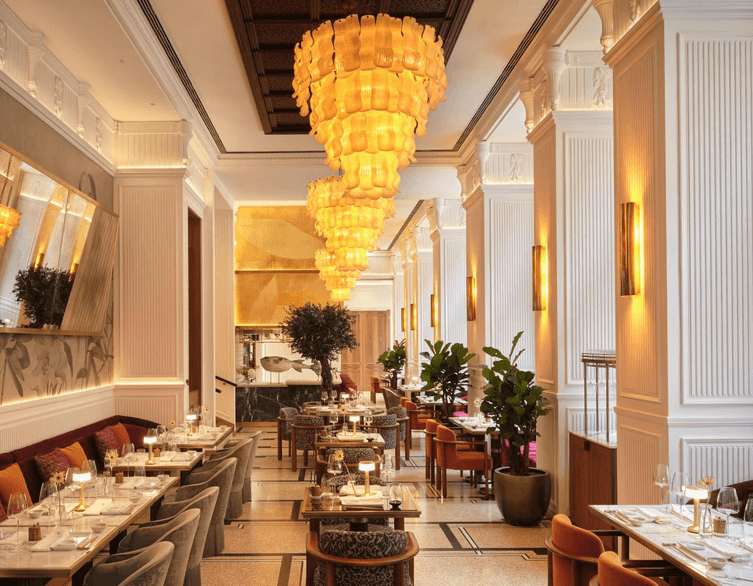
99 Sushi Bar & Restaurant Budapest: World-Class Japanese Fine Dining Arrives at The St. Regis
Budapest has quietly been rewriting its culinary story over the past few years, and the latest chapter is a striking one. The 99 Sushi Bar &...
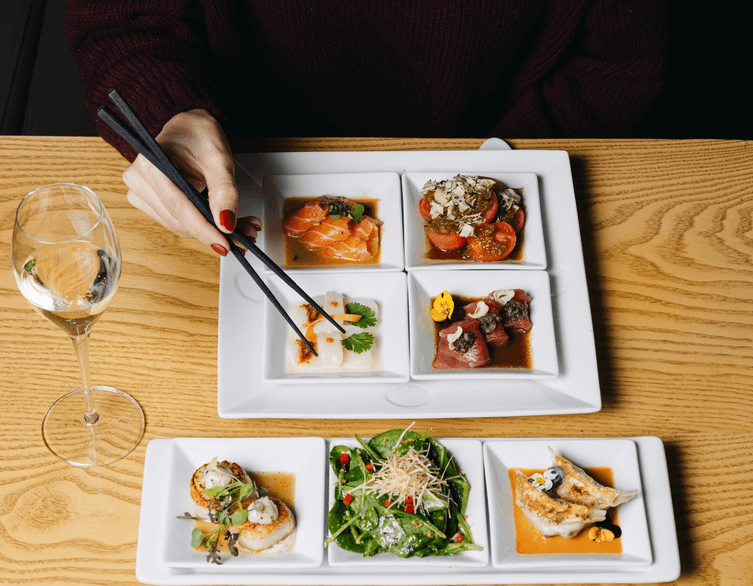
The Best Japanese Restaurants in Budapest: From Sushi Bars to Ramen Havens
Budapest might not be the first city that comes to mind when you think of Japanese cuisine, but this Central European capital has quietly built one...

Japanese Coffee Chain % Arabica Opens Its First Central European Location in Budapest
In a significant development for coffee enthusiasts and urban culture aficionados, the premium Japanese coffee chain % Arabica has opened its first...
Related events
Related attractions
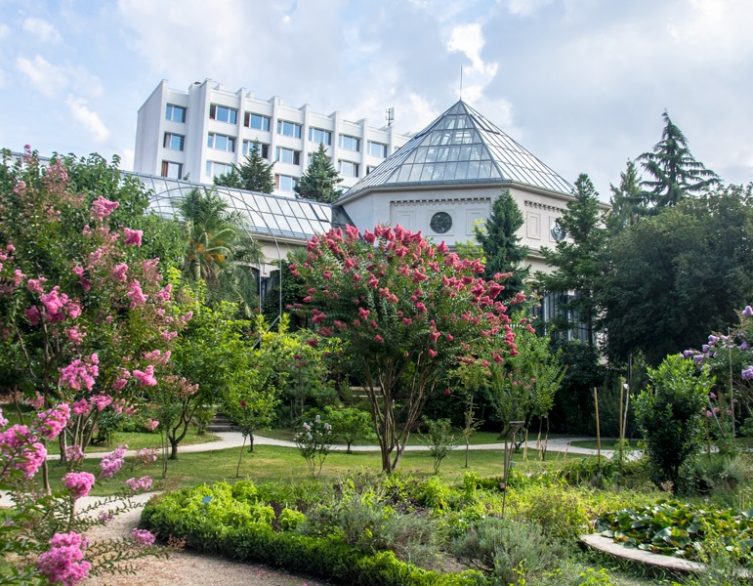
Füvészkert Botanical Garden: A Place To Connect With Nature
Only a few metro stops form the center, you can find the Füvészkert Botanical Garden which offers a refreshing breath with its soothing lush greenery...
Discover the Serene Beauty of the Japanese Garden on Margaret Island
Nestled in the heart of Budapest, the Japanese Garden on Margaret Island is a hidden gem that offers a tranquil escape from the bustling city. This...
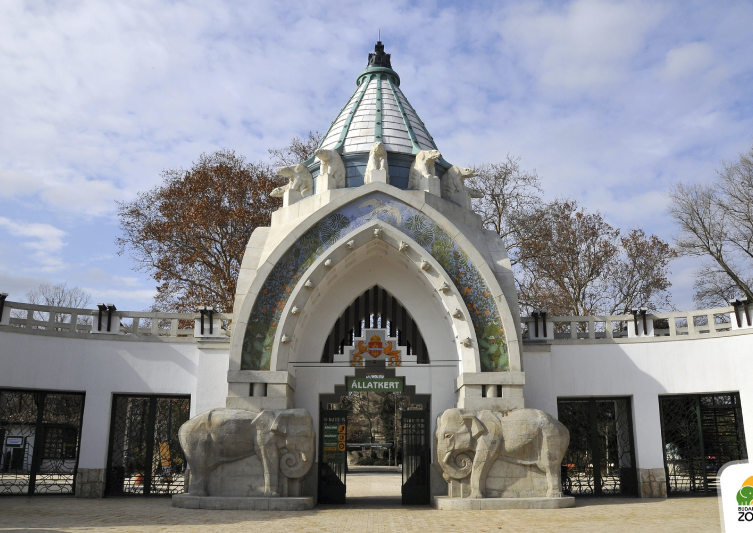
The Budapest Zoo & Botanical Garden: The Wonders of Nature In The Heart of Budapest
The Budapest Zoo & Botanical Garden is one of the oldest zoos in the world and a must-see attraction for any foreign tourist visiting Hungary’s...