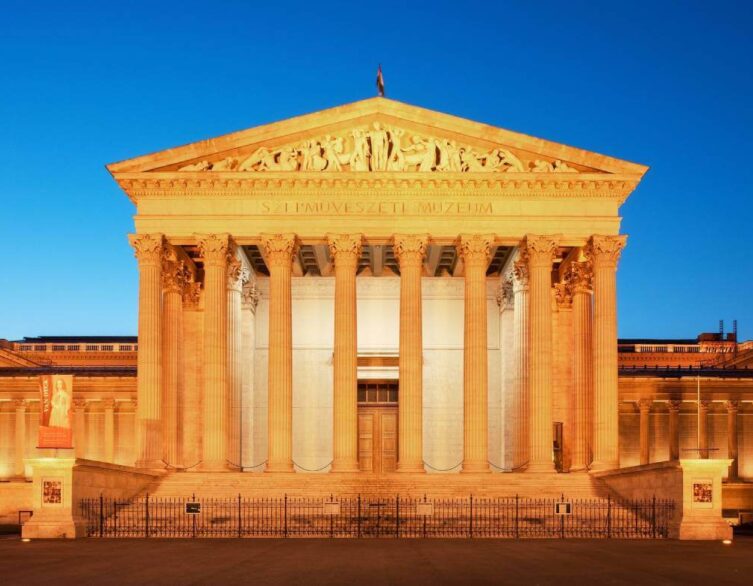
Gauguin Exhibition in Budapest: Discover a World of Colour at the Museum of Fine Arts
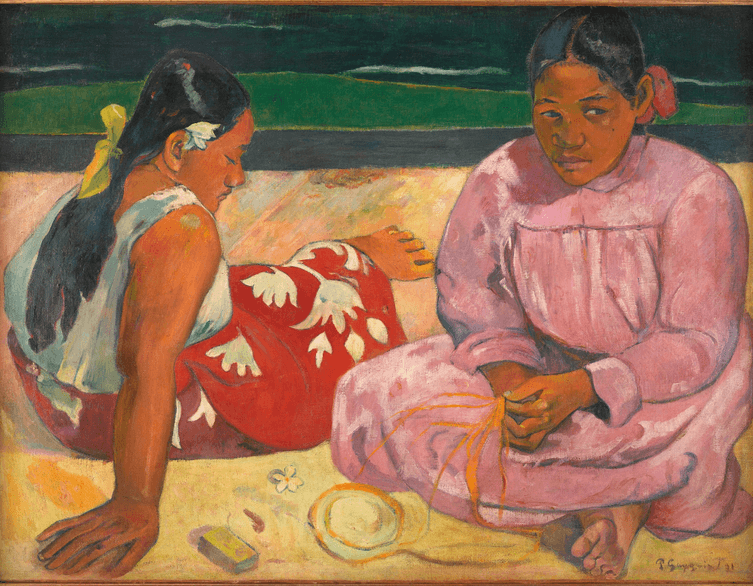
Looking for a memorable exhibition to add to your Budapest itinerary? The Museum of Fine Arts is welcoming visitors into the world of Paul Gauguin with Bonjour Monsieur Gauguin – The Circles of the Post-Impressionists and Symbolists. Running from October 30, 2026, to February 28, 2027, the exhibition makes an inviting cultural stop during an autumn or winter city break.
With 150 works on display, including 80 by Gauguin, this is the artist’s first major exhibition in Hungary. But it’s more than a journey through one painter’s career. Through friendships, creative exchanges and sometimes difficult relationships, the show explores how Gauguin developed his distinctive artistic language—and how his ideas travelled far beyond his own paintings.
More Than a Gauguin Retrospective
You don’t need to be an art history enthusiast to find a way into this exhibition. Its central theme is something much more familiar: connections. Who inspires us? How do encounters change the way we see the world? And what happens when creative minds challenge one another?
Curated by Judit Geskó, the exhibition places Gauguin alongside artists who influenced him, worked with him or responded to his ideas. Paintings by Claude Monet, Camille Pissarro, Paul Cézanne, Vincent van Gogh, Gustave Courbet, Paul Sérusier and Émile Bernard help bring that wider world into focus.
The result is an opportunity to look beyond Gauguin’s best-known tropical imagery. Rather than presenting him as an isolated genius, the exhibition follows the exchanges and experiences that shaped his work, tracing a path from late-19th-century painting towards modern art.
From Brittany to Martinique and Tahiti
The exhibition follows Gauguin’s artistic development through the places that left their mark on his imagination. His years in France, his time in Brittany, his journey to Martinique and his periods in Tahiti each form part of the story.
Across 15 main sections and nine smaller displays, visitors encounter changing landscapes, human figures, recurring themes and increasingly personal symbolism. Japanese art and the work of Pissarro, Cézanne and Rembrandt also enter the picture, revealing how varied the sources behind Gauguin’s art could be.
One painting worth slowing down for is Wrestling Boys. Its subject draws on gouren, a traditional Breton form of wrestling associated with festive occasions. Yet Gauguin isn’t simply recording a lively childhood contest. The heavy figures, deliberately altered proportions and measured movements give the scene an almost timeless quality. It’s an accessible example of how he moved away from naturalistic description towards something more expressive.
Famous Paintings Brought Together in Budapest
International loans are a major part of the exhibition’s appeal. Around 40 lending institutions have contributed works, including the Musée d’Orsay in Paris, the Metropolitan Museum of Art in New York, the Van Gogh Museum in Amsterdam and the Thyssen-Bornemisza Museum in Madrid.
Among the highlights are Tahitian Women from the Musée d’Orsay, Faa Iheihe (Tahitian Pastoral) from Tate in London and Two Tahitian Women from the Metropolitan Museum of Art. The exhibition’s title painting, Bonjour Monsieur Gauguin, has travelled from the Hammer Museum in Los Angeles.
Budapest’s own collection plays an important role, too. The Museum of Fine Arts holds 32 works by Gauguin—two paintings, two monotypes and 28 prints—giving the international loans a substantial local foundation.
Best deals of Budapest






For visitors, the attraction is the chance to see these works in conversation with one another, rather than as individual highlights scattered across museums around the world.
Gauguin, Van Gogh and the Story Behind the Title
The relationship between Gauguin and Van Gogh is one of the exhibition’s key threads. Their shared period in Arles appears as a distinct chapter, while a visit they made to Montpellier in December 1888 provides an important starting point for the exhibition’s narrative.
There, Gauguin encountered Courbet’s celebrated Bonjour Monsieur Courbet. After his break with Van Gogh, he returned to Brittany and painted his own Bonjour Monsieur Gauguin, responding to the earlier work.
In Budapest, Courbet’s painting is shown alongside the Hammer Museum’s Gauguin and a painting by Sérusier from the Musée d’Orsay. This arrangement invites you to look for shared motifs, different approaches and the ways an artistic idea can be transformed as it passes from one painter to another.
It’s a reminder that even a highly individual work can begin with an encounter—with another artist, another painting or another way of seeing.
An Unexpected Hungarian Connection
For international visitors, one of the exhibition’s most interesting perspectives is its exploration of Gauguin’s reception in Hungary.
The story extends beyond French painting to figures such as poet Endre Ady, painter József Rippl-Rónai and art historian Lajos Fülep, alongside representatives of modern Hungarian art. This part of the exhibition reveals how Gauguin’s ideas entered a different cultural setting and became part of wider debates about artistic expression.
It also gives the Budapest presentation a particular sense of place. You’re not simply seeing an international exhibition that happens to be in Hungary—you’re discovering how its central artist connects with the country’s own cultural history.
Planning Your Visit to the Museum of Fine Arts
Bonjour Monsieur Gauguin is on view until February 28, 2027. The Museum of Fine Arts stands beside Heroes’ Square, making the exhibition easy to combine with a walk around the square and nearby City Park.
The museum generally opens Tuesday to Sunday from 10 am to 6 pm, with last admission at 5 pm and gallery closing beginning at 5:30 pm. Mondays are normally closed, although special programmes and holiday arrangements can change the schedule, so check the opening hours for your chosen date.
Allow yourself time to explore rather than treating this as a quick stop: with 150 works and a story that unfolds through multiple artistic relationships, there’s plenty to take in. Check current exhibition ticket prices and booking options before visiting, particularly if you’re planning your day around a weekend or holiday.
Related events
Related attractions