Lights Down, Spirits Up: How Budapest and Hungary Are Conserving Energy Together
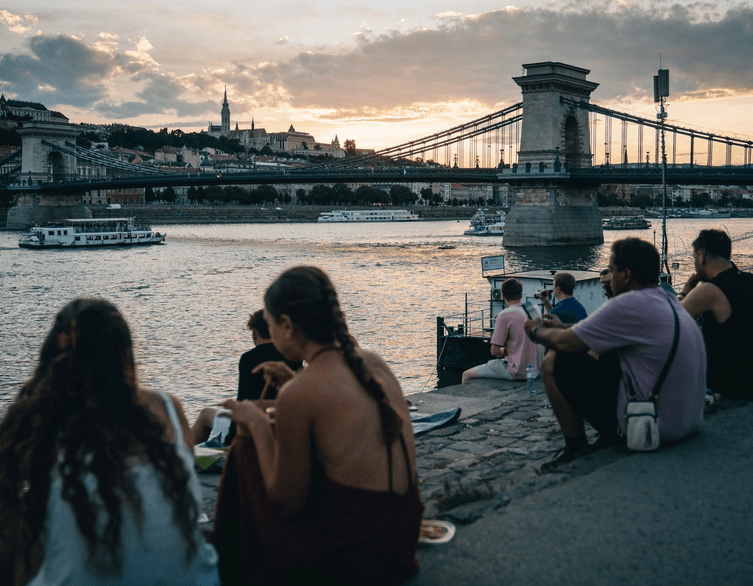
If you’ve noticed that a few of Budapest’s famously glittering landmarks look a touch less dazzling after dark this summer, or that your hotel’s air conditioning feels slightly less arctic than expected, you’re not imagining it. Hungary is in the middle of an unusually intense heatwave, and the entire country — from government buildings to airlines to your neighborhood post office — has quietly rolled up its sleeves to cut energy use while keeping the lights, trains, and taxis running.
The Heat Behind the Headlines
This isn’t just an uncomfortably warm August. Record-low water levels on the Danube have reduced cooling capacity at the Paks Nuclear Power Plant, which normally supplies more than 40 percent of Hungary’s electricity, forcing the plant to scale back generation and pushing the country to prepare contingency plans for large industrial energy users. At the same time, daytime highs have been hovering between 35°C and 40°C for weeks, driving air conditioning use to record levels and straining the power grid across the region. Utility company E.ON has reported two to three times the usual number of grid faults around Budapest and northern Transdanubia, mostly from overheating transformers and overloaded cables that simply can’t dissipate heat fast enough in this kind of weather.
The government’s response has been to ask everyone, from ordinary households to multinational corporations, to voluntarily trim their electricity use, especially during the peak evening window between 6 p.m. and 9 p.m. when demand spikes hardest.
What You’ll Actually Notice as a Visitor
The most visible change for tourists wandering around the city center is the lighting. Budapest’s mayor has ordered that decorative floodlighting on more than 300 municipally managed buildings stay switched off for the duration of the crisis, and he’s asked private building owners with their own decorative lighting to follow suit. Several tourism businesses have joined in too — river cruise operators like Silverline Cruises, for instance, announced they’re keeping only the lighting essential for safe operations and guest comfort switched on, while turning off all advertising and decorative illumination. So if the Chain Bridge, Buda Castle, or a riverboat looks a bit dimmer at night than in your Instagram research photos, that’s a deliberate, temporary choice rather than a maintenance issue, and honestly, the Danube skyline still looks pretty magical under moonlight alone.
Best deals of Budapest








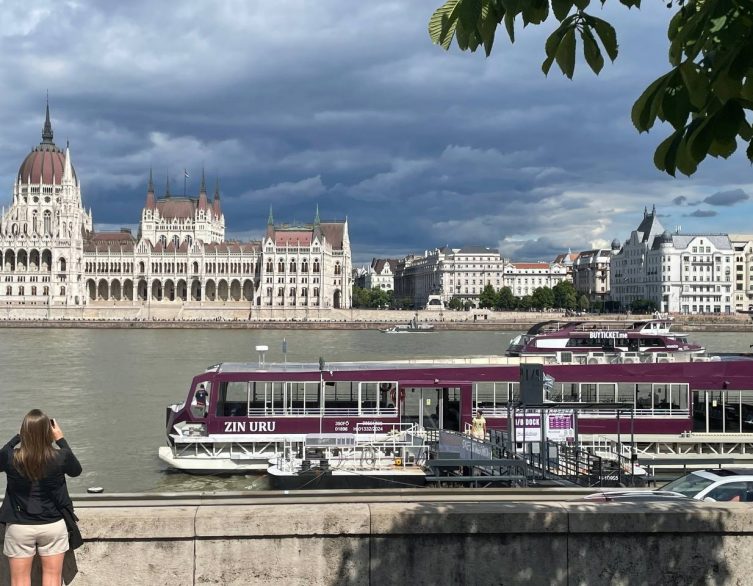
At Budapest Airport, the energy-saving push means the air conditioning in Terminal 2 is being run at a slightly higher temperature than usual, specifically between 5 p.m. and 10 p.m., for about ten days. The airport has been clear that this doesn’t touch anything safety-related or flight operations, so your flight schedule and the actual functioning of the airport remain completely unaffected — you might just want to dress a little lighter if you’re passing through the terminal during those evening hours.
Big Companies Are Pitching In Too
The energy-saving effort has turned into something of a national moment of solidarity, with a long list of major employers announcing their own measures within days of each other. Magyar Telekom sent home every employee whose job allows remote work for a two-week stretch in early August, specifically to reduce demand at its Budapest campus, and it switched off digital display screens at its headquarters and retail stores nationwide, keeping only what’s strictly necessary for customer service running. Industrial players got involved as well: the Samsung SDI plant near Göd cut its drinking water use by half and trimmed electricity consumption by 10 percent, while energy company MOL committed to reducing its own draw by 65 megawatts.
Hungary’s postal service, Magyar Posta, took a more human-centered approach given how many of its staff work outdoors or without air conditioning. Letter carriers are now sent out with only as much mail as they can deliver and still return to base by 11 a.m., post offices without air conditioning close early at noon to protect both staff and customers, and outdoor workers receive chilled water, high-SPF sunscreen, sun hats, and the option to swap their usual uniform shirts for lighter white ones.
A Snapshot of a Country Working Together
None of this should meaningfully disrupt your trip. Public transport keeps running, flights keep departing on schedule, and Budapest’s countless attractions, restaurants, and thermal baths remain fully open for business. What you’re witnessing instead is a fairly remarkable, coordinated national response to a genuinely difficult stretch of weather and grid pressure, one where hotels, airlines, government offices, telecom giants, and neighborhood post offices are all making small, visible sacrifices at the same time. If you want to be a good guest during your visit, the same advice given to locals applies to you too: run your hotel room’s air conditioning a bit less aggressively during the early evening peak hours, and consider charging your phone or laptop after 9 p.m. rather than during the hottest part of the day. It’s a small gesture, but it fits right in with the spirit of a city that’s currently proving it can stay hospitable even while quietly conserving every watt it can.
Related news
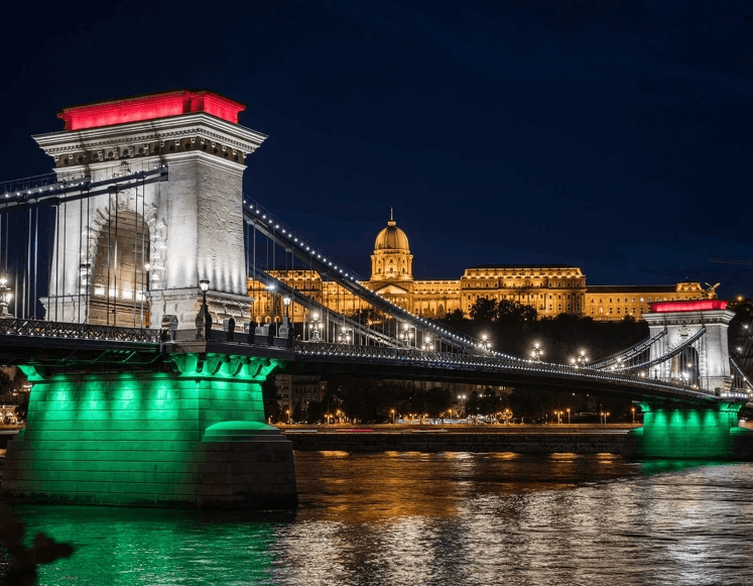
September 1: Budapest Gets Back to Its Rhythm
September 1 is famous around Budapest for one obvious reason: it’s the first day of the new school year. But this year, the date carries an...
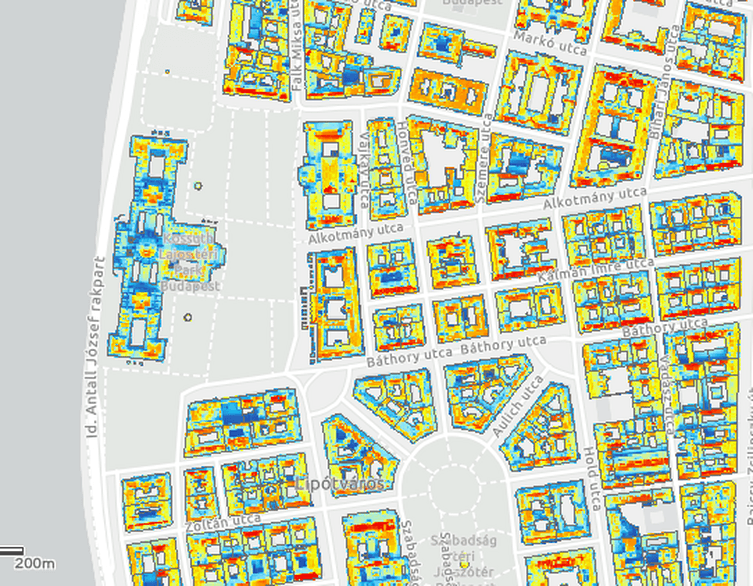
Two and a Half Nuclear Plants Are Hiding on Budapest’s Roof
Here’s a fun thought experiment for your next visit to Budapest: nobody in their right mind is proposing to build a nuclear reactor in the...
Why Budapest’s Famous Landmarks Are Staying Dark This Summer
If you’ve strolled along the Danube after sunset recently and noticed that the Hungarian Parliament Building, Buda Castle, and the Chain Bridge...
What’s On in Budapest: The City’s Best Photo Exhibitions Right Now
Budapest has quietly turned into one of Europe’s most rewarding cities for photography lovers this year, and you don’t need to hunt far...
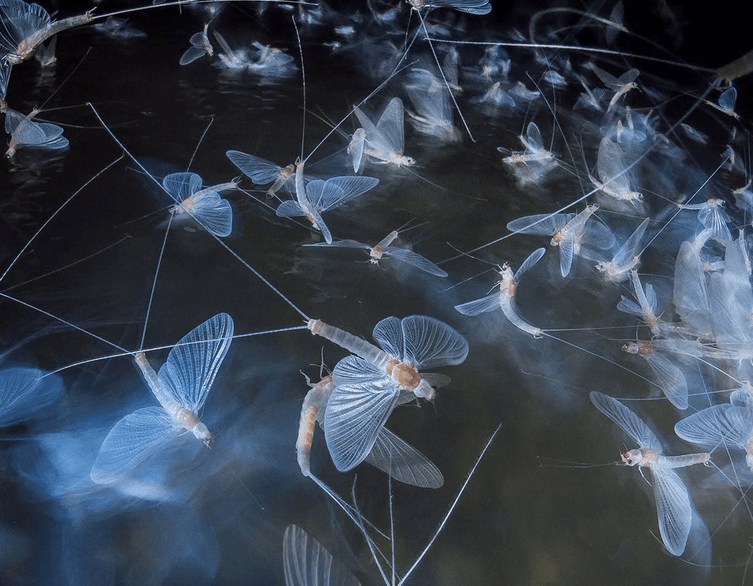
Budapest’s Magical Danube Mayfly Bloom: A Rare Summer Spectacle Worth Catching
If you happen to be strolling along the Danube in Budapest during the first weeks of August, you might witness one of nature’s most delicate...
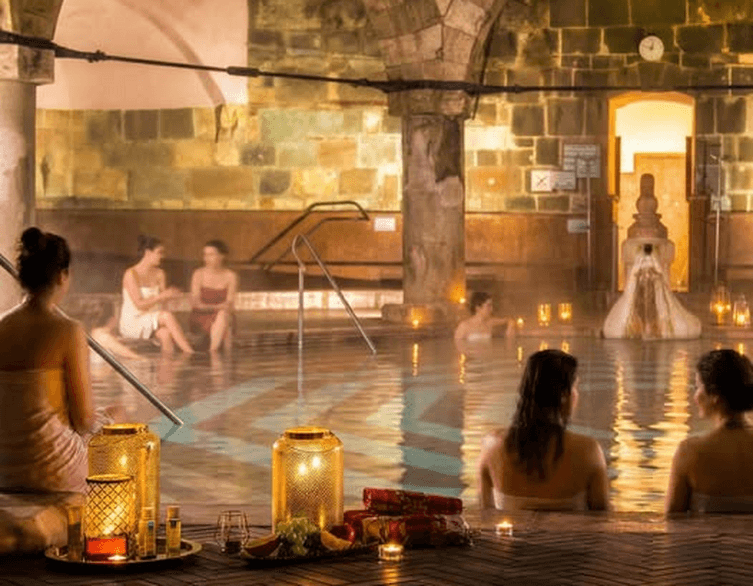
Budapest’s Baths Adjust Hours as Heatwave and Historic Drought Strain the Power Grid
If a Budapest thermal bath visit is on your itinerary this week, you’ll want to know that the city’s spa operator has just rolled out...
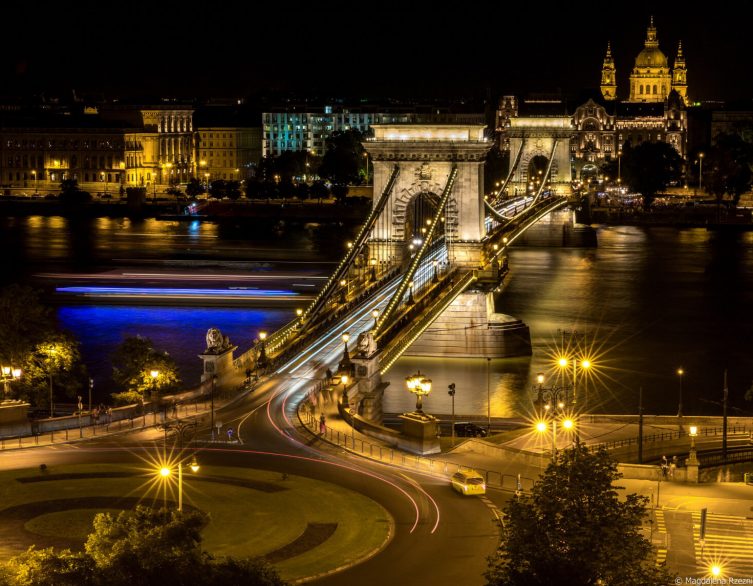
Budapest’s Ornamental Lights Will Be Shut Down
If you’re planning a trip to Budapest in the coming days, you might notice something unusual after sunset: the glowing facades of the Hungarian...
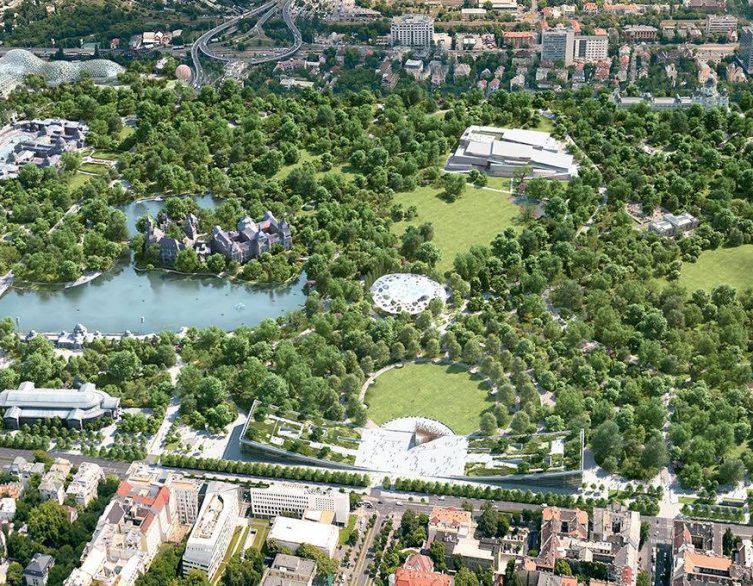
Beat the Heat: Your Guide to Staying Cool in Budapest’s City Park
When the pavement starts radiating heat and the sun feels relentless, Budapest’s City Park, known locally as Városliget, turns into one of...

Budapest Level 3 Heat Alert: How To Prepare and Stay Safe
If you’re planning to explore Budapest between July 30 and August 4, 2026, there’s something important you should know before packing...
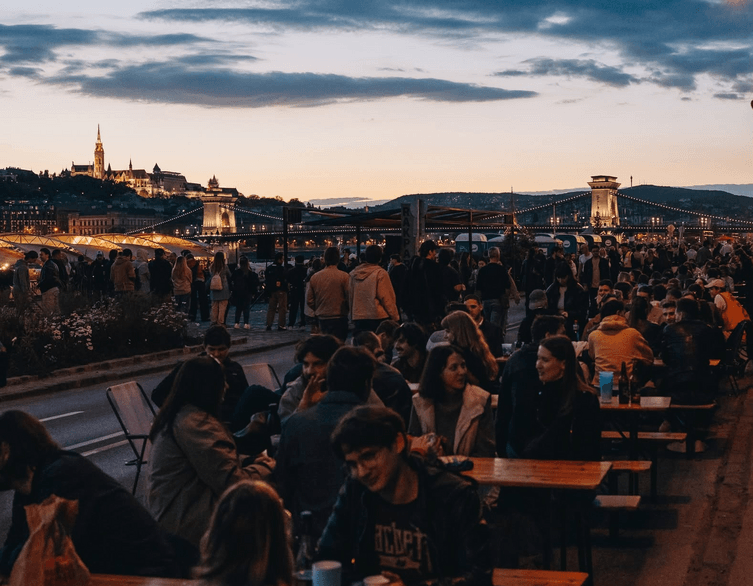
Budapest’s Best Events Under the Stars This Summer
There’s something about Budapest after dark that feels different from most European capitals. Maybe it’s the floodlit Parliament reflecting...
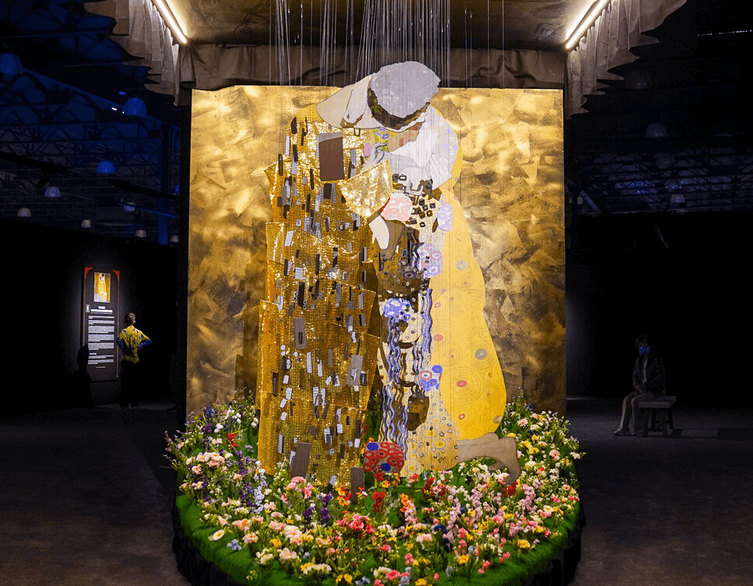
Budapest Light Shows: The Best Free and Immersive Exhibitions to Beat the Summer Heat
Summer in Budapest can be a bit tricky, weather-wise — one minute you’re basking in glorious sunshine, the next you’re dashing for...
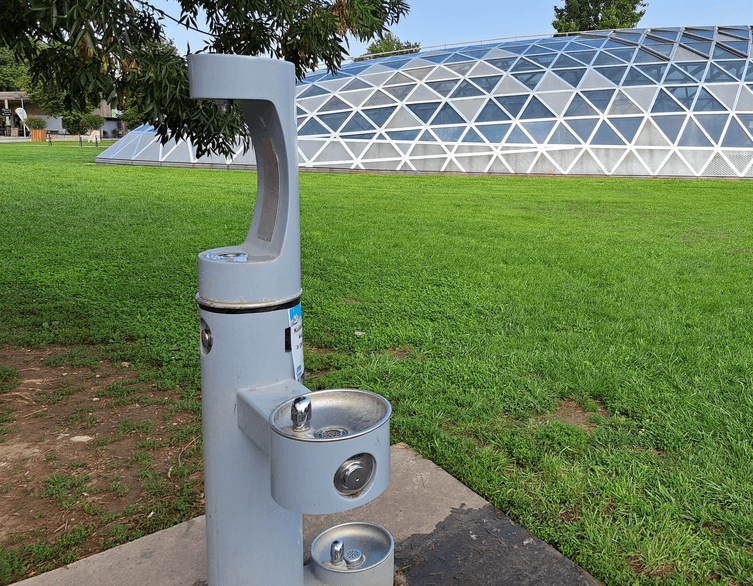
Stay Hydrated in Budapest: Free Drinking Water Fountains You Need to Know About
Budapest is a city made for exploring on foot. From the cobblestone streets of the Castle District to the buzzing ruin bars of the Jewish Quarter,...