Travel Smart in 2026: How to Choose the Right Travel Insurance for Your Trip
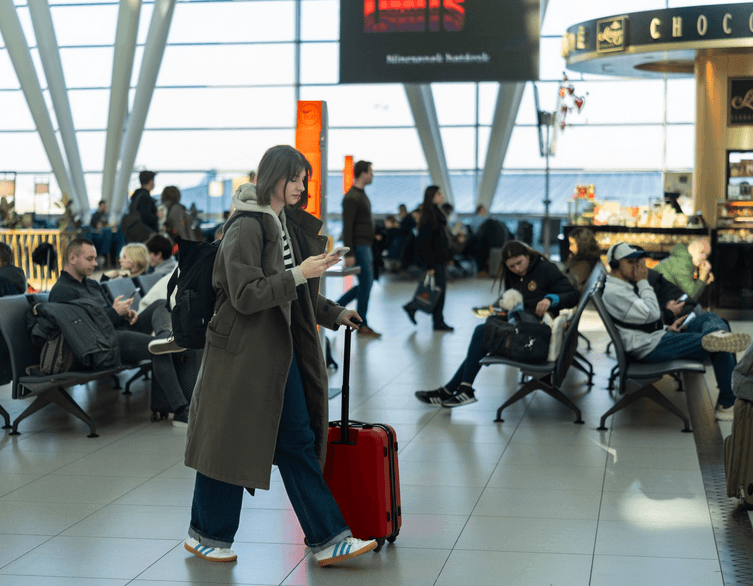
Travel insurance is one of those things that feels unnecessary — right up until the moment you desperately need it. As the summer season picks up and travellers flood into destinations like Budapest and across Europe, one of the smartest things you can do before you leave home is make sure the policy in your pocket actually matches the trip you’re taking. Here’s how to get it right.
Start With Your Trip, Not the Price Tag
The single biggest mistake travellers make when buying travel insurance is starting with the cheapest option and working backwards. The right approach is the opposite: start with the specific shape of your trip and find coverage that fits it.
Ask yourself a few key questions before you even start comparing policies. Are you planning any adventure activities — diving, rafting, via ferrata, water sports? Many standard policies quietly exclude these in the fine print, meaning you’d be unprotected during some of the most memorable moments of your holiday. Are you renting a car? If so, check whether the policy includes excess protection, because the rental company’s own damage waiver can be surprisingly expensive and a good travel policy can cover it instead. Are you travelling with a laptop, professional camera, or other high-value electronics? Make sure those are explicitly covered, and check the per-item limits carefully.
Best deals of Budapest











Medical Coverage Is Non-Negotiable
Whatever else your policy includes or excludes, never compromise on medical coverage. Healthcare costs abroad — particularly in countries outside the EU, or in the United States — can be staggeringly high, and without adequate cover, a broken ankle or an unexpected illness can turn into a financial crisis.
Look for a policy that covers not just emergency treatment, but also medical evacuation and repatriation if needed. If you have any pre-existing medical conditions, disclose them honestly when purchasing — failing to do so is the most common reason claims get rejected.
Don’t Overlook Flight Disruption Cover
In 2026, flight disruptions have become an almost routine part of air travel. Delays, missed connections, and cancellations generate real, unexpected costs — unplanned overnight hotel stays, meals at the airport, last-minute rebooking fees. These expenses arrive at the worst possible moment, and they add up fast.
A good travel insurance policy will cover additional accommodation and meal costs when your journey is disrupted for reasons beyond your control. Read the terms carefully, though — some policies only kick in after a delay of a certain number of hours, and the compensation limits vary widely.
Match the Policy to Your Travel Style
How you travel matters as much as where you’re going. If you’re a frequent traveller taking multiple trips a year, an annual multi-trip policy will almost certainly be more cost-effective than buying separate cover each time. If you’re travelling as a family or group, check whether everyone is covered under the same policy or whether individual policies would provide better protection.
Cruise travellers and those on road trips with rental vehicles should pay particular attention, as some budget policies don’t cover these travel styles at all. Similarly, if you’re travelling on a budget airline where the ticket itself has little monetary value but the trip represents significant pre-booked accommodation and activity costs, cancellation cover becomes especially important.
Read the Fine Print Before You Buy
This sounds obvious, but most travellers never actually read their policy documents. Pay particular attention to the exclusions section — this is where policies differ most significantly. Look for what’s not covered rather than just skimming the headline benefits. Common exclusions include alcohol-related incidents, certain sports and activities, unattended baggage, and any situation that arises from ignoring official travel advisories.
Also check the excess — the amount you’ll need to pay yourself before the insurance covers the rest. A very low premium often comes with a very high excess, which can make smaller claims essentially worthless to pursue.
Buy Early and Buy Right
Finally, buy your insurance as soon as you book your trip, not the night before you leave. Many of the most valuable benefits — particularly cancellation cover — only apply to events that occur after the policy is purchased. If something goes wrong between booking and departure, you’ll be glad you didn’t wait.
The best travel insurance isn’t the most expensive option on the comparison site — it’s the one that genuinely fits the journey you’re taking. A few minutes of careful reading before you buy can make all the difference when it matters most.
Related news
Summer Travel Traps (and How to Dodge Them): A Smart Tourist’s Guide to Booking Your Budapest Trip in 2026
Planning a summer escape to Budapest? Great choice. The Hungarian capital is serving up thermal baths, ruin bars, stunning Danube views, and one...

Budapest Ranked One of Europe’s Best Cities for Solo Travelers — And It’s Not Hard to See Why
So you’ve been thinking about taking that solo trip. Maybe you’ve been putting it off, telling yourself it’ll be lonely, or awkward,...

Google Travel Just Made Finding the Best Hotel Deal Way Easier — Here’s What You Need to Know
Planning a trip to Budapest? Lucky you. The city has everything: stunning architecture, thermal baths, ruin bars, and enough langos to make your...

No More Crowded Airport Buses: Budapest’s Smart New System Is Changing the Game for Travelers
If you’ve ever landed at Budapest’s Liszt Ferenc International Airport after a delayed flight, dragged your suitcase to the 100E bus...

The EU’s New Entry System Is Causing Travel Chaos — Here’s What You Need to Know Before Your Trip
If you’ve been planning a trip to Budapest or anywhere else in Europe this summer, there’s something important you need to know before...

Ten Years, 8.5 Million Passengers: FlixBus Is Reshaping How You Travel To and From Budapest
If you’ve ever looked up budget-friendly ways to get around Europe, chances are you’ve come across FlixBus — the green-liveried bus...