The EU’s New Entry System Is Causing Travel Chaos — Here’s What You Need to Know Before Your Trip
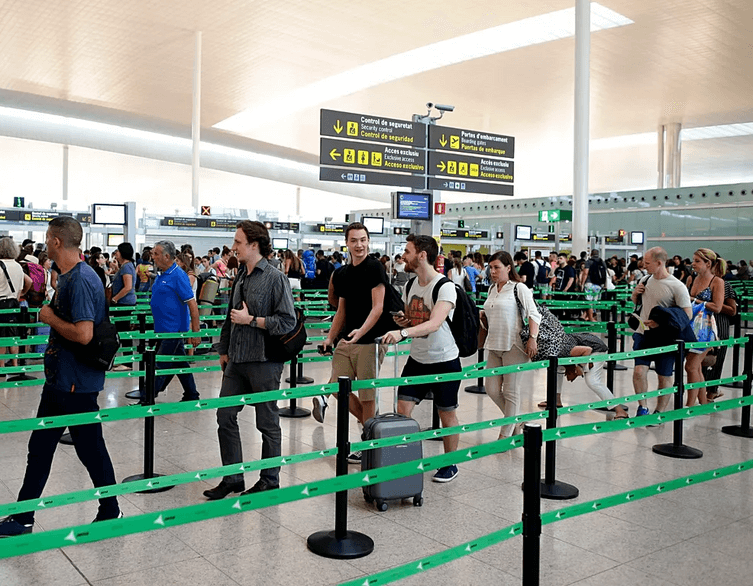
If you’ve been planning a trip to Budapest or anywhere else in Europe this summer, there’s something important you need to know before you pack your bags. The European Union has just launched a brand-new biometric border control system — and its first weekend in operation was, to put it mildly, a bit of a disaster.
What Is the Entry/Exit System?
The EU’s Entry/Exit System, known as EES, officially went live on Friday, April 10, 2026, and is now active across 29 European countries in the Schengen Zone. In simple terms, it replaces the old passport stamp with a fully digital process. Every time a non-EU traveler enters or exits a Schengen country — including Hungary — the system records the crossing and collects biometric data, meaning your photograph and fingerprints.
The EES applies to travelers from outside the EU who are visiting for short stays of up to 90 days within any 180-day period. If you’re arriving in Budapest from the UK, the US, Canada, Australia, or most other non-EU countries, this system applies directly to you. The goal is to strengthen border security and keep better track of entry and exit times — a sensible aim on paper, but the rollout has been anything but smooth.
Best deals of Budapest











A Chaotic First Weekend
The system’s debut was supposed to be a milestone moment for European border management. Instead, airports across the continent reported queues of up to three hours at passport control, with travelers missing flights, getting stranded, and scrambling for alternative routes home.
The most striking incident unfolded at Milan’s Linate Airport on Sunday, where an EasyJet flight to Manchester was scheduled to carry 156 passengers. After hours of waiting in border control queues, only 34 people made it onto the plane. The remaining 122 passengers were left behind in Italy, watching their flight take off without them. One family reportedly spent over £1,600 — roughly €1,838 — on connecting flights via Luxembourg just to get home, arriving more than 24 hours late.
ACI EUROPE and Airlines for Europe (A4E), the two major organizations representing European airports and airlines, issued a joint statement describing the first day of full operations as filled with “passenger disruptions, delays, and missed flights.” They noted that they had been warning about these exact challenges for weeks, and their “serious concerns” had now become reality.
Airlines Are Pushing Back — Hard
EasyJet’s spokesperson called the border delays caused by the EES rollout “unacceptable,” and A4E went even further in a separate statement, saying that three-hour queues at border control are not simply “teething problems” — they represent a “systemic failure.”
A4E is now urging the European Commission and EU member states to introduce greater flexibility into how the system operates. Their proposed solution is blunt: allow for the partial or full suspension of the EES where necessary, at least until the end of summer. While airlines broadly support the idea of stronger border security, A4E stressed that it “cannot come at the cost of persistent and recurring travel disruptions.”
What This Means for Your Budapest Trip
Budapest’s Ferenc Liszt International Airport is part of the Schengen Zone, which means travelers arriving from non-EU countries will go through the EES process when they land. Hungarian border authorities, like their counterparts across Europe, are now operating under this new system.
The practical advice right now is straightforward: give yourself significantly more time at the airport than you normally would. Arriving the standard 90 minutes before a short-haul flight or two hours before a long-haul flight may no longer be enough during this transitional period. Many travel experts and airline representatives are currently recommending adding at least an extra hour — and possibly two — as a buffer, particularly at busier airports and during peak travel times.
It’s also worth keeping an eye on your airline’s communications. Carriers are actively monitoring the situation and may issue updated guidance as the weeks go on and the system (hopefully) stabilizes.
The Bigger Picture
The EES has been years in the making and has already been delayed multiple times before this April launch. The idea behind it is sound — digital border management reduces the risk of overstays, helps identify fraudulent travel documents, and creates a more reliable record of movement through the Schengen Zone. But the gap between a well-designed system and a smoothly functioning one at scale is clearly wider than authorities anticipated.
For now, Budapest remains one of Europe’s most exciting and welcoming destinations, and the EES chaos is very much a work in progress rather than a permanent state of affairs. Just plan ahead, arrive early, and keep a little extra patience in your carry-on.
Related news

Travel Smart in 2026: How to Choose the Right Travel Insurance for Your Trip
Travel insurance is one of those things that feels unnecessary — right up until the moment you desperately need it. As the summer season picks...
Everything You Need to Know Before Flying Out of Budapest Airport
So, your Budapest adventure is coming to an end — or maybe you’re just passing through the Hungarian capital on your way somewhere new. Either...
What’s New at Budapest Airport: New Routes, a Renewed FAQ, and Big Plans for the Future
Budapest Ferenc Liszt International Airport has been making headlines lately, and for all the right reasons. From exciting new flight connections...

Getting from Budapest Airport to the City Just Got Even Easier
Good news for anyone flying into Budapest: as of April 1st, 2026, the 100E Airport Express bus is running more frequently than ever before. Budapest’s...
Flying to Budapest After EES: How EU Border Delays Affect Your Trip
Flying to Budapest has become slightly more complicated for some non‑EU travellers, thanks to a new EU border registration system that is still...