No More Crowded Airport Buses: Budapest’s Smart New System Is Changing the Game for Travelers

If you’ve ever landed at Budapest’s Liszt Ferenc International Airport after a delayed flight, dragged your suitcase to the 100E bus stop, and found yourself staring at a packed bus with no room to squeeze on, you’ll be very glad to hear this news. Budapest’s public transport authority, BKK, has just rolled out a brand-new data-driven flight monitoring system that’s set to make the journey from the airport to the city center smoother, smarter, and a lot less frustrating.
The Problem Every Traveler Knows
Air travel is unpredictable by nature. Delays ripple through schedules, flights bunch up, and suddenly a wave of passengers all arrive at the same time — all of them heading for the same bus stop, all of them wanting to get into town. The 100E Airport Express, Budapest’s direct bus service between Liszt Ferenc International Airport and Deák Ferenc Square in the heart of the city, has long been one of the best-value ways to get into Budapest. It runs 24 hours a day, takes roughly 35 to 40 minutes to reach the city center, and stops at two key hubs — Kálvin Square and Deák Ferenc Square — from where you can connect to virtually anywhere in Budapest. But during peak arrival moments, even a well-run service can struggle to keep up with sudden surges in passenger numbers.
A Smarter Solution: Real-Time Flight Tracking
BKK’s answer to this challenge is elegant and thoroughly modern. Since March 2026, the authority has been piloting a proprietary flight traffic monitoring system that tracks incoming air traffic in real time and flags congestion before it even happens. The system automatically alerts BKK dispatchers when a higher-than-usual number of aircraft are expected to land within a given window, giving the operations team enough lead time to increase the frequency of 100E services before the crowds arrive rather than scrambling to react afterward.
The algorithm works on a planning horizon of 90 to 120 minutes, which means the people managing Budapest’s bus network can see what’s coming well in advance and put extra buses on the route with plenty of time to spare. The system integrates both flight schedule data and live airport traffic information into a single interface, so dispatchers always have the full picture at a glance.
After a month of successful testing, BKK officially adopted the system in early April 2026. The verdict from the pilot period was clear: the technology works, passengers benefit, and the airport connection becomes measurably more reliable as a result.
Best deals of Budapest











What This Means for You as a Traveler
In practical terms, this development means that even if your flight is delayed, diverted, or arrives simultaneously with several other aircraft, there’s now a much better chance that a 100E bus will be waiting — or arriving shortly — when you reach the stop. The days of watching three buses pull up all at once, each of them already full from the previous surge, should become increasingly rare.
It’s a meaningful quality-of-life improvement for tourists especially, who often arrive tired after long-haul flights, unfamiliar with the city, and carrying heavy luggage. Knowing that Budapest’s public transport system is actively adapting to your flight’s actual arrival time — not just a fixed timetable — makes the whole experience feel that much more welcoming.
Getting on the 100E: Tickets and Tips
One thing worth knowing before you board: the 100E requires a special airport shuttle bus single ticket, which is separate from a standard BKK single ticket. A regular single ticket will not be accepted on this route, and inspectors do check — so don’t get caught out. The airport shuttle ticket currently costs 2,500 HUF (roughly €6–7), and there’s a discounted add-on fare of 1,000 HUF if you already hold a valid BKK travel pass.
The easiest way to buy your ticket is through the BudapestGO app, which you can download for free on both iOS and Android before you even board your outbound flight. The app is available in English, lets you purchase the airport shuttle ticket digitally, and also handles journey planning with live arrival times across the entire Budapest network. Alternatively, tickets are available from BKK vending machines at the airport, from the BKK customer service points located in the arrivals hall, and from BKK ticket offices across the city. Travelers over 65 and children under 14 can ride the 100E free of charge.
A Step Toward the Future of Urban Mobility
BKK has made clear that this flight-monitoring system is just the beginning. The authority intends to use the lessons learned from this pilot to develop further data-driven improvements across Budapest’s broader public transport network. The ambition is a city where buses, trams, and metros respond dynamically to real-world demand — not just to a timetable drawn up months in advance.
For a city that welcomes millions of international visitors each year, that kind of intelligent, responsive infrastructure is a genuine competitive advantage. It signals that Budapest isn’t just maintaining its public transport network — it’s actively investing in making it smarter. And for travelers arriving at Liszt Ferenc airport for the first time, stepping off the plane and onto a well-timed, uncrowded bus into the heart of one of Europe’s most beautiful capitals is about as good a first impression as a city can make.
Related news
Flying to Budapest with Wizz Air? Here’s Where to Pack Your Power Bank
Your phone is charged, your boarding pass is ready and your portable charger is tucked into your suitcase. Before you zip it up, check which suitcase...
Your Ultimate Summer Travel Guide from Budapest’s Ferenc Liszt International Airport
Summer is officially here, and if you’re flying out of Budapest this season, there’s genuinely never been a better time to do it. Ferenc...

Flying from Budapest Just Got Easier: New Accessibility Tools, a Downtown Baggage Drop, and a Booming Airport
Budapest Ferenc Liszt International Airport has been quietly rolling out a series of passenger-focused improvements that are well worth knowing about...
No More Lugging Your Suitcase Around Budapest: The City-Center Airport Hub That Changes Everything
If you’ve ever spent your last precious hours in Budapest wrestling a heavy suitcase up cobblestone streets, sweating through the metro, and...
Budapest Airport Prepares for Summer 2026 Making Travelling More Comfortable
If you’re flying into or out of Budapest this summer, here’s some genuinely good news: Ferenc Liszt International Airport has been busy....
Wizz Air Baggage Disputes: What Every Traveler Needs to Know Before Their Next Flight
If you’ve ever stood at a boarding gate nervously watching a staff member wrestle your carry-on into one of those metal sizing frames, you’re...
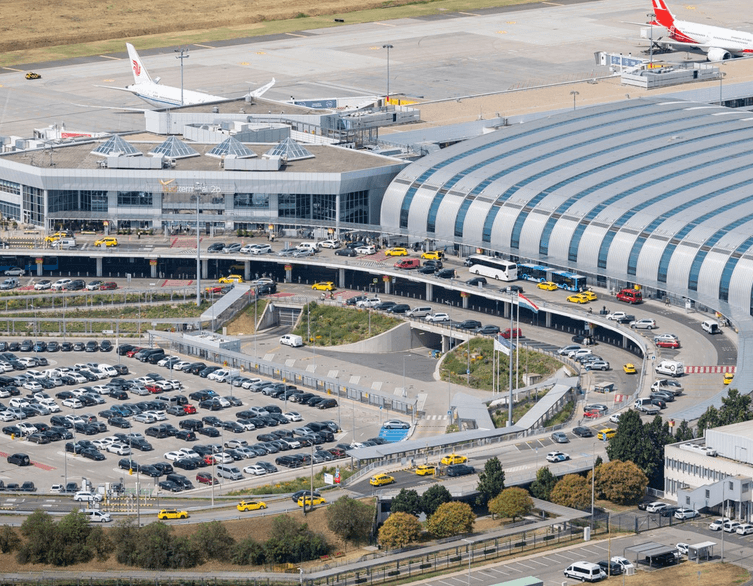
Getting to and Around Budapest Airport Just Got a Lot Easier This Summer
Budapest Ferenc Liszt International Airport is heading into the 2026 summer travel season with some exciting upgrades that make arriving, departing,...

Direct Flights Between Budapest and Toronto Return: A New Gateway Connecting Hungary and North America
Traveling between Europe and North America just became significantly easier. One of the most anticipated air connections for international travelers...

Direct Flights from Budapest to the USA Are Back — And the Tickets Are More Affordable Than You’d Think
After a six-year pause, one of the most anticipated routes in transatlantic aviation is finally back. Starting May 22, 2026, American Airlines is...
Budapest Airport Prepares for the 2026 UEFA Champions League Final: What Visitors Need to Know
Budapest is preparing to take center stage as it hosts one of the most anticipated sporting events in the world: the 2026 UEFA Champions League Final....
Travel Smart in 2026: How to Choose the Right Travel Insurance for Your Trip
Travel insurance is one of those things that feels unnecessary — right up until the moment you desperately need it. As the summer season picks...

Moxy Budapest Downtown: Hungary’s First Moxy Hotel Opens in the Heart of the Party District
Budapest has a new address for travelers who want more than just a place to sleep. Moxy Budapest Downtown, Hungary’s first Moxy hotel, officially...
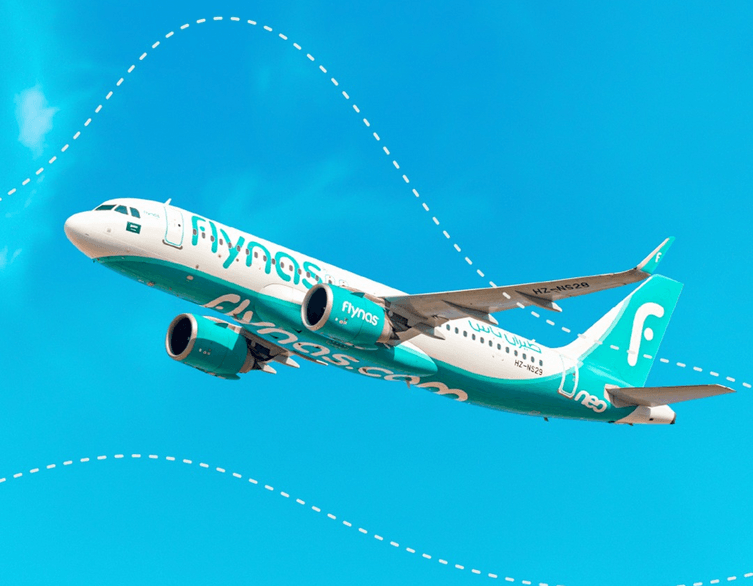
Direct Flights Between Budapest and Riyadh Return for Summer 2026
Budapest will once again have a direct connection with Riyadh thanks to a new seasonal service operated by flynas. The airline will run flights three...
Summer Travel Traps (and How to Dodge Them): A Smart Tourist’s Guide to Booking Your Budapest Trip in 2026
Planning a summer escape to Budapest? Great choice. The Hungarian capital is serving up thermal baths, ruin bars, stunning Danube views, and one...

Budapest Ranked One of Europe’s Best Cities for Solo Travelers — And It’s Not Hard to See Why
So you’ve been thinking about taking that solo trip. Maybe you’ve been putting it off, telling yourself it’ll be lonely, or awkward,...
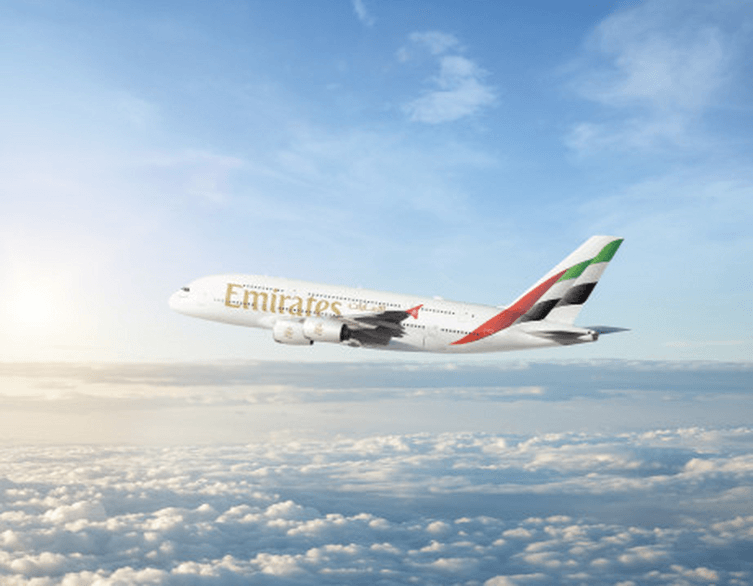
Dubai Is Back on the Map: Daily Emirates Flights from Budapest Return in June
If you’ve been dreaming of a Dubai stopover or a long-haul adventure connecting through the Gulf, here’s some genuinely good news: the...
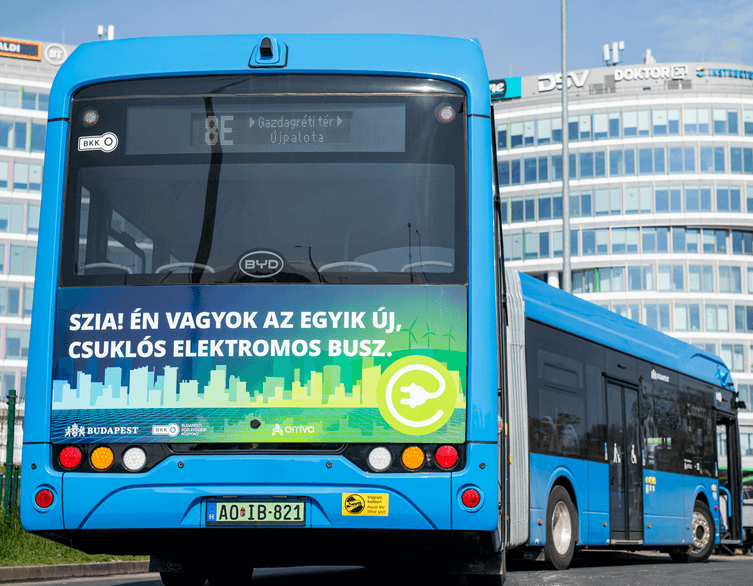
Budapest’s Buses Just Went Electric — and Riding the City Has Never Been This Good
If you thought Budapest was already one of Europe’s most impressive cities, wait until you hear what’s happening on its streets. While...

Play a Game at Budapest Airport and Win €25 — While Helping Save the Planet
If you thought waiting for your flight at Budapest Ferenc Liszt International Airport was just an exercise in staring at departure boards and overpriced...
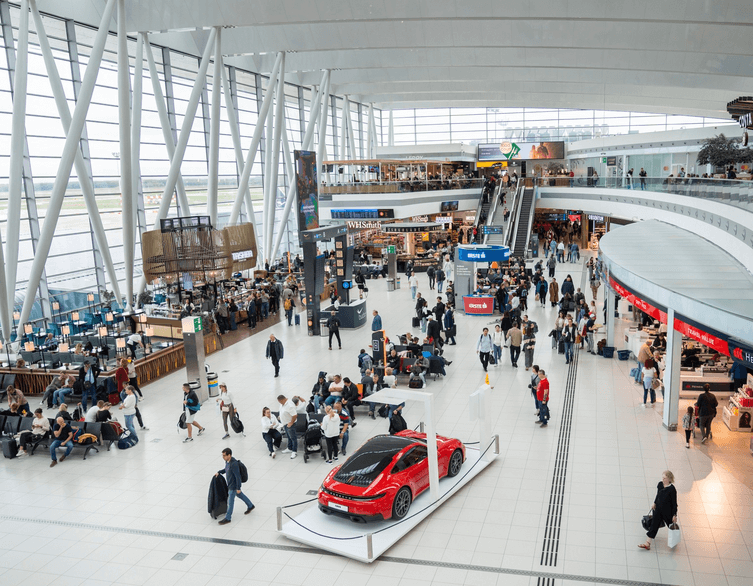
Navigating Budapest Airport Just Got a Lot Easier — Here’s What You Need to Know
Arriving in a new city is exciting, but let’s be honest — navigating an unfamiliar airport can be a little stressful, especially when you’re...
Everything You Need to Know Before Flying Out of Budapest Airport
So, your Budapest adventure is coming to an end — or maybe you’re just passing through the Hungarian capital on your way somewhere new. Either...
What’s New at Budapest Airport: New Routes, a Renewed FAQ, and Big Plans for the Future
Budapest Ferenc Liszt International Airport has been making headlines lately, and for all the right reasons. From exciting new flight connections...
Getting from Budapest Airport to the City Just Got Even Easier
Good news for anyone flying into Budapest: as of April 1st, 2026, the 100E Airport Express bus is running more frequently than ever before. Budapest’s...
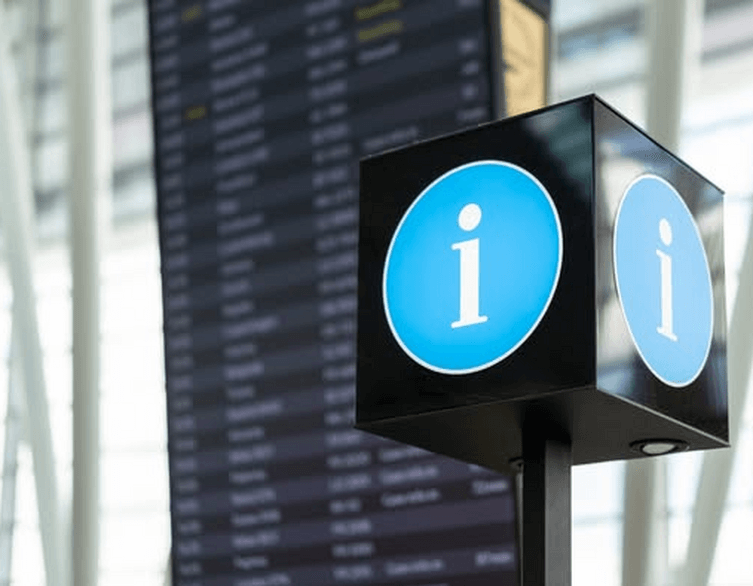
Your Stress-Free Guide to Budapest Airport: Everything Just Got a Whole Lot Easier
Traveling through a foreign airport can feel like navigating a maze — especially when you’re in a country whose language looks and sounds...
Budapest Airport’s New Digital VAT Refund: Save Big on Your Shopping Spree
Hey, fellow traveler—if you’re jetting into Budapest from outside the EU, get ready for a game-changer at Ferenc Liszt International Airport...