Summer Travel Traps (and How to Dodge Them): A Smart Tourist’s Guide to Booking Your Budapest Trip in 2026

Planning a summer escape to Budapest? Great choice. The Hungarian capital is serving up thermal baths, ruin bars, stunning Danube views, and one of Europe’s most underrated food scenes — all at prices that still make Western Europeans quietly jealous. But before you start fantasizing about a langos by the river, there are a few things you need to know about booking your trip this year. The summer of 2026 comes with some sneaky financial pitfalls, and Hungary’s own Competition Authority — the Hungarian Competition Authority (GVH) — has taken the unusual step of issuing a public warning to travelers. So buckle up, because we’re about to save you some serious money.
Flights Are Getting Pricier — Here’s Why
Let’s start with the elephant in the room, or rather, the jet fuel in the tank. Kerosene prices have skyrocketed in recent months, largely due to geopolitical tensions following the Iranian conflict, and that increase has been trickling — rather aggressively — into airline ticket prices. According to travel industry experts, the price of kerosene per tonne has more than doubled compared to February levels, and analysts don’t expect it to come back down anytime soon. In Hungary, average ticket prices have already risen noticeably per person, while some European airlines have introduced fuel surcharges of up to 80 euros per person on summer flights.
Here’s the twist that catches many travelers off guard: even if you’ve already booked a package holiday, you might not be fully in the clear. Under certain conditions, tour operators are legally permitted to raise package prices by up to 8% if their costs increase significantly — and you, as the passenger, are generally obliged to accept this under the terms of the contract. This applies especially to long-haul and fuel-intensive routes, so the further your connecting flight, the more exposed you are to price adjustments. A solid travel insurance policy that covers trip disruptions and unexpected cost changes can offer meaningful peace of mind in exactly these situations — it won’t freeze the price, but it can protect you if rising costs force you to cancel or change your plans entirely.
Book Smart — The “U-Curve” Trap Is Real
Timing your booking is genuinely more of an art than a science, but there’s one rule of thumb worth keeping in mind: the so-called U-shaped price curve. Book more than 120 days in advance and you’ll often pay a premium for the privilege of being early. Wait until the last minute hoping for a deal, and you’ll almost certainly pay even more. The sweet spot tends to sit somewhere in between — close enough to the travel date for prices to have settled, but not so close that you’re competing with desperate last-minute bookers.
The GVH also flags that the urge to “wait and see” on prices could cost you considerably more as the summer season heats up. If you do book early, make sure your travel insurance includes adequate cancellation coverage, so that if your plans change — or if an unexpected event forces you to pull out — you’re not left staring at a non-refundable booking with no recourse.
Dark Patterns: When the Internet Is Trying to Trick You
Here’s where things get a little devious. The GVH has been keeping a very close eye on online booking platforms and airlines, and what they’ve found is not exactly flattering for the industry. In 2024, Booking.com was fined over 382 million Hungarian forints for failing to comply with its previously imposed obligations and for continuing to use urgency-based communication tactics designed to pressure consumers into hasty decisions. Meanwhile, Wizz Air was found to have withheld key information about online check-in processes that led to unexpected additional costs for passengers — the investigation ended with the airline committing to cash compensation for thousands of affected customers. The GVH is currently also investigating Airbnb and Ryanair.
What are these tactics actually? Think of the little banner that screams “7 people are looking at this right now!” or the countdown timer ticking away on an offer that always seems to reset when you refresh the page. These are what the GVH calls dark patterns — psychological pressure tools designed to push you toward a decision you might not otherwise make. Throw in confusing multi-price displays and vague small print, and you have the perfect recipe for a booking regret. The key takeaway: slow down, compare offers, and never assume the first price you see is the best one.
Best deals of Budapest











The Hidden Cost at the Checkout Counter
So you’ve booked your flights and your accommodation, you’re in Budapest, and you’re about to pay for a beautiful dinner near the Danube Promenade. The card machine asks if you’d like to pay in your home currency — pounds, dollars, euros — instead of Hungarian forints. Seems convenient, right? Wrong. This is called Dynamic Currency Conversion (DCC), and it is one of the most reliably expensive “conveniences” in travel.
When you pay in your home currency abroad, the exchange rate applied is set by the merchant’s bank — not your own bank — and it is almost always significantly less favorable. The result is that you end up paying more for every transaction without realizing it. The GVH specifically highlights this as a growing trap for tourists. The fix is simple: always choose to pay in Hungarian forints (HUF) when in Hungary, and let your own bank handle the conversion. Your wallet will thank you.
Accommodation: Read Before You Book
Online accommodation platforms are full of wonderful options for a Budapest stay — from cozy apartments in the Jewish Quarter to design hotels overlooking St. Stephen’s Basilica. But the GVH urges travelers to do a bit of homework before hitting “confirm.” Reading reviews from previous guests is a no-brainer, but it’s equally important to check what’s actually included in the room, what the cancellation policy looks like (and how much it’ll cost you if plans change), and what payment methods are accepted. Some properties that look great on paper turn out to have strict no-refund policies buried in the terms — information that only surfaces after you’ve paid. This is precisely why travel insurance with strong cancellation and accommodation protection clauses is worth every penny when booking non-refundable stays.
Renting a Car? Inspect It Like a Detective
If you’re planning to explore Hungary beyond Budapest — and you really should, because the countryside around Lake Balaton or the Tokaj wine region is spectacular — you might be considering a car rental. The GVH’s advice here is refreshingly practical: inspect the vehicle thoroughly before you drive off the lot, and make sure every single scratch, dent, and scuff is recorded in the handover document. A tiny ding that was already there when you picked the car up can suddenly become your financial responsibility when you return it, and disputing damage claims without documentation is a frustrating uphill battle. Many comprehensive travel insurance policies include car rental excess coverage — worth checking before you automatically accept the rental company’s own (usually overpriced) insurance add-on at the counter.
Why Booking Through a Travel Agency Still Makes Sense
In the age of DIY travel, it can feel old-fashioned to book through a travel agency — but in today’s volatile market, they offer some real advantages that are easy to overlook. Large agencies negotiate volume deals with airlines and hotels, which means they can sometimes absorb or spread price increases in ways that individual travelers simply can’t. More importantly, if something goes wrong — a flight cancellation, an unexpected geopolitical event, a sudden change in entry requirements — a travel agency has the infrastructure to sort it out quickly and rebook alternatives, while the solo traveler is left on hold with a call center for three hours.
This doesn’t mean you have to book a full package. But if you’re planning a longer trip, traveling with family, or heading somewhere exotic with a fuel-heavy flight path, the security blanket of a reputable travel agency — combined with a solid travel insurance policy — might be well worth it this summer.
Your Budapest Summer Awaits — Just Go In With Your Eyes Open
Budapest is a brilliant destination at any time of year, but summer 2026 asks a little more of travelers in terms of financial savvy. Rising fuel costs, pressure tactics from booking platforms, and the sneaky trap of dynamic currency conversion are all working against your budget — but none of them are unavoidable with a bit of preparation. Book at the right time, read the fine print, pay in local currency, inspect that rental car like you’re buying it, and make sure your travel insurance actually covers what you need it to cover. Do all that, and your Budapest adventure should be everything you hoped for — dramatic, delicious, and blissfully free of nasty surprises.
Related news

Budapest Just Landed on the World’s Hotel Map
If you’ve ever wondered where to stay in Budapest to get the full experience — history, elegance, location, and genuinely warm hospitality...
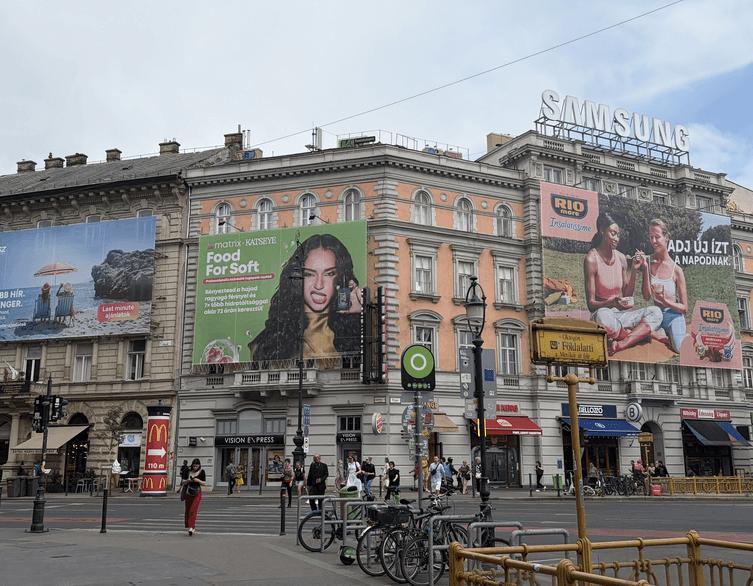
Budapest Without Giant Billboards: A New Era for the City’s Historic Beauty
A Clearer View of Budapest’s Iconic Architecture Budapest is often described as one of Europe’s most beautiful capitals, where grand historic...

Budapest in the Spotlight: How the City Hosted the Champions League Final
When the final whistle blew — and after a dramatic penalty shootout — Paris Saint-Germain lifted the Champions League trophy in Budapest, but...
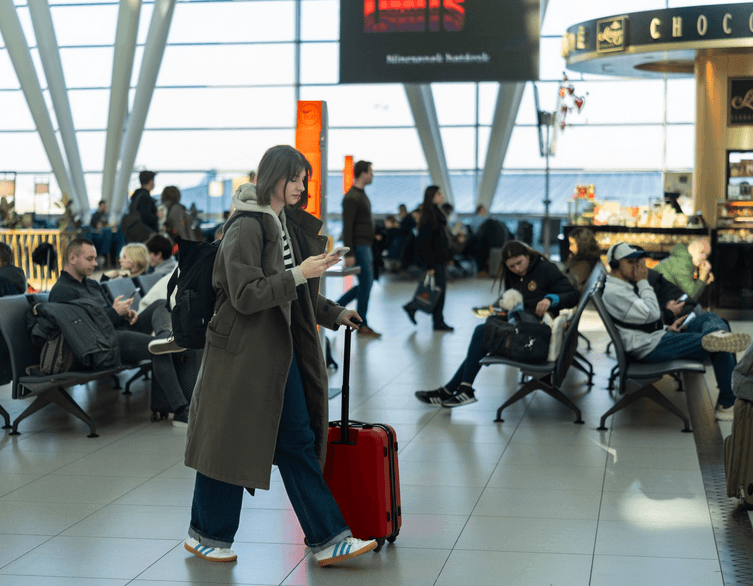
Travel Smart in 2026: How to Choose the Right Travel Insurance for Your Trip
Travel insurance is one of those things that feels unnecessary — right up until the moment you desperately need it. As the summer season picks...
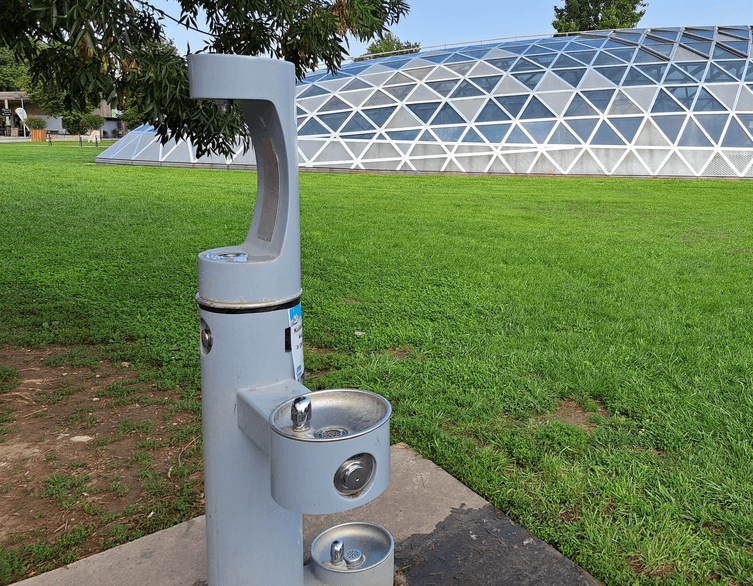
Stay Hydrated in Budapest: Free Drinking Water Fountains You Need to Know About
Budapest is a city made for exploring on foot. From the cobblestone streets of the Castle District to the buzzing ruin bars of the Jewish Quarter,...

Budapest’s Hotel Boom: 8–10 New Hotels Opening in 2026 — From St. Regis to Moxy, Ruby, and Beyond
Budapest has always had a flair for reinvention — and in 2026, the Hungarian capital is doing it again, this time with a full-blown hotel boom...

The Embankment Is Back: Budapest’s Favourite Car-Free Riverside Has Returned
Every spring, something quietly magical happens along the Danube in Budapest. The cars disappear, the barriers go up, and suddenly one of Europe’s...
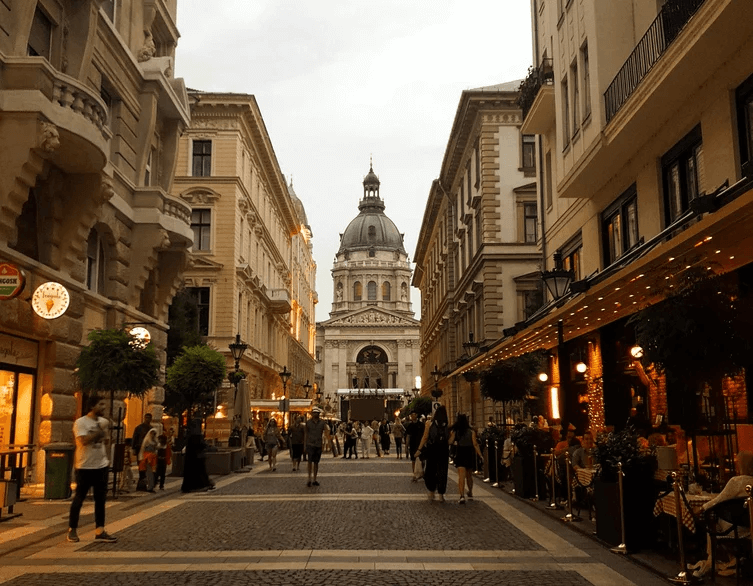
Budapest Ranked One of Europe’s Best Cities for Solo Travelers — And It’s Not Hard to See Why
So you’ve been thinking about taking that solo trip. Maybe you’ve been putting it off, telling yourself it’ll be lonely, or awkward,...

Navigating Budapest Airport Just Got a Lot Easier — Here’s What You Need to Know
Arriving in a new city is exciting, but let’s be honest — navigating an unfamiliar airport can be a little stressful, especially when you’re...

No More Crowded Airport Buses: Budapest’s Smart New System Is Changing the Game for Travelers
If you’ve ever landed at Budapest’s Liszt Ferenc International Airport after a delayed flight, dragged your suitcase to the 100E bus...