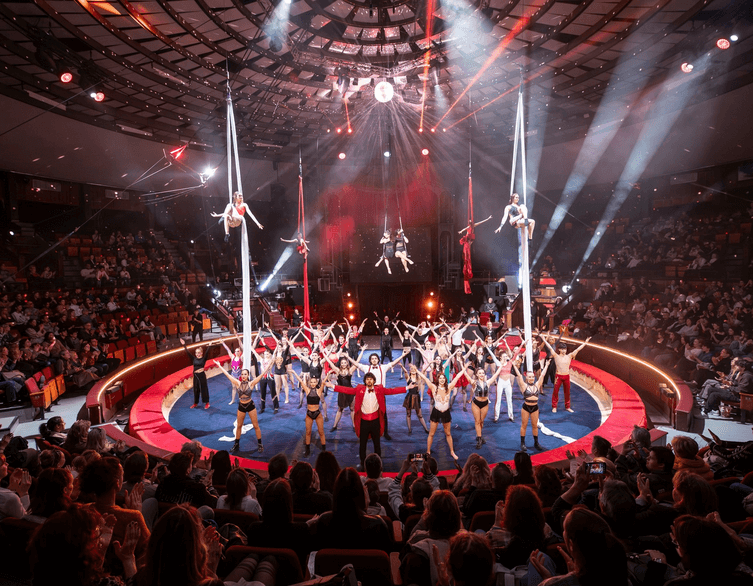
Budapest’s Circuses Are Cheering — Wild Animals Are Getting Their Retirement Papers
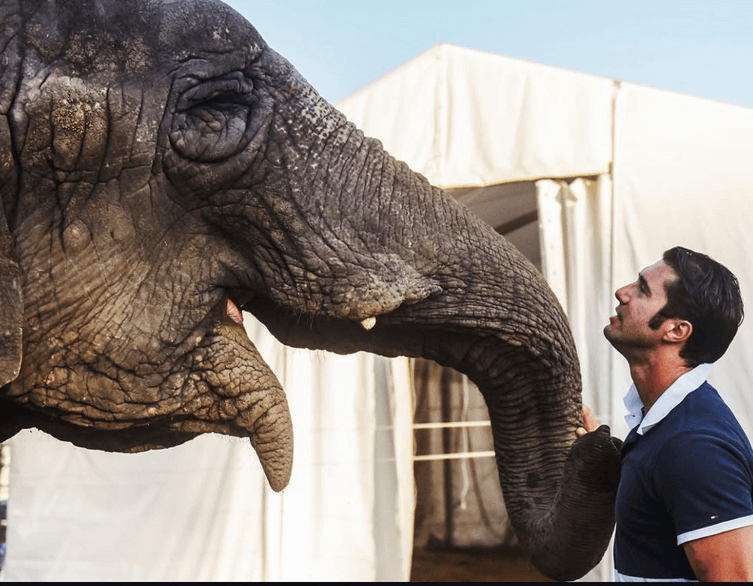
In a plot twist that almost no one saw coming, Hungary’s circuses are actually happy about a government ban. Yes, you read that correctly. When Minister László Gajdos announced that wild animals would be prohibited from circus performances starting in 2027, the reaction from the country’s circus directors wasn’t outrage or protest — it was basically a standing ovation. And honestly, the story behind that response is rather wonderful.
Hungary is, rather embarrassingly, the last country in the European Union to formally ban wild animals from circus shows. Elephants, big cats, seals, walruses, and primates will all be off the performance roster by 2027, bringing Hungary in line with the rest of the continent. But here’s the twist: Budapest’s circus world had already been quietly moving in this direction for years, making the new law less of a shock and more of a formality.
Budapest’s Great Circus — Already Ahead of the Curve
The Capital Circus of Budapest, or Fővárosi Nagycirkusz — a stunning purpose-built circus building in City Park that’s absolutely worth a visit if you’re in town — welcomed the announcement warmly. Its director, Péter Fekete, pointed out that tigers jumping through flaming hoops haven’t been part of the programme there for quite some time. He made the rather charming argument that circus culture, with its centuries-old traditions of working with animals, actually has a lot to teach society about responsible animal care — and that the circus can be a place where children learn the basics of animal welfare firsthand. A surprisingly thoughtful take from a man who presumably spends his days surrounded by acrobats.
The Richter Family — Circus Royalty with a Conscience
If you want the real heart of this story, you need to know about the Richter family, who are essentially circus royalty in Hungary. The Magyar Nemzeti Cirkusz, or Hungarian National Circus, is run by József Richter Jr., who made headlines back in 2022 when he voluntarily pulled all wild animals from active circus work — a full four years before the law required it. To house his retired performers, he founded the Richter Safari Park in Nagykőrös, where former circus animals now live in species-appropriate enclosures and receive expert care. The park continues to accept new animals as the transition progresses.
Then there’s the Richter Flórián Circus, run by Flórián Richter — József’s brother — which went even further back in 2015, becoming the first Hungarian circus to remove big cat acts from its programme entirely. Since then, the show has pivoted to spectacular equestrian performances, which have earned the company some of its greatest international acclaim. Horses, camels, parrots, and other domesticated animals will still be permitted under the new rules, which the Richter family wholeheartedly supports.
Best deals of Budapest








Szandra — The Elephant Who Deserves Her Own Movie
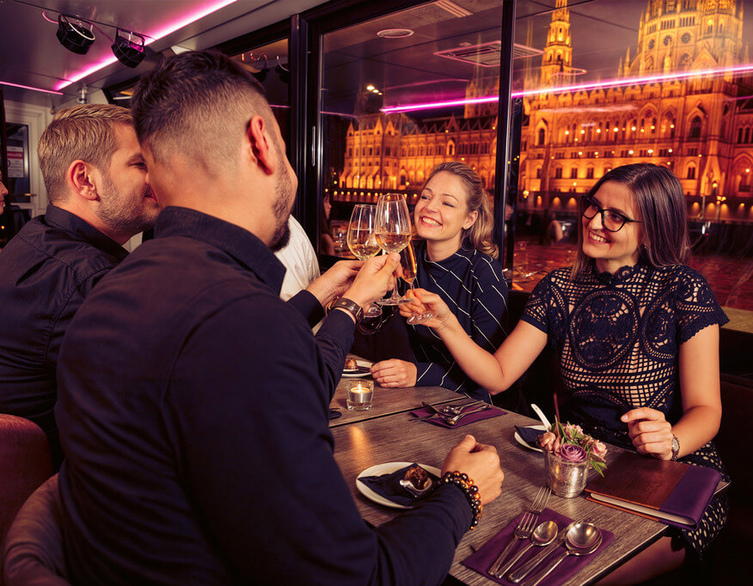
And then there is Szandra. She is a 51-year-old Indian elephant, born in 1975, and she is the last circus elephant actively living and travelling with a Hungarian circus. She has spent 49 years with Flórián Richter, who literally grew up alongside her. This is not a standard performer-and-trainer relationship — by any reasonable measure, it’s a nearly half-century friendship between a man and an elephant, which is the kind of sentence that makes you put down your coffee and just sit with it for a moment.
Szandra actually retired from performing two years ago and hasn’t appeared in front of an audience since, though she has continued to travel and live with the circus family because, as they put it, her life, her home, and her family have always been with Flórián’s troupe. This year, Flórián is passing the reins of the circus to his children, Angelina and Kevin — and he and Szandra are doing one final tour together, gently easing the next generation into their roles before both of them officially retire at the end of the season.
Their permanent retirement home is already ready and waiting — a specially built elephant house, stables, a large outdoor enclosure, and plenty of green space on the Richter family’s estate in Szada, a small village just outside Budapest. It sounds, frankly, like an excellent retirement plan. Better than most humans manage.
What This Means If You’re Visiting Budapest
If you’re planning to take in a circus show during your time in Budapest — and the Capital Circus of Budapest in City Park is genuinely a spectacular venue worth experiencing — you can do so knowing the city’s circus culture is evolving in a thoughtful direction. The performances are shifting their focus toward the extraordinary human artistry of acrobatics, aerial work, and horsemanship, which if anything makes for a more jaw-dropping show.
And if you find yourself moved by Szandra’s story, the Richter Safari Park in Nagykőrös is about an hour from Budapest and offers a chance to see former circus animals living out their well-earned retirement. It’s the kind of day trip that leaves you feeling unexpectedly optimistic about how people and animals can look after each other — which, given the state of the world, is never a bad thing.
Related news
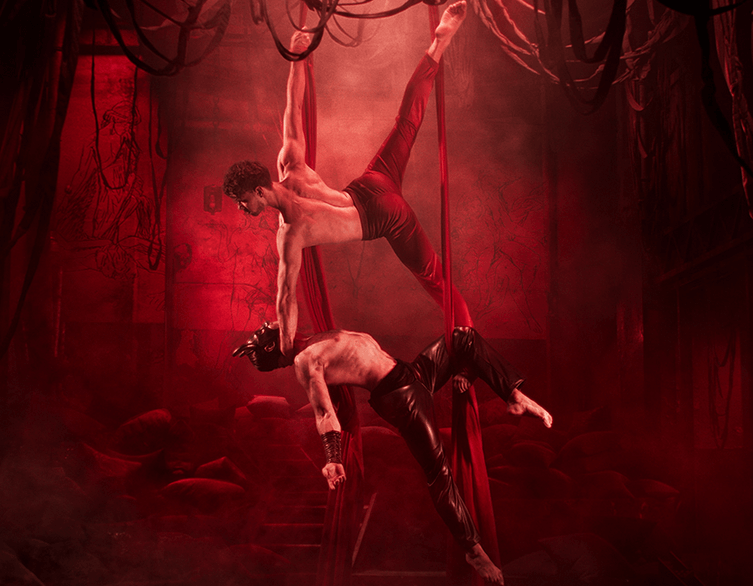
Immersive Theater and Circus Spectacles Take Over Budapest This September
Budapest in September 2026 isn’t just about thermal baths and river cruises. This month, the city becomes a stage for some of the most ambitious...
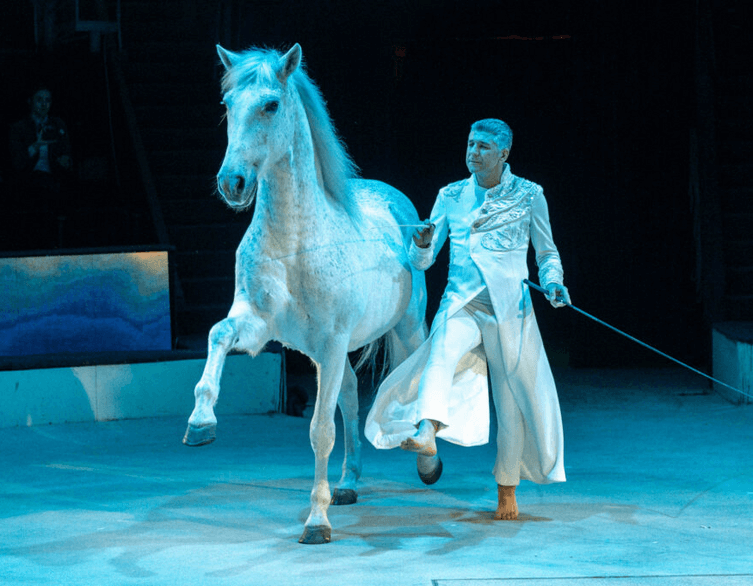
Budapest Zoo Cheers as Hungary Finally Bans Wild Animals from the Circus
There are moments in the slow, grinding machinery of legislation when something genuinely good happens — and when it does, it’s worth pausing...
From Discipline to Dialogue: How the Circus Evolved Through Time
When you sit beneath the grand dome of the Capital Circus of Budapest and watch a performer soar through the air or guide a horse in perfect synchronization,...
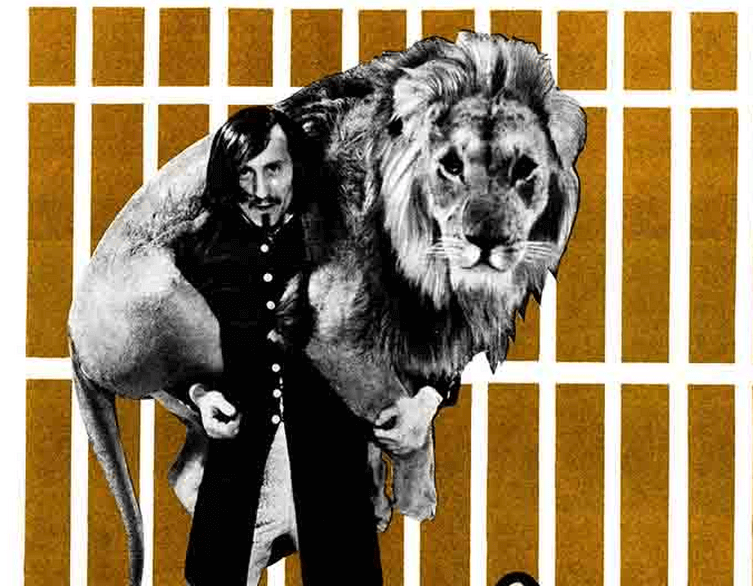
The Grand Circus Turns 55: Celebrating Budapest’s Iconic Palace of Wonders
If you wander through Budapest’s City Park on a crisp winter morning, just a few steps from Heroes’ Square, you might catch sight of a building...
Related events
Related attractions