Why Budapest’s Parks Look a Little Wilder This Spring — and Why That’s Actually Great News
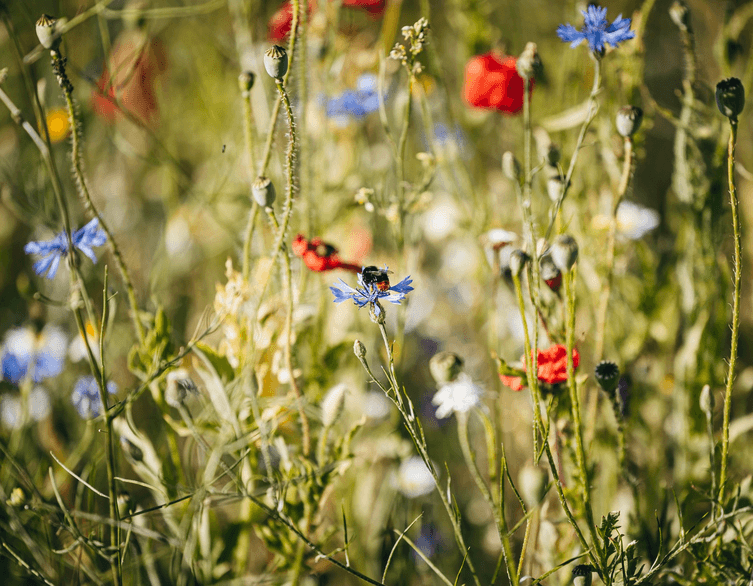
If you’ve been strolling through Budapest’s parks lately and noticed the grass looking a little longer than usual, don’t worry — nobody forgot to mow. The city has made a deliberate, science-backed decision to let things grow a bit wilder this spring, and it’s all part of a smart response to one of the driest seasons the Hungarian capital has seen in decades.
Budapest’s public green space management organisation, Főkert (part of Budapest Public Utilities), has introduced a new mowing protocol that will remain in effect through the end of May 2026. The reason is straightforward: this spring has been exceptionally dry, and the usual mowing schedule would actually do more harm than good to the city’s green spaces under these conditions.
The Science Behind the Longer Grass
It might seem counterintuitive, but letting grass grow taller is one of the most effective tools urban ecologists have for fighting drought conditions. Taller grass shades the soil beneath it, which dramatically slows down evaporation and keeps moisture locked in the ground for longer. When you mow a lawn short during a dry spell, you’re essentially exposing the soil to direct sunlight and heat — accelerating the very problem you’re trying to manage.
Best deals of Budapest










Under the new protocol, Főkert is raising the mowing height in parks by up to 5 centimetres compared to the usual standard. In less-trafficked green zones and outer areas of the city, mowing has been suspended altogether for now. The goal, as the organisation put it, is not neglect — it’s a consciously redesigned green space management strategy that adapts to increasingly extreme weather patterns.
What’s Still Being Maintained — and Where
Before you worry about overgrown pavements and disappearing cycle lanes, it’s worth clarifying what the new protocol actually changes. Főkert is continuing regular mowing wherever traffic safety requires it — meaning the strips of grass alongside roads, pavements, and cycle paths are still being kept low and clear so that pedestrians, cyclists, and drivers have unobstructed sightlines.
The organisation is also maintaining what’s called contour mowing along transport routes, keeping a narrow band of vegetation closely trimmed right at the edge of paved surfaces. So while the broader green areas may be growing more freely, the city’s infrastructure remains safe and navigable. If you’re exploring Budapest on foot or by bike — which, by the way, is one of the best ways to see the city — you won’t find any surprise vegetation blocking your path.
Budapest’s “No-Mow May” and the Bigger Picture
The new protocol aligns neatly with a national “No-Mow May” initiative promoted by Hungary’s incoming environmental government, making Budapest one of the leading cities in the country to embrace this ecological approach at scale. Budapest’s Chief Landscape Architect, Sándor Bardóczi, has also called on the city’s district councils to adopt similar measures for the green spaces under their own management — so the effect could spread well beyond the centrally managed parks.
This isn’t entirely new territory for Budapest, either. Since 2021, Főkert has been maintaining areas of natural-style grassland and wildflower meadows under the Wildflower Budapest programme, in which certain zones are mowed only once or twice a year instead of the usual five to ten times. By 2026, these so-called bee pastures cover nearly one million square metres across the city — a remarkable figure that puts Budapest ahead of many European capitals when it comes to urban biodiversity.
What This Means for Visitors
For tourists, this all translates into a Budapest that looks and feels noticeably more lush and alive this spring. Parks like City Park (Városliget), Margaret Island, and the green corridors along the Danube may have a slightly wilder, more natural character than you’d find in a manicured city park — and that’s genuinely worth appreciating. The taller, denser vegetation stays greener and fresher-looking than closely cropped lawns precisely because it retains moisture, so you’ll likely find these spaces more visually inviting, not less.
Throughout the summer, the wildflower areas offer a continuously changing display as different species come into bloom at different times. Főkert’s experts monitor these zones throughout the year and adjust their boundaries and composition based on what’s thriving — and in 2026, they’re also seeding new meadows using two specially developed wildflower mixes, one containing 49 species from a blend called Budapest RÉT, and another 10-species flowering mix.
A City Thinking Long-Term
What makes this initiative interesting beyond the immediate drought response is what it signals about Budapest’s direction as a city. Urban green space management is quietly becoming one of the more important battlegrounds in the fight against climate change, and Budapest is clearly taking it seriously. Letting grass grow, encouraging pollinators, and protecting soil health might not make headlines the way a new bridge or a major renovation does — but for a city that welcomes millions of visitors a year, keeping its parks genuinely green and ecologically rich is an investment that pays off every single day.
So if you find yourself sitting on a slightly longer patch of grass in one of Budapest’s beautiful parks this May, know that you’re not just enjoying a picnic — you’re witnessing a city actively adapting to its future.
Related news
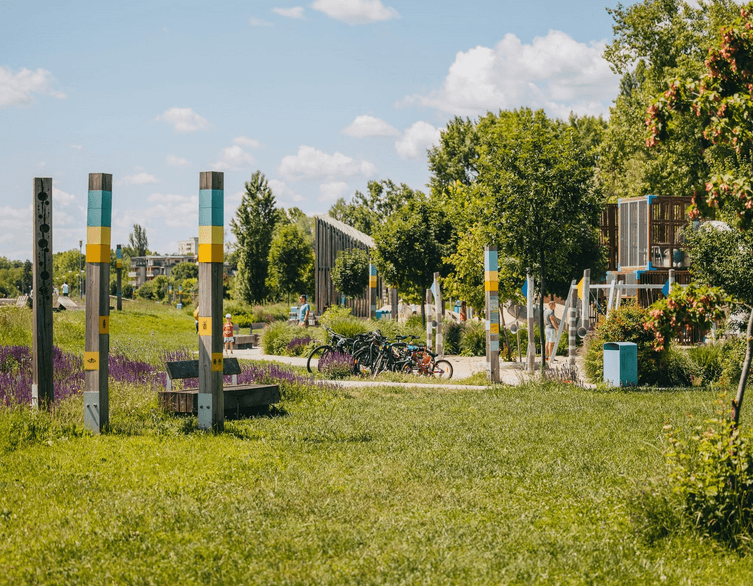
Pünkösdfürdő Park: Budapest’s Most Beautiful Eco-Friendly Green Space
Budapest has no shortage of parks, but Pünkösdfürdő Park in the city’s leafy 3rd district is something genuinely different. Stretching...

Budapest’s Greenest Summer Event: Climate Weekend on the Danube Promenade
Budapest in June is alive with sunshine, river breezes, and vibrant city life, but this year, there is something even more meaningful to experience....
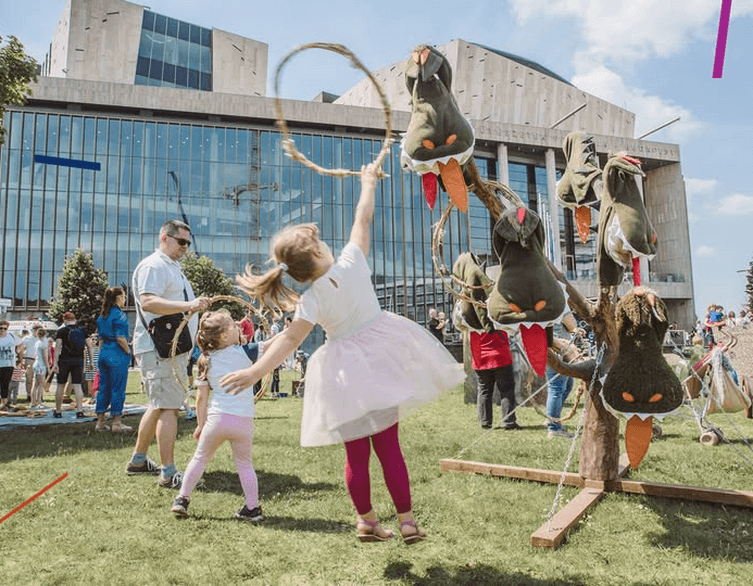
Children’s Day in Budapest 2026: Best Family Events for Visitors
If you are visiting Budapest at the end of May, you are in for a special treat. Children’s Day in Hungary is celebrated every year on the last...
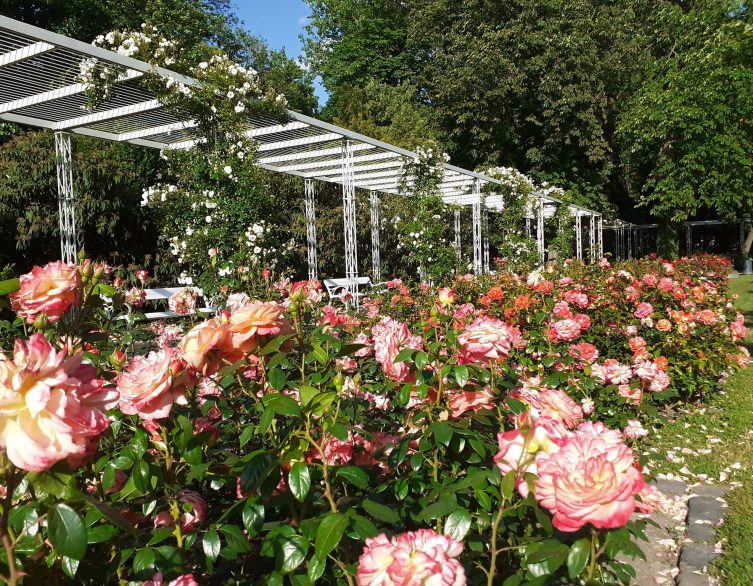
Budapest’s Most Beautiful Rose Gardens: Where to Find the City’s Most Romantic Corners This Summer
There’s something quietly magical about a rose garden in full bloom — the colour, the scent, the sense that the world has slowed down just...
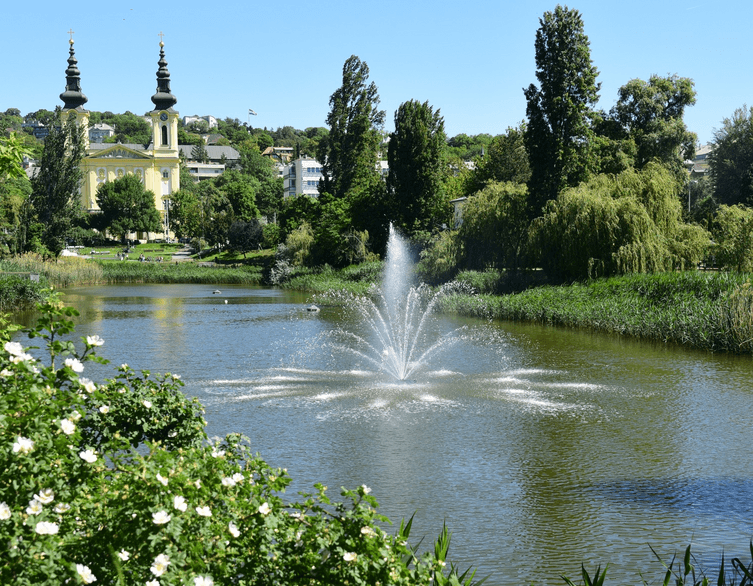
Feneketlen Lake Fountain Returns: A Refreshed Urban Oasis in Budapest’s Újbuda
Budapest has plenty of famous landmarks, but some of its most memorable places are the quieter ones, the parks and waterfront corners where locals...
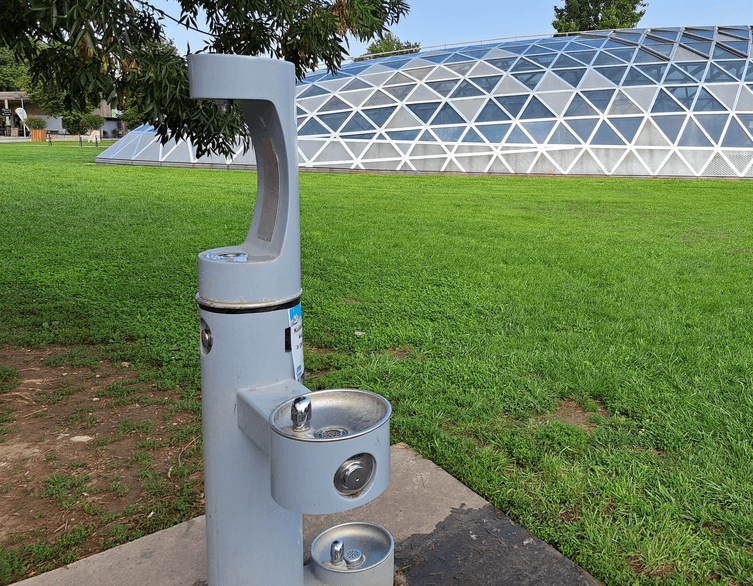
Stay Hydrated in Budapest: Free Drinking Water Fountains You Need to Know About
Budapest is a city made for exploring on foot. From the cobblestone streets of the Castle District to the buzzing ruin bars of the Jewish Quarter,...
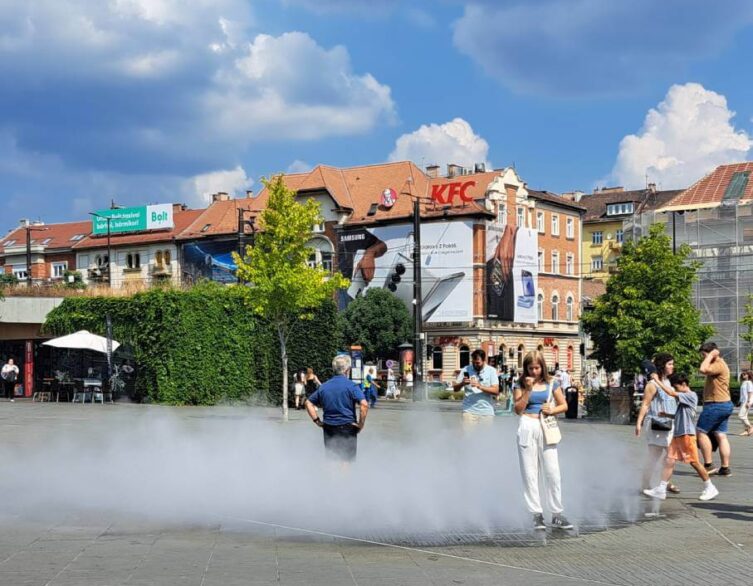
Budapest Is Heating Up: What Tourists Should Know About This Summer’s Climate “Red Alert”
If you’re planning a summer trip to Budapest, you’re probably picturing sunset walks by the Danube, ice‑cold fröccs on a terrace and lazy...

Green Ways to Explore Budapest: Your Guide to Eco-Friendly Transport
Earth Day is a great reminder that protecting our planet doesn’t require grand gestures. In fact, some of the most meaningful changes start...
Budapest Is Getting Greener: Over 560 New Trees Planted Across the City This Spring
If you’re visiting Budapest this spring, you might notice something fresh in the air — and not just the warmer temperatures. The city is...
Related events