September 1: Budapest Gets Back to Its Rhythm
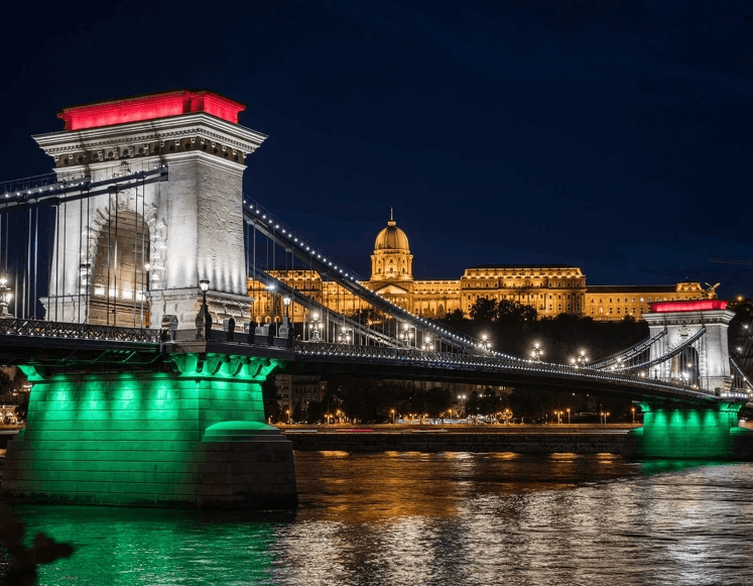
September 1 is famous around Budapest for one obvious reason: it’s the first day of the new school year. But this year, the date carries an extra layer of meaning for anyone visiting the Hungarian capital. After a summer marked by record heat and severe drought, the city is officially returning to its normal operating rhythm, and that shift touches everything from public transport to the fountains sparkling along the Danube.
If you’re planning a late-summer or early-autumn trip to Budapest, here’s what’s changing, what’s staying the same, and where you should still head for a proper riverside evening.
A Summer of Heat, Drought, and Smart Adjustments
Budapest, like much of Central Europe, faced an unusually punishing summer in 2026. Extreme heat and drought conditions pushed the city’s municipal companies to adapt quickly, and Mayor Gergely Karácsony detailed the response in a weekend social media post. Public transport operators trimmed energy use wherever they could, municipal companies scaled back consumption, and the city’s green-space managers introduced an emergency irrigation protocol designed around the specific needs and condition of the city’s trees rather than a one-size-fits-all watering schedule.
Some of the visible effects were hard to miss if you strolled around town in August. The city temporarily switched off its decorative illuminations, paused its fountains, and even shut down the much-loved Gellért Hill Waterfall to conserve water. Public transport also ran a little differently behind the scenes: trams and metro trains accelerated and braked less aggressively to save power, a small change for commuters but a meaningful one for the grid. These adjustments saved more than 661 megawatt-hours of energy in the tram network and over 355 megawatt-hours on the metro lines, while a citywide pause on decorative lighting in early August saved close to 20 megawatt-hours on its own. On the water side, the emergency irrigation protocol combined with the fountain shutdowns saved close to 25,000 cubic meters of water, nearly double what the city’s entire heat-related street watering and tram rail cooling program used between June and August.
The upside for visitors arriving now is that the emergency is over. With energy supply stabilized, Budapest is lifting these temporary measures step by step, and as of September 1, municipal companies return to their original working schedules. That means the fountains are flowing again, the Gellért Hill Waterfall is back in action, and the Music Fountain on Margaret Island is once more doing its playful, illuminated evening shows.
Best deals of Budapest









The Rakpart Keeps Its Evening Magic, Just a Bit Later
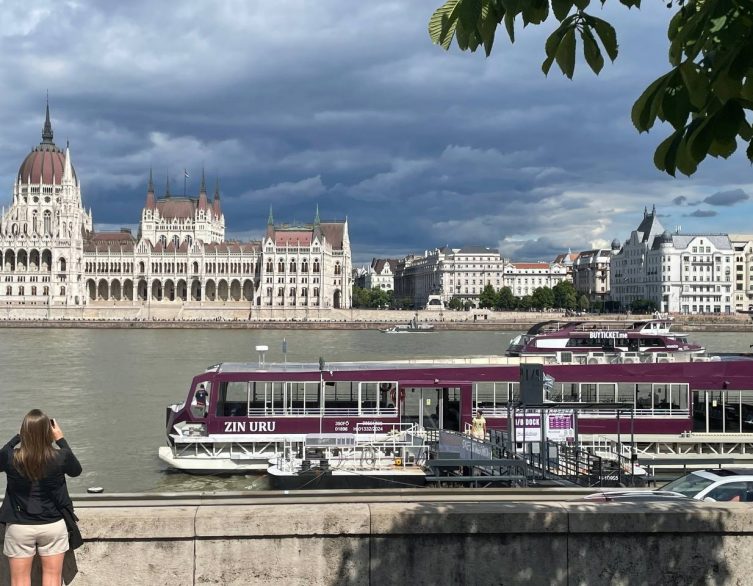
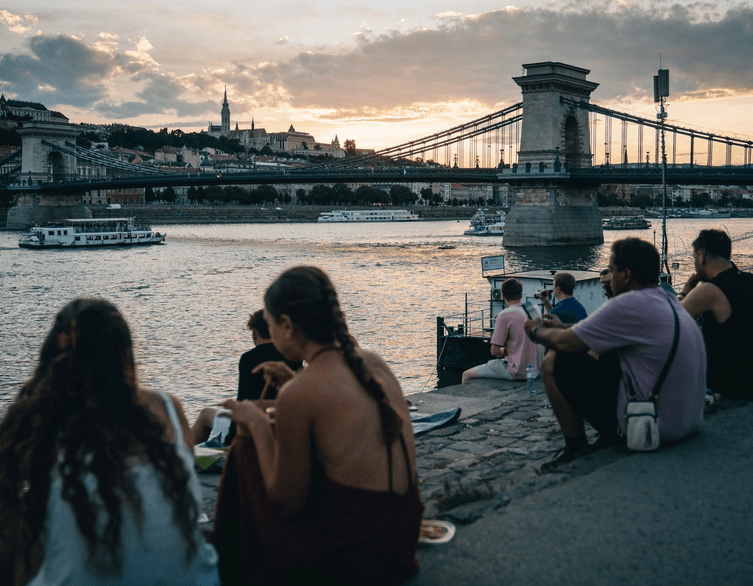
One of Budapest’s best-loved warm-weather traditions isn’t going anywhere. The Rakpart, the car-free stretch of the lower Pest embankment along the Danube between the Elizabeth Bridge and the Margaret Bridge, remains open through the season and continues to be one of the most atmospheric places in the city for an evening out. Expect joggers, cyclists, skateboarders, picnicking families, live music, small cultural happenings, and some of the best sunset views over the Buda hills you’ll find anywhere in town.
There is one practical change worth noting if you’re timing an evening visit. To accommodate the start of the school year, the Rakpart’s weekday car-free hours shift starting August 31: instead of closing to traffic at 5 PM, the embankment now goes car-free from 6:30 PM on weekdays. Weekends remain unchanged, with the promenade car-free all day, every Saturday and Sunday, as usual. If you’re heading down right around the opening time, keep an eye out, since a bit of vehicle traffic can still pass through during the transition in and out of the closure window. It’s a small window of caution for an otherwise wide-open, laid-back stretch of riverside perfect for an evening walk, a run, or simply watching the city light up as dusk settles over the Danube.
Why This Matters for Your Budapest Trip
For tourists planning a September visit, the practical takeaway is simple: the city is shaking off a genuinely tough summer, and most of what makes an evening in Budapest special, glowing landmarks, dancing fountains, and a car-free riverside, is coming back online just as the weather turns more comfortable for sightseeing. September in Budapest tends to bring milder temperatures, fewer crowds than peak summer, and golden-hour light that suits the city’s bridges and domes beautifully, so the timing works out nicely for visitors.
It’s also a good moment to appreciate the bigger picture. Budapest’s response to this summer’s heat and drought, from smarter tram braking to tree-focused irrigation, reflects a broader push toward a more sustainable and climate-resilient city. As a visitor, you get to enjoy the results directly: a Gellért Hill Waterfall back in full flow, a Music Fountain putting on its show again on Margaret Island, and illuminated landmarks returning to their full evening glow across the cityscape.
Practical Tips for Visitors This September
Whether you’re in town for a weekend or a longer stay, a few details are worth building into your plans. Head to the Rakpart on a weekday evening after 6:30 PM, or anytime on a weekend, for the full car-free experience, complete with river breezes and open space to relax. Pair that with a walk up or around Gellért Hill in the early evening to catch the waterfall running again, and consider timing a Margaret Island visit around dusk to see the Music Fountain lit up. Public transport is back to its usual schedule too, so getting around the city by tram, metro, or bus should feel just as smooth and predictable as it normally does. Budapest in September rewards visitors who enjoy a slower pace, warm light, and a city easing back into its familiar routine after a demanding summer.
Related news

Back to School in Budapest: New “School Squares” and Busier Public Transport Make Mornings Safer
Every September, Budapest quietly reinvents itself around its youngest commuters, and this year is no exception. As the 2026/2027 school year kicks...
Budapest’s Fountains Are Flowing Again: Here’s Where to Catch the Show
Summer in Budapest just got its sparkle back. After a stretch of dry weeks during Hungary’s recent water-saving measures, the city’s...
Two and a Half Nuclear Plants Are Hiding on Budapest’s Roof
Here’s a fun thought experiment for your next visit to Budapest: nobody in their right mind is proposing to build a nuclear reactor in the...
Lights Down, Spirits Up: How Budapest and Hungary Are Conserving Energy Together
If you’ve noticed that a few of Budapest’s famously glittering landmarks look a touch less dazzling after dark this summer, or that your...
Stay Hydrated in Budapest: Free Drinking Water Fountains You Need to Know About
Budapest is a city made for exploring on foot. From the cobblestone streets of the Castle District to the buzzing ruin bars of the Jewish Quarter,...
Related events