Hungaroring Goes Green: Why Budapest’s F1 Track Just Became a Sustainability Star
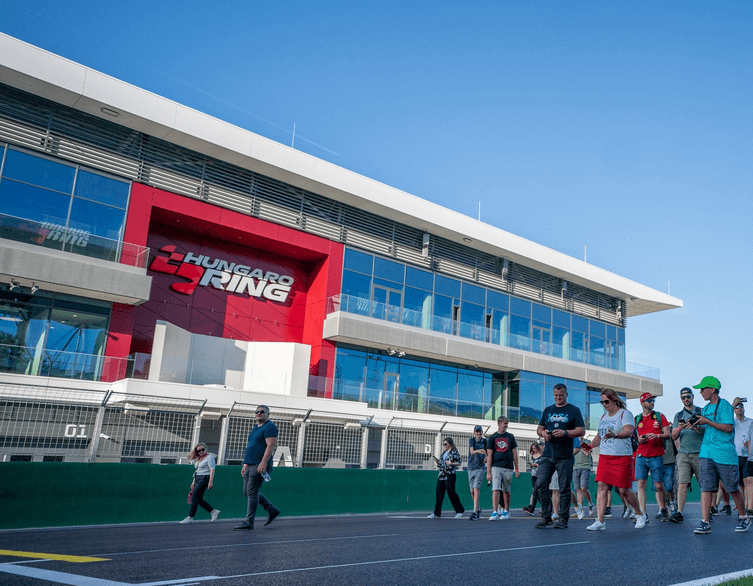
If you think Formula 1 is all roaring engines and burning rubber, Hungary has a little surprise for you. Just outside Budapest, the Hungaroring – home of the Hungarian Grand Prix in Mogyoród – has picked up a major international honour: the highest possible environmental accreditation from the Fédération Internationale de l’Automobile (FIA), a three‑star rating for sustainability. This is not just a shiny sticker for the website; in racing terms, that’s not only pole position – that’s taking the chequered flag with style. And there’s an extra reason to celebrate: the circuit itself turns 40 this year, so it’s hitting its “green” milestone in a milestone season.
For anyone visiting Budapest who’s curious about F1, motorsport or just cool day trips from the city, this news makes the Hungaroring more interesting than ever. It’s no longer only “the track where the Hungarian Grand Prix happens” – it’s also becoming a benchmark for how a modern race circuit can care about nature, energy and the environment while still delivering pure speed.
What This Three‑Star Rating Actually Means
The FIA has a dedicated environmental accreditation system that checks how sustainable race circuits and motorsport organisations really are. They don’t just hand out stars for a token recycling bin; they run a structured programme, rating facilities with one, two or three stars depending on how seriously they take sustainability in day‑to‑day operations. Three stars is the top level, reserved for places that can prove they are managing their impact in a comprehensive, long‑term way.
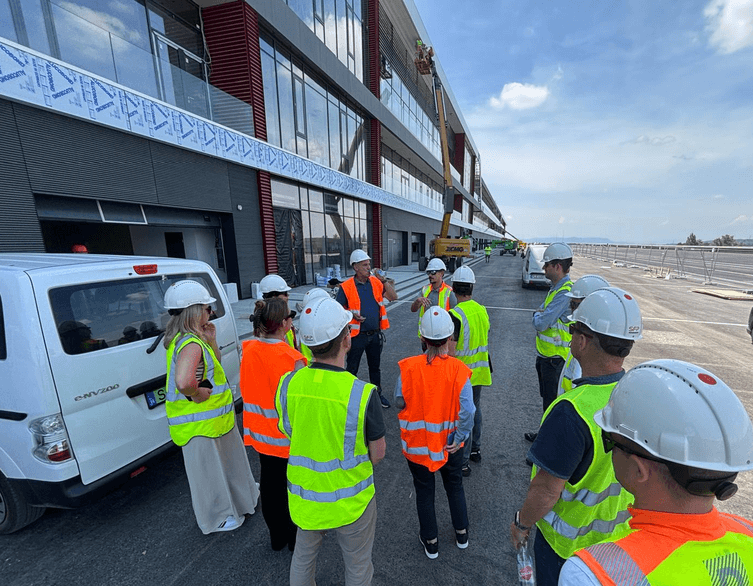
To earn this, the Hungaroring had to go through a detailed audit process. The circuit’s operator submitted extensive documentation, then hosted both online and on‑site inspections to show how they are actually working towards sustainability targets. The evaluation covered energy use, waste management, water use, prevention of soil pollution, procurement processes and air quality – all the unglamorous but essential behind‑the‑scenes details that make a real difference on a site that welcomes tens of thousands of fans.
A 40‑Year‑Old Classic with a New Attitude
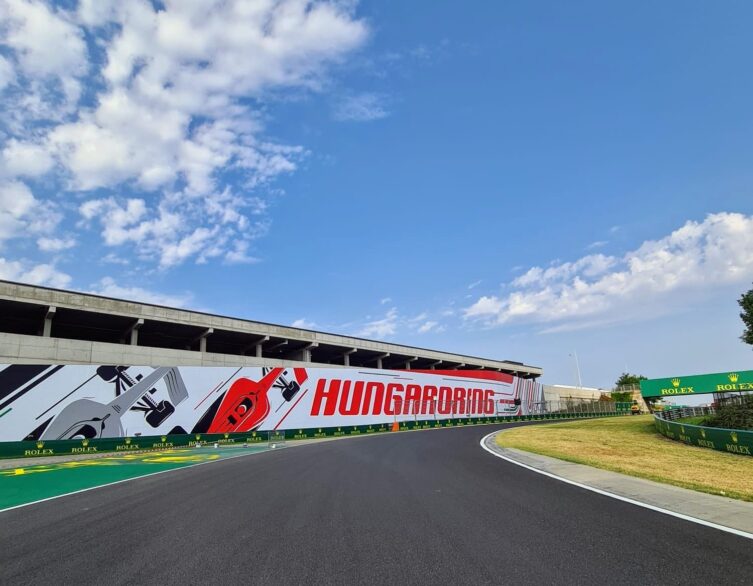
The Hungaroring is already a legend in the Formula 1 calendar: a tight, twisty, 4.3‑kilometre circuit with 14 corners, elevation changes and a reputation for being challenging to drive and exciting to watch. It opened in 1986 and has hosted the Hungarian Grand Prix every year since then, which means the track is turning 40 this year – a serious anniversary in F1 terms. Four decades of racing history, dramatic overtakes and summer heat have made it a fan favourite and a permanent fixture on the calendar.
In recent years, the circuit has undergone a Strategic Development Project that doesn’t just refresh grandstands and paddock buildings but also rethinks how the whole venue operates on a daily basis. This long‑term project covers everything from facility management and event organisation to how resources are used when there isn’t a global TV audience watching. The new three‑star rating shows that these upgrades are not only cosmetic; they are changing how the Hungaroring functions as a living, breathing venue all year round – a fitting transformation for a circuit celebrating its 40th birthday.
Racing, But Make It Sustainable
So what does sustainability look like at a place where cars can reach eye‑watering speeds on the main straight? The FIA audit focused on several key areas: energy, waste, water, soil protection, purchasing and air quality. In practice, that can mean better energy‑efficient systems in buildings, smarter waste sorting and recycling during big events, careful handling of hazardous materials such as oils and fuels, and choosing suppliers and products with environmental impact in mind.
Best deals of Budapest










On top of the FIA accreditation, the Hungaroring has introduced an environmental management approach that supports sustainable operation not only during the Formula 1 Hungarian Grand Prix but also for other events, track days, driver training programmes and corporate activities. In plain English: sustainability isn’t just a one‑week‑a‑year show for race weekend, it’s built into how the circuit is run when the grandstands are empty too.
“Not Just the Three Stars” – The People Behind the Change
According to Zsolt Gyulay, chairman and CEO of Hungaroring Sport Zrt., the team has been working intensely over recent months to reach the three‑star level, with the FIA’s sustainability experts closely following their progress and helping them find the right directions. He has emphasised that for them, the important thing is not only collecting a rating, but sustainability itself – they aim to do as much as possible for the cause and keep improving every season.
That attitude fits into a wider shift in motorsport: Formula 1 as a whole has set ambitious environmental targets, and circuits that host Grands Prix are expected to align with those goals. For visitors, this means that the track you see on TV every summer is also quietly becoming a test lab for cleaner, smarter event organisation – from transport and energy to waste and resource use. You still get the thrill of race day, but with a little less guilt about the planet.
Why This Matters If You’re Visiting Budapest
You might be thinking, “Nice for them, but I’m here for thermal baths and chimney cake.” Fair enough – but if you’re even a little bit interested in Formula 1, engineering or sustainability, the Hungaroring suddenly becomes a very appealing day trip. From Budapest, you can reach Mogyoród by car, taxi, organised shuttle or a mix of public transport and local transfers, and on non‑race days there are often track experiences, driving programmes or guided tours available.
Standing in the grandstands or walking near the circuit, it’s hard not to imagine the atmosphere during the Hungarian Grand Prix: the heat, the sound, the sea of national flags from all over the world. Now you can also see it as a place where the future of motorsport is being shaped – where speed and sustainability are learning to coexist. For environmentally conscious travellers, it is reassuring to know that their favourite events are trying to reduce their footprint, and that Hungary’s most famous race track is helping to lead that shift.
A Hungarian Favourite, Globally Respected
The Hungaroring has long been praised by drivers, teams and fans for its challenging layout and friendly atmosphere, and it regularly ranks as a favourite stop on the F1 calendar. Many insiders describe it as one of the most attractive and characterful circuits, and its recent renovation has only increased that reputation. Early Formula 1 boss Bernie Ecclestone famously felt that the championship belonged here from the moment he first saw the site – and the latest upgrades seem to prove him right.
With the new three‑star FIA environmental accreditation arriving in the same era as its 40th anniversary, the Hungarian circuit adds another layer to its status: not only a classic racing venue close to Budapest, but also a front‑runner in greener motorsport. Next time you watch the Hungarian Grand Prix on TV or from the grandstand, you can enjoy the drama on track knowing that, behind the scenes, there is a serious effort to protect the environment that surrounds it.
Related news
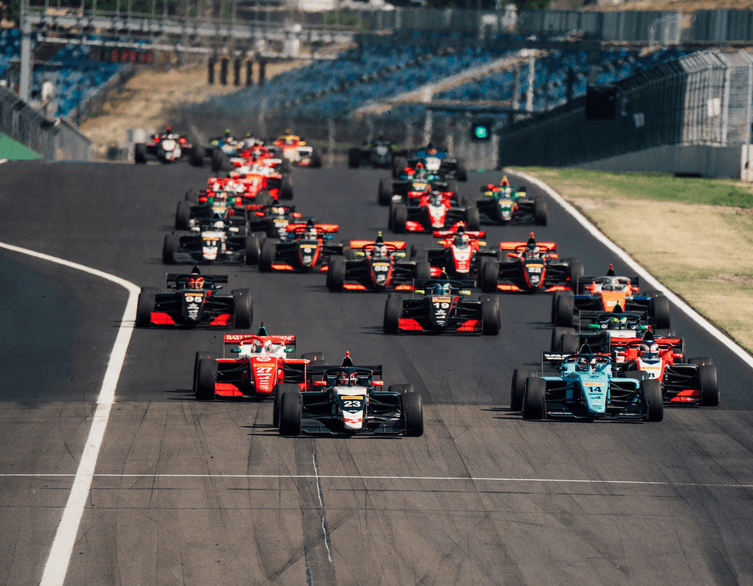
Hungarian Grand Prix Returns to the Hungaroring in 2027
There’s something almost mythical about the way Formula 1 keeps coming back to a small patch of hillside near Budapest every summer, and next...
Breathe Easy in Budapest: Why September 7th Matters for Every Visitor
If you’re wandering through Budapest this week, admiring the Danube from Fisherman’s Bastion or sipping coffee on a leafy terrace in...
What’s on in Budapest This Weekend: July 23–26, 2026
This weekend, Budapest turns into a playground of extremes — from screaming Formula 1 engines to howling doom-rock guitars, splashing thermal pools...
Getting to the Hungarian Grand Prix Without the Traffic Headache
Every July, the roar of engines returns to Mogyoród as the Formula 1 AWS Hungarian Grand Prix takes over the Hungaroring circuit just outside Budapest....
Budapest Catches Formula 1 Fever for the Hungarian Grand Prix Weekend
If you’re planning a trip to Budapest around July 24–26, 2026, get ready for far more than a race weekend — the entire Hungarian capital...
The Ultimate Guide for Formula 1 Fans Visiting Budapest This July
Budapest in late July belongs to Formula 1. If you’re flying in for the Hungarian Grand Prix, you already know the race itself is the main...
Hungarian Grand Prix 2026 Gets Ready for Lights Out
Budapest and its Hungaroring racetrack are gearing up for one of the biggest weekends of the summer. The 41st Formula 1 Hungarian Grand Prix takes...
Westend Goes Green: Budapest’s Biggest Rooftop Solar Park Opens Above One of the City’s Favorite Malls
If you’ve ever browsed the shops at Westend Shopping Center in Budapest, you might not realize that just above your head now sits the city’s...
Happy Birthday, Hungaroring! Hungary’s Legendary F1 Circuit Turns 40 — and It’s Never Looked Better
Forty years. That is how long the Hungaroring — Hungary’s iconic Formula 1 circuit sitting in a beautiful valley just outside Budapest —...
Formula 1 Goes Digital: The Hungaroring’s Cashless Revolution
Welcome to the Future of Racing Picture this: you’re at the Hungarian Grand Prix, the roar of engines fills the air, and you want to grab a...

Alonso: Renovated Hungaroring Could Become “One of the Best European Venues” as Budapest Prepares for Formula 1’s Return
The Formula 1 world is buzzing with excitement as the newly renovated Hungaroring prepares to welcome drivers and fans back to Hungary this summer....
Hungaroring Receives International Praise as F1 Officials Tour Renovated Facilities
Formula 1 officials, the FIA, and racing teams have completed a comprehensive three-day inspection of the Hungaroring circuit near Budapest, expressing...
Related events