Hungary Is Looking for Its Best Bread — And You Can Taste It in Budapest on August 20
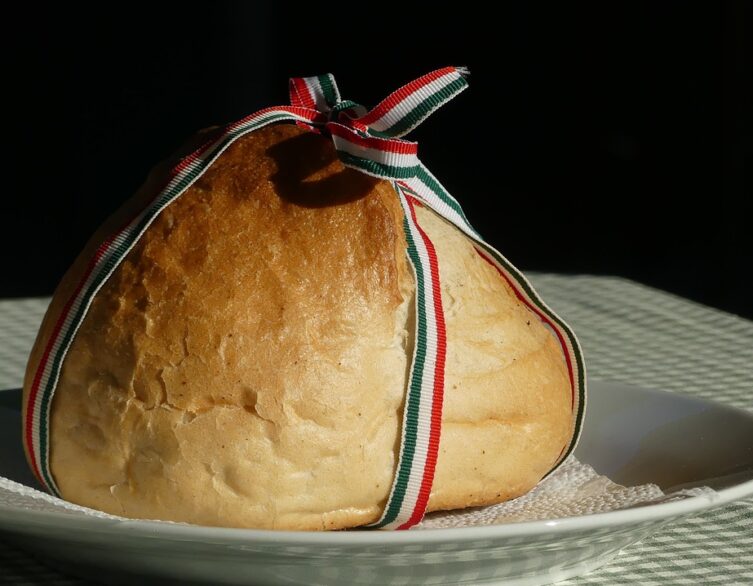
If you think bread is just bread, Hungary is about to prove you gloriously wrong. This summer, the country is once again on a serious quest to crown its finest loaf — and the competition has never been this fierce, this fragrant, or this deliciously over-the-top.
Flour, Water, Salt… and a National Obsession
At its most basic, bread is just flour, water, sourdough starter, and salt. Simple, right? Well, not in Hungary. Bread here is practically a cultural institution — woven into folk traditions, loaded with symbolism, and deeply tied to national identity. The kind of plastic-wrapped, shelf-stable loaf you grab at a gas station? That’s not what Hungarians are talking about when they talk about real bread.
The Hungarian Baker’s Association (Magyar Pékszövetség) has been making sure of that for fifteen years now, through the annual St. Stephen’s Day Bread Competition — officially known as the “Bread of Hungary” contest. And in 2026, this beloved institution is celebrating its 15th edition with a record-breaking number of entries.
Fifteen Years of Dough, Drama, and Deliciousness
The competition is held in honor of St. Stephen’s Day, Hungary’s most important national holiday on August 20th, which marks the founding of the Hungarian state over a thousand years ago. Every year, alongside the famous “Cake of Hungary” contest (this year in its 20th edition — yes, Hungary takes both cake and bread extremely seriously), bakers from across the country battle it out for the title of the country’s best loaf.
This year, 26 bakeries entered a whopping 86 different products, and a professional jury whittled that down to 33 finalists across three categories. The second round — a public press event — took place on May 7th in Budapest, where white-coated jurors prodded, sniffed, and chewed their way through the finalists with the kind of focus you’d expect from a surgical team.
The Rules Are Strict (And That’s the Point)
Don’t even think about sneaking in a packet of instant yeast. The main “St. Stephen’s Day Bread” category demands that entries be made exclusively with sourdough — no added yeast whatsoever. Bakers must also use at least two different types of flour, and every single ingredient must be a natural Hungarian product. No shortcuts, no additives, no funny business.
The jury doesn’t just taste the bread, either. They evaluate the crust’s crunch, the crumb’s structure, the aroma, the visual appeal, and even how well the loaf keeps over time. As competition host and well-known Hungarian TV personality Borbás Marcsi put it: you simply cannot judge a great bread on a single criterion alone. Her personal stance? She only eats sourdough, and if there’s no sourdough on the table, she’d rather skip bread entirely. Her favorite part of a fresh loaf, by the way, is the sercli — that gloriously crispy, caramelized end crust that serious bread lovers fight over.
Best deals of Budapest










Three Categories, One Obsession
The competition runs across three categories, each rewarding a different kind of baking brilliance. The flagship “St. Stephen’s Day Bread” category is the main event — traditional, sourdough-only, deeply rooted in Hungarian craft. The winner walks away with 500,000 Hungarian forints (roughly €1,250), a cash prize that reflects just how seriously the country takes its bread.
Then there’s the “Innovative Bread” category, which is where things get interesting. Wild sourdough fermentation, unusual grain combinations, unexpected flavor profiles — this is where Hungarian bakers get to show off their experimental side, earning up to 300,000 forints for the most forward-thinking loaf. Finally, the “Walking Pastry” (Leveles Sétáló Sütemény) category rewards flaky, buttery, fruit-filled creations that are beautiful to look at, practical to eat, and absolutely impossible to resist — perfect for strolling through Budapest’s streets. That winner takes home 200,000 forints.
Where to Taste the Winner: Mark Your Calendar for August 20th
Here’s the truly exciting part for visitors: the winner won’t be announced in some closed-door ceremony. The bread (along with Hungary’s Cake of the Year and Sugar-Free Cake of the Year) will make its grand public debut at the Street of Hungarian Flavors (Magyar Ízek Utcája) festival at the Castle Garden Bazaar, right in the heart of Budapest — and that happens on August 20th, the country’s biggest national holiday.
This is one of Budapest’s most spectacular days of the year. The city throws a full-scale celebration along the Danube riverbanks, complete with folk performances, fireworks, and a food festival that draws hundreds of thousands of visitors. Tasting the freshly crowned “Bread of Hungary” on the steps of the Castle Garden Bazaar, on the day Hungary celebrates its founding — well, that’s about as authentic a Hungarian experience as it gets.
Why Sourdough? Why Now?
Hungary is very much riding the global sourdough wave, but here it feels less like a trend and more like a homecoming. While supermarket shelves have long been stacked with fast-fermented, additive-heavy loaves, Hungarian artisan bakers never fully abandoned the old ways. The record-breaking entries in this year’s competition confirm what food lovers have been saying for a while: people want real bread again.
Hungarian Baker’s Association President Septe József has called this competition “the most important celebration in the baking profession.” And judging by the enthusiasm — 26 bakeries, 86 products, and a jury that takes crust aesthetics as seriously as flavor — it’s hard to argue with that.
A Bite of History, Baked Fresh
So, if you’re in Budapest this summer, don’t sleep on the bread. Skip the shrink-wrapped toast loaf at the hotel breakfast buffet and instead seek out one of the city’s excellent artisan bakeries — places like Pékműhely or Kiskovász Pékség are beloved local institutions where the sourdough is the real deal. Then, come August 20th, head to the Castle Garden Bazaar and taste the loaf that Hungary has officially declared its very best. One bite, and you’ll understand exactly why this country takes its bread so personally.
Related news
Related events