Coffee Machines, Cathedrals of Caffeine, and 300 Years of Budapest Brew: The “Coffee is the Main Thing” Exhibition
If you think you know coffee, Budapest is about to prove you gloriously wrong. A brand-new interactive exhibition has just opened in the heart of the city, and it’s the most aromatic museum experience you’re likely to have anywhere in Europe this year. “Fő a kávé” — a title that cleverly plays on the Hungarian word fő, meaning both “coffee comes first” and “coffee is brewing” — takes you on a 300-year journey through the glorious, steaming, socially explosive history of coffee, from the Ottoman siege of Vienna all the way to today’s third-wave specialty brews. And yes, it smells as good as it sounds.
From Camel Feed to Flat White: What Is This Exhibition?
Opened on March 4, 2026, and running until late October, the Coffee is the Main Thing exhibition is hosted at the Electrotechnical Collection of the Hungarian Museum of Technology and Transport, tucked away on Kazinczy Street 21 in Budapest’s vibrant seventh district. This isn’t just a museum display of dusty old cups — it’s a full sensory immersion into the world of coffee, complete with interactive stations, period-accurate room setups, iconic film clips, historical anecdotes, and dozens of coffee machines spanning three centuries.
The exhibition is the result of a remarkable collaboration between some of Hungary’s finest institutions, including the Hungarian Museum of Commerce and Catering, the Museum of Applied Arts, the Ethnography Museum, and the Petőfi Literary Museum, among others. Privately funded by supporters including the MOL New Europe Foundation and partners such as Cafe Frei and La Marzocco, this is very much a labour of love by people who take their coffee seriously. When this many museums and industry heavyweights put their heads — and artifacts — together, you know something special is brewing.
The Story Starts With a Siege (Naturally)
The exhibition kicks off in 1683, when the Ottoman army laid siege to Vienna and, inadvertently, left behind enough coffee beans to kick-start Central Europe’s caffeine addiction for the next few centuries. From there, the story rolls through Budapest’s Reform Era coffee houses, the revolutionary world of the Pilvax Café where poet Sándor Petőfi and his companions plotted the 1848 revolution over their morning brew, and deep into the golden age of the grand Budapest coffee house.
Budapest’s coffee house culture was once so central to intellectual life that writers, artists, and philosophers would essentially live in them. The legendary New York Café, which opened in 1894 and became so famous it was dubbed “the most beautiful café in the world,” was the kind of place where a writer could rent a table for the price of a single espresso and spend the entire day crafting a masterpiece. The exhibition weaves in literary references from Mikes Kelemen and Kosztolányi to Cseh Tamás, who guides visitors through the wonderfully grim world of socialist-era espresso bars, proving that great writing and great coffee have always gone hand in hand in Budapest.
Petőfi’s Black Soup and the First Ferrari of Espresso Machines
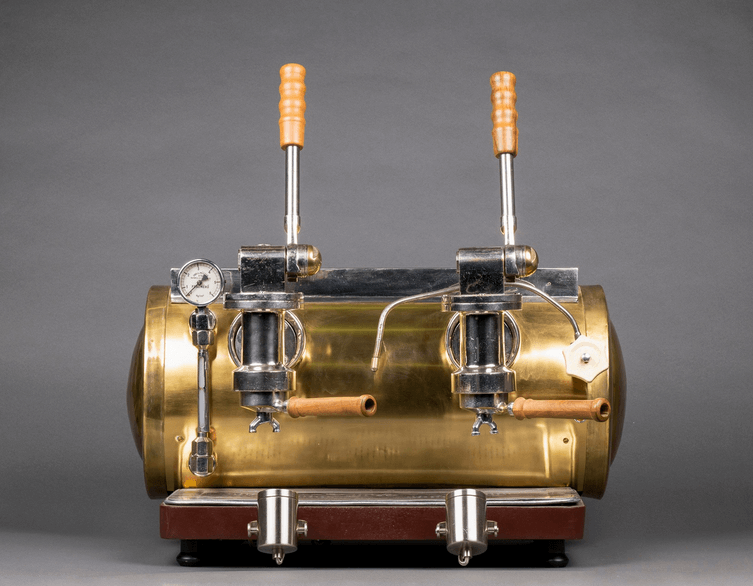
One of the exhibition’s most delightful threads is its exploration of coffee-making technology through the ages. Visitors get to discover how “black soup” — as coffee was charmingly called in Petőfi’s era — bubbled away in big iron pots, a far cry from today’s precision extraction techniques. The journey through coffee machines is genuinely jaw-dropping, culminating in the display of the E61, the so-called “first Ferrari of espresso machines,” introduced in 1961 as the first device capable of maintaining a continuous nine-bar pressure for a richer, more consistent espresso.
One particularly rare gem on display is an Aromax electric espresso machine from 1935, once used by a pastry chef named Gyula Kelemen in his confectionery shop in Dunaföldvár. Surviving coffee machines from the interwar period of Hungarian industry are extraordinarily scarce — even original Italian models from the era have mostly vanished — making this a genuinely once-in-a-lifetime artifact to see up close. The collection also features 1950s Hungarian export machines and tracks the full arc of how electricity quietly revolutionized the humble morning cup.
Best deals of Budapest








You’re Not Just a Visitor — You’re a Barista, a Street Vendor, and a Literary Regular
The exhibition is cleverly structured around the sensory stages of coffee itself — grinding, dosing, brewing, and consumption — and each section pulls you further into the story. The grinding rooms fill the air with fresh coffee scents as the history unfolds. The dosing section captures the buzzy social energy of café society. The brewing rooms take you from old kotyogós percolators to gleaming professional La Marzocco machines. And the consumption section? That’s where you get to actually drink the stuff.
Interactive stations let visitors step into the roles of coffee traders, street vendors, newspaper sellers, literary types lounging in fin-de-siècle cafés, and modern specialty baristas. Audio recordings, iconic Hungarian film clips, games, and period-accurate room reconstructions make every corner feel like a new scene in a very well-written historical drama. The design mixes neon signs, gorgeous Alföld porcelain, and deep dives into the specialty coffee wave — where light roasts reveal their origins like fine wines — proving that this is as much an art exhibition as a history one.
Guided Tours, Workshops, and a Real Café Inside
The exhibition doesn’t just end when you walk out of the last room. Guided tours run every Friday at 3:00 PM and every Saturday and Sunday at 10:30 AM and 3:00 PM, offered in addition to the regular admission price. Throughout the run of the show, prominent experts including cultural historian Noémi Saly and writer-historian Gyula Zeke, who also curated the exhibition, lead special tours and panel discussions. Author Noémi Szuna, who wrote Around the World by Cup, joins monthly as a professional partner for talks and outdoor summer events.
And if all that history makes you thirsty — which it absolutely will — the MTMR coffee shop and café inside the exhibition is ready to remedy that, offering everything from expertly pulled espressos to hot chocolate, plus merchandise to take the experience home. It’s the rare museum where the refreshment break is practically mandatory.
Practical Info: Tickets, Hours, and How to Get There
The exhibition is located at the Electrotechnical Collection, Kazinczy Street 21, in Budapest’s seventh district — the Jewish Quarter, one of the city’s most exciting neighborhoods, packed with ruin bars, street art, and excellent coffee shops. Getting there is easy: take metro line M2 to Astoria, or hop on tram 4 or 6. The venue is closed on Mondays and Tuesdays, open Wednesday through Friday and Sunday from 10:00 AM to 5:00 PM, and on Saturdays from 10:00 AM to 7:00 PM.
Ticket prices are very reasonable: a full adult ticket costs 4,200 HUF, while a discounted ticket is 2,100 HUF. Families can grab a family ticket covering two adults and two children under 18 for 7,200 HUF, and group tickets are available from ten people onward. Guided tours can be added for just 1,300 HUF per person on top of admission. Weekends tend to be the busiest, so arriving early on a Saturday gives you the full day to explore — and makes it easy to combine with a post-exhibit wander through the nearby Gozsdu Courtyard for street food and a well-deserved coffee.
Why This Is the Most Budapest Thing You Can Do Right Now
Budapest and coffee have a relationship that is centuries deep, wildly romantic, and occasionally revolutionary. As exhibition guide Panni Epres put it perfectly: “Having coffee is about making a connection, making friends, getting to know someone… saying ‘let’s grab a coffee’ means so much more than just quickly drinking one.” The Coffee is the Main Thing exhibition captures exactly that spirit — and whether you’re a hardcore coffee geek, a history buff, or simply someone who wants to experience Budapest in a way most tourists miss entirely, this is the place to be. You’ll leave seeing every steaming cup in the city just a little differently.
Related news
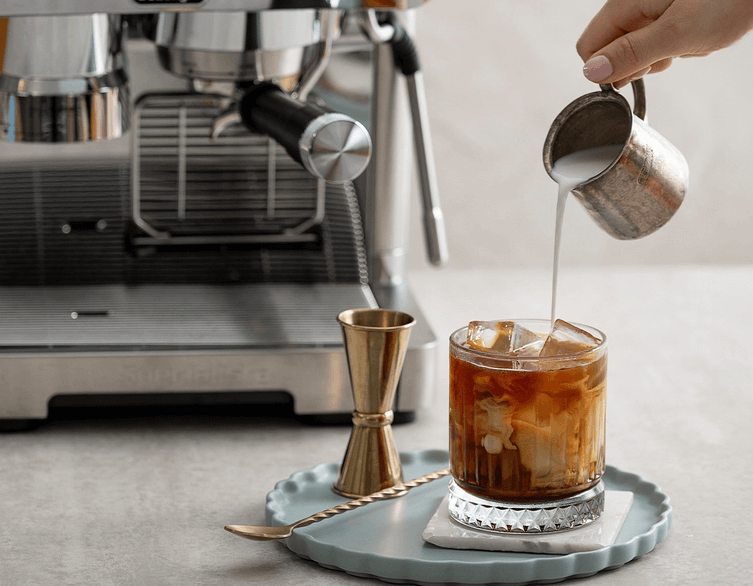
Budapest Coffee Week Turns the Whole City Into One Giant Café
For seven days this September, Budapest stops being a city with great coffee shops and becomes one giant coffee shop with a city wrapped around it....
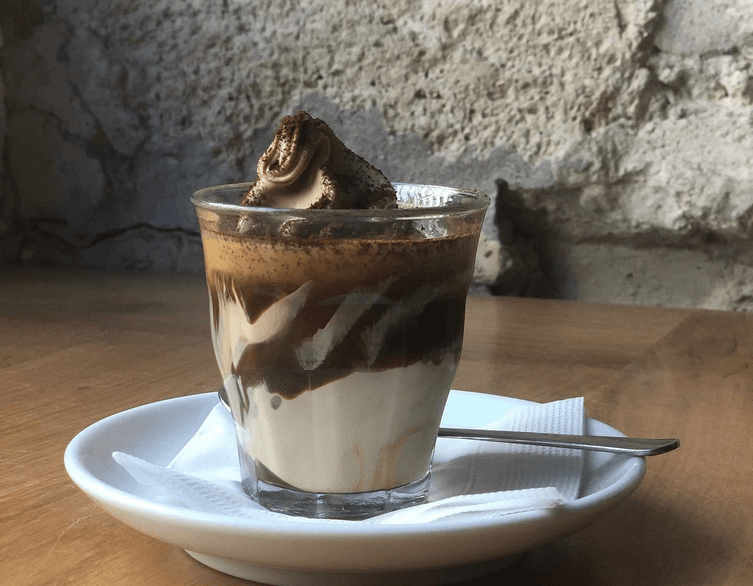
Budapest’s Coffee Scene Is Having a Moment: Where to Drink Like a Local This Summer
Budapest has always taken its coffee seriously, but 2026 is shaping up to be a particularly exciting year for the city’s café culture. Two...
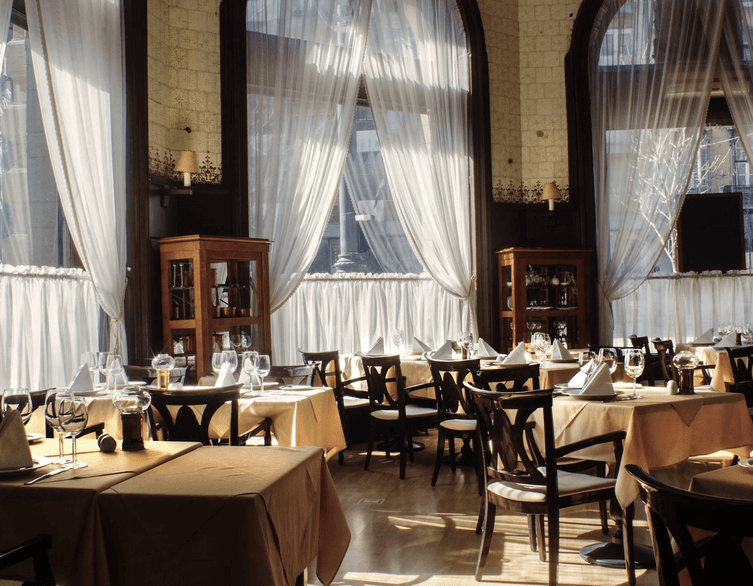
The Return of a Budapest Icon: Múzeum Coffeehouse Reopens in 2026
One of Budapest’s most storied cafés, the Múzeum Kávéház és Étterem, is set to reopen its doors in spring 2026, bringing back a cherished...

Budapest’s Hidden Coffee Gems: A Local’s Guide to Secret Cafés
Budapest’s coffee scene extends far beyond the bustling tourist cafés of the city center. While the famous coffee houses have their charm,...
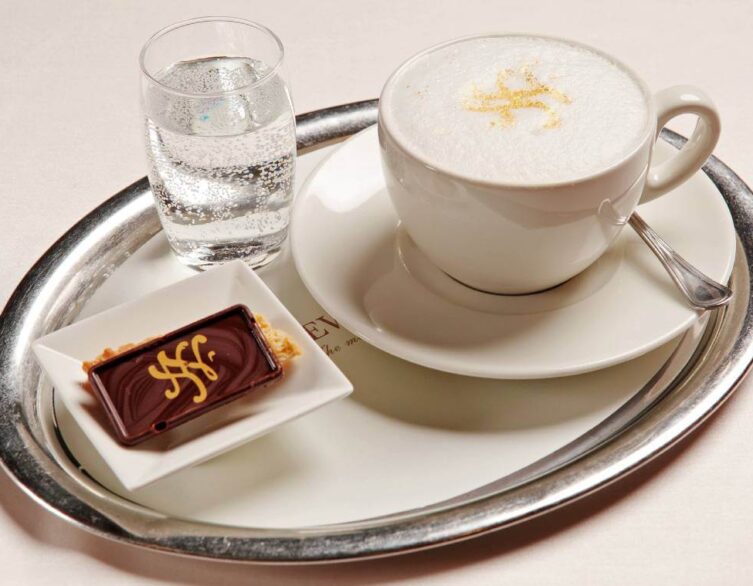
Coffee Culture in Hungary: A Flavorful Journey Through History
Coffee has become an integral part of Hungarian culture, with a rich history dating back to the 16th century. From the influence of Turkish coffee...
Related events