Budapest Is Heating Up: What Tourists Should Know About This Summer’s Climate “Red Alert”
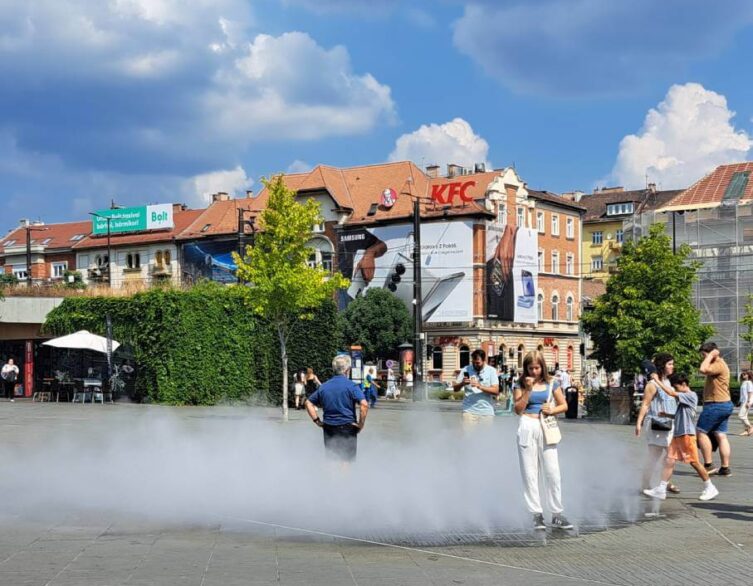
If you’re planning a summer trip to Budapest, you’re probably picturing sunset walks by the Danube, ice‑cold fröccs on a terrace and lazy afternoons on Margaret Island. All of that is still very much on the menu – but this year, the city’s chief landscape architect has added a new phrase to the conversation: “climatic emergency”. That sounds dramatic, and honestly, it kind of is.
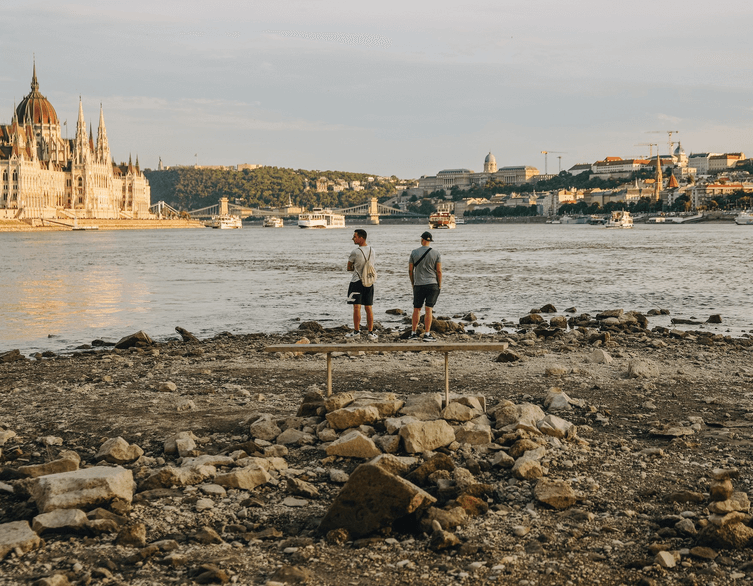
Budapest, like much of Central Europe, is dealing with hotter, drier weather than before, and the spring of 2026 has already broken the script. April usually brings around 40 millimetres of rain across Hungary; this year, it was closer to 4 millimetres on average, just a tenth of the normal amount. Meteorologists say it was one of the driest Aprils since records began in 1901, and the soil is showing it: in the upper half metre, around 60–70 millimetres of water is missing in many places, and the top 20 centimetres have dried out so much that usable moisture has fallen below critical levels. The Danube is low enough for the famous Ínség Rock to reappear near Gellért Hill – something locals recognise as a sign of serious drought.
Why City Trees Are Suddenly in the Spotlight
All of this has huge consequences for Budapest’s green spaces. In a recent statement, the city’s chief landscape architect, Sándor Bardóczi, explained that climate change has turned traditional green‑space management on its head. The old rules for planting and caring for trees simply don’t work in a world of extreme heatwaves, unpredictable rain and shrinking groundwater. Instead, the city and its park management company, FŐKERT, have created a new tree‑planting protocol called the Budapest Tree Planting System.
Best deals of Budapest










The goal is very practical: give young trees a real chance to survive brutal summers. Newly planted trees, especially those put in the ground in February and March, are in serious danger when the first big heat arrives. Their roots haven’t yet reached deep water sources, and irrigation capacity – the number of people, trucks and hoses available – is limited. The new system focuses on improving soil structure around the roots, making it less compact and more breathable, improving nutrient uptake, and using proper mulching so the ground around the trees stays cooler and holds moisture longer. It’s like giving each young tree its own survival kit for a dry, hot city.
From “Plant More Trees” to “Help the Ones We Have”
Here comes the twist that might surprise you: the city is not asking for help planting more trees right now. Bardóczi is very clear that Budapest knows how to plant trees and doesn’t lack expertise – what it lacks, in a summer like this, is capacity to keep new trees alive. Last year’s heat and drought were only kept under control thanks to the help of volunteers and responsible companies, and this year could be even more intense.
That’s why the focus has shifted from planting to protecting. The city is encouraging people to take part in “Volunteer Watering”, locals adopting nearby trees and helping to water them during heatwaves, and is promoting the Green Budapest Foundation, which collects financial support for urban greening and tree care. Certain districts are already on board: District VI wants to join the Volunteer Watering initiative, while District XI is embracing “No‑Mow May”, letting some grassy areas grow longer to protect biodiversity and soil moisture. For a city that loves its tidy boulevards, that’s a big cultural change – and a very visible sign of adaptation.
A Summer of Drought, Seen from the Danube
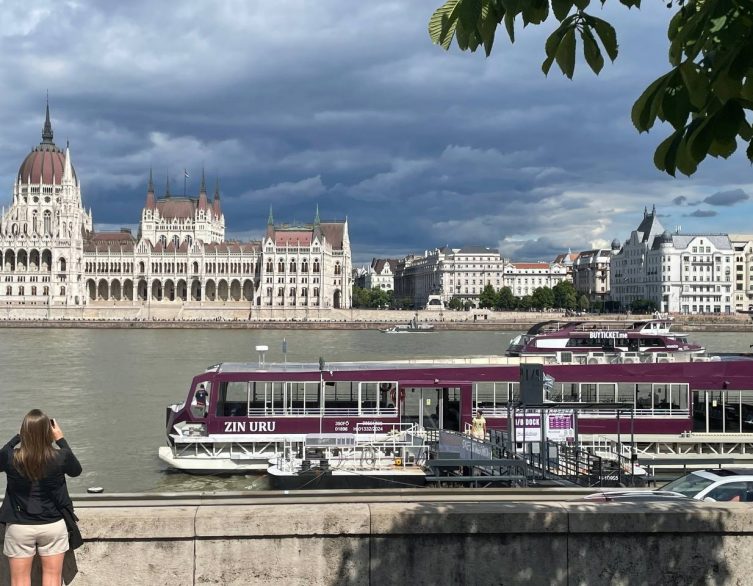
If you’re a visitor, you’ll notice the signs of drought even without reading the local news. When the Danube runs low enough, Ínség Rock – a long, pale outcrop near the foot of Gellért Hill, close to Liberty Bridge – emerges from the water. Its name literally means “Rock of Hardship”, and it has historically appeared in times of serious low water and poor harvests. This spring, once again, it has come back into view, signalling that both the river and the surrounding landscape are under stress.
Nationally, water experts and politicians are talking about emergency water planning. Hungary’s incoming government has asked its future minister responsible for the Tisza River’s living environment to prepare an immediate short‑ and medium‑term water management action plan in response to the deepening drought. Drought monitoring systems show that many regions are facing severe water deficits, and Budapest is very much part of that story. When you walk in the city’s parks, remember that every patch of green is working harder than usual to survive.
How to Enjoy Budapest Safely When It’s Extremely Hot
Now to the part that matters most for you as a traveller: how to still fall in love with Budapest while the city is melting just a little. The trick is not to fight the heat, but to outsmart it. Mornings are your best friend here. Start your outdoor sightseeing early, when the air along Andrássy Avenue, the Castle District and the Danube Promenade is still relatively cool and the pavements haven’t turned into radiators yet. This is the perfect time for big walks, viewpoints and photo missions – Fisherman’s Bastion at 7:30 a.m. feels like a different world compared with noon.
By late morning and early afternoon, when the sun becomes aggressive, make use of Budapest’s excellent indoor attractions. Duck into the Hungarian National Museum, the Museum of Fine Arts, the House of Music Hungary in City Park or even a historic café with thick walls and blessedly cool interiors. This is also when thermal baths can be surprisingly pleasant: places like Széchenyi, Gellért or Rudas have indoor pools and cooler areas where you can relax, rehydrate and recover before heading back out. In the late afternoon and evening, the city comes alive again as temperatures drop. That’s the best time to wander around the Jewish Quarter’s ruin bars, stroll across Chain Bridge, or sit by the Danube with a drink and watch the Parliament building light up.
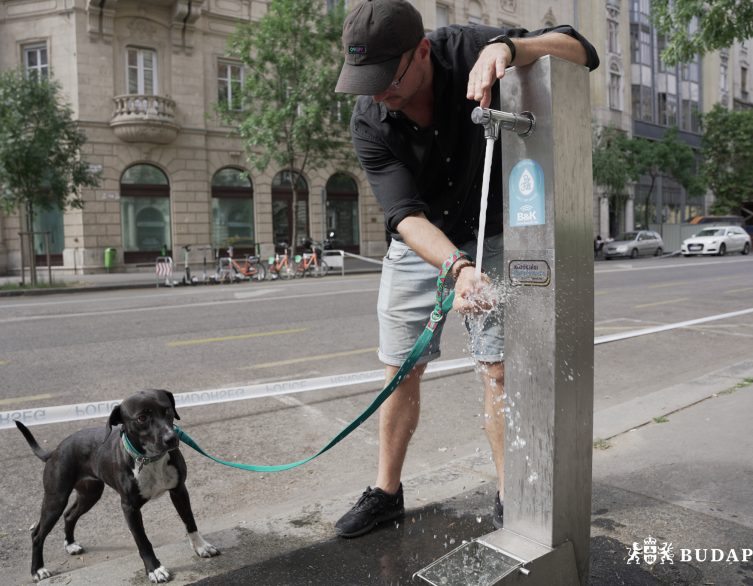
One big advantage Budapest has in the heat is its drinking water. The city’s tap water is clean, safe to drink, and there is an abundance of public drinking fountains where you can refill your bottle for free as you explore – in parks, squares, playgrounds and along popular walking routes. Bringing a reusable bottle and topping it up at these fountains not only keeps you hydrated, it also saves money and cuts down on plastic waste. Small practical choices make a huge difference: wear light, breathable clothing, use sunscreen, take breaks in the shade instead of “power‑touristing”, and let public transport carry you between neighbourhoods so you spend less time walking on sun‑baked streets.
Travelling Kindly in a Thirsty City
Visiting Budapest during a climatic “red alert” summer doesn’t mean you’ll have a worse trip – it just means you’ll experience a more honest version of the city, one where climate change is not an abstract topic but something you can literally see in the parks, on the riverbanks and in the way people talk about the weather. You’ll still get your ruin bars, sunset Danube views and thermal baths, but you’ll also become part of a quiet, city‑wide effort to keep Budapest livable and green.
If you happen to water a young tree near your accommodation, choose a shady café instead of a baking terrace at noon, or refill your bottle from a public fountain instead of buying another plastic one, you’re not just being a smart traveller – you’re helping the city adapt. And that’s a pretty meaningful souvenir to take home alongside your photos of Parliament glowing over the river.
Related news
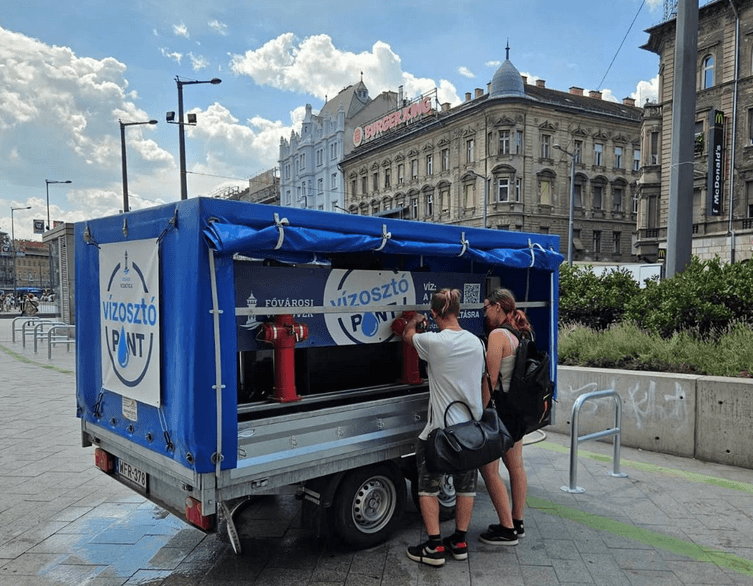
UPDATE! – Budapest Heatwave Warning: What Tourists Need to Know This Weekend (June 27–30, 2026)
If you’re planning to explore Budapest this weekend, there’s one thing that should be at the top of your packing list — and it’s...
Why Budapest’s Parks Look a Little Wilder This Spring — and Why That’s Actually Great News
If you’ve been strolling through Budapest’s parks lately and noticed the grass looking a little longer than usual, don’t worry...
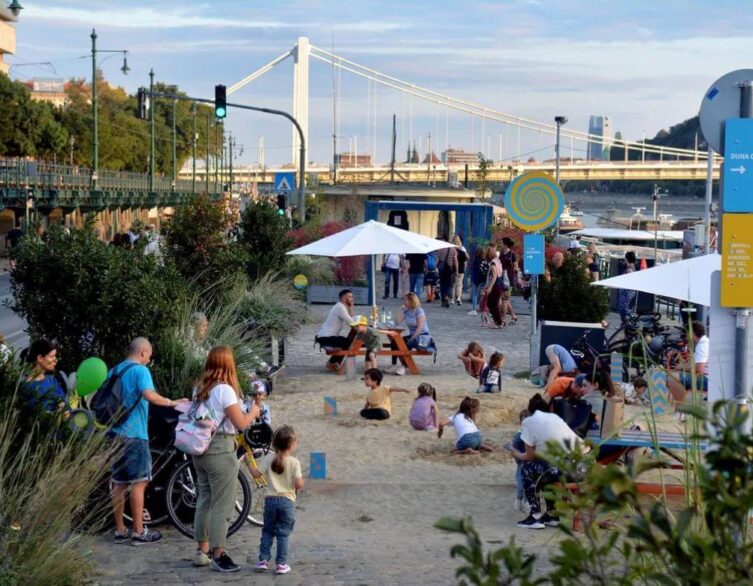
Budapest’s Riverbank Is Yours Again — The Rakpart Opens for the Season
Every year, Budapest does something quietly wonderful. It takes one of its busiest roads — a stretch of tarmac running along the Danube on the...
The Best Parks for a Picnic in Budapest in 2026 — A Visitor’s Guide to Eating Outdoors in the Hungarian Capital
Budapest is one of those cities that becomes almost impossibly beautiful when the sun comes out. The light bouncing off the Danube, the green hills...
Understanding Budapest’s Climate and Green Spaces Today
Budapest’s environment faced some tough challenges in 2024, as laid out in the city’s official 2025 state assessment, approved last December...
Top Ten Parks for a Picnic in Budapest
Budapest is a city that truly comes alive in springtime. As the days grow warmer and longer, locals and visitors alike seek out inviting green spaces...
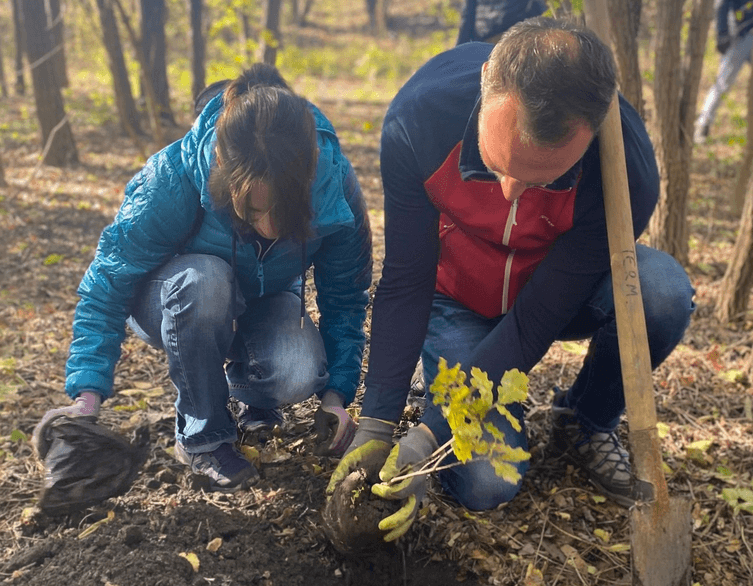
First National Tree-Planting Day in Budapest: Working Together for Climate Resilience
Budapest recently celebrated its first National Tree-Planting Day, a nationwide initiative spearheaded by the 10 Million Trees Foundation to combat...
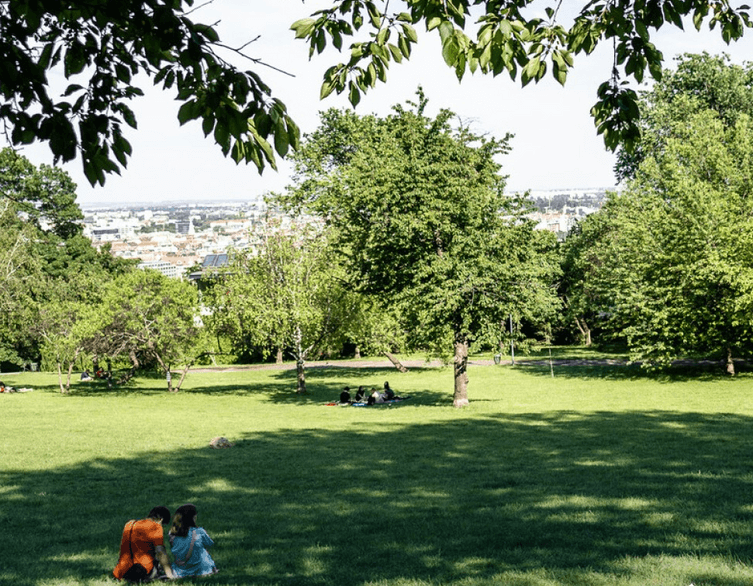
Budapest’s Green Revolution: A Path to Climate Neutrality
In the heart of Hungary, Budapest is embarking on an ambitious journey towards a greener, more sustainable future. As part of the European Union’s...
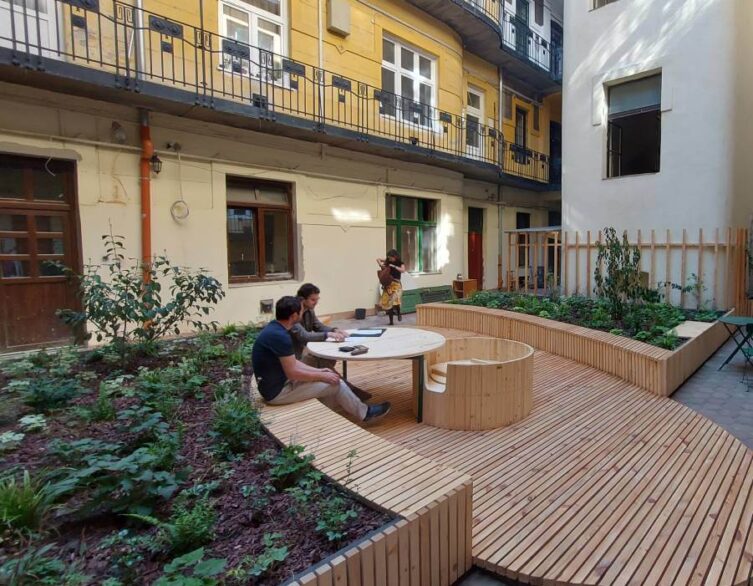
Climate Strategy to Combat Increasing Heat Waves in Budapest
Budapest, the capital city of Hungary, is facing a growing challenge from the impacts of climate change. The city’s dense urban fabric, geographical...
Climate Change Affects Tourism Worldwide – And In Budapest As Well
Budapest, the capital city of Hungary, is already feeling the impacts of climate change. As global temperatures rise due to increasing greenhouse...
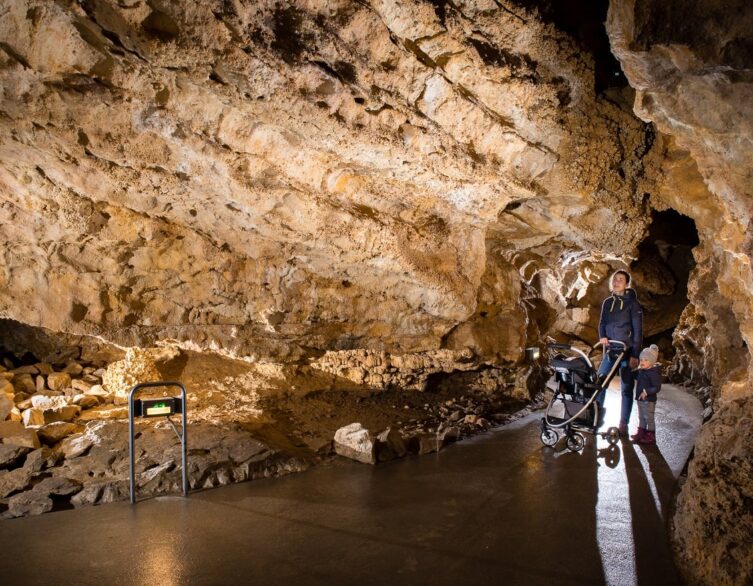
Escape the Heat: Discover Budapest’s Fascinating Caves
As the summer heatwave sweeps across Europe, tourists visiting Hungary’s capital, Budapest, may find themselves seeking refuge from the scorching...
Budapest’s Free Public Drinking Fountains: Quench Your Thirst Sustainably
When exploring the vibrant streets of Budapest, staying hydrated is essential, especially during the warm summer months. Fortunately, the city has...