Victor Vasarely at the Museum of Fine Arts Budapest: The Op-Art Giant Gets His Grand Comeback

If you’ve ever stared at a geometric painting and felt like the floor was moving beneath you, congratulations — you’ve had a Vasarely moment. And this summer, Budapest is giving the world’s most dizzying artist the retrospective he truly deserves.
Starting May 15, 2026, the Museum of Fine Arts Budapest (Szépművészeti Múzeum) is hosting VASARELY 120, a sweeping retrospective celebrating the 120th birthday of Victor Vasarely — the Hungarian-born, Paris-made master of op-art and geometric abstraction. The exhibition runs until August 16, 2026, making it the perfect excuse to spend a few cool hours inside one of Budapest’s grandest cultural institutions while the summer heat does its worst outside.
Who Was Victor Vasarely, Anyway?
Born in Pécs, Hungary, in 1906, Vasarely studied art in Budapest before packing his bags for Paris, where he would go on to reshape how the entire world thinks about visual perception. His art doesn’t just hang on a wall — it moves, pulses, and tricks your brain into seeing things that aren’t quite there. That’s the essence of op-art, and Vasarely is widely considered its founding father.
Best deals of Budapest










His influence stretches far beyond gallery walls. If you’ve ever seen a corporate logo, a psychedelic album cover, or a hypnotic screensaver that made you question reality for a second, there’s a good chance Vasarely’s spirit was somewhere in the room. His work fundamentally shaped post-war geometric abstraction and continues to influence visual culture to this day — from graphic design to architecture to digital art.
What Makes This Exhibition So Special?
In short: scale, depth, and a whole lot of things you’ve never seen before. The exhibition brings together more than 140 works of art, accompanied by documents, previously unseen photographs, and rare film footage. According to the museum, the completeness of this presentation is unprecedented in Hungarian exhibition history — which is saying quite a lot for a country with a seriously impressive museum culture.
The core of the show draws from the collections of the Vasarely Museums in Budapest and Pécs, supplemented by loans from the Fondation Vasarely in Aix-en-Provence, France. This international collaboration means visitors get the full picture: the early figurative works from his Hungarian years, the bold geometric experiments of his Paris period, and the internationally celebrated optical-kinetic masterpieces that made him a household name in modern art circles worldwide.
A Journey Through a Brilliant Mind
The exhibition is organized both chronologically and thematically, guiding you through the key periods of Vasarely’s career like chapters in a very visually stimulating novel. You’ll start with his figurative Hungarian beginnings — surprisingly grounded for a man who would later make your eyes do somersaults — and follow his evolution through the Paris years, where abstraction and geometry became his native language. The final chapters celebrate his international recognition as a pioneer of optical and kinetic art.
Curated by Veronika Pócs from the Budapest Vasarely Museum and Mónika Zombori from the Museum of Fine Arts’ post-1800 collection, the exhibition is clearly a labor of love by people who know this work inside and out. Expect thoughtful context, excellent pacing, and enough visual wonder to justify a second lap around the galleries.
A Double Anniversary Worth Celebrating
Here’s a fun detail that makes this exhibition even more fitting: 2026 also marks the 120th anniversary of the Museum of Fine Arts itself. So you’re not just celebrating one legend — you’re celebrating two institutions that have each, in their own way, changed how Hungarians and visitors alike engage with art. It’s a birthday party for the ages, and you’re invited.
Practical Info for Visitors
The Museum of Fine Arts is located on Heroes’ Square (Hősök tere) in Budapest, one of the city’s most iconic and photogenic public spaces — so factor in some time for photos before you head inside. Your exhibition ticket also grants you access to the museum’s permanent collections and halls open on that day, making it genuinely great value for a half-day cultural outing.
Tickets are time-slot based, tied to one-hour arrival windows on a specific date — but don’t worry, they don’t kick you out after 60 minutes. The time slot just reflects when you’re expected to arrive. One important heads-up: tickets are non-refundable and non-transferable to other dates, and advance booking is not available, so buy your ticket for a date you’re confident about. If you’re driving, the museum’s underground garage offers free parking for the first two hours with a valid ticket purchase — a rare and welcome perk in central Budapest.
The exhibition runs May 15 to August 16, 2026, so whether you’re visiting in late spring or catching the tail end of summer, there’s a good window to fit it into your Budapest itinerary.
Related news
Celebrate Vasarely 120 with Three Unmissable Exhibitions Across Budapest
If you’re wondering what to do in Budapest in summer 2026, there’s one cultural experience that stands out above the rest. To mark the 120th...
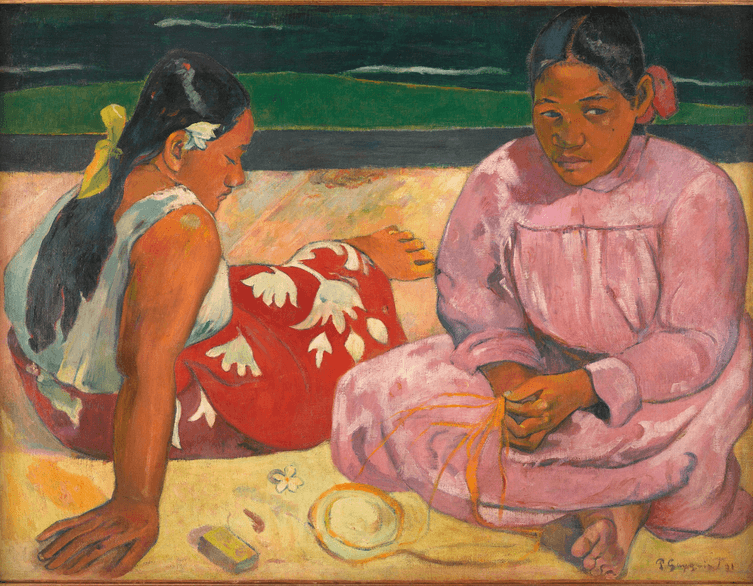
Dive into Artistic Masterpieces: Vasarely 120 and Bonjour Monsieur Gauguin! in Budapest
Hello, art enthusiasts planning a Budapest getaway! If your travels bring you to Hungary’s cultural capital in 2026, prepare to be captivated...
Related events