Budapest’s 8th District Is Putting the Brakes on Airbnb
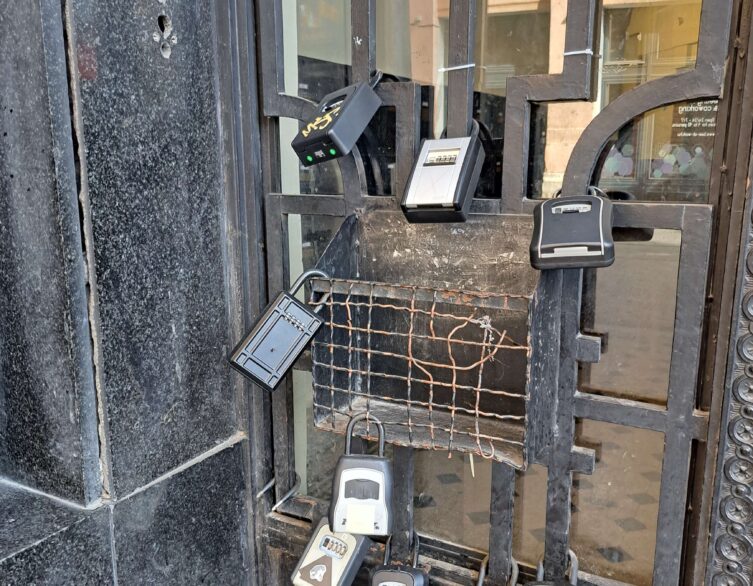
If you’ve ever booked a cozy apartment in Budapest through Airbnb or Booking.com, you’ve probably stayed in one of the city’s inner districts without giving it much thought. But behind those charming courtyards and ruin-bar-adjacent flats, a quiet revolution is brewing. Budapest’s 8th District — officially known as Józsefváros, or Joseph Town — is getting serious about regulating short-term rentals, and the plan is more nuanced than a simple ban.
What’s Going On in Józsefváros?
Józsefváros is one of Budapest’s most historically layered neighborhoods. Sandwiched between the Grand Boulevard and Keleti Railway Station, it’s home to everything from the dazzling Palace Quarter to grittier, more residential streets where locals actually, you know, live. Over the past few years, the number of short-term rental properties in the district has climbed steadily, and the local council has decided it’s time to do something about it before things get out of hand.
As of March 2026, there were 1,760 registered short-term accommodations operating in Józsefváros — 53 of which were hotels, guesthouses, or inns, and a whopping 1,707 were private apartments and rooms listed on platforms like Airbnb, Booking.com, or Szallas.hu. That means roughly 3.5% of the district’s 48,444 apartments are being used as tourist rentals rather than homes. Doesn’t sound like much? The council would like a word.
Not a Ban — A Balancing Act
Before you panic about your upcoming Budapest stay, take a breath. Józsefváros is not following in the footsteps of the neighboring 6th District (Terézváros), which went full hard-mode on January 1, 2026, and banned short-term rentals outright. Józsefváros is taking a more measured, three-tiered approach that tries to balance the needs of tourists, landlords, and — crucially — the people who actually call this place home.
The proposal operates at three levels: the district as a whole, individual neighborhoods within the district, and individual apartment buildings. Think of it like a set of nested rules, each one getting more specific as you zoom in.
The Numbers Game
At the district-wide level, the council proposes a hard cap of 4% — meaning no more than 4% of all apartments in Józsefváros can be used as short-term rentals at any given time. Since the current rate is already at 3.5%, there isn’t a huge amount of room left to grow.
At the neighborhood level, things get more granular. The Palace Quarter (Palotanegyed) and Corvin Quarter (Corvinnegyed) are already over the 7% mark, which the council considers well into “overtouristed” territory. Under the new rules, those neighborhoods would be capped at 6% — which sounds like more than they have now, but the point is to stop further growth and gradually bring numbers down as existing permits expire. No one’s getting kicked out today; it’s a long game.
Best deals of Budapest











Meanwhile, neighborhoods like the Market Hall Quarter (Csarnoknegyed), Népszínház Quarter, and Kerepesdűlő would be capped at 4%, with modest room for a handful of new listings. And in more residential areas like the Magdolna, Orczy, Losonci, Százados, and Ganz quarters, as well as Tisztviselőtelep, caps would sit between just 1% and 2% — a clear signal that these streets are for neighbors, not Nightly guests.
Your Building Has a Say Too
Perhaps the most interesting layer of this proposal is the building-level regulation. Under the plan, new short-term rental operations could only be set up with the explicit approval of the building’s homeowners’ association. On top of that, every short-term rental apartment would need to display a sign on its door identifying it as such, along with the operator’s contact details.
The reasoning here is pretty logical. When too many apartments in a single building flip to tourist use, the whole character of the place changes. Noise levels go up, shared spaces get worn down faster, and the sense of community that makes a building actually function as a home starts to dissolve. The council wants to make sure that short-term rental operators never become the majority in any single building — or even come close to it.
How Can You Get Involved?
The draft proposal has been opened for public consultation, which means residents, businesses, and anyone with a stake in the neighborhood can weigh in. If you happen to be in Budapest and feel like participating in local democracy, there’s a community forum on May 26, 2026 at 6:00 PM at H13 Kultpont (Horánszky Street 13, Budapest 1085), where three deputy mayors will be on hand to discuss the plans. There’s also an online survey open until May 31, 2026, and professional or advocacy organizations can send their feedback directly to tarsadalmiegyeztetes@jozsefvaros.hu.
What Does This Mean for Tourists?
In the short term, not much changes for visitors. Plenty of apartments in Józsefváros will still be available to book, especially in the Palace and Corvin quarters, which are also the most attractive areas for tourists anyway. The district sits right in the heart of Budapest, walking distance from the Great Market Hall, the Hungarian National Museum, and the buzzing nightlife of the Jewish Quarter just over the district boundary.
What this regulation signals, though, is a broader shift happening across Budapest and many European cities — a recognition that tourism is a wonderful thing, but not at the cost of making cities unlivable for the people who were there first. Budapest has been grappling with this tension for years, and Józsefváros is now joining cities like Amsterdam, Barcelona, and Lisbon in trying to find that elusive middle ground.
So next time you unlock an Airbnb apartment in this wonderfully chaotic, historically rich corner of Budapest, maybe give a little nod to the neighbors. They’re still there, they still matter, and the city is starting to make sure they stay that way.
Related news
Buda Castle District Puts Airbnb’s Future to a Public Vote — What It Means for Your Budapest Trip
If you’re dreaming of waking up in a cozy apartment just steps from Buda Castle, Fisherman’s Bastion, or Matthias Church, pay close attention:...
Józsefváros Is Cracking Down on Airbnb: What Tourists Need to Know Before They Book
If you’re planning a trip to Budapest and considering an Airbnb, there’s some news worth knowing about. The Hungarian capital is quietly...
Budapest in the Spotlight: Champions League Final, Sky-High Prices, and the Airbnb Battle Reshaping the City
Budapest is having a moment — and not just because the world’s most prestigious club football final is coming to town. The Hungarian capital...
Airbnb in Budapest: What Terézváros’ 2026 Ban Means for Tourists
Budapest’s vibrant inner districts have long been a favorite among travelers, offering historic streets, lively nightlife, and easy access to iconic...
Moxy Budapest Downtown: Hungary’s First Moxy Hotel Opens in the Heart of the Party District
Budapest has a new address for travelers who want more than just a place to sleep. Moxy Budapest Downtown, Hungary’s first Moxy hotel, officially...
How Budapest’s Airbnb Rules Are Changing – What Tourists Need To Know
Budapest is famous for its romantic riverside views, ruin bars and grand cafés – but for many visitors, short‑term rentals like Airbnb have...
Airbnb Ban in Budapest? What Foreign Tourists Need to Know About the New Rules
If you’re planning a trip to Budapest and were thinking of booking a cozy apartment in the city center, you’ve probably noticed some big changes...

Airbnb Ban Comes into Effect in Budapest’s District VI: What Tourists Need to Know
As of January 1, 2026, the central district of Terézváros — one of Budapest’s busiest and most popular areas among tourists...
Budapest Airbnb Crackdown: What Foreign Tourists Need to Know About Staying in District VI from 2026
Picture this: you’re scrolling through Airbnb for your dream Budapest getaway, eyeing that chic apartment on Király Street in the heart of...
Don’t Fall for It: Airbnb Warns of Accommodation Booking Scams
As travel planning ramps up, travelers are increasingly vulnerable to online scams, warns Airbnb. A recent study highlights the growing sophistication...
Related events