Budapest Zoo Cheers as Hungary Finally Bans Wild Animals from the Circus
There are moments in the slow, grinding machinery of legislation when something genuinely good happens — and when it does, it’s worth pausing to appreciate it. Hungary just had one of those moments, and the Budapest Zoo and Botanical Garden is here for it.
The Last Kid on the Block (But Not Anymore)
For years, Hungary held a rather awkward distinction: it was one of the very last countries in the European Union where exotic wild animals could still be put to work in circus performances. While the rest of Europe had long said goodbye to performing elephants, big cats, and sea lions doing tricks under the big top, Hungarian circuses — and perhaps more notably, Western European circuses that used Hungary as a convenient loophole — carried on as if it were still 1987.
That’s right. Italian circus companies, for instance, whose own home countries had already banned the practice, were reportedly touring their exotic animal acts through Hungary, because Hungary was still technically open for business. It’s the kind of regulatory gap that makes animal welfare advocates pull their hair out, and it’s one that Hungary is now, finally, closing.
Best deals of Budapest











What’s Actually Changing?
Gajdos László, the incoming minister responsible for the living environment in Hungary’s new Tisza government, confirmed after his parliamentary committee hearing that elephants, pinnipeds (that’s seals and walruses to you and me), big cats, and primates will be banned from circus performances. The ban is expected to take effect from January 2027, giving the current circus season time to wrap up without disruption — because, as Gajdos put it, they don’t want to put any single circus in an awkward position.
As things stand, there is reportedly only one elephant still performing in a Hungarian circus right now, so in practice the transition is less dramatic than it might sound. Still, the symbolic and legal importance of the step should not be underestimated.
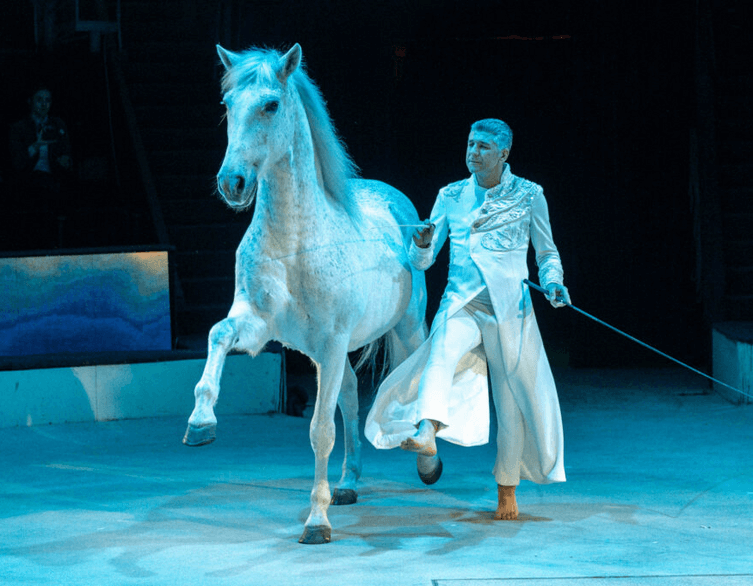
Domesticated animals — horses, dogs, parrots, and even llamas, which apparently handle circus life surprisingly well — will continue to be allowed. As Gajdos cheerfully noted, “a circus without animal acts is no circus at all,” which is a perfectly reasonable position once you’ve removed the part where tigers are made to jump through flaming hoops.
Why the Budapest Zoo Is Genuinely Excited About This
The Budapest Zoo and Botanical Garden, one of Central Europe’s oldest and most respected zoological institutions, has been vocal in welcoming the news — and it’s not just diplomatic politeness. The Zoo is an active participant in international breeding programs designed to protect endangered species, and it takes its conservation mission seriously on both a local and global scale.
From the Zoo’s perspective, the distinction between a circus and a zoo isn’t just about aesthetics. Proper animal keeping — at the standard the Budapest Zoo upholds — means adhering to international welfare guidelines, providing species-appropriate nutrition, and ensuring professional veterinary supervision around the clock. These are the conditions under which wild animals can be housed ethically, studied scientifically, and, in some cases, eventually returned to the wild as part of reintroduction programs.
A circus, by contrast, is built around performance and travel. The stress of constant transportation, unfamiliar environments, and the demands of trained routines is categorically different from a conservation-focused zoological setting. The Zoo has never been shy about this distinction, and the new ban essentially brings Hungarian law in line with what the scientific and zoological community has been saying for decades.
Animal Welfare Goes Ministerial
Beyond the circus ban itself, there’s a broader and genuinely encouraging signal here: animal welfare is now a ministerial-level priority in Hungary. The creation of a dedicated “living environment” ministerial portfolio — with animal protection explicitly in its remit — represents a meaningful institutional upgrade.
For visitors coming to Budapest, this is worth knowing because it shapes the city’s relationship with its animals, its zoo, and its natural spaces. The Budapest Zoo isn’t just a fun afternoon out (though it absolutely is that too — it’s a gorgeous, historic institution in the heart of City Park). It’s a serious scientific and conservation organization operating within an international network of zoos committed to preserving biodiversity. Knowing that the Hungarian government is moving toward stronger alignment with European standards on animal welfare only adds to that story.
What This Means If You’re Visiting Budapest
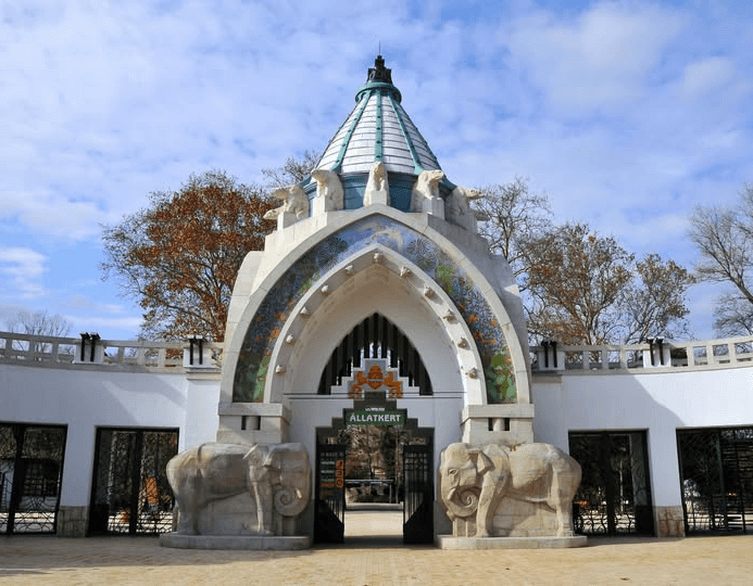
If you’re planning a trip to the Hungarian capital, a visit to the Budapest Zoo and Botanical Garden in City Park is genuinely one of the best things you can do — not just for the animals, but for the architecture. The zoo dates back to 1866 and its Art Nouveau entrance gates alone are worth the trip. Inside, you’ll find everything from Komodo dragons to African penguins, all kept in conditions that meet rigorous international welfare standards.
And now, when someone asks you whether Hungary is keeping up with the rest of Europe on animal rights, you can confidently say: yes, actually, and about time too.
Related news
Budapest Zoo Wins International Animal Welfare Award in Its 160th Year
Budapest Zoo and Botanical Garden has a reason to celebrate—and, for once, it isn’t a new arrival with unusually large ears. The zoo has earned...
A New Foal, a New Biodome Wonder: What’s On at Budapest Zoo This Summer
Budapest is famous for its thermal baths and grand boulevards, but right now, one of the most exciting reasons to visit the city is happening at...
Watch Your Step! Budapest Zoo’s Tiniest Escape Artists Are on the Move
If you’re planning a visit to the Budapest Zoo & Botanical Garden this summer, keep your eyes on the ground — because the zoo’s...
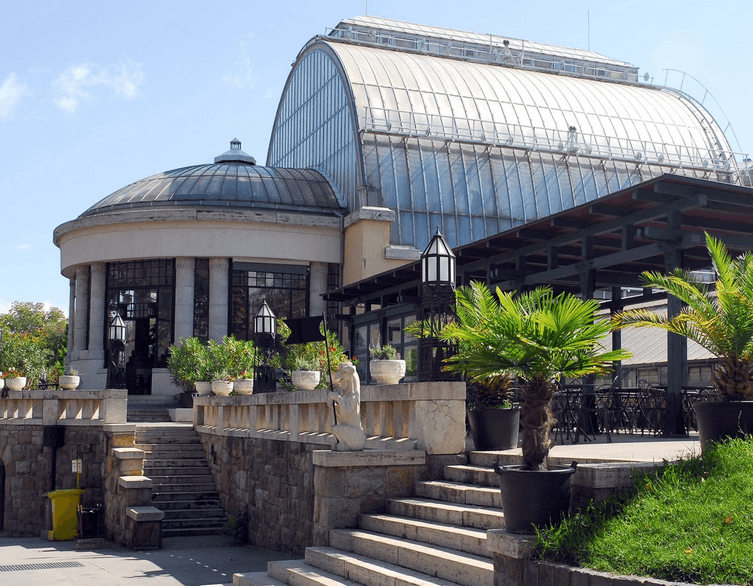
The Palm House of Budapest Zoo: A 160-Year Story of Survival, Renewal, and Tropical Wonder
Discover one of Budapest’s most captivating hidden gems — a Victorian glass palace filled with jungle life, right in the heart of the city....
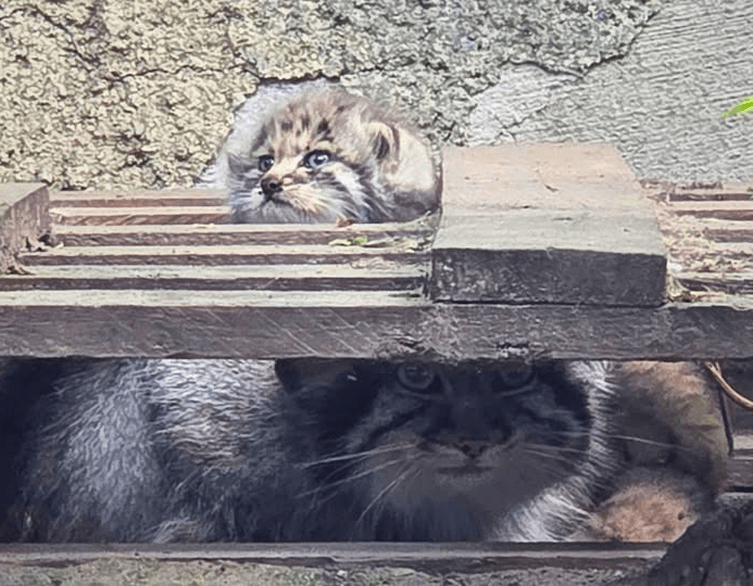
Budapest Zoo Welcomes an Adorable Pallas’s Cat Kitten: Meet the Newest Internet Star in the Making
Visitors to Budapest have a brand-new reason to add the city’s famous zoo to their itinerary. A tiny Pallas’s cat kitten, one of the most charming...
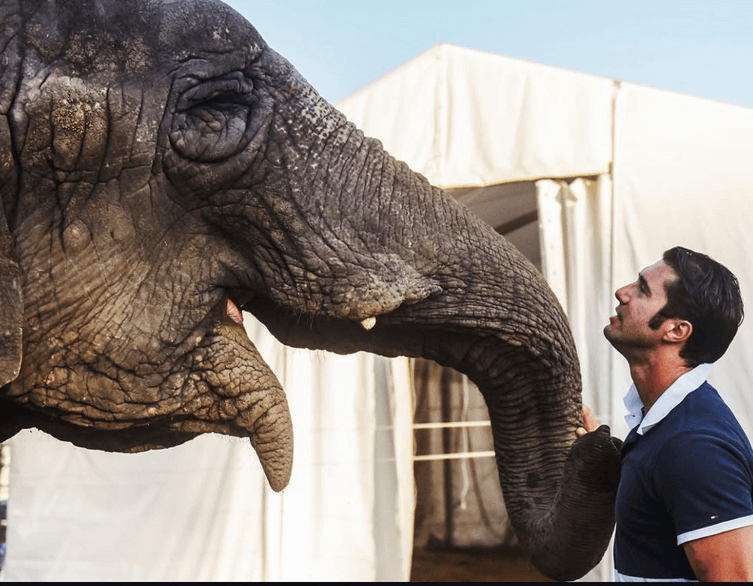
Budapest’s Circuses Are Cheering — Wild Animals Are Getting Their Retirement Papers
In a plot twist that almost no one saw coming, Hungary’s circuses are actually happy about a government ban. Yes, you read that correctly....
From Discipline to Dialogue: How the Circus Evolved Through Time
When you sit beneath the grand dome of the Capital Circus of Budapest and watch a performer soar through the air or guide a horse in perfect synchronization,...
The Grand Circus Turns 55: Celebrating Budapest’s Iconic Palace of Wonders
If you wander through Budapest’s City Park on a crisp winter morning, just a few steps from Heroes’ Square, you might catch sight of a building...
Related events