Beat the Heat: Budapest’s Best Indoor Exhibitions to Explore in August
August in Budapest means golden light on the Danube, packed rooftop bars, and a heat that can make even the most enthusiastic sightseer start dreaming about air conditioning. Luckily, the city’s museums and galleries are having an exceptional month, with dozens of temporary exhibitions running the full spectrum from ancient Rome to Freddie Mercury’s stage costumes. Whether you’re escaping a midday heatwave or simply prefer a slower, more thoughtful kind of sightseeing, here’s your complete guide to the indoor exhibitions worth building a Budapest itinerary around this August.
Everyday Luxury at the Museum of Ethnography
Porcelain rarely gets the spotlight it deserves, but the Everyday Luxury exhibition at the Museum of Ethnography makes a compelling case for paying closer attention. Running until August 23, this show traces nearly two hundred years of Hungarian hard-paste pottery, from elegant Zsolnay and Hollóházi porcelain once destined for royal tables to the colorful, hand-painted plates that decorated ordinary countryside homes. Over six hundred pieces are on display, curated by experts from three major museums, tracing everything from eighteenth-century Wedgwood-inspired designs to twentieth-century industrial innovations. It’s a beautifully photogenic show, and since the museum sits right next to Heroes’ Square in City Park, it pairs effortlessly with a stroll around Vajdahunyad Castle afterward.
Once Upon a Time, There Was a Csemege at the Museum of Trade and Tourism
For a nostalgic, often funny look at everyday life behind the Iron Curtain, head to the Hungarian Museum of Trade and Tourism in Óbuda, where Once Upon a Time, There Was a Csemege recreates the world of Hungary’s beloved socialist-era grocery chain. Open through September 13, the exhibition surrounds visitors with vintage packaging, retro shop counters, and the quirky “service rules” that once governed Hungarian shop clerks. It’s a small, human-scale exhibition that says more about daily life under socialism than any history textbook, and Óbuda itself, with its cobblestone streets and cozy cafés, makes for a charming detour from the usual tourist track.
Hungary’s Guardian Angel at the Városliget Visitor Centre
The Archangel Gabriel statue has watched over Heroes’ Square from its thirty-six-metre column for more than a century, but it came down for restoration in 2024 after decades of corrosion left it dangerously unstable. While the statue is away, the Városliget Visitor Centre is hosting a free exhibition that lets you get closer to it than ever before, including a full-scale five-metre replica at eye level and an immersive projection that simulates standing beside the angel high above the square. The real showstopper, though, is the exhibition’s time capsule: a 125-year-old document and eight coins discovered inside the statue’s pedestal during restoration, deciphered using multispectral imaging and now on public display for the first time.
Scents, Flavours, Shapes at the Hungarian Heritage House
Most exhibitions ask you to look; this one asks you to touch, smell, and play. Scents, Flavours, Shapes – Look by Hand, See by Heart at the Hungarian Heritage House’s Maácz László Gallery was designed with visitors with sensory disabilities in mind, but it delights everyone who walks through the door. Four branches of Hungarian folk art take center stage, gingerbread making, felting, pottery, and shepherding, brought to life through tactile games, spice-recognition challenges, and hands-on displays rather than glass cases. Developed as part of a European inclusive-museum initiative, it’s won recognition for its accessibility, and it remains one of the most genuinely original cultural experiences in the city.
Fő a Kávé: A Coffee-Lover’s Journey at the Elektrotechnikai Gyűjtemény
If your Budapest trip already revolves around café-hopping, the Fő a Kávé exhibition at the Elektrotechnikai Gyűjtemény in the Jewish Quarter deserves a slot on your list, and it runs through late October, so there’s plenty of time. The show traces Hungary’s coffee culture from 1683 Vienna-siege beans all the way to today’s specialty roasts, wandering through recreated coffee house interiors inspired by legends like New York Café and Centrál. Expect grinding tools, historic brewing gadgets, and a genuine on-site café serving proper coffee once you’ve worked up a thirst, all just steps from the trendy bars of Kazinczy Street.
Black Mirror: The Long Shadow of the Future at the Ludwig Museum
For something more unsettling and thought-provoking, the Ludwig Museum’s Black Mirror: The Long Shadow of the Future gathers nearly ninety contemporary artworks exploring how the present has quietly become the dystopia earlier generations feared. Running through October 18, the exhibition unfolds across five thematic sections examining technology, identity, ideology, and urban life, turning the gallery itself into a kind of mirror reflecting the world back at visitors. You don’t need an art history background to connect with it; the anxieties it explores, about screens, cities, and where we’re all heading, feel universal in 2026.
Manga – Hokusai – Manga at the Museum of Ethnography
Closing on August 16, so worth prioritizing early in the month, Manga – Hokusai – Manga at the Museum of Ethnography traces two hundred years of Japanese visual culture, from the woodblock prints of legendary artist Katsushika Hokusai to today’s manga pages. Rather than presenting a straightforward timeline, the show places historic drawings alongside contemporary manga panels, revealing surprising visual echoes across centuries. Original woodblock prints from Hiroshige’s celebrated Tōkaidō series sit alongside newly commissioned works by seven contemporary manga artists, making this one of the most visually rich and unexpectedly playful exhibitions in the city this summer.
Freddie Mercury at the House of Music Hungary
Marking forty years since Queen’s legendary 1986 concert in Budapest, one of the only stadium shows a major Western band played behind the Iron Curtain, the House of Music Hungary’s Freddie Mercury exhibition. Visitors move through nine themed spaces filled with hundreds of original items, from stage outfits to handwritten notes, guided along the way by audio and video appearances from Peter Freestone, Freddie’s real-life personal assistant. It’s an unusually intimate portrait of a global icon, and it lands squarely in City Park, making it easy to combine with a walk around Heroes’ Square or a soak at the Széchenyi Thermal Bath.
Vasarely 120 at the Museum of Fine Arts
Victor Vasarely, the Hungarian-born father of op-art, gets a major retrospective at the Museum of Fine Arts, closing August 16. Vasarely 120 brings together more than one hundred and forty works across five sections, including rare loans from the Fondation Vasarely in France and the Pécs Vasarely Museum, tracing his path from early figurative sketches to the mind-bending geometric illusions that made him famous. As the world’s largest public Vasarely collection lives in Budapest, this show feels like a genuine homecoming, and its City Park location makes it an easy pairing with the Museum of Ethnography just next door.
Vasarely Don’t Go Home at the NEO Contemporary Art Space
The Vasarely celebration continues at the NEO Contemporary Art Space, where Vasarely Don’t Go Home! takes a sharper, more political angle on the artist’s legacy, running through September 13. The title references a real 1969 protest against Vasarely’s Budapest retrospective, and the exhibition uses that tension to explore his influence on Hungarian avant-garde art through the ideas of construction, illusion, and grid. Combined with the companion shows at the Museum of Fine Arts and the Hungarian National Gallery, a discounted joint ticket lets serious art fans experience all three Vasarely tributes across a single, very rewarding day in City Park.
Like Spring Water at the House of Traditions
Celebrating the seventy-fifth anniversary of the Hungarian State Folk Ensemble, Like Spring Water at the House of Traditions is a free exhibition running until mid-November, giving plenty of flexibility for an August visit. The show traces how founder Miklós Rábai transformed rural folk tradition into a distinct theatrical art form, and it spans two floors packed with rarely seen costumes, archival performance footage, and behind-the-scenes stories from the artists themselves. Even visitors with no prior knowledge of Hungarian folk dance will find it an accessible, visually rich entry point into a defining strand of national identity.
Rituals of Beauty at the Museum of Ethnography
Opening a genuinely different cultural window, Rituals of Beauty – Featherwork and Body Painting in Amazonia at the Museum of Ethnography runs all the way through January, so August visitors have no reason to rush. Drawing on the archive of Belgian anthropologist Gustaaf Verswijver, who has documented Brazil’s Mebengokre people since 1974, the exhibition explores how body paint, feathers, and ceremonial adornment function as a collective visual language rather than personal style. Photographs spanning five decades sit alongside ceremonial objects, offering a rare and visually stunning look at a culture few European visitors ever encounter.
Best deals of Budapest







Apocalypse: From Dürer to Kondor at the Museum of Fine Arts
Running Thursdays through Sundays until September 20, Apocalypse – Biblical Prophecies from Dürer to Béla Kondor gathers around one hundred works spanning five centuries of apocalyptic art. Albrecht Dürer’s revolutionary 1498 woodcuts anchor the show, joined by Lucas Cranach the Elder’s Reformation-era prints, Odilon Redon’s dreamlike lithographs, and modern interpretations by Hungarian artist Béla Kondor. Given today’s climate anxieties and global uncertainty, these centuries-old visions of endings feel unexpectedly current, making this one of the more intellectually striking stops on the Museum of Fine Arts’ summer calendar.
The Longed-For Masterpiece: Béla Gruber at the Hungarian National Gallery
Inside Buda Castle, the Hungarian National Gallery is honoring one of Hungary’s most tragically short-lived talents with The Longed-For Masterpiece – The Art of Béla Gruber, on view through August 23. Gruber died at just twenty-seven in 1963, having produced over a thousand works that fused raw, expressive figuration with rigorous geometric structure. The exhibition’s centerpiece, an unfinished six-square-metre graduation painting called Painter’s Studio, anchors five thematic sections tracing his self-portraits, still lifes, models, and recurring Danube barge motifs. Between the artwork and the sweeping Danube views from Buda Castle itself, it’s a quietly powerful way to spend an afternoon.
Budapest Tales at the Underground Railway Museum
Tucked beneath Deák Ferenc Square in the historic Millennium Underground station, Budapest Tales uses public transport history to tell a much bigger story about the city, and it’s open through the end of the year. Ten thematic strands cover everything from horse-drawn vehicles that impressed a visiting Brazilian emperor to the tram libraries that once spread literature across the city, all illustrated through original artifacts, vintage photographs, and transport memorabilia. It’s affordable, centrally located, and genuinely entertaining, making it an easy add-on between shopping and sightseeing in the heart of downtown.
The Last Cargo: A Roman Shipwreck at the Aquincum Museum
At the Aquincum Museum in Óbuda, The Last Cargo: A Late Antique Shipwreck from Piruzi and the Trade Connections of Aquincum tells the story of a merchant ship that sank off the Croatian coast in the fifth century, its cargo undisturbed for over fifteen hundred years until archaeologists discovered it in 2011. Running through October 25, the exhibition displays salvaged North African amphorae, a Roman octopus trap, and a working replica of an ancient depth sounder that visitors can actually try out. It’s a vivid reminder that Budapest was once Aquincum, a thriving Roman city with trade links stretching to North Africa, and the surrounding archaeological park makes for a rich half-day outing.
Herend 1826 at the Pesti Vigadó
Marking two centuries of the Herend Porcelain Manufactory, Herend 1826 at the Vigadó Gallery inside the historic Pesti Vigadó building runs until August 30. The exhibition centers on an elaborately set table showcasing some of Herend’s most celebrated, rarely displayed patterns, surrounded by virtuoso porcelain pieces that push handcrafted technique into genuinely contemporary territory. With sweeping Danube views and a location just steps from the Chain Bridge, this is an elegant, relatively low-key stop that rewards slow, unhurried looking.
Lights of Korea at the Korean Cultural Center
For something atmospheric and free, the Korean Cultural Center’s Lights of Korea – Silk Lanterns of Jinju fills its exhibition halls with over fourteen hundred handcrafted silk lanterns, running through September 4. The show traces the South Korean city of Jinju’s twin traditions of silk production and floating lantern festivals, and during summer the center keeps convenient shortened hours from ten in the morning until six in the evening. It’s a meditative, quietly beautiful contrast to Budapest’s more bustling attractions, and the soft glow of the lanterns makes it a favorite among photographers.
Once We Were Like You at the Aquincum Museum
Also at Aquincum, but focused on people rather than cargo, Once We Were Like You: Facial Reconstructions from the Roman Period brings sixteen Roman-era residents of ancient Budapest back to life through scientifically reconstructed faces, running through October 31. Built on DNA analysis and forensic reconstruction techniques, each face comes with a name and a short, historically grounded life story, offering a startlingly personal connection to people who lived here roughly eighteen hundred years ago. Displayed alongside the museum’s famous mummy and fresh CT scan findings, it’s one of the most emotionally resonant archaeological exhibitions Budapest has produced in years.
The Invisible Exhibition Near Népliget
Not every indoor experience in Budapest relies on sight. The Invisible Exhibition guides small groups through completely darkened environments led by a blind or visually impaired guide, recreating everyday scenarios like ordering coffee or navigating a busy street using touch, sound, and smell alone. English-language tours run on set days with advance booking required, and the experience lasts about an hour, leaving most visitors with a genuinely shifted perspective on how the senses work together. Located near Népliget park, it’s an easy trip from the city center and unlike anything else on this list.
Best of Diploma 2026 on Andrássy Avenue
Wrapping up on August 9, Best of Diploma 2026 at HAB on the elegant, UNESCO-listed Andrássy Avenue showcases the finest graduation projects from the Hungarian University of Fine Arts. Expect an eclectic mix of painting, sculpture, printmaking, graphic design, and even art conservation work, all grappling with themes like identity, technology, and memory through the eyes of Hungary’s newest generation of artists. Admission is free, and with the Hungarian State Opera House and House of Terror both nearby, it fits naturally into a day exploring one of Budapest’s grandest boulevards.
Capturing Eternity at the Museum of Fine Arts
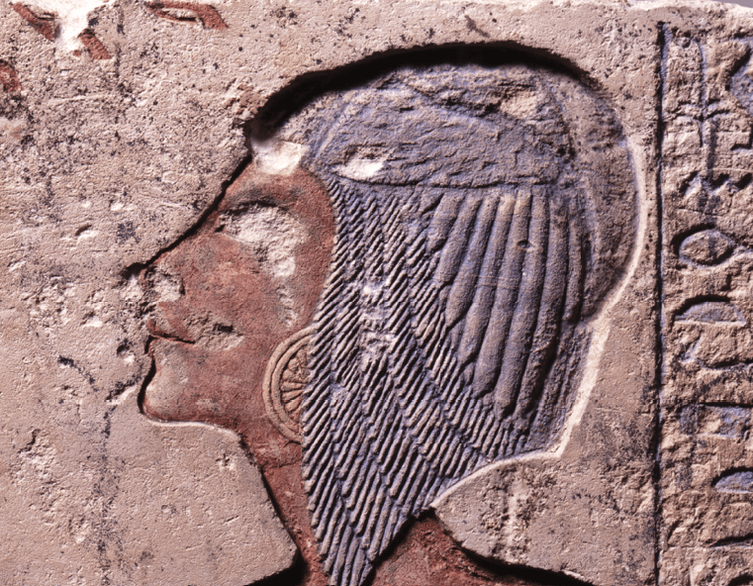
Opening July 17 and running through November 1, Capturing Eternity at the Museum of Fine Arts explores the art created for what ancient Egyptians called “houses of eternity,” their temples and tombs. Drawing on the museum’s own Egyptian collection alongside loans from Copenhagen’s Ny Carlsberg Glyptotek and Turin’s Museo Egizio, the show goes beyond finished, polished artifacts to reveal the working process behind them, including mistakes, corrections, and reworked pieces. It’s a refreshingly human look at a civilization usually remembered only for its grandeur, and its central location near Heroes’ Square makes it simple to combine with a City Park day.
The American Dream at the Hungarian National Museum
Marking the two hundred and fiftieth anniversary of the United States Declaration of Independence, The American Dream: Hungarians in the United States, 1776–2026 at the Hungarian National Museum runs through November 1. The show blends serious history with unabashed pop culture, pairing a life-sized Terminator sculpture and Zsa Zsa Gábor’s cocktail dress with Lajos Kossuth’s exile-era logbook and a sculpture of the original Ford Mustang logo, designed by a Hungarian artist and recreated from genuine car parts. It’s an unusually fun, fast-moving exhibition that rewards visitors regardless of how much Hungarian-American history they know going in.
The Legacy of the Gold Train at the Money Museum
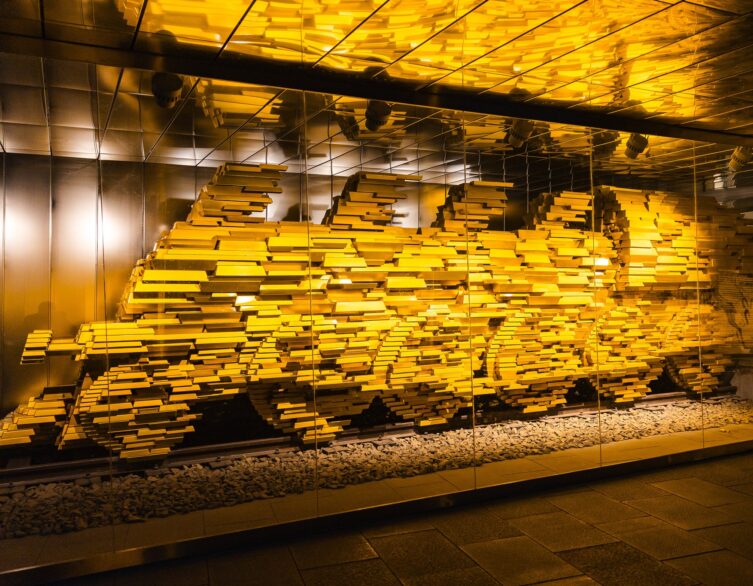
Opened August 1 to mark the eightieth anniversary of the modern forint, The Legacy of the Gold Train – Rebirth of the Hungarian Currency at the Money Museum tells the dramatic, little-known story of bank employees who smuggled Hungary’s gold reserves to safety during the final chaos of the Second World War. Eighty artifacts, including a sheet of one-billion pengő banknotes illustrating the country’s catastrophic hyperinflation, bring the story to life through archival documents, recreated railway interiors, and original newsreel footage. Admission is completely free, and with the exhibition running until November 2027, it’s a fresh addition that’s likely to stay on Budapest’s must-see list well beyond this summer.
Planning Your Museum-Hopping August
With this many overlapping exhibitions, the smartest strategy is to cluster by neighborhood: City Park alone covers the Museum of Fine Arts, the Museum of Ethnography, the House of Music Hungary, and the Városliget Visitor Centre, while Buda Castle and Óbuda each anchor their own worthwhile half-days. Most of these shows offer online advance booking, which is well worth using during Budapest’s busy August season, and several, including Budapest Tales, Best of Diploma, Like Spring Water, and the Money Museum exhibition, are completely free. However hot it gets outside this month, Budapest’s indoor cultural calendar makes sure there’s never a dull, air-conditioned hour in the city.
Related news
St. Stephen’s Day Fireworks Meet a Level 2 Heat Alert
Budapest is gearing up for its biggest weekend of the year, and it’s arriving with a side of serious summer heat. From Thursday, August 20...

Budapest in August: Your Guide to the City’s Best Family Events
August in Budapest is the sweet spot of the Hungarian summer — the Danube glows gold in the evenings, the Buda Castle district smells like fresh...
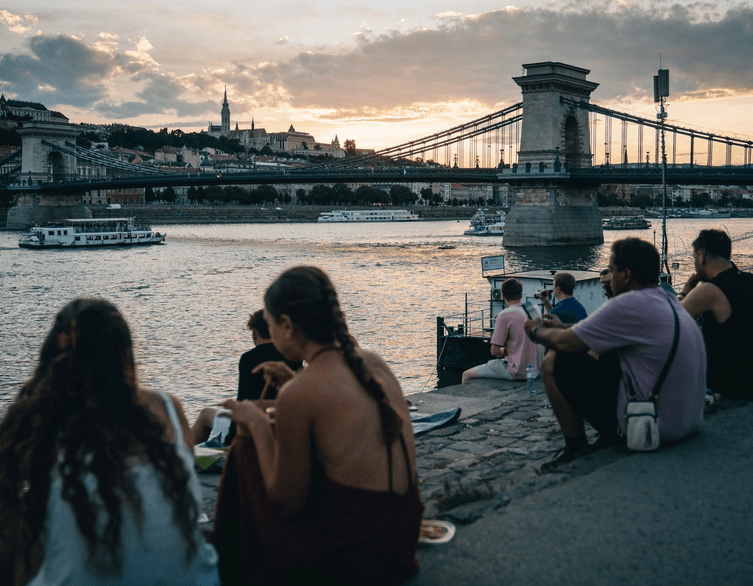
Why Budapest’s Famous Landmarks Are Staying Dark This Summer
If you’ve strolled along the Danube after sunset recently and noticed that the Hungarian Parliament Building, Buda Castle, and the Chain Bridge...

Budapest Heatwave Guide: How to Stay Safe as the Alert Level Eases
If you’re packing your bags for Budapest this month, there’s some good news mixed in with a reminder to stay alert: Hungarian health...
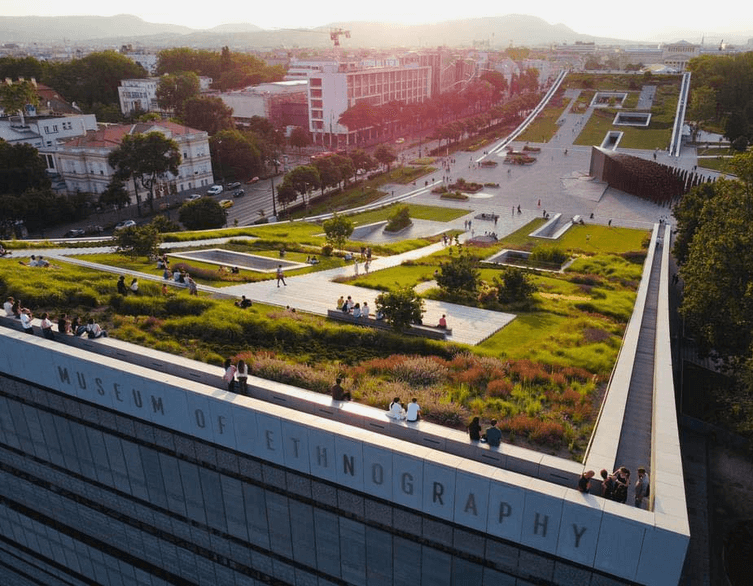
Budapest’s Museum of Ethnography Wins Major International Digital Innovation Awards
Budapest’s cultural scene just got another major boost on the international stage. The Museum of Ethnography has captured two prestigious awards...
The Museum of Ethnography of Budapest Wins Prestigious IF Design Award
Budapest, a city celebrated for its rich history and architectural splendor, has added yet another jewel to its crown. The Museum of Ethnography,...
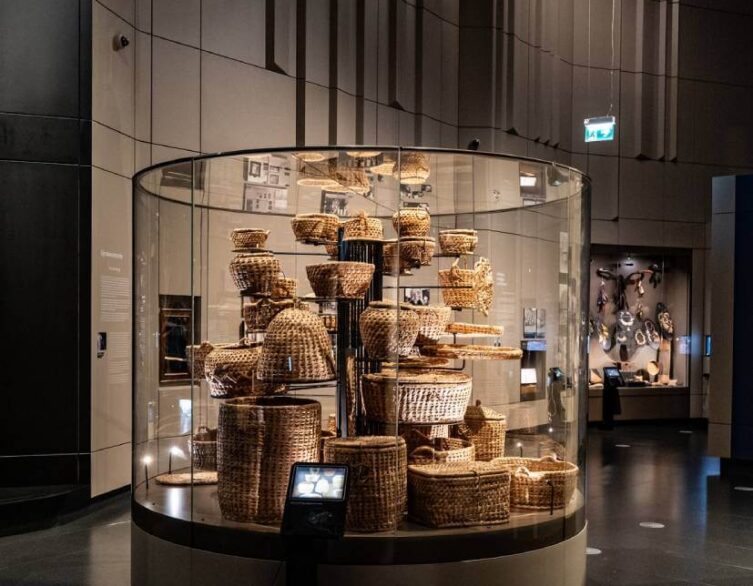
Discover a World of Wonders at the Museum of Ethnography’s Renewed Permanent Exhibition
Exciting news for culture enthusiasts and curious minds alike! The Museum of Ethnography in Budapest has finally unveiled its highly anticipated...

Herendi Porcelain Joins the F1 Race This Weekend
Lando Norris, the talented Formula 1 driver, will be sporting a unique and artistic helmet at the upcoming Hungarian Grand Prix in Budapest. The...
Related events
Related attractions
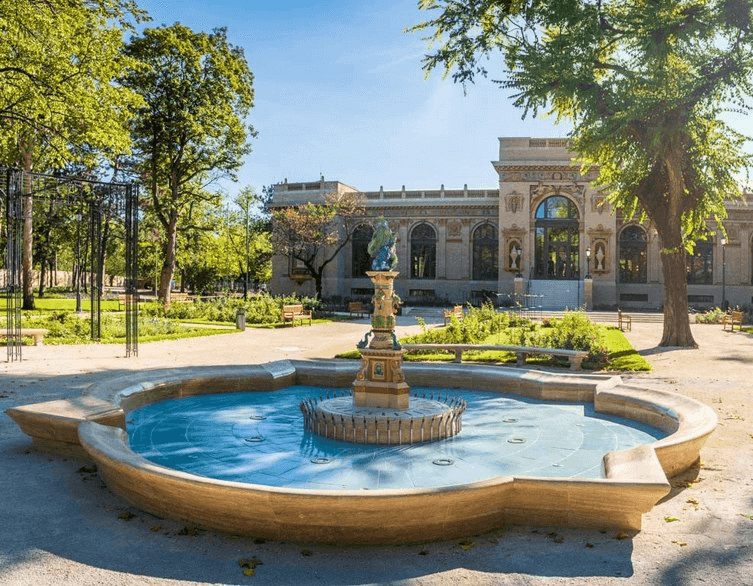
Budapest’s Living Porcelain Heritage: A Journey Through Art, Craftsmanship, and Cultural Legacy
Budapest stands as a testament to Hungarian porcelain artistry, where centuries-old craftsmanship comes alive through stunning public installations...
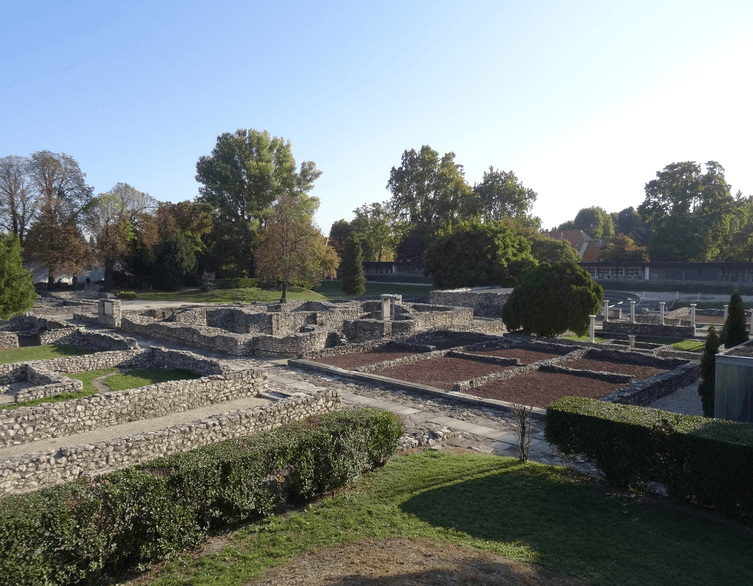
Step Back in Time: Explore the Aquincum Museum and Archaeological Park
Discover the fascinating history of Budapest’s Roman roots at the Aquincum Museum and Archaeological Park, located in District III along Szentendrei...
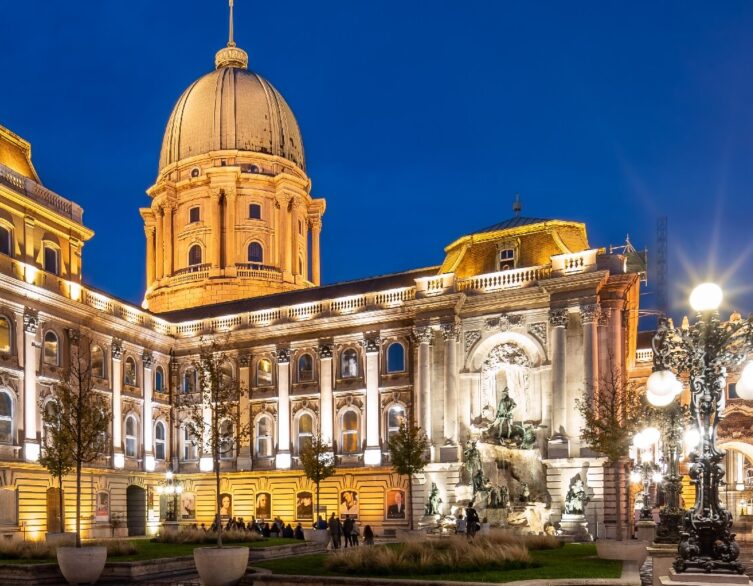
The Hungarian National Gallery in Budapest
Nestled within the historic Buda Castle in Budapest, the Hungarian National Gallery is a treasure trove of Hungarian art, showcasing the country’s...
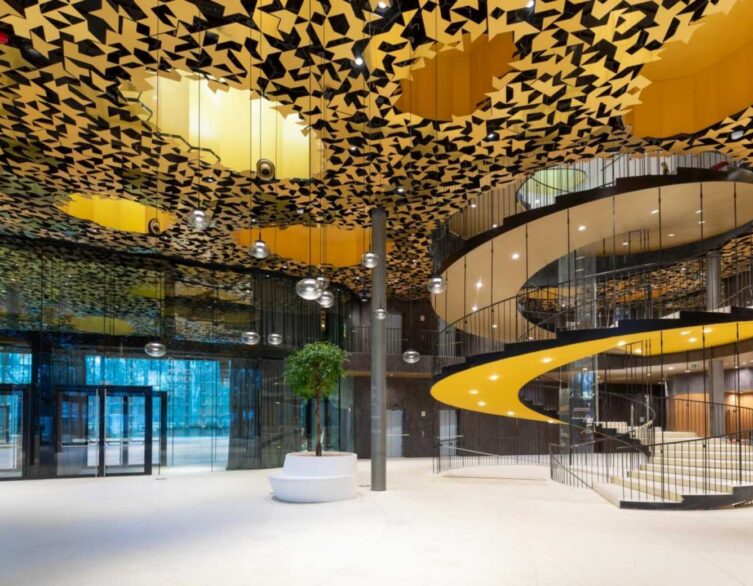
The House of Hungarian Music in Budapest – An Architectural Marvel Filled with Melodies
The House of Hungarian Music, located in Városliget, is a must-visit attraction for music lovers and architecture enthusiasts alike. This iconic...
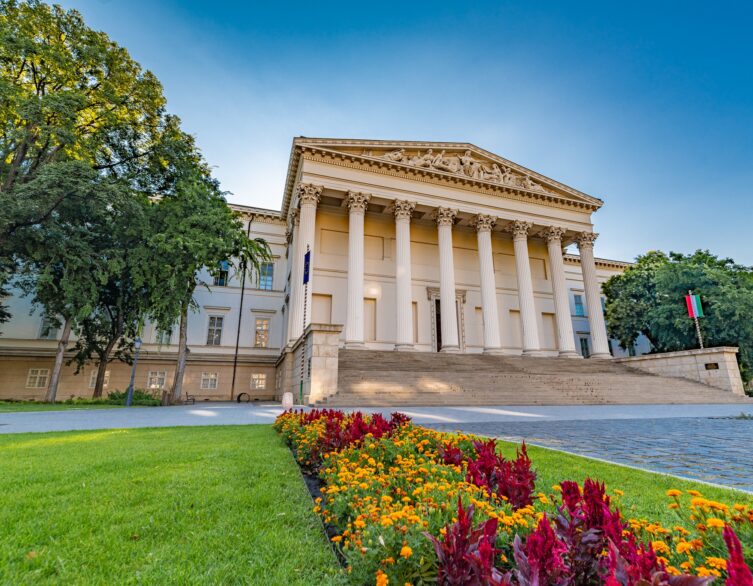
Discover the Treasures of the Hungarian National Museum in Budapest
The Hungarian National Museum in Budapest is a must-visit attraction for anyone interested in the rich history and culture of Hungary. Founded in...
Get Your Money’s Worth at the Money Museum in Budapest
Budapest, the vibrant capital of Hungary, is home to numerous fascinating attractions that captivate visitors from around the world. Among these...