Budapest’s Old Phone Booths Are Disappearing: A Long-Awaited Change in Terézváros
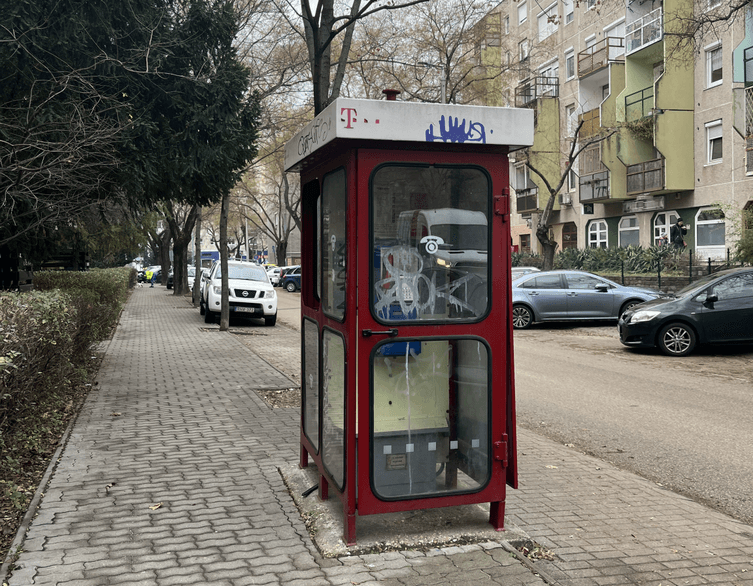
Budapest is a city where history and modern life constantly meet—and sometimes clash in unexpected ways. One such story has been unfolding in the heart of the city, where outdated public phone booths have long stood as relics of a bygone era. Now, after years of debate and persistence, change is finally visible on the streets of Terézváros.
A Long Battle in the Heart of Budapest
If you have recently walked along Teréz Boulevard (Teréz körút) or Bajcsy-Zsilinszky Road, you may have noticed something new. The old, often dirty and non-functional phone booths are gradually disappearing, replaced by sleek emergency call pillars.
This transformation did not happen overnight. According to District VI mayor Tamás Soproni, the effort began as early as November 2021, when the local government first contacted Magyar Telekom about the deteriorating condition of the booths. What followed was a years-long exchange of letters, public pressure, and even regulatory attempts to push for change.
For visitors, this might seem like a minor urban update, but for locals, these booths had become a symbol of neglect right in Budapest’s bustling center—an area frequented daily by both residents and tourists.
Why Were the Phone Booths Still There?
You might wonder why such outdated infrastructure remained in place for so long. The answer lies in regulation. Hungarian law required telecom providers to maintain a certain number of public phone stations—at least one for every 3,000 residents.
However, usage statistics painted a very different picture. By 2023, these booths were used on average just 20 minutes per month, making them largely obsolete in the age of smartphones.
Despite their lack of purpose, the structures remained profitable due to advertising space on their sides. This created a peculiar situation where unused, often unsightly booths continued to occupy prime city locations.
Best deals of Budapest










Public Pressure and a “Very Hungarian” Outcome
As frustration grew, the district leadership took creative steps to draw attention to the issue. At one point, signs were placed on the booths calling out their condition and identifying Telekom as responsible. The campaign gained national attention and sparked broader discussions about urban aesthetics and modernization.
Eventually, the capital city joined the effort. By late 2025, a plan was approved to remove or repurpose unused phone booths across Budapest. The first removals began soon after.
Now, in 2026, the visible change is underway. The new emergency call pillars—already common in Western Europe—offer a more practical and modern solution for public safety.
Still, as Mayor Soproni humorously noted, the outcome carries a “distinctly Hungarian twist”: each slim emergency pillar is accompanied by a large advertising panel. It is a compromise that reflects both progress and lingering commercial realities.
What This Means for Tourists
For travelers exploring Budapest, especially along the Grand Boulevard or near Nyugati Railway Station, this change enhances the overall city experience. Cleaner streets, more coherent urban design, and modern infrastructure all contribute to a more enjoyable atmosphere.
At the same time, this story offers a glimpse into how cities evolve—not just through grand developments, but through persistent local efforts to improve everyday spaces.
So next time you stroll through Terézváros, take a moment to notice what is no longer there. Sometimes, the disappearance of something outdated tells the most interesting story of all.
Related news
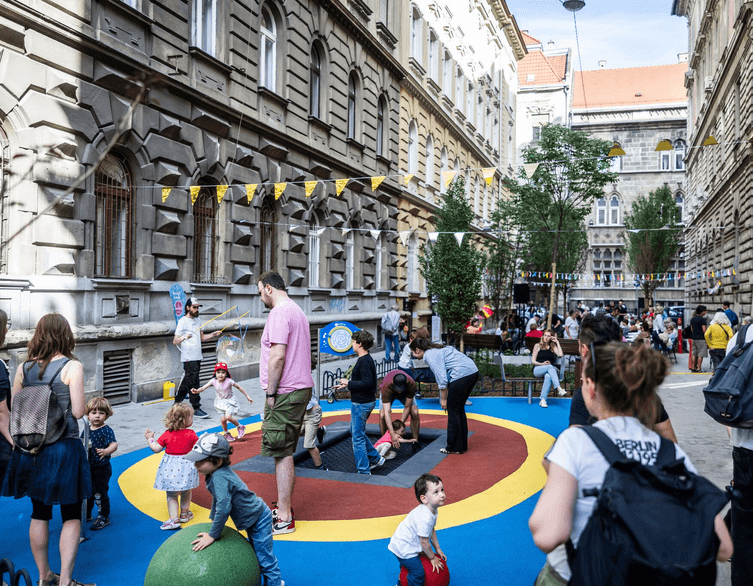
Budapest’s Terézváros District Just Turned a Gloomy Parking Street Into a Charming Mini Park
If you’ve ever wandered through Budapest’s Sixth District — the lively, café-lined neighborhood officially known as Terézváros,...

Digital Detox in Budapest: How to Unplug and Truly Experience the City
Budapest is one of Europe’s most visually overwhelming cities — in the best possible way. Grand Habsburg architecture, thermal steam rising...

Terézváros Nightlife Rules in 2026: What Budapest Visitors Should Know
Terézváros, Budapest’s 6th District, has tightened its late-night opening rules in a move that matters both to locals and to visitors who want...
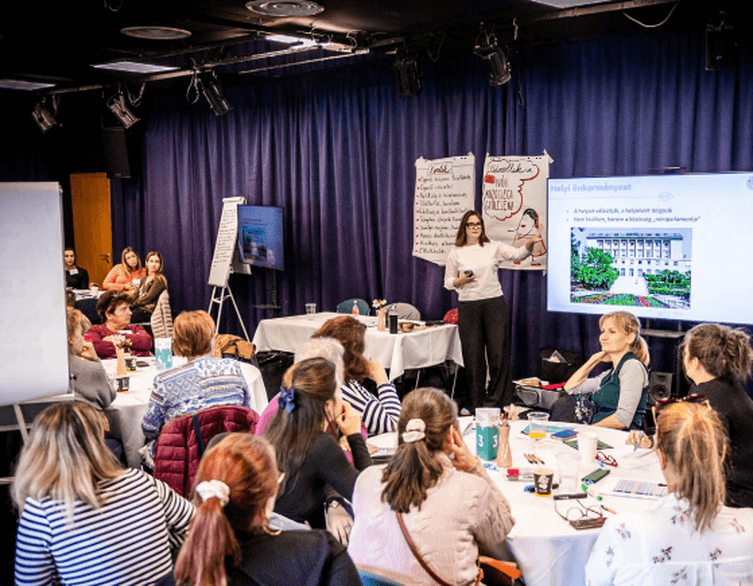
How Budapest’s Terézváros District Is Letting Women Shape Their Own Neighbourhood
Budapest is a city that never stops surprising. Famous for its grand boulevards, thermal baths, and vibrant cultural scene, it is also — perhaps...
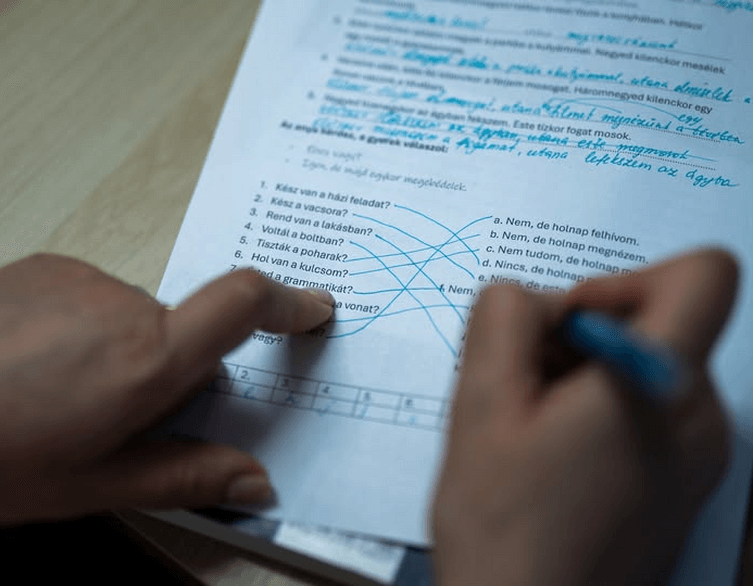
Speak Like a Local: Free Hungarian Language Courses in Terézváros for Expats
If you’ve ever tried ordering lángos with confidence but accidentally asked for something entirely different (we’ve all been there),...
The Phone Booth Cleanup: Budapest Removes Urban Relics
Walk through almost any neighborhood in Budapest, and you’ve likely noticed them—weathered phone booths with shattered glass, peeling paint,...
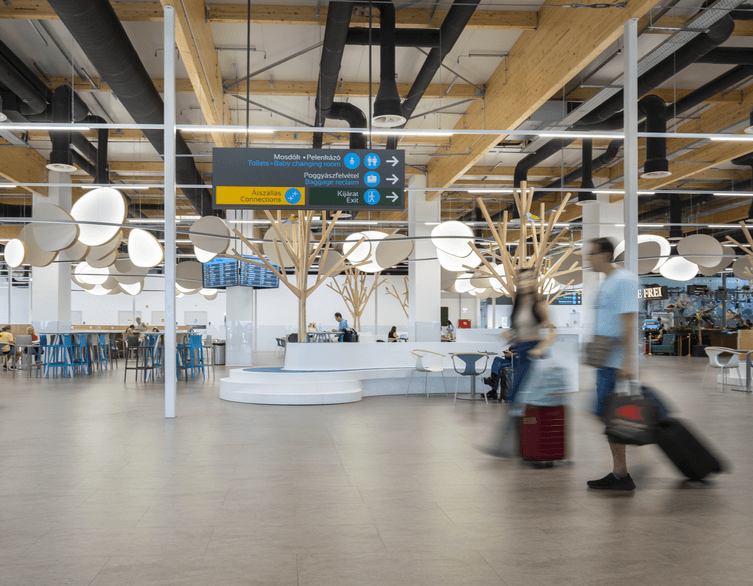
Making the Most of Your Time at Budapest Airport: A Complete Guide for Travelers
Flying through Budapest’s Ferenc Liszt International Airport doesn’t have to be a mundane waiting experience. Whether you’re a...
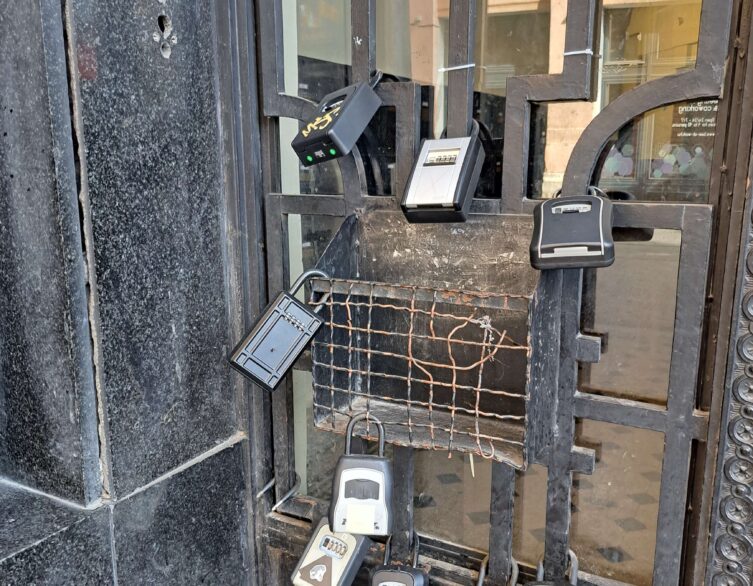
The Gates Are Closing: Budapest’s Terézváros District Bans Airbnb
Hello, dear readers! I’ve got some interesting news for you today about the future of Airbnb in Budapest. As you might have heard, the residents...