Digital Detox in Budapest: How to Unplug and Truly Experience the City

Budapest is one of Europe’s most visually overwhelming cities — in the best possible way. Grand Habsburg architecture, thermal steam rising from century-old bathhouses, a river that splits the city into two entirely different personalities. Yet for many visitors, the experience gets filtered through a four-inch screen. Notifications interrupt a sunset over the Chain Bridge. Instagram captions get drafted while sitting in healing mineral waters. Sound familiar? If you are craving a different kind of trip — one where you actually feel the city rather than document it — Budapest turns out to be one of the finest places in Europe to put the phone down and be present.
What Digital Detox Travel Actually Means
Digital detox travel is not about punishing yourself with a strict tech ban. It is the intentional practice of reducing screen time while traveling, prioritizing real-world sensory experiences over the compulsion to post, scroll, or stay constantly connected. It means choosing the steaming outdoor pool over the Wi-Fi lounge, the cobblestone back street over the Google Maps shortcut, and the long coffee over the quickly photographed one. Research into the growing field of digital detox tourism confirms that the practice offers a genuine opportunity to disconnect from digital devices and reconnect with your surroundings, with other people, and with yourself. Budapest, with its deeply tactile pleasures — warm mineral water, the smell of paprika, the rumble of old yellow trams — is practically built for this kind of travel.
Sink Into the Thermal Culture
If there is one experience that forces you into the present moment in Budapest, it is the thermal baths. The city sits on more than 100 natural hot springs, and for centuries, Budapestians have built their social and medical culture around them. The geothermal waters beneath the city vary in mineral composition depending on the source — some are rich in calcium and magnesium, others in sulfur and fluoride — and Hungarian doctors have historically prescribed bathing in specific springs for conditions ranging from rheumatism and joint pain to chronic skin disorders. The concept of medically endorsed relaxation feels almost radical in an age of productivity culture, but in Budapest it is simply how things have been done for over a hundred years.
The ethos of a proper Hungarian thermal bath visit is fundamentally incompatible with screen use. You leave your belongings — phone included — in a locker, descend into changing rooms that have barely changed since the Habsburg era, and emerge into an environment where the only agenda is warmth, stillness, and time. Regulars play unhurried games of chess at poolside tables. Older Budapestians float in the same spots they have occupied for decades. There are no performance metrics, no notifications, and no Wi-Fi worth looking for. An hour in the thermal waters passes differently than anywhere else in the city — and that is entirely the point.
The Markets: A Full Sensory Experience
Budapest’s markets are among the most vivid and grounding spaces in the city, and they reward visitors who slow down and pay attention rather than rush through for a quick photograph. The Great Market Hall (Nagyvásárcsarnok) at the foot of Liberty Bridge is the most celebrated of them — and deservedly so. Built in 1897 and designed by architect Samu Pecz, the building itself is worth visiting for its architecture alone: a neo-Gothic and neo-Renaissance structure with turrets, pointed arches, and a Zsolnay-tiled roof that glows with colour in the morning light. Inside, the vast iron-framed hall opens across three floors and 10,000 square metres, filled with the smells of smoked meats, dried paprika, and pickled vegetables.
The ground floor is where Budapest’s daily food culture lives — stalls of fresh fruit and vegetables, butchers, fishmongers, dairy vendors, and rows of hanging sausages in every shade of red and brown imaginable. The upper mezzanine level is devoted to Hungarian folk crafts: hand-embroidered tablecloths and blouses, hand-painted wooden toys, Herend porcelain, and traditional Hungarian costumes that take years to master. It is a good place to understand the depth of Hungarian decorative arts, which draw on centuries of regional folk traditions from across the Carpathian Basin. Admission is free, and even if you buy nothing, a slow walk through the hall on a weekday morning — before the tour groups arrive — is one of the most atmospheric experiences the city offers.
Best deals of Budapest








For a very different kind of market experience, the Ecseri Flea Market (Ecseri Bolhapiac) on the southern outskirts of the city is one of Central Europe’s most fascinating destinations for curious, unhurried visitors. The market sprawls across a large outdoor lot and brims with antique furniture, old paintings, Soviet-era memorabilia, Hungarian folk linens, vinyl records, vintage cameras, porcelain figurines, and objects that defy easy categorisation. Saturday mornings are the busiest and best, when the full range of vendors is present. Haggling is expected and part of the social ritual of the place. There is no Wi-Fi, no QR code menu, and no algorithm involved — just the deeply human experience of handling objects from the past and deciding what they mean to you now.
Museums That Invite You to Slow Down
Budapest’s museum landscape is rich enough to sustain days of unhurried exploration, and the best museums here reward the visitor who resists the urge to photograph everything and instead simply looks. The Museum of Ethnography (Néprajzi Múzeum), relocated to a striking new building in City Park in 2022, holds one of the most extensive ethnographic collections in the region. Its permanent exhibition spans over 3,000 square metres and displays around 3,600 artefacts arranged into eight thematic units that trace Hungarian and global folk culture from the 17th century to the present day. Traditional tools, costumes, folk art objects, photographs, and sound recordings combine to create an experience that is less like visiting a museum and more like stepping into the living texture of human culture across time. The building’s architecture — partly buried beneath a green hillside roof that blends the structure into the landscape of City Park — is itself a quiet act of design philosophy, putting nature and culture in direct conversation.
The Hungarian National Gallery (Magyar Nemzeti Galéria) in Buda Castle occupies several wings of the former Royal Palace and holds the most comprehensive collection of Hungarian fine art anywhere in the world, from medieval altarpieces to 19th and 20th-century paintings and sculpture. Wandering through its rooms — past the melancholic landscapes of Mihály Munkácsy, the luminous village scenes of Pál Szinyei Merse, and the monumental historical paintings of Gyula Benczúr — offers a profound window into how Hungarians have understood their own identity, landscape, and history over centuries. The building’s riverside terraces, overlooking the Chain Bridge and the Pest skyline across the water, are also among the finest viewpoints in the city and completely free to access.
The Budapest History Museum (Budapest Történeti Múzeum), also housed within Buda Castle, takes visitors on a 2,000-year journey through the history of the city, from its Roman origins as Aquincum through the Ottoman occupation to the Habsburg city and the modern capital. Its restored medieval palace halls, Gothic chapel, and displays of Gothic sculpture recovered from beneath the castle grounds make it one of the most surprising and layered museum experiences in the city — far less visited than the National Gallery next door, and all the more rewarding for it.
The Castle District: A UNESCO World in Miniature
The Castle District (Várnegyed) on Castle Hill is one of those rare urban spaces that genuinely slows the pace of life simply by existing. A UNESCO World Heritage Site, the district is a compact medieval city — roughly a kilometre long and just a few hundred metres wide — perched above the Danube on a 60-metre limestone plateau, ringed by old walls, gates, and bastions. Its narrow cobblestone streets, built following the organic curves of the hilltop rather than any grid logic, wind between Gothic sedilia doorways, Baroque palaces, medieval house facades, and Romanesque fragments embedded in later walls. Centuries of architecture sit stacked on top of each other here, and the pleasure of walking the district slowly is the pleasure of reading those layers.
Matthias Church (Mátyás-templom), with its distinctive diamond-patterned Zsolnay tile roof, stands at the heart of the district and has served as a coronation church for Hungarian kings since the 14th century. The Fishermen’s Bastion (Halászbástya) beside it is the most visited viewpoint on the hill — a neo-Romanesque terrace of white stone towers and balustrades built at the turn of the 20th century, overlooking the Parliament and the Danube below. In the early morning, before the crowds arrive, it is genuinely serene. The quieter stretch of Tóth Árpád Promenade runs along the western ramparts of the hill, facing away from the river toward the Buda hills, and draws far fewer visitors than the famous eastern viewpoints. Sitting on one of the benches there in the late afternoon, watching the light shift across the hills, offers a version of Budapest that most tourists never find.
Below the hill, the network of caves and tunnels carved through the limestone adds yet another layer of depth to what the Castle District contains. The old Hospital in the Rock (Sziklakórház), a fully equipped WWII-era military hospital preserved beneath the castle, offers one of the most atmospheric and thought-provoking underground experiences in the city. The medieval Buda Castle Labyrinth — a system of natural and man-made passages stretching for over a kilometre beneath the hill — tells the geological and human story of the limestone plateau from prehistoric times to the present, and is an experience that is by its very nature screen-unfriendly: it is dark, quiet, and deeply atmospheric.
Wander Without a Destination
One of the most liberating things you can do in Budapest is walk without a plan. The city rewards slow, aimless exploration in a way that structured sightseeing never quite matches. The Danube Promenade (Dunakorzó) on the Pest side stretches between the Chain Bridge and Elizabeth Bridge and offers an unbroken riverside walk with views of the Buda hills, the Castle District, and the river itself — no ticket, no queue, and no particular hurry required. Cross to the Buda side and the pace slows even further, the streets narrowing and quietening in direct proportion to how far up the hill you climb.
Further south, Gellért Hill (Gellért-hegy) offers another rewarding escape. Rising 235 metres above the Danube, its slopes are covered with wild vegetation, old stone paths, and terraced lookouts scattered across the hillside. The summit, crowned by the Citadella fortress and the Liberty Statue visible from much of the city, commands a panoramic view across both banks that is arguably the finest in Budapest — and the climb through the hillside paths and hidden staircases, passing small gardens and quiet residential terraces along the way, is half the pleasure.
Margaret Island: A Car-Free Green Sanctuary
Sitting in the middle of the Danube between Margaret Bridge and Árpád Bridge, Margaret Island (Margit-sziget) is one of Budapest’s greatest gifts to the visitor who wants to genuinely slow down. The island is 2.5 kilometres long, entirely car-free, and free to enter at any time of day or night. Its tree-lined footpaths, open meadows, rose gardens, and ruins of medieval religious buildings create an atmosphere that feels far removed from the surrounding city, even though you are still in its very heart.
The island’s history gives a slow walk there an unexpected depth. King Béla IV established a Dominican convent on the island in the 13th century for his daughter, Princess Margaret, who renounced her royal life to live there as a nun and gave the island its name. The ruins of that monastery still stand amid the greenery, along with the remains of a Franciscan church and a small Romanesque chapel dedicated to St Michael — fragments of a medieval past that predate the bridges and boulevards of modern Budapest by hundreds of years. The island also contains a Japanese Garden with century-old plants, koi ponds, turtles, a small waterfall, and wooden footbridges where it is entirely possible to sit for an hour without speaking to anyone. The Water Tower, an Art Nouveau structure completed in 1911, offers a panoramic 360-degree view of the city from its top and hosts rotating photography and art exhibitions throughout the year. Margaret Island receives around three million visitors annually, but its size and layout absorb the crowds remarkably well — and the island’s roughly 5.4-kilometre perimeter walking trail remains one of the finest free urban walks anywhere in Central Europe.
The Jewish Quarter and Its Outdoor Gallery
District VII, the old Jewish Quarter, has transformed over the past two decades from a neglected neighbourhood into Budapest’s most creative urban corner. During the day — before the nightlife crowds arrive — it is one of the finest places in the city for slow, screen-free wandering. The streets around Kazinczy Street and the passageways of Gozsdu Courtyard are dense with independent galleries, vintage shops, and art installations hidden in the courtyards of crumbling tenement buildings, but it is the street art that truly makes the area feel alive.
The Jewish Quarter has become one of Central Europe’s most vibrant open-air mural galleries, with new large-scale works added regularly through the annual Színes Város (Colorful City) festival, which brings local and international artists to paint across the neighbourhood’s walls. The works range from abstract compositions to figurative political commentary, and one of the most recognisable is a massive Rubik’s Cube mural — a nod to the cube’s inventor, Ernő Rubik, who was born in Budapest. Walking these streets without a specific destination, following murals from one block to the next, is an experience that engages the eye and the mind in equal measure — and requires no internet connection whatsoever.
Escape Into the Buda Hills
Just beyond the city’s western edge, the Buda Hills offer something that surprises most first-time visitors: genuine forest, clean air, and hiking trails that feel nothing like a European capital. The area around Normafa — a long-beloved local retreat — and the paths leading up to János Hill, the highest point within Budapest at 527 metres above sea level, are laced with walking routes through old beech and oak woodland. The Elizabeth Lookout Tower on János Hill rewards a moderate hike with a 360-degree view over the city and the surrounding Pilis and Gerecse hills stretching into the distance. On a clear spring or autumn morning, with the city spread out below and no sound but birdsong and wind in the treetops, it is difficult to believe you are twenty minutes from a metro station.
One of Budapest’s most charming pieces of public infrastructure runs through these hills: the Children’s Railway (Gyermekvasút), a narrow-gauge heritage line where most of the operational staff — from ticket collectors to station masters — are schoolchildren between the ages of ten and fourteen, trained and supervised by adult professionals. It is one of those low-key Budapest experiences that feels genuinely magical precisely because it asks nothing of you except to sit, look out the window, and travel slowly through the forest.
The Art of the Budapest Coffee House
Hungarian coffee house culture is one of the great undiscovered tools of digital detox travel. The tradition stretches back to the late 19th century, when hundreds of kávéházak served as the social and intellectual hubs of the city, where writers, architects, and artists would occupy a marble table for an entire afternoon over a single espresso, and no one would rush them — a custom that survives, in some form, to this day. Sit in one of the faded velvet booths of an old-fashioned Budapest café, order a coffee and a slice of Dobos torte, and practice the radical act of simply watching the room. Observe the light coming through tall windows, the conversations at neighbouring tables, the waiters moving unhurriedly across the floor. There is no Wi-Fi password worth asking for in these moments.
Simple Ways to Detox While You Travel
You do not need to go completely off-grid to feel the benefits of a digital detox in Budapest. Even small, deliberate habits can transform the quality of your experience — and the memories you take home.
- Sketch instead of snap. Carry a small notebook and draw a detail that catches your eye — a door knocker in the Castle District, the ironwork of the Great Market Hall, a face in a café. You will look at it ten times longer than you would have for a photo, and you will remember it for years.
- Navigate by landmark, not by GPS. Before leaving your accommodation each morning, study a paper map or memorise a rough route. Getting slightly lost in Budapest is not a problem — it is where the best discoveries happen.
- Set a phone window. Allow yourself one or two short windows a day for checking messages, then put the device away. A morning check before breakfast and one in the evening is genuinely enough when you have a city this rich to explore.
- Eat without a screen. Sit down at a restaurant, order without consulting review apps, and simply eat what comes — ideally something you have never tried before. Hungarian cuisine rewards the adventurous: lángos, gulyás, túrós táska, kürtőskalács. No five-star rating required.
- Bring a journal. Writing a few sentences at the end of each day — what you smelled, heard, tasted, noticed — is one of the most effective ways to stay present during the day itself, because you know you will want something worth writing down.
- Ride the trams without headphones. Line 2 along the Pest riverbank and line 19 on the Buda side pass some of the finest urban scenery in Europe. Put the earbuds away for one ride and just watch the city go by.
- Talk to someone. Hungarians have a reputation for being reserved with strangers, but the reputation is largely undeserved. A few words of attempted Hungarian — köszönöm (thank you), elnézést (excuse me) — opens more doors than any travel app ever will.
Slow Travel as a Philosophy in Budapest
The slow travel movement — which prioritises depth over breadth, presence over productivity, and quality of experience over quantity of sights — finds a natural home in Budapest. The city is compact enough to cover substantial ground on foot, yet rich enough in texture, history, and neighbourhood character that a single district can absorb a full day of unhurried exploration. The key insight that slow travelers discover here is that the city’s most memorable experiences are rarely ticketed: the smell of fresh bread from a bakery on a residential street, the view from tram line 2 running along the Pest riverbank, the silence of a courtyard in the Inner City on a weekday morning, the weight of a piece of Hungarian folk embroidery at a market stall.
Budapest has an unusual quality among major European capitals: it still has genuine slowness built into its urban fabric. The pace of its older neighbourhoods, the culture of the thermal bath, the tradition of the long coffee house visit — these are not tourist constructs but living habits that predate the smartphone by a century. The most lasting impression Budapest tends to leave is not of its monuments, but of the specific quality of its unhurriedness — and that is an impression you can only truly collect by putting the phone away and paying attention.
Related news
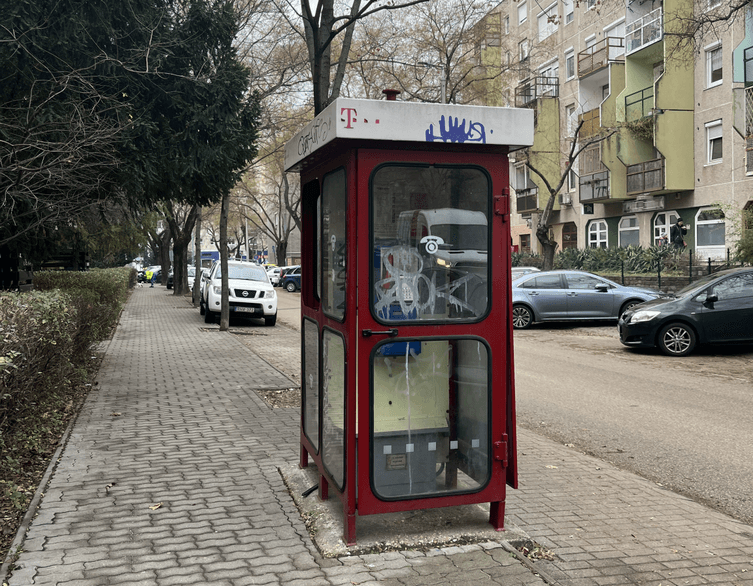
Budapest’s Old Phone Booths Are Disappearing: A Long-Awaited Change in Terézváros
Budapest is a city where history and modern life constantly meet—and sometimes clash in unexpected ways. One such story has been unfolding in the...
The Best Parks for a Picnic in Budapest in 2026 — A Visitor’s Guide to Eating Outdoors in the Hungarian Capital
Budapest is one of those cities that becomes almost impossibly beautiful when the sun comes out. The light bouncing off the Danube, the green hills...
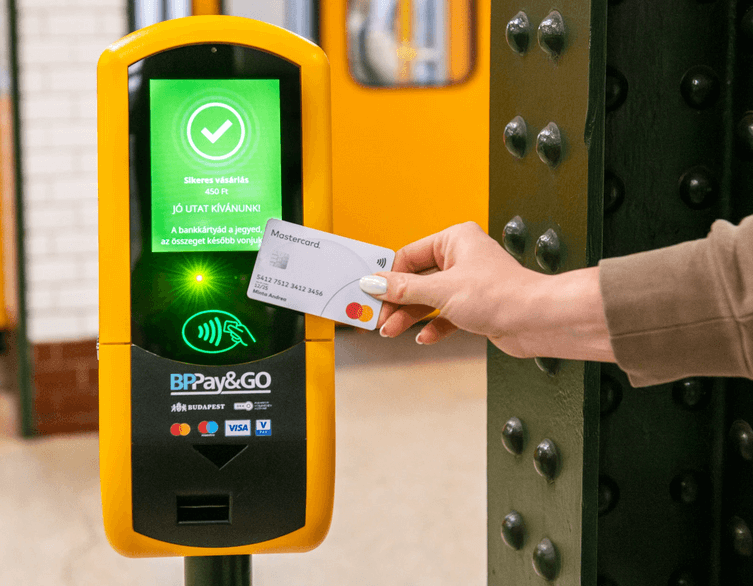
Pay With a Tap: Budapest’s Metro Now Accepts Contactless Payments on All Lines
If you’ve ever fumbled with loose change at a Budapest metro station, desperately trying to figure out which ticket to buy before your train...
Budapest Ranked Third Best City in Europe for Digital Nomads — And It’s Easy to See Why
Budapest has just landed on yet another must-visit list, and this time it’s not for its thermal baths or ruin bars — though those certainly...
A Perfect Day at Millenáris Park: Budapest’s Hidden Green Gem
If someone told you that one of Budapest’s best-kept secrets is a park tucked just behind the bustling streets of the 2nd District, you might...
Budapest’s Parks Are Waking Up for Spring — And They’ve Never Looked Better
The City Is Getting Its Green Spaces Ready for You Spring in Budapest doesn’t just happen — it’s carefully prepared. While you’re...
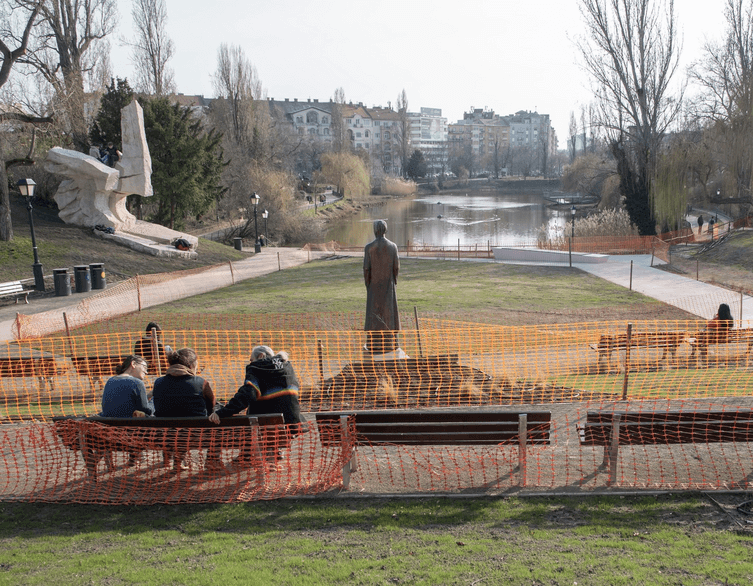
Budapest’s Bottomless Lake Park Just Got a Fresh Start — and Spring Is the Perfect Time to Visit
Spring has arrived in Budapest, and with it comes one of the best reasons to lace up your walking shoes and head to the Buda side of the city. The...

Budapest Airport’s New Digital VAT Refund: Save Big on Your Shopping Spree
Hey, fellow traveler—if you’re jetting into Budapest from outside the EU, get ready for a game-changer at Ferenc Liszt International Airport...
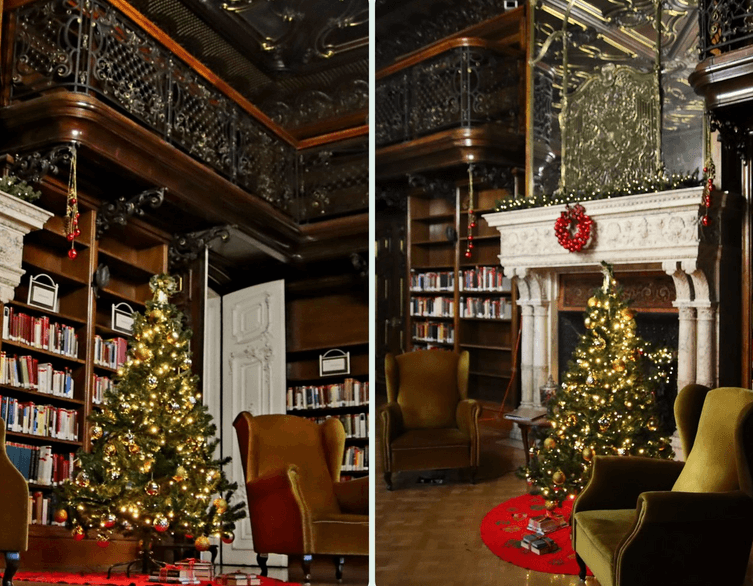
Discover the Magic of Budapest’s Palatial Library and Its New Digital Wonderland
Budapest is a city that loves to surprise you. Just when you think you’ve explored all its grand boulevards, thermal baths, and ruin bars, it offers...

How Budapest Dethroned Europe’s Digital Nomad Capitals
Walk through the tree-lined streets around Szent István Park or along the bustling Bartók Béla Avenue in Újbuda on any given afternoon, and you’ll...
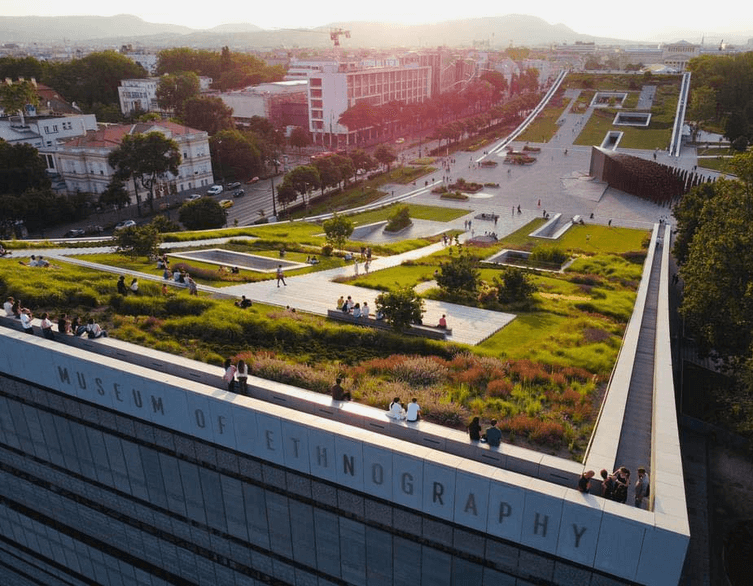
Budapest’s Museum of Ethnography Wins Major International Digital Innovation Awards
Budapest’s cultural scene just got another major boost on the international stage. The Museum of Ethnography has captured two prestigious awards...