Budapest’s Grand Boulevard Gets a Biker-Friendly Upgrade This Summer
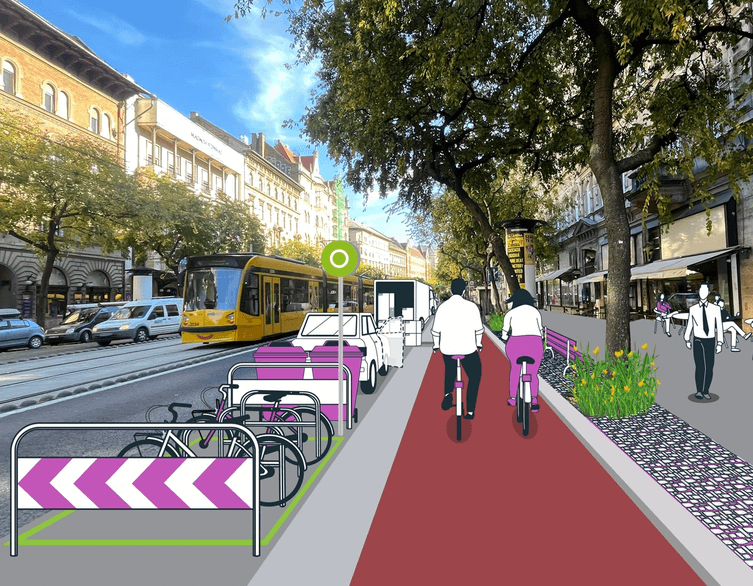
If your Budapest itinerary includes wandering, cycling, or grabbing a coffee anywhere along the Grand Boulevard (Nagykörút), you’ll want to know about the changes rolling out this August. Budapest’s transport authority, BKK, is relocating bike lanes off the sidewalk and onto the roadway along a stretch of József Boulevard, one of the busiest and most walkable ring-road segments in the city. It’s a relatively modest project in scale, but it’s designed to make life noticeably better for pedestrians, cyclists, and local shopkeepers alike, and it’s worth understanding if you’ll be exploring the Corvin Quarter or the Józsefváros district this summer.
Why This Stretch of Road Matters to Visitors
József Boulevard sits right in the heart of one of Budapest’s most dynamic neighborhoods, connecting the area near Corvin Quarter, a hub of shopping centers, restaurants, and nightlife, with the wider Grand Boulevard ring that loops around the city’s inner districts. Tourists walking between Corvin Quarter and the Danube, or cyclists renting a Bubi bike to explore Budapest’s inner-city bike network, are highly likely to cross paths with this stretch at some point during a city visit. For the past six years, cyclists on the section between Scheiber Sándor Street and Corvin Quarter, on the side heading toward Petőfi Bridge, have been riding on a lane carved out of the sidewalk itself, which has created constant friction with pedestrians trying to share the same narrow strip of pavement.
What’s Actually Changing on József Boulevard
Starting this summer and wrapping up by September 1, that sidewalk-based bike lane disappears, and cycling traffic moves onto the roadway instead. In its place, workers are installing a proper bike lane protected by a row of parked cars, a setup that’s fairly new for Budapest but common in cities across Western Europe. Between the parking lane and the bike lane, engineers are building in a generous safety buffer, and parking is being cut off earlier before every intersection so drivers and cyclists can see each other clearly before crossing paths. There’s just one small exception: a short section near Kiscsibész Square, right before the Baross Street intersection, will keep its sidewalk-separated bike path for technical traffic-flow reasons.
Alongside the new bike lane, the project carves out fresh loading zones and parking spaces, plus a few Mobi bike-share docking points along the corridor. Local shop owners and residents had long complained that a lack of legal loading space meant delivery vans and trucks were parking on sidewalks or blocking traffic illegally, so this piece of the redesign is meant to tidy up a problem that’s been visible to anyone walking past the storefronts here.
Best deals of Budapest








A Preview of the Grand Boulevard’s Future
What makes this project particularly interesting is that it doubles as a real-world test run. Budapest’s full renovation of the Grand Boulevard is a much bigger, longer-term project, with detailed technical plans still being finalized and construction expected to run through 2029. Rather than waiting years for that complete overhaul, city planners are using this smaller József Boulevard intervention to trial the kind of layout they eventually want to roll out across the entire ring road, physically separated bike lanes, protected by parked cars, with clearer loading zones and better-organized street furniture. If you walk this stretch in a few years, the wider Grand Boulevard should look a lot like what’s being tested here right now.
Coverage Extends to Baross Street Too
The upgrades aren’t limited to József Boulevard alone. On Baross Street, between the Grand Boulevard and Mária Street, new bike lanes are being added in both directions, which is good news for anyone cycling between the Corvin Quarter area and destinations further toward Kálvin Square or the inner city. To make room, fourteen parking spaces are being relocated from Baross Street over to the Grand Boulevard itself, where overall parking capacity will actually increase once the project wraps up.
Funded Through a European Union Project
This whole initiative is being financed entirely through EU funding, specifically the Horizon 2020 REALLOCATE program, with a total cost of around 30 million forints. It’s a joint effort between Budapest’s municipal government, the road authority Budapest Közút, and BKK, and it’s explicitly framed as a fast, low-cost fix rather than a permanent rebuild. The asphalt itself isn’t being repaved as part of this work, and the final long-term streetscape planned for the Grand Boulevard’s 2029 renovation isn’t being built yet either. Think of it as a well-tested placeholder that solves today’s most pressing safety issues while the bigger project continues through its planning and design phases.
What This Means for Getting Around During Your Visit
For tourists, the practical takeaway is simple: expect some construction activity and temporary signage along József Boulevard and Baross Street through late summer, particularly as crews install the physical dividers and repaint road markings during the second half of August. If you’re renting a bike to explore the city, whether through Bubi, Budapest’s bike-share network, or a private rental, this stretch should actually become easier and safer to navigate once the work is finished, since the confusing shared sidewalk arrangement disappears in favor of a clearly marked, car-protected bike lane. Pedestrians walking near the Corvin Quarter shops and cafés will also notice more breathing room on the sidewalk itself, since cyclists move fully onto the road.
Given Budapest’s ongoing efforts to make its historic Grand Boulevard more welcoming for walkers and cyclists alike, this small but meaningful upgrade is a good sign of where the city’s inner ring road is heading in the years to come.
Related news
Getting Around Budapest Just Got Easier: New Bus Ticket Payments and Safer Crossings
Budapest keeps fine-tuning the everyday experience of getting around the city, and this month brings two welcome upgrades for visitors: you can now...

Breathe Easy in Budapest: Why September 7th Matters for Every Visitor
If you’re wandering through Budapest this week, admiring the Danube from Fisherman’s Bastion or sipping coffee on a leafy terrace in...
Bike and Ride in Budapest: The Smart Way to Skip the Traffic
If you’re visiting Budapest and want to get around like a local rather than sit in traffic, there’s a simple trick worth knowing before...
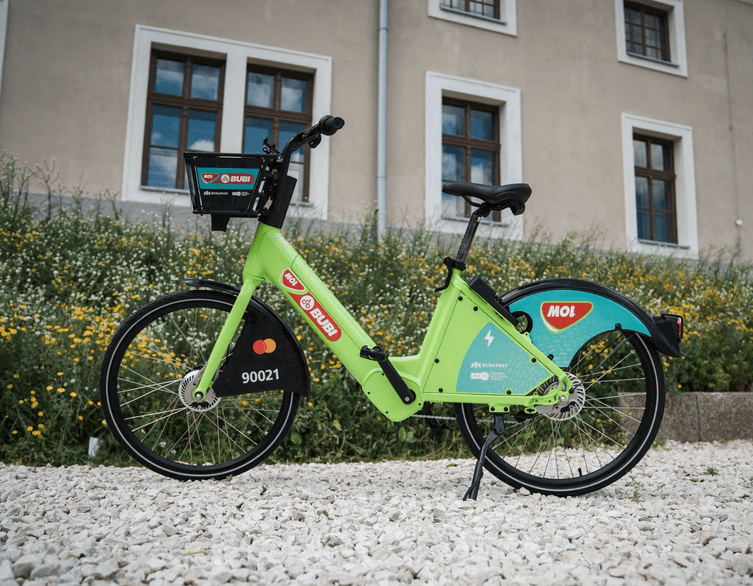
MOL Bubi 3.0 Is Finally Here!
If you’re planning a trip to Budapest, there’s a good chance you’ve already spotted those unmistakable green bicycles gliding past...
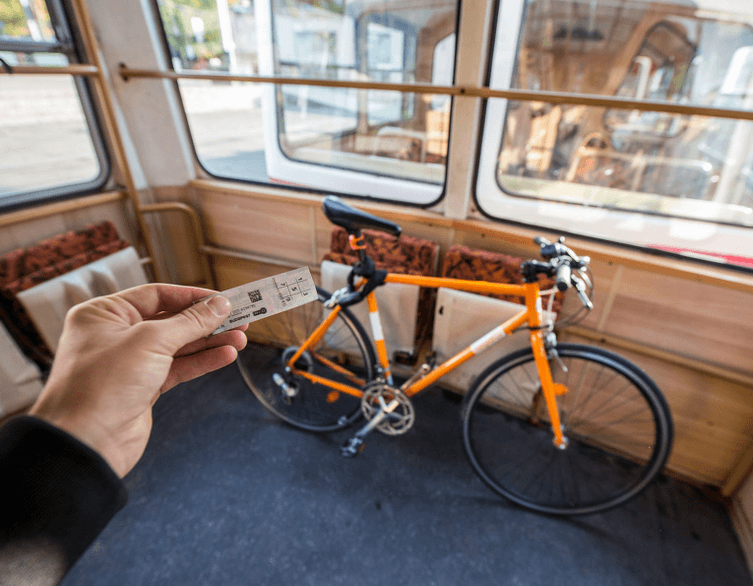
Bringing Your Bike on Public Transport in Budapest: What Tourists Need to Know in 2026
Budapest is one of those cities that practically begs to be explored on two wheels. One minute you are cruising along the Danube with postcard views...
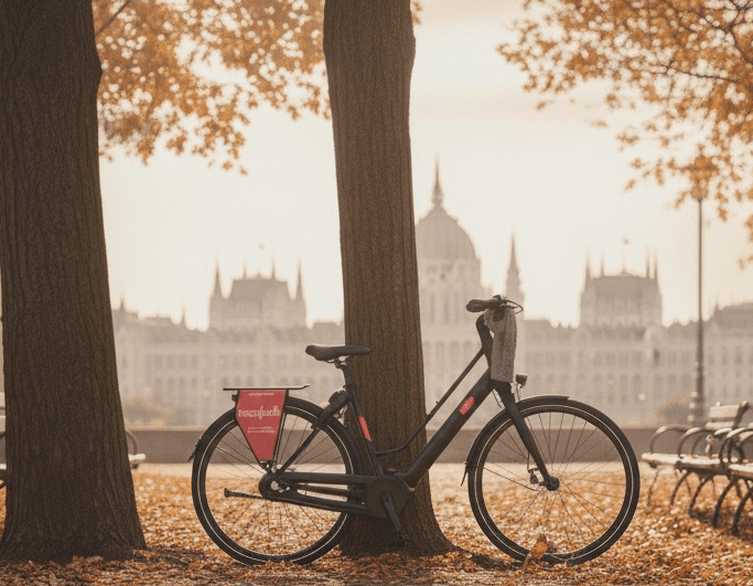
Meet Manfred: Budapest’s New Bike-Sharing Service Filling the Gap Left by Bubi
If you’ve been planning a trip to Budapest and were counting on hopping on a city bike to explore the Hungarian capital, you might have noticed...
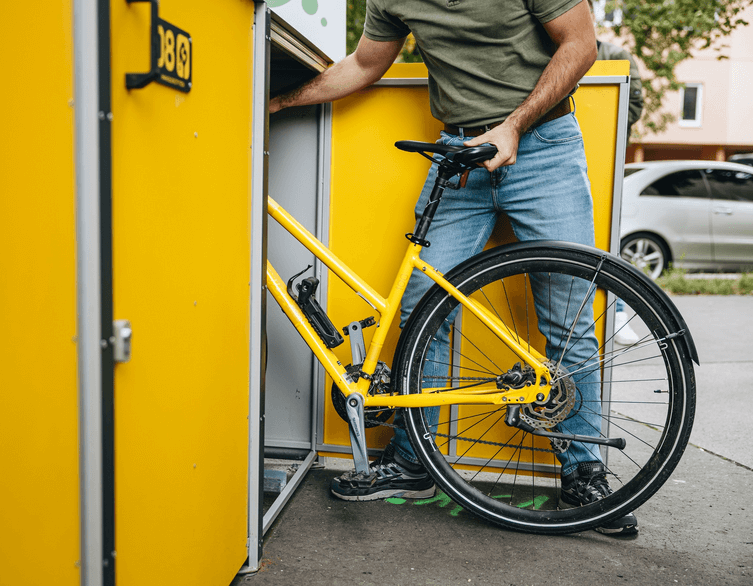
Budapest Builds New Covered Community Bike Storages Across the City
If you’ve ever explored Budapest by bike, you know the freedom it offers — gliding past the Danube, pausing at cafés, and discovering corners...
Related events