Budapest Goes Car-Free: European Mobility Week 2026
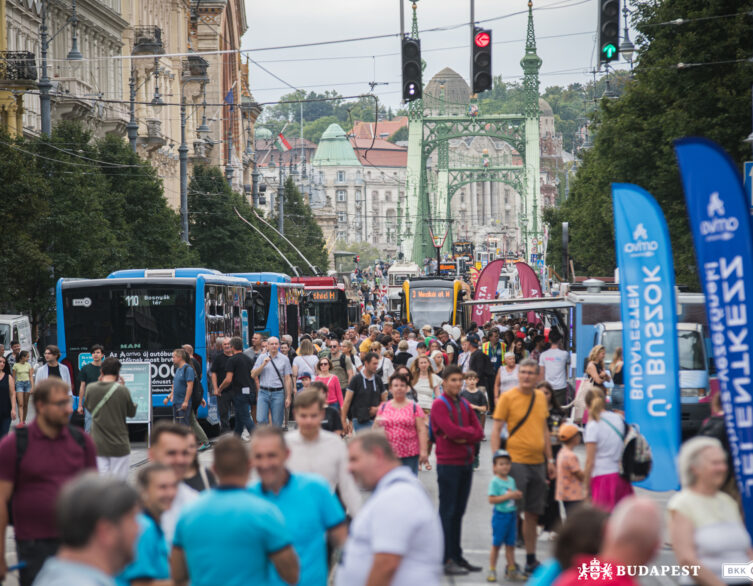
Every September, Budapest joins cities across the continent for European Mobility Week, and 2026 marks a special milestone: the campaign celebrates its 25th edition. Running from September 16 to 21, this citywide initiative is Europe’s largest transport and environmental awareness campaign, and it has grown steadily more popular in Hungary each year. Organized by the Centre for Budapest Transport (BKK) together with the Municipality of Budapest, the week is built around a simple but powerful idea: promoting cleaner, greener, and more sustainable ways to move around the city.
For visitors exploring Budapest in mid-September, this is more than a local curiosity. It transforms some of the city’s most iconic streets and squares into pedestrian-friendly zones filled with activities, making it a great time to experience the capital from a different angle, on foot, by bike, or by public transport.
This Year’s Theme: Mobility for Everyone
The 2026 edition carries the slogan “Mobility for All,” and the message resonates well beyond transport planners. The campaign encourages everyone, from children to seniors, and everyone in between, to recognize that people face different mobility needs and challenges depending on their stage of life. A parent pushing a stroller, a student on a bike, an older adult with limited mobility, and a tourist unfamiliar with the city all navigate Budapest’s streets differently, and the initiative asks residents and visitors alike to approach each other with a bit more patience and understanding.
This year’s focus is specifically on intergenerational mobility, encouraging the city to imagine transport systems that work for every age group, both now and for future generations. It’s a fitting theme for Budapest, a city where cobblestone lanes, riverside promenades, and modern tram lines all coexist.
Car-Free Weekend: The Highlight Event
The centerpiece of the week is the Car-Free Weekend, taking place September 19 and 20, and this year it’s expanding to its largest footprint yet. The closed-off area stretches from Kálvin Square to Fővám Square, across the Liberty Bridge, along the Pest Lower Embankment, and, for the first time, along the Műegyetem Embankment near the Budapest University of Technology and Economics.
Best deals of Budapest










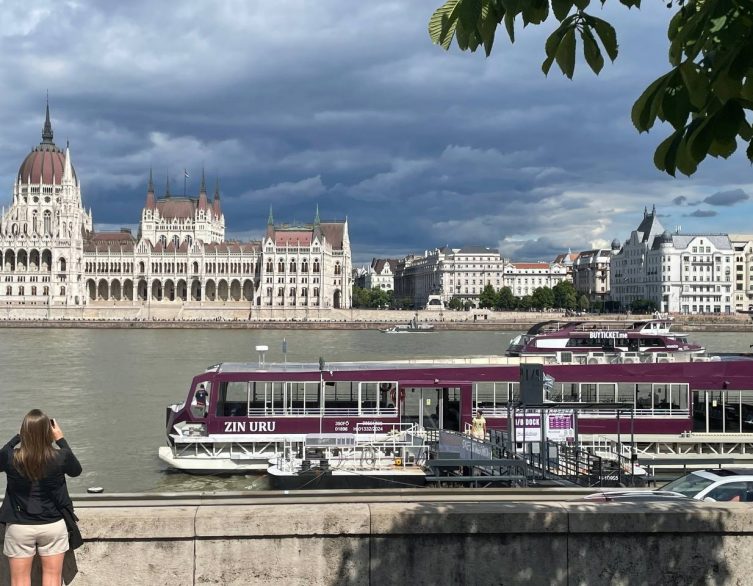
Expect the riverside stretch to fill with a vehicle exhibition, bike and scooter test rides, family-friendly activities, community programs, and a food walk featuring local vendors. It’s a rare chance to stroll or cycle across the Liberty Bridge without a single car in sight, with the Danube and Buda Castle providing a scenic backdrop. Public transport riders should note that in previous editions of this event, certain tram lines were suspended and the Liberty Bridge was closed to vehicles, so travelers may want to plan alternative routes using the metro or buses if crossing between Buda and Pest that weekend.
Over on the Műegyetem Embankment, the spotlight shifts to road safety and equal access to mobility, with programs designed to highlight how the city can make transport more inclusive for people of all abilities.
Try the New MOL Bubi Bike-Share
Timing couldn’t be better for testing Budapest’s revamped MOL Bubi bike-sharing system, which relaunched in early August 2026 with a completely new fleet, including electric-assist bikes, plus a redesigned app. The network now includes around 2,000 bicycles, 500 of them electric, distributed across roughly 200 stations citywide. Visitors can register directly through the MOL Bubi app using a phone number and bank card, then unlock any available bike by scanning its QR code. Pay-as-you-go pricing makes it especially convenient for short-term visitors who don’t want to commit to a monthly pass, and the Car-Free Weekend offers the perfect low-stress environment to try it out for the first time.
Why It Matters for a City Like Budapest
Beyond the festival atmosphere, European Mobility Week tackles real urban issues that affect anyone spending time in the city: traffic congestion, air pollution, noise, and road safety risks tied to heavy car use. By showcasing walking, cycling, and public transport as practical alternatives, Budapest joins municipalities across Europe united by a shared campaign and common goals, while committing to longer-term, climate-friendly transport policies.
For tourists, the practical upshot is simple. Mid-September is an excellent window to explore central Budapest largely free of traffic noise and congestion, with extra pop-up attractions layered on top of the city’s usual charm. Whether you’re crossing the Liberty Bridge on foot, testing an electric MOL Bubi bike along the Danube, or simply people-watching at the gastro walk near Fővám Square, the 2026 Car-Free Weekend offers a fresh, human-scale way to experience one of Central Europe’s most walkable capitals.
Related news
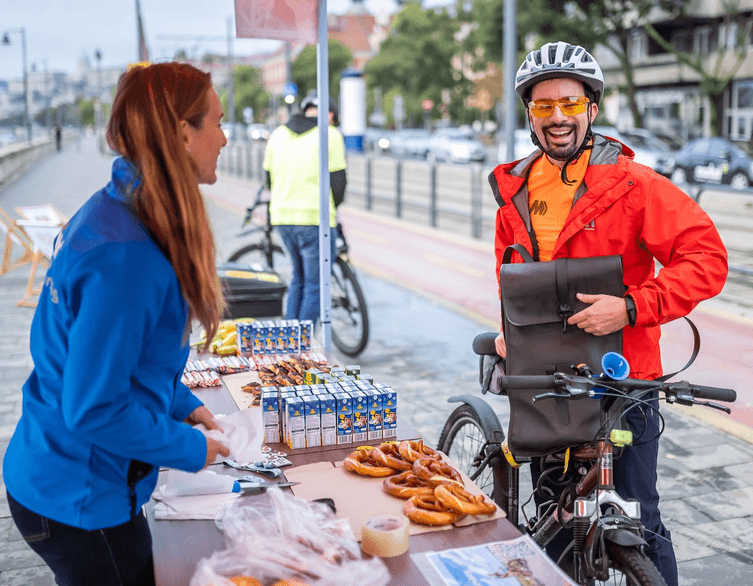
Budapest Is All About Mobility This September
Budapest is about to trade some of its traffic noise for bicycle bells, samba drums, and the hum of electric rickshaws. Between September 16 and...
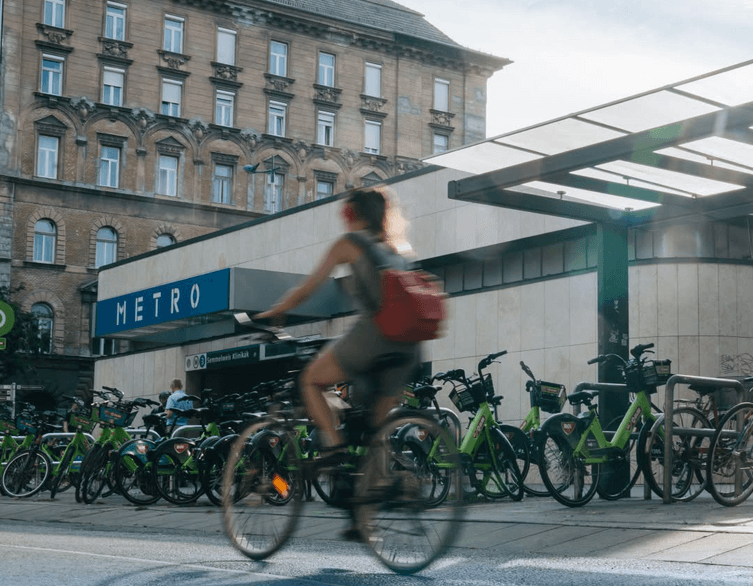
Bike and Ride in Budapest: The Smart Way to Skip the Traffic
If you’re visiting Budapest and want to get around like a local rather than sit in traffic, there’s a simple trick worth knowing before...
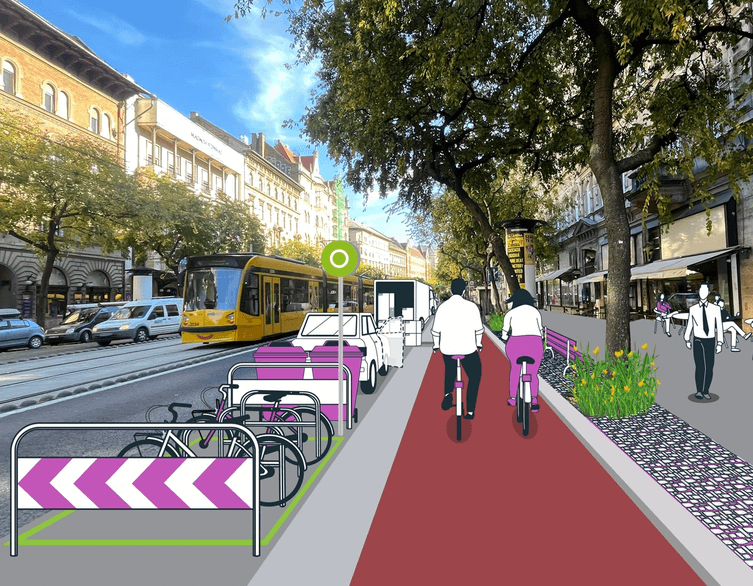
Budapest’s Grand Boulevard Gets a Biker-Friendly Upgrade This Summer
If your Budapest itinerary includes wandering, cycling, or grabbing a coffee anywhere along the Grand Boulevard (Nagykörút), you’ll want...
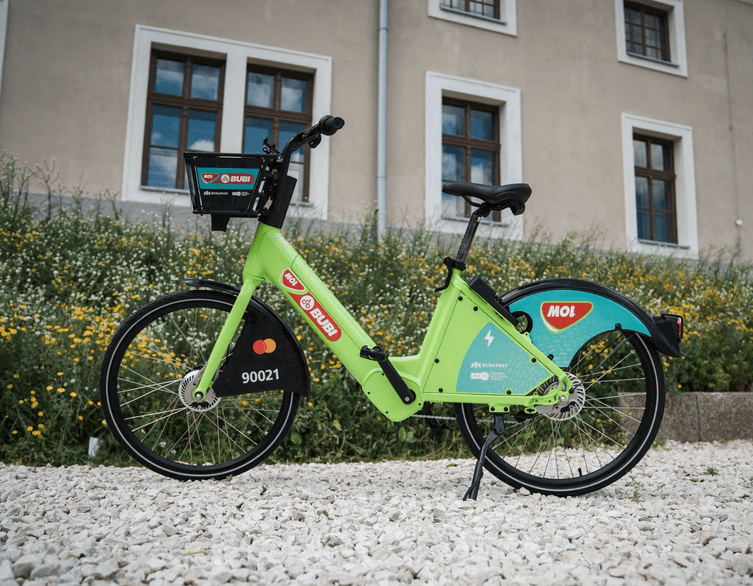
MOL Bubi 3.0 Is Finally Here!
If you’re planning a trip to Budapest, there’s a good chance you’ve already spotted those unmistakable green bicycles gliding past...
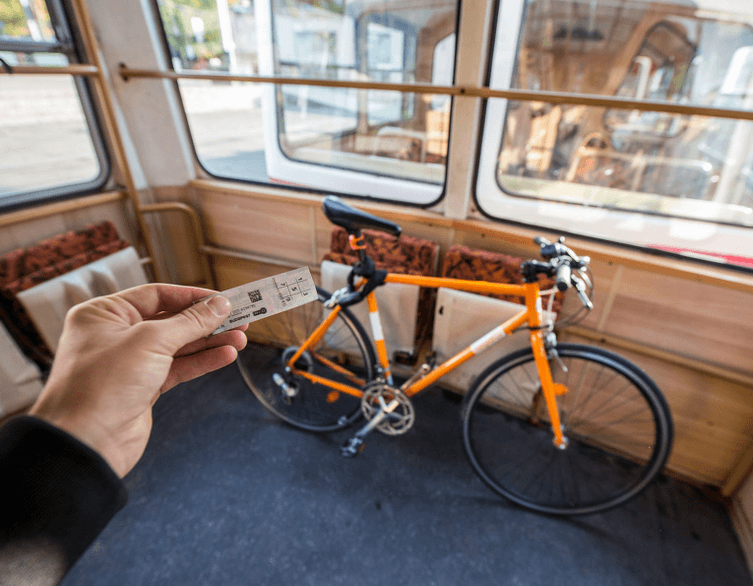
More Budapest Buses Now Allow Bikes On Board
If you’re exploring Budapest by bike but occasionally want the option of jumping onto public transport, the city’s transport authority...
Bringing Your Bike on Public Transport in Budapest: What Tourists Need to Know in 2026
Budapest is one of those cities that practically begs to be explored on two wheels. One minute you are cruising along the Danube with postcard views...
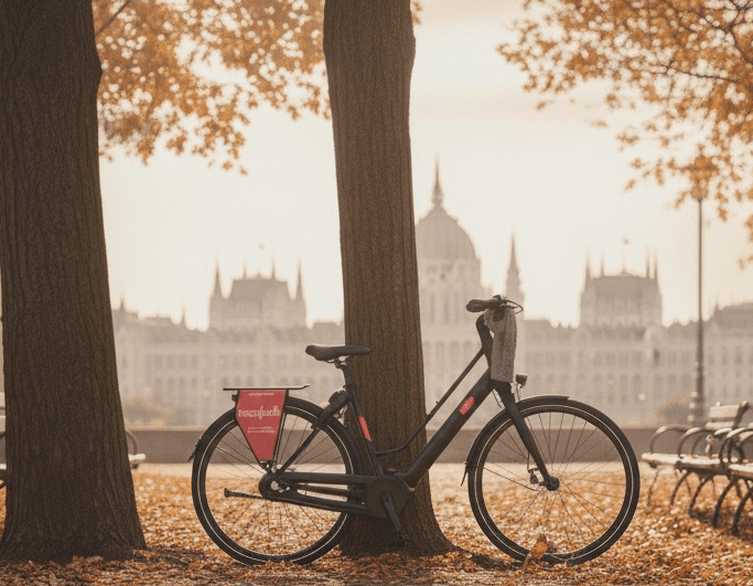
Meet Manfred: Budapest’s New Bike-Sharing Service Filling the Gap Left by Bubi
If you’ve been planning a trip to Budapest and were counting on hopping on a city bike to explore the Hungarian capital, you might have noticed...