MOL Bubi 3.0 Is Finally Here!
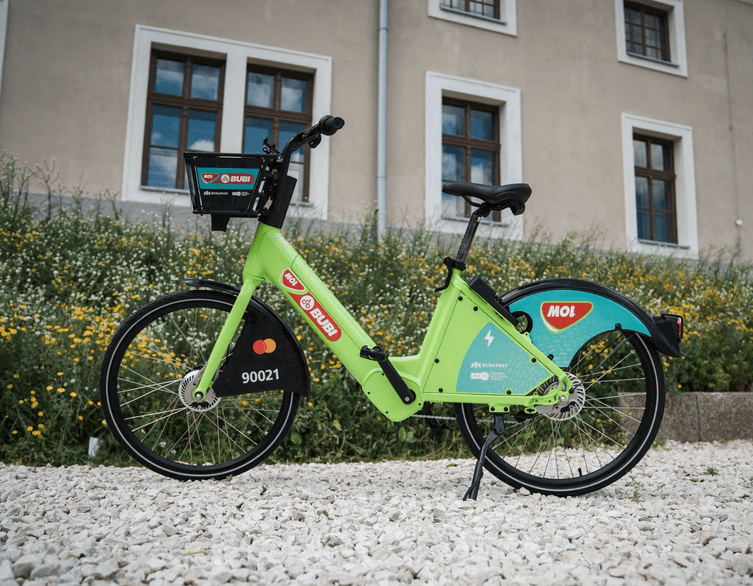
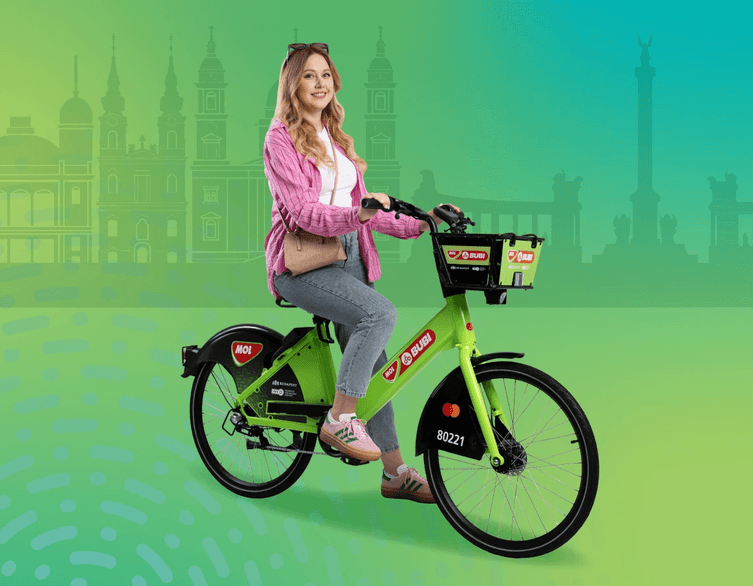
If you’re planning a trip to Budapest, there’s a good chance you’ve already spotted those unmistakable green bicycles gliding past the Danube or parked in neat rows near major squares. That’s MOL Bubi, the city’s public bike-sharing network, and as of August 3, 2026, it has entered a brand-new era. With a bigger fleet, electric-assist bikes, a redesigned app, and discounts for public transport pass holders, the third generation of MOL Bubi is arguably the easiest and most enjoyable way to explore Budapest on two wheels.
What Changed With the New Generation
The relaunch didn’t happen overnight. Budapest’s transport authority, BKK, spent weeks testing the revamped system with thousands of real users before flipping the switch on the full public rollout. The result is a fleet that’s not only larger but genuinely more versatile. Riders can now choose between the classic pedal-powered MOL Bubi, ideal for quick, no-fuss trips, or the new electric-assist version, which gives your pedaling a boost up to 25 km/h. That extra push makes a real difference in a city built on gentle hills and long boulevards, turning a ride from the Castle District down to the river into something far less sweaty than it used to be.
At launch, the network runs on roughly 3,300 bicycles, split between about 2,500 classic bikes and 800 electric ones, operated by the new service provider Inurba Mobility, a company with experience running bike-share systems across other European cities [web:4]. That number is only the starting point. BKK plans to grow the fleet to around 5,000 bikes by 2027, and if funding allows, the long-term ambition is to reach as many as 8,000 vehicles, extending coverage well beyond the current 40-square-kilometer service zone toward 80 square kilometers, and potentially past 110 in the years ahead.
A New App and Easier Access for Visitors
One of the more tourist-friendly upgrades is the completely redesigned MOL Bubi app, available for both iOS and Android. It replaces the older interface and is built to make renting, unlocking, and returning bikes noticeably smoother, which matters a lot if you’re a first-time visitor trying to figure out a foreign bike-share system on the fly. You simply download the app, register, and you’re ready to unlock a bike at any station across the city.
Pricing is structured to work for both short-term visitors and longer stays. You can pay per minute if you just want an occasional ride, or opt for a monthly or annual pass if you’re around for a while. Based on the pilot rollout, monthly passes have been priced at approximately HUF 2,500 for classic bikes and HUF 3,500 for the electric-assist models, with the per-minute rate sitting around HUF 60 for both bike types, plus a small unlock fee for electric rides [web:2][web:7]. If you happen to hold a BudapestGO pass, the app used for the city’s metro, tram, and bus network, you’ll automatically qualify for a discount on classic MOL Bubi bikes, a nice perk for anyone already using public transit to get around town.
Starting this autumn, the system is also introducing so-called Mobi-points, flexible pickup and drop-off spots that will let BKK expand coverage into new neighborhoods quickly without needing to install permanent docking stations everywhere. For tourists, that should eventually mean more places to grab a bike, especially in areas just outside the traditional downtown core.
Why This Matters for Anyone Visiting Budapest
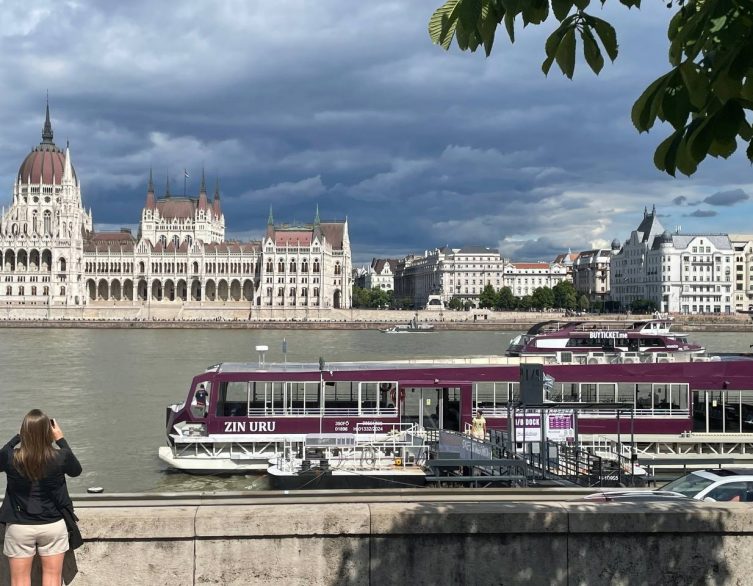
Budapest is a city that rewards slow exploration, and cycling happens to be one of the best ways to experience it. The MOL Bubi network connects major landmarks in a way that’s hard to beat on foot or by car: you can pedal along the Danube promenade with views of the Chain Bridge and Buda Castle, cross over to Margaret Island for a car-free loop through parkland, or wind through the leafy streets of the Jewish Quarter, home to ruin bars and some of the city’s best street food. Because stations are scattered densely throughout the central districts, you can pick up a bike near your hotel, ride to a museum or thermal bath, and drop it off at another station entirely, no need to worry about returning it to the same spot.
Best deals of Budapest








The electric-assist option is particularly worth considering if you’re staying somewhere on the Buda side, where the terrain climbs more noticeably than the flat Pest side. Rather than arriving at Fisherman’s Bastion out of breath, the motor assistance takes the edge off those inclines, making sightseeing by bike accessible even if you’re not an especially fit cyclist.
It also helps that Budapest’s cycling infrastructure has matured considerably over the past decade. Since MOL Bubi first launched in 2014, the city has steadily added dedicated bike lanes and cyclist-friendly road redesigns, partly as a direct response to the bike-share system’s popularity. The second generation, launched in 2021, saw usage jump five- to eightfold, with over 14 million rentals and 28 million kilometers cycled over five years. That track record is part of why the third generation carries real momentum rather than being just another pilot project.
The Bigger Picture Behind the Relaunch
Budapest’s mayor, Gergely Karácsony, framed the relaunch as part of a broader push toward sustainability, noting that expanding shared, low-emission transport options is a meaningful step for a city trying to reduce its environmental footprint. The project also involves some notable partners: MOL, the energy company that has sponsored the bike-share system since its founding, remains the title sponsor, while Mastercard has come on board as digital payments partner, a role that ties into the wider modernization of Budapest’s transit payment systems, including contactless card ticketing now available across the city’s metro lines.
For visitors, none of that corporate detail really matters day to day, but it does explain why the system feels noticeably more polished than a typical short-term bike rental. This isn’t a scrappy startup service; it’s a well-funded, long-term piece of Budapest’s public transport network, backed by a five-year operating contract with room to extend.
Getting Started as a Tourist
Practically speaking, using MOL Bubi as a visitor is refreshingly simple. Download the app before your trip or once you land, register with a credit card, and you’re set to explore. If you’re only in town for a couple of days, the per-minute pricing will likely suit you better than a monthly pass, though if you’re staying over a week and plan to cycle daily, doing the math on a short-term pass might save you money. Either way, remember that Budapest traffic can be intense in the city center during rush hour, so if you’re new to urban cycling, sticking to the riverside paths, Margaret Island, and quieter residential streets is a good way to ease in before tackling busier roads.
With its bigger fleet, electric bikes, and a genuinely user-friendly app, the new MOL Bubi turns what used to be a nice-to-have tourist activity into one of the more practical ways to actually get around Budapest. Whether you’re chasing views of Parliament from the river, hopping between ruin bars, or just want a faster way to reach a thermal bath across town, the green bikes are worth building into your itinerary.
Related news
Getting to Budapest Park Just Got a Lot Easier This Weekend
If a big open-air concert at Budapest Park is on your Budapest itinerary this weekend, there’s good news waiting for you. Starting September...
Budapest’s Bike-Sharing Network Just Got a Whole Lot Bigger
If you’ve been eyeing those apple-green bikes parked around Budapest and wondering whether they’re worth a spin, now is a better time...
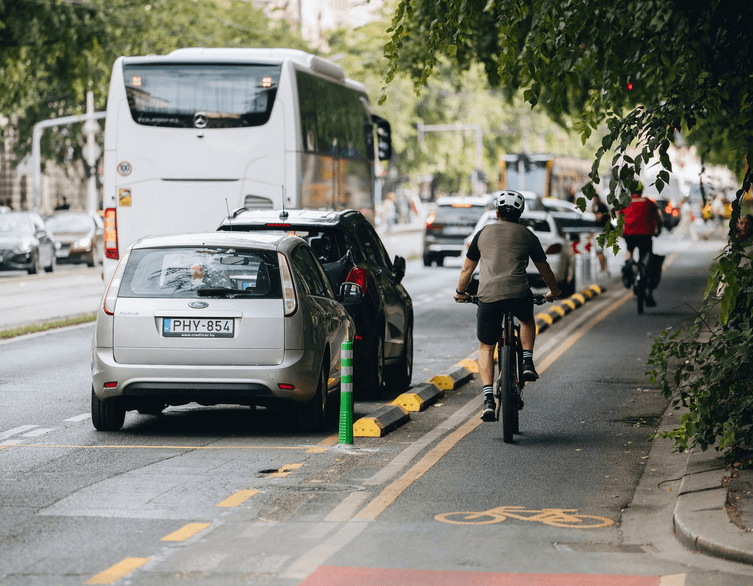
Safer Streets on Budapest’s Grand Boulevard: What’s Changed on József körút
Budapest’s iconic Grand Boulevard, known locally as the Nagykörút, just got a practical upgrade on one of its busiest stretches, and it’s...
Budapest’s Bike-Share Just Got a Serious Upgrade, and It’s Now Got Electric Power
If you’ve ever wandered past a row of chunky green bicycles parked along a Budapest street corner and wondered what they were about, now’s...
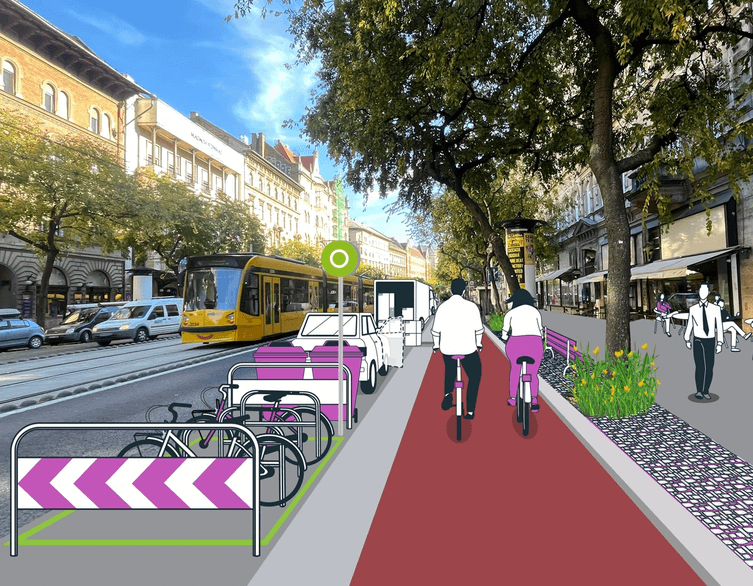
Budapest’s Grand Boulevard Gets a Biker-Friendly Upgrade This Summer
If your Budapest itinerary includes wandering, cycling, or grabbing a coffee anywhere along the Grand Boulevard (Nagykörút), you’ll want...

What’s On in Budapest This Weekend (August 7-9): The Best Outdoor Events
If you’re spending this weekend in Budapest, you’ve timed your trip beautifully. Between Friday evening and Sunday night, the Hungarian...
Budapest’s MOL Bubi Bikes Are Coming Back This Summer, Better Than Ever
Budapest’s beloved public bike system has been sitting quiet since it was taken offline this spring, but the wait is almost over, with the...
Meet Manfred: Budapest’s New Bike-Sharing Service Filling the Gap Left by Bubi
If you’ve been planning a trip to Budapest and were counting on hopping on a city bike to explore the Hungarian capital, you might have noticed...
Related events