Breathe Easy in Budapest: Why September 7th Matters for Every Visitor
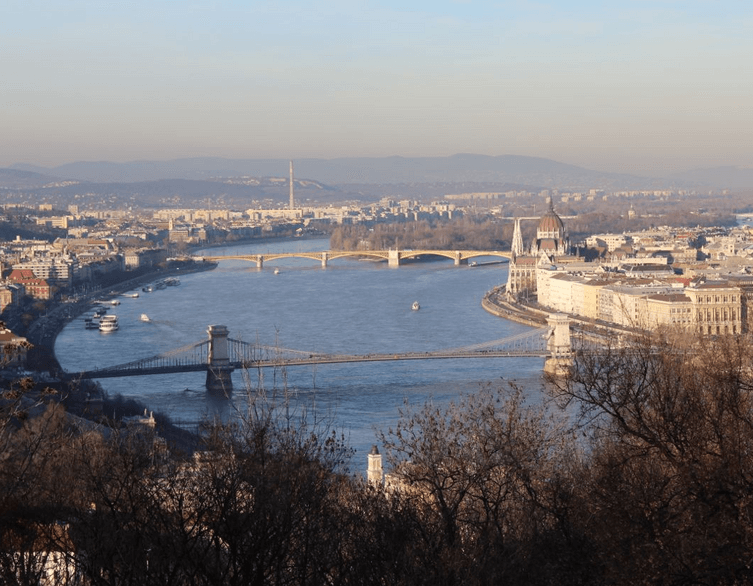
If you’re wandering through Budapest this week, admiring the Danube from Fisherman’s Bastion or sipping coffee on a leafy terrace in the Jewish Quarter, you’re taking part in something bigger than a city break. September 7th marks the United Nations’ International Day of Clean Air for Blue Skies, a global observance that turns attention to the invisible thing every traveler shares with locals: the air. It’s a fitting moment to look at how Budapest is tackling air quality, and how visitors can enjoy the city while treading a little more lightly.
Clean air might sound like a dry policy topic, but it’s deeply personal. The air circulating through Budapest’s boulevards, parks, and courtyards affects everyone breathing it, tourists included. This UN day was established to highlight that clean air is a basic human right, not a luxury, and Hungary’s capital has its own chapter in that story.
The Science Behind the Smog
Recent findings from the European Environment Agency paint a sobering picture across the continent: roughly 94 percent of Europe’s urban population still breathes air with fine particulate matter (PM2.5) levels above what the World Health Organization considers safe. Budapest, like most Hungarian cities, sits in the more polluted half of the 761 European cities the EEA tracks, with Sopron being a rare exception. The main culprits are familiar to anyone who’s felt Budapest’s summer haze: fine particles, nitrogen oxides, and ground-level ozone, which spikes during heatwaves and intense sunshine, exactly the kind of scorching summer the city just experienced.
The health stakes go well beyond a scratchy throat. Air pollution has been linked to strokes, heart disease, diabetes, and even complications like premature birth, with children, older adults, and people living near busy roads bearing a disproportionate share of the risk. It’s a global issue too: outdoor and indoor air pollution contributes to close to 7 million premature deaths worldwide each year, according to the World Health Organization. Tighter EU air quality standards kick in from 2030, pushing member states, Hungary among them, toward the WHO’s stricter benchmarks, so there’s real momentum behind cleaner urban air across the region.
A City Learning From London’s Lesson
There’s a fascinating historical parallel here. This year marked the 70th anniversary of the UK’s Clean Air Act, passed in 1956 after London’s infamous Great Smog paralyzed the city and claimed thousands of lives. It was the world’s first national law to tackle air pollution head-on, and its success over the following decades is now visualized in striking “climate stripe” style graphics charting London’s particulate pollution from 1850 to today. Budapest has its own version of that story, and while the trend here has also improved over recent decades, the curve still has further to fall before matching WHO recommendations.
Best deals of Budapest










Turning a Global Day Into a Local Experience
The good news for anyone visiting Budapest right now is that the city is actively part of the solution, and travelers can join in without even trying hard. Hungary runs the HungAIRy program to share good practice on air quality between municipalities, while grassroots groups like the Clean Air Action Group and the wider network of Hungarian environmental organizations campaign for greener urban policy. Budapest’s municipality has also floated a Healthy Streets concept, with significant funding earmarked for districts to redesign streets around cleaner mobility, less noise, and healthier public space, a project well worth watching if you’re interested in how European capitals are reinventing themselves.
For visitors, the most enjoyable way to mark the day is simply to explore Budapest the low-emission way. The city’s excellent public transport network, run by the Centre for Budapest Transport, makes this effortless: a 24-hour travel pass costs around 2,750 forints and covers the metro, trams, buses, and the historic Cogwheel Railway up to the Buda Hills, while a 72-hour pass suits a typical weekend trip. The city’s official transport app lets you buy and validate tickets straight from your phone, no queuing at machines required.
Cycling is another rewarding option, and Budapest’s bike-share scheme has become a favorite with both locals and tourists for pedaling along the Danube promenade or through City Park. Registration takes just a few minutes through the app, the first thirty minutes of each ride are free, and stations are dotted across downtown, including convenient pickup points near the airport terminals. If you’d rather keep your own folding bike or scooter with you, public transport allows these on board free of charge as hand luggage, and select tram, bus, and suburban rail lines take full-size bikes too, particularly convenient at weekends.
Where to Breathe a Little Easier
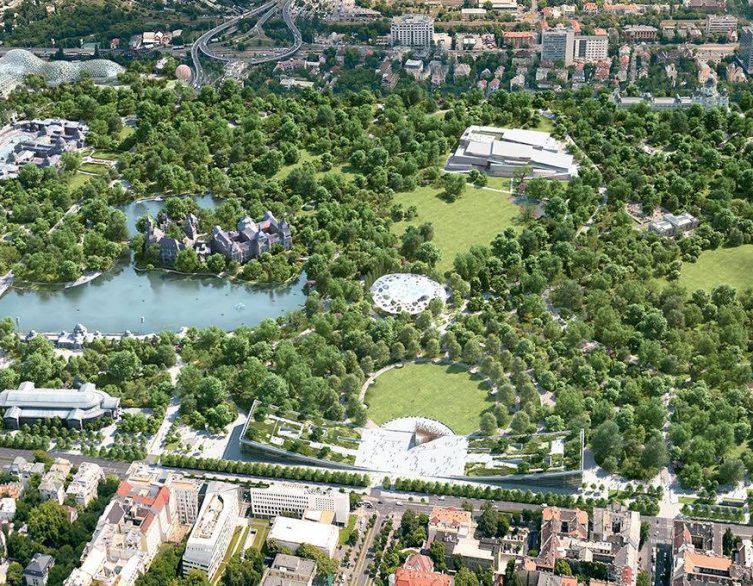
While you’re in a clean-air frame of mind, Budapest’s green spaces make an obvious detour. City Park, one of the largest public parks in Europe, offers shaded paths, the fairy-tale Vajdahunyad Castle, and the Széchenyi Thermal Bath for a relaxing soak afterward. Margaret Island, car-free and ringed by the Danube, is a favorite escape for joggers, cyclists, and picnickers alike, and its musical fountain and rose gardens make it one of the most pleasant lungs of the city. For panoramic views paired with fresher air above the urban haze, the Buda Hills accessible via the Cogwheel Railway and the charming Children’s Railway offer forested trails just twenty minutes from downtown.
Budapest’s café culture also plays nicely into a slower, greener day out. Sit outside at one of the ruin bars or courtyard cafés in the Jewish Quarter, take a scenic walk across the Chain Bridge instead of driving, or catch the tram along the Pest embankment for uninterrupted Danube views without the traffic fumes of a taxi ride.
A Small Footprint, A Bigger Story
Marking Clean Air for Blue Skies Day doesn’t require grand gestures. Choosing the metro over a car, renting a bike for an afternoon, or simply strolling through Margaret Island instead of driving across town all add up. Budapest is, quite visibly, a city in transition: still working through the more polluted half of Europe’s rankings, but with real programs, real investment, and a public conversation that’s very much alive. Visitors who explore it consciously, on foot, by bike, or aboard its trams, get to enjoy the city’s beauty while adding a little less to the very air quality challenge the day is meant to highlight.
Related news
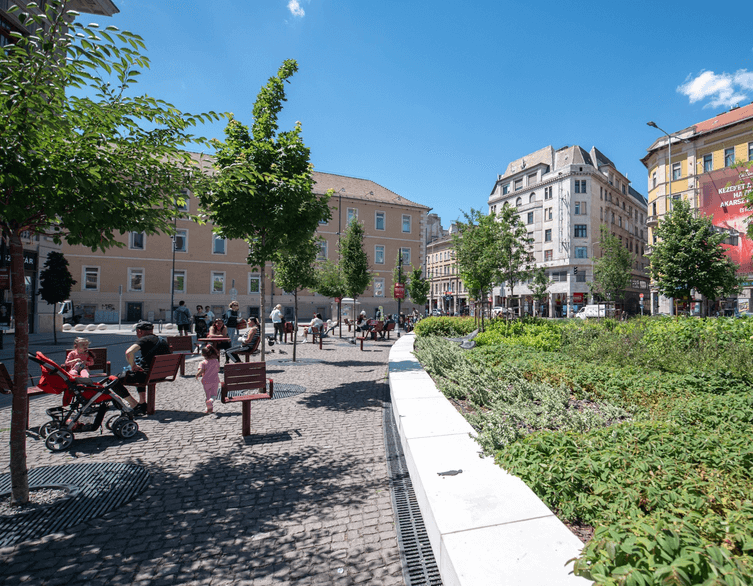
Budapest’s Green Future: The City Turns Into a “Sponge City”
Budapest has just taken a major step toward becoming one of Europe’s most climate-resilient capitals, and it’s a story worth knowing...
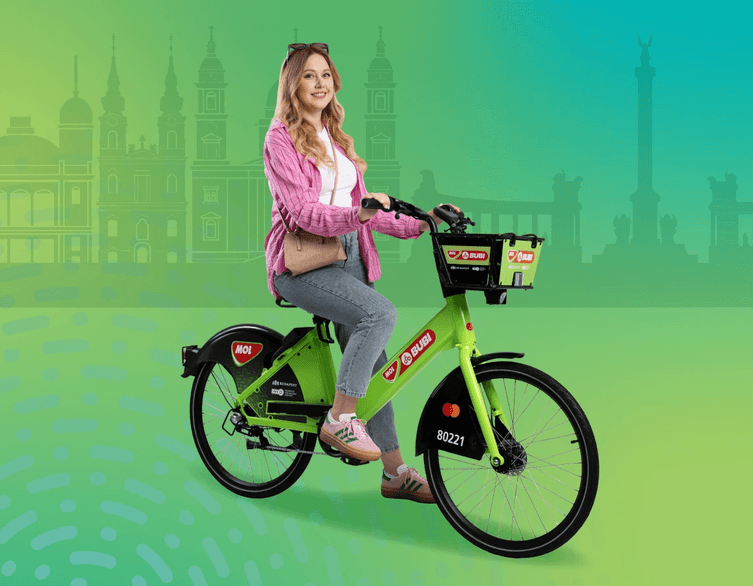
Budapest’s Bike-Share Just Got a Serious Upgrade, and It’s Now Got Electric Power
If you’ve ever wandered past a row of chunky green bicycles parked along a Budapest street corner and wondered what they were about, now’s...
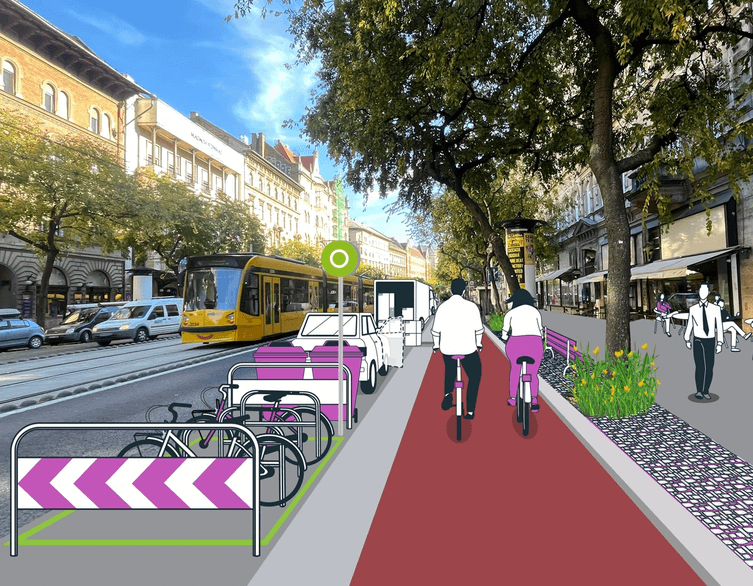
Budapest’s Grand Boulevard Gets a Biker-Friendly Upgrade This Summer
If your Budapest itinerary includes wandering, cycling, or grabbing a coffee anywhere along the Grand Boulevard (Nagykörút), you’ll want...
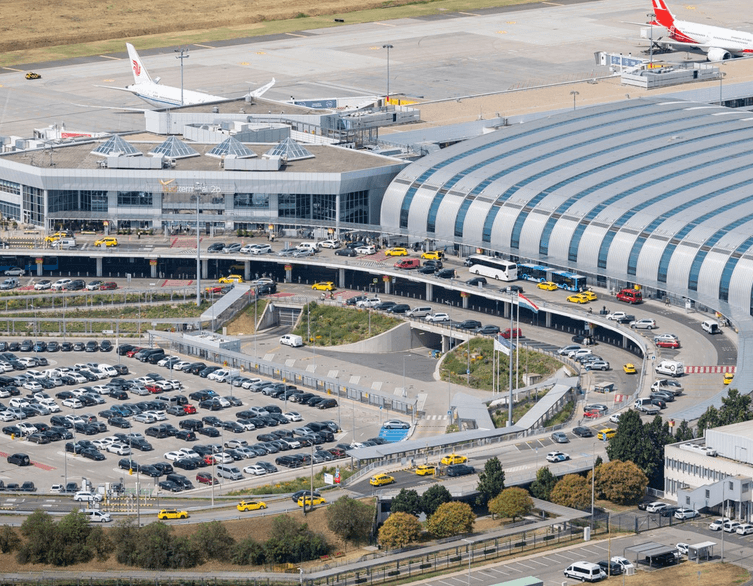
Budapest Airport Powers Up Its Green Future with EU Backing
Landing in Budapest is about to get a little cleaner and greener. Budapest Airport, the main gateway for most tourists arriving in Hungary, has ramped...
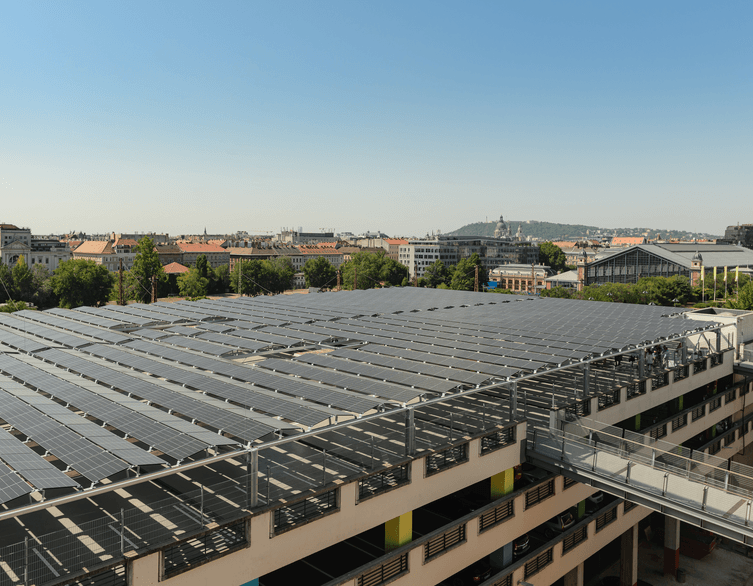
Westend Goes Green: Budapest’s Biggest Rooftop Solar Park Opens Above One of the City’s Favorite Malls
If you’ve ever browsed the shops at Westend Shopping Center in Budapest, you might not realize that just above your head now sits the city’s...

Making Budapest Greener by Introducing LOGI Points
Budapest has always been a city that surprises its visitors. Beyond the grand Parliament building, the steaming thermal baths, and the ruin bars...
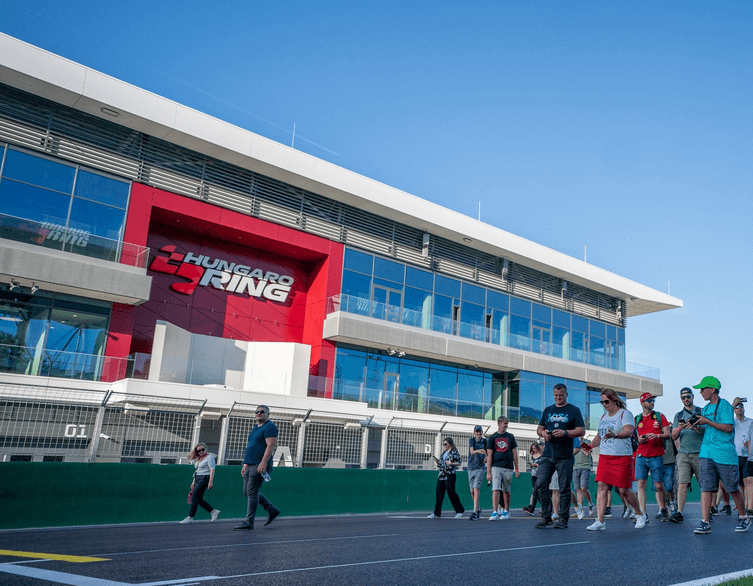
Hungaroring Goes Green: Why Budapest’s F1 Track Just Became a Sustainability Star
If you think Formula 1 is all roaring engines and burning rubber, Hungary has a little surprise for you. Just outside Budapest, the Hungaroring –...

Green Ways to Explore Budapest: Your Guide to Eco-Friendly Transport
Earth Day is a great reminder that protecting our planet doesn’t require grand gestures. In fact, some of the most meaningful changes start...
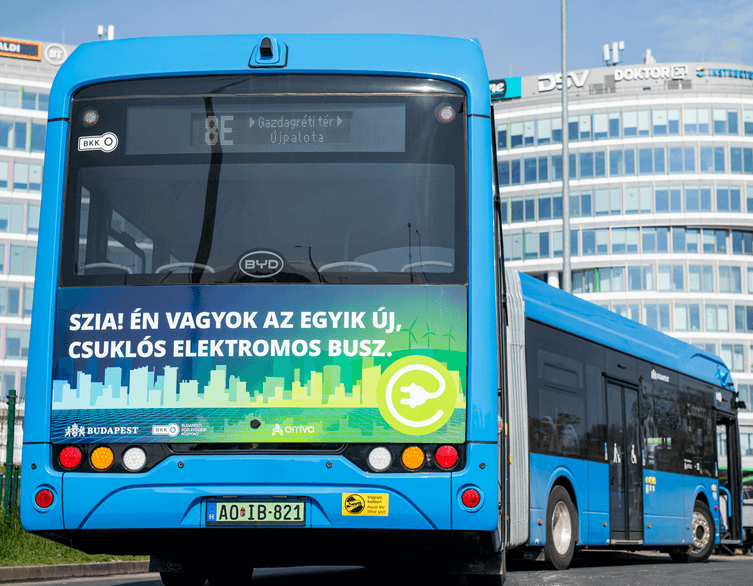
Budapest’s Electric Articulated Bus Revolution: A Greener Way to Explore the City
If you’ve been to Budapest recently, you may have noticed something quietly exciting happening on the streets. The Hungarian capital has just...
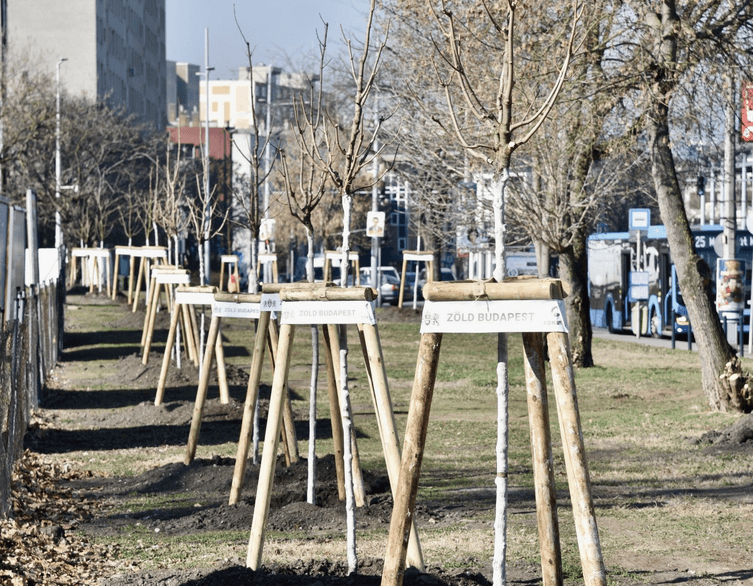
Budapest Is Getting Greener: Over 560 New Trees Planted Across the City This Spring
If you’re visiting Budapest this spring, you might notice something fresh in the air — and not just the warmer temperatures. The city is...
Related attractions
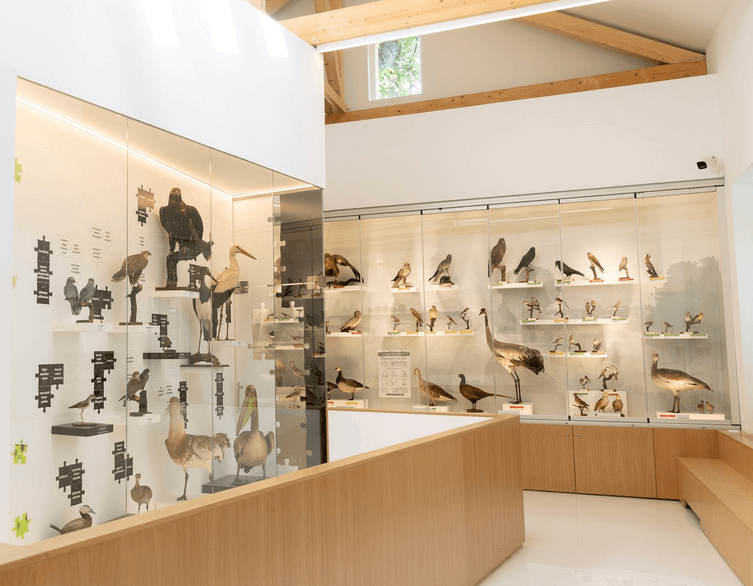
Explore Jókai-kert: Budapest’s Historic and Natural Oasis
If you’re visiting Budapest and want to experience a unique blend of literary history, natural beauty, and peaceful green space, Jókai-kert (Jókai...
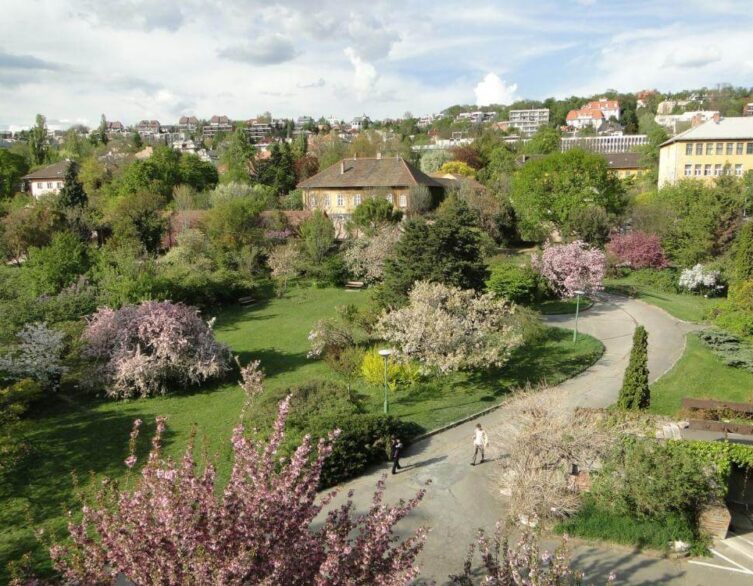
The Arboretum of Buda: A Garden Flourishing All Year Round
The Arboretum of Buda is one of the richest arboretums in Hungary, surrounding the building complex of the Buda Campus of the Hungarian University...
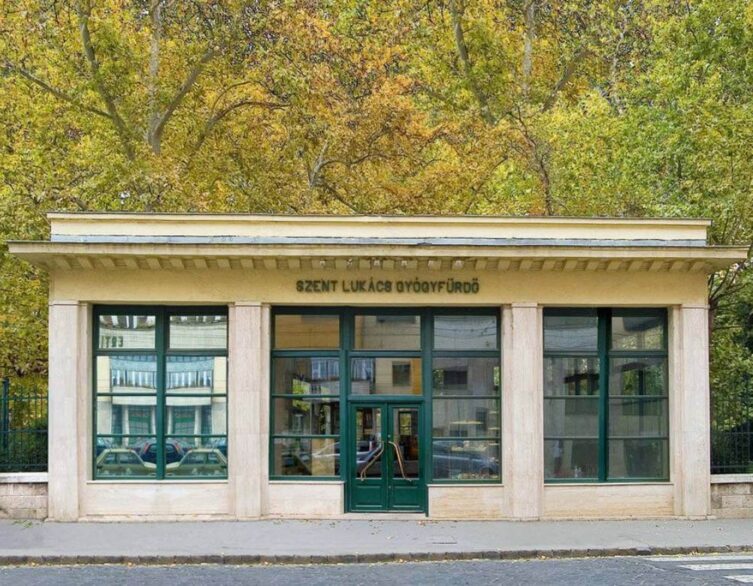
Lukács Bath: From The Ancient Romans To The Modern Day Thermal Bath Culture
The Lukács Bath is one of the oldest and most renowned thermal baths in Budapest, Hungary. Located in the Buda side of the city, near the Danube...
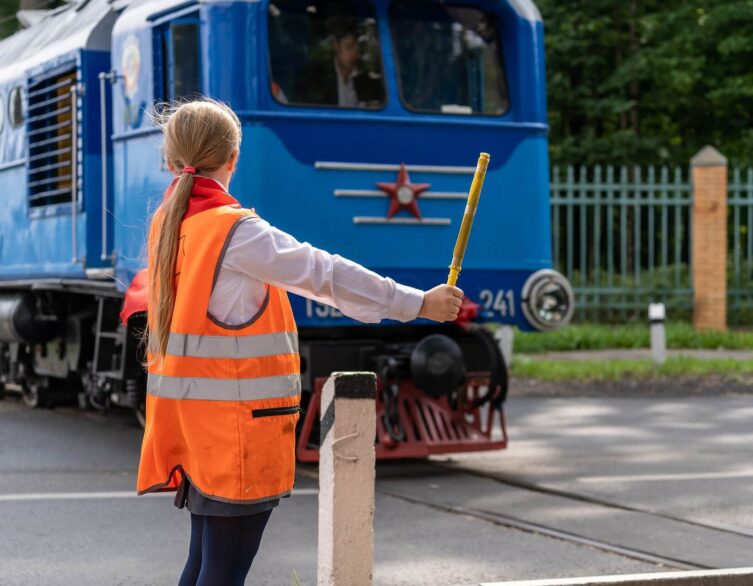
The Budapest Children’s Railway: A Journey Through History and Nature
The Budapest Children’s Railway is a unique and charming attraction that offers visitors a chance to experience a piece of Hungarian history...
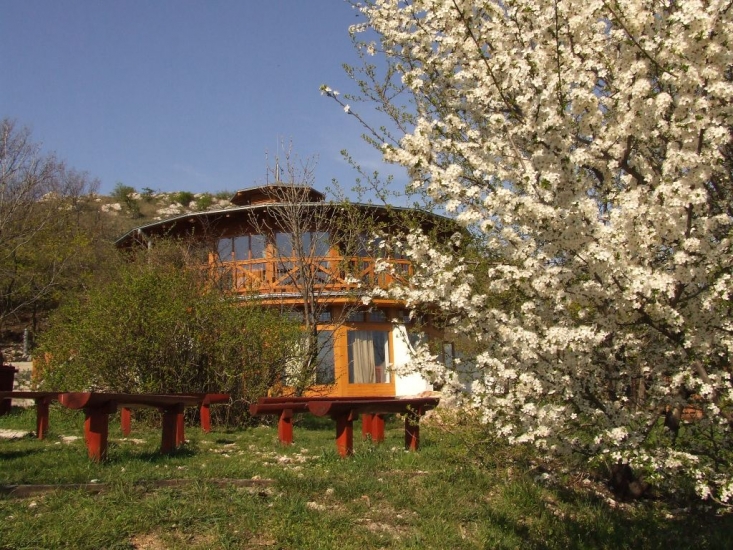
Discover Nature’s Wonders at the Sas-Hill Visitor Center
If you’re looking to escape the hustle and bustle of Budapest and immerse yourself in nature, make sure to add the Sas-Hill Visitor Center...
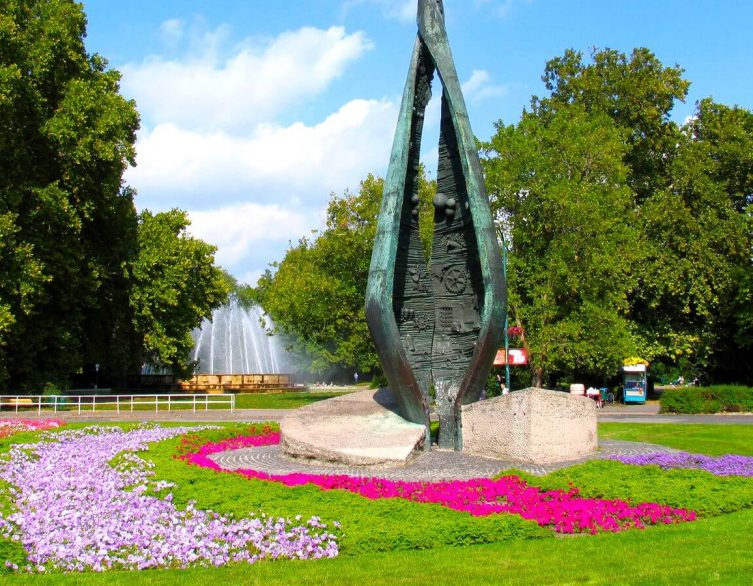
Margaret Island: Budapest’s Green Oasis on the Danube
Nestled in the heart of the Danube River, Margaret Island (Margitsziget) offers a tranquil escape from the bustling city life of Budapest, Hungary....
Városliget: Budapest’s Green Oasis for Nature and Culture
Nestled in the heart of Budapest, Városliget (City Park) stands as a verdant oasis, offering a refreshing escape from the bustling city life. Right...