Bike and Ride in Budapest: The Smart Way to Skip the Traffic
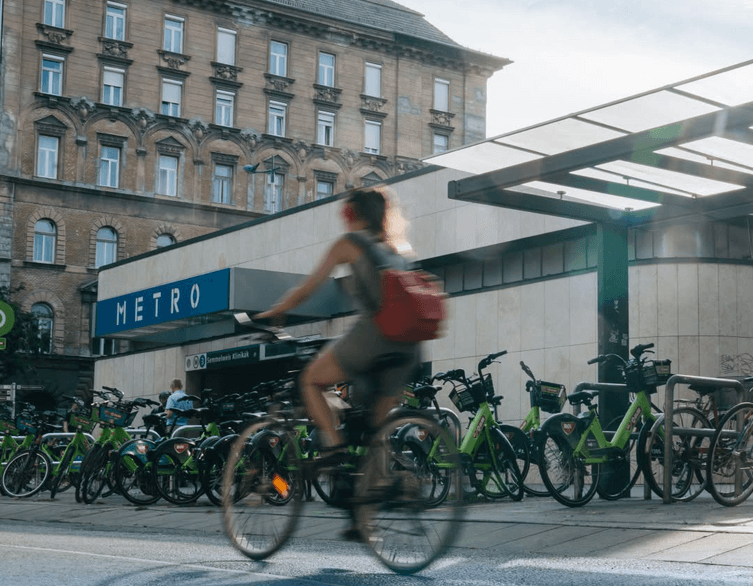
If you’re visiting Budapest and want to get around like a local rather than sit in traffic, there’s a simple trick worth knowing before you even land: Bike and Ride, or B+R for short. It’s the kind of low-key travel hack that regular commuters swear by, and it works just as well for tourists who want to cover more ground without wasting time or money. The idea is refreshingly simple. You combine a short bike ride with a stretch on public transport, letting each mode of transport do what it’s best at. Once you get the hang of it, you’ll wonder why every city doesn’t make it this easy.
What Exactly Is Bike and Ride?
The name says it all. You cycle to a nearby train, suburban railway, metro, tram, or bus stop, lock your bike at a designated bike rack, and hop on public transport for the rest of your journey. It works in reverse too. Plenty of stations in downtown Budapest have bike racks or bike-share docks waiting for you, so you can step off a train and pedal the last stretch to your destination instead of waiting for a connecting bus.
Think of it as getting the best of both worlds. A bike is fast and flexible over short distances, weaving through streets a bus might get stuck on, while public transport is unbeatable for covering longer distances in comfort. Combine the two and you can reach stops that would otherwise be an awkward, sweaty walk away, all while dodging the kind of traffic jams that make city driving miserable.
Why Tourists Should Actually Try This
Visitors often default to taxis or rideshares because it feels simpler, but B+R has some real advantages once you’re used to Budapest’s layout. You only need to worry about parking a bike, not a car, which is a genuine relief in a city where street parking downtown can be scarce and confusing for out-of-towners. It also tends to be cheaper than constant taxi rides, since you’re relying mostly on affordable public transport tickets and a bike rental rather than metered fares.
There’s also a wellness angle that’s easy to overlook on a city break. A few kilometers of cycling a day is enough to count as real exercise, so you get some fresh air and movement built into your sightseeing without setting aside separate gym time. And once you’re on the train, metro, or tram for the longer leg of the trip, you can actually relax. Scroll through your photos, read up on your next stop, or just watch the city go by instead of concentrating on navigation.
How It Helps the City You’re Visiting
There’s a bigger picture here too. Every visitor who chooses a bike and public transport combo instead of a car is one less vehicle adding to congestion on Budapest’s streets. Fewer cars on the road generally means less noise, lower air pollution from traffic, and easier movement for everyone, including pedestrians and the cyclists who make this whole system work. It’s a small choice on an individual level, but multiplied across a city full of commuters and travelers, it adds up to real breathing room for the streets and squares that make Budapest so pleasant to explore on foot.
Finding a Bike Rack Near You
Budapest has rolled out B+R bike racks at numerous points around the city, particularly near suburban railway (HÉV) stations and busy interchange points. You’ll find them at Cinkota, Csepel, Kaszásdűlő, near Pillangó utca, and at Örs vezér tere, among many other locations. If your nearest stop doesn’t have an officially marked B+R rack, don’t worry. Budapest has plenty of sturdy, often covered or supervised bike stands scattered around the city beyond the official map, positioned so a locked bike won’t get in the way of pedestrians or traffic. Checking a route planning map before you set off is the easiest way to scout out exactly where to leave your bike.
Best deals of Budapest









Locking Your Bike the Right Way
A little care here goes a long way, especially in a city center full of visitors. Use a solid U-lock or a good quality chain lock rather than a flimsy cable. Secure both the bike frame and one wheel to the rack itself, not just to each other. Skip leaving anything removable on the bike, whether that’s a bag, a bike computer, or lights, since those tend to disappear fastest. Whenever possible, choose a rack that’s well lit and in a busy, visible spot rather than a quiet side street, and always make sure you’re locking to something genuinely fixed in place.
Do You Have to Pay for These Bike Racks?
The good news for budget-conscious travelers is that standard, street-level B+R bike racks in Budapest are free to use. Some locations have enclosed, access-controlled, or specialized bike storage instead, and those may come with their own rules or fees, so it’s worth glancing at any signage on site before you lock up.
Bringing Your Own Bike Onto Public Transport
If you’d rather keep your own bike with you the whole way instead of parking it, Budapest makes that possible too. A growing number of BKK routes, along with every MÁV and HÉV suburban rail line, allow bikes on board, though only on vehicles marked with a bicycle pictogram and only up to the number of available bike spaces. If you’re traveling within Budapest’s city limits and hold a valid transport pass, or you’re entitled to free travel, you can bring one bike along at no extra charge. It’s smart to double check the specific rules for whichever line you’re taking before you head out, since capacity and conditions can vary by route.
Pairing It With Bike Sharing
You don’t need to own a bike to make B+R work. Budapest’s MOL Bubi bike-share system, along with other shared bike services in the city, is perfectly suited to the first or last leg of a Bike and Ride trip. Just remember that shared bikes need to be returned according to that service’s own rules, typically at a designated docking station rather than left wherever you happen to finish your ride.
Mixing Transport Modes on a Single Trip
What you’re really doing with B+R is a simple form of intermodal travel, which just means combining more than one mode of transport within a single trip because each mode suits a different part of the journey. The bike gets you to the stop quickly, and public transport then carries you comfortably over the longer stretch. When these two connect smoothly, the payoff is a cleaner, calmer, and more livable Budapest for everyone using its streets, not just the people cycling through them.
Real Spots Around Budapest Putting This Into Practice
A few examples show how this plays out on the ground. At Cinkota, a bike rack right next to the HÉV station lets people from the surrounding area cycle in and switch straight to the suburban railway. Csepel’s HÉV terminus has a B+R rack that helps travelers finish a local bike leg before continuing their journey by public transport. Kaszásdűlő offers a covered bike rack at its HÉV stop, giving nearby residents and visitors a comfortable, weather-protected place to leave their bikes. And at Nyugati railway station, close to WestEnd, you’ll find numerous covered bike stands and a MOL Bubi docking station, plus another bike rack on the Podmaniczky utca side for good measure.
If you’re planning a few days of sightseeing around Budapest, it’s worth building at least one Bike and Ride trip into your itinerary. Rent a Bubi near your hotel, ride to the nearest HÉV or metro stop, lock up, and let the train handle the rest of the distance. It’s an easy way to see the city from a different angle, save some money on transport, and skip a fair bit of the traffic that can otherwise eat into your sightseeing time.
Related news
Getting Around Budapest Just Got Easier: New Bus Ticket Payments and Safer Crossings
Budapest keeps fine-tuning the everyday experience of getting around the city, and this month brings two welcome upgrades for visitors: you can now...

Summer’s Grip on Budapest Is About to Loosen: What Visitors Should Know About Next Week’s Cooling Trend
If you’ve been soaking up Budapest’s late summer sunshine and wondering whether to pack that light jacket, now’s a good time to...
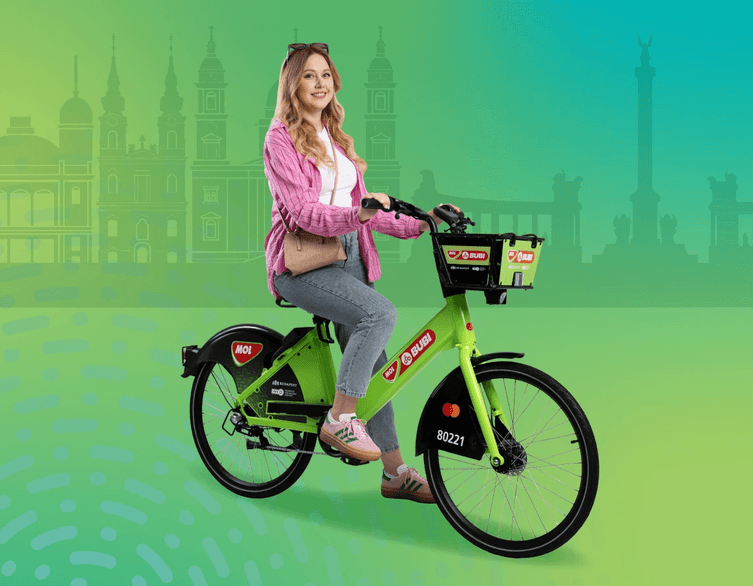
Budapest’s Bike-Share Just Got a Serious Upgrade, and It’s Now Got Electric Power
If you’ve ever wandered past a row of chunky green bicycles parked along a Budapest street corner and wondered what they were about, now’s...
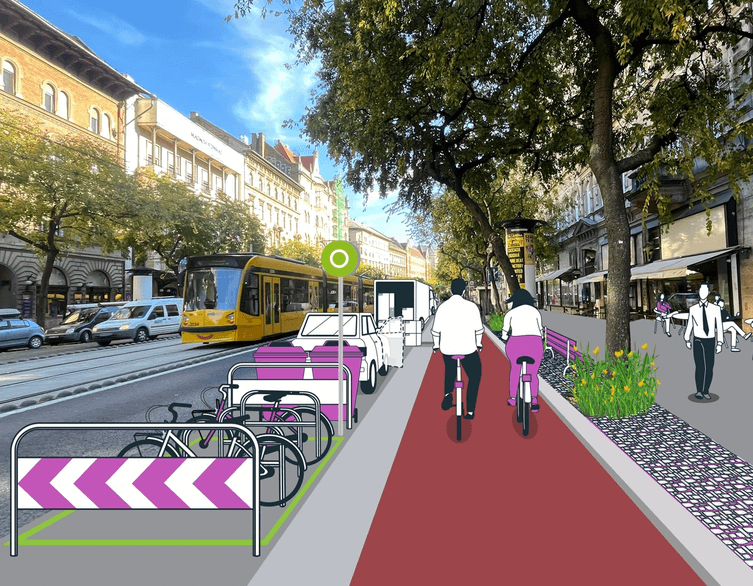
Budapest’s Grand Boulevard Gets a Biker-Friendly Upgrade This Summer
If your Budapest itinerary includes wandering, cycling, or grabbing a coffee anywhere along the Grand Boulevard (Nagykörút), you’ll want...
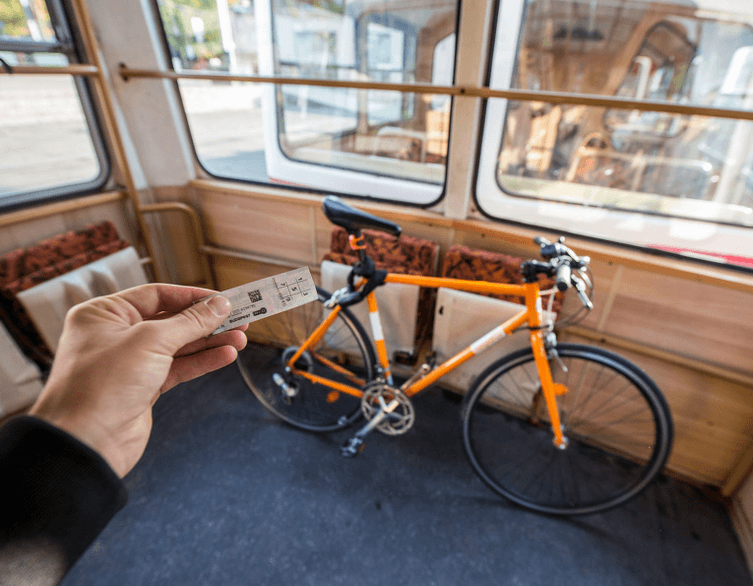
More Budapest Buses Now Allow Bikes On Board
If you’re exploring Budapest by bike but occasionally want the option of jumping onto public transport, the city’s transport authority...
Bringing Your Bike on Public Transport in Budapest: What Tourists Need to Know in 2026
Budapest is one of those cities that practically begs to be explored on two wheels. One minute you are cruising along the Danube with postcard views...
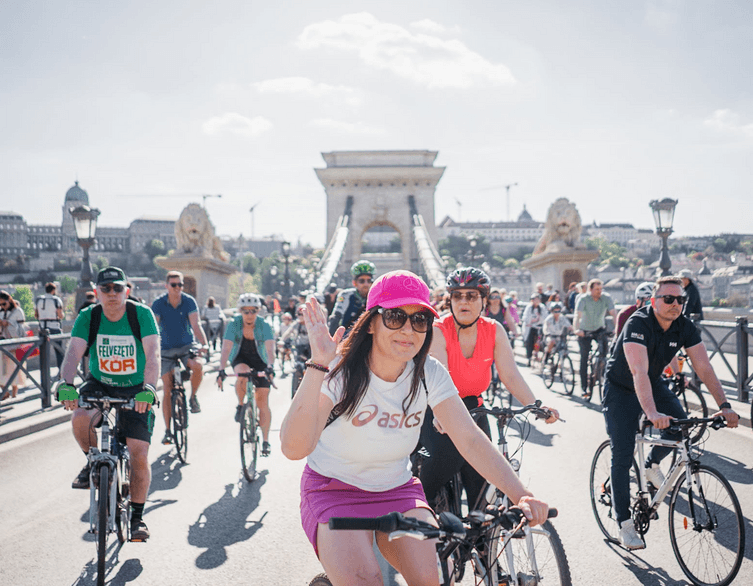
More Than 20,000 Cyclists Rolled Through Budapest at I Bike Budapest 2026
Budapest showed a different side of itself this weekend, as more than 20,000 cyclists took part in the I Bike Budapest parade on Saturday to draw...
Related events