Traveling with Pets in Budapest? Here’s How to Protect Them From the Summer Heat
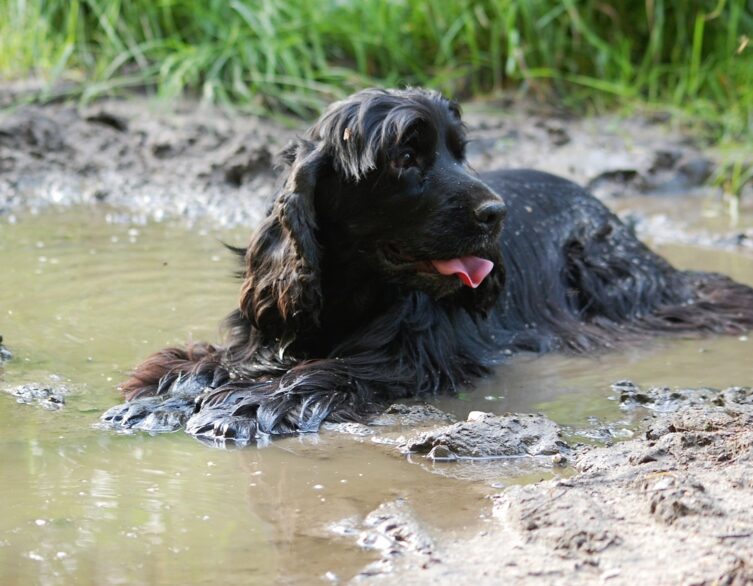
Budapest’s summer heatwaves aren’t just tough on tourists wandering between Buda Castle and the Danube promenade. They’re genuinely dangerous for dogs and cats, whether you’re visiting with a pet in tow or simply noticing how local Hungarians care for their animals during scorching days. With temperatures climbing toward the 35°C to 40°C range (95°F to 104°F) in the coming days, understanding pet heat safety is worth a few minutes of your time, especially if you’re staying somewhere with a resident cat or planning dog-friendly walks through City Park or Margaret Island.
Why Pavement Heat Is More Dangerous Than It Looks
Here’s something most visitors never consider: Budapest’s beautiful cobblestone streets, stone squares, and metal surfaces like staircases can reach scorching temperatures of 60°C to 80°C (140°F to 176°F) after several days of continuous sun. That’s hot enough to cause severe burns on a dog’s paw pads within moments.
The rule of thumb locals use is simple and worth adopting yourself. Press your own hand against the pavement for ten seconds before assuming it’s safe for a dog to walk on. If it’s too hot for your palm, it’s too hot for paws. Whenever possible, stick to grass or shaded paths, and avoid walking dogs during peak sun hours between 11 AM and 7 PM.
Recognizing Heatstroke in Dogs and Cats
Unlike humans, dogs and cats have limited ability to regulate their body temperature. Dogs cool primarily through panting and their paw pads, while cats rely on grooming and seeking out cool hiding spots. When these mechanisms aren’t enough, heatstroke can set in once body temperature climbs above 40°C (104°F).
Warning signs include rapid, labored breathing, excessive drooling, bright red or bluish gums, weakness or unsteady walking, vomiting, and elevated body temperature. If you notice any combination of these symptoms in a pet, whether it’s yours or one you spot in distress on the street, immediate action matters far more than waiting to see if things improve.
What to Do (and Definitely Not Do) During Heatstroke
If you suspect a dog is suffering from heatstroke, move it to shade immediately and offer small amounts of lukewarm water if it’s conscious. Cool the body gradually by wetting the paw pads, groin, and chest area with lukewarm or cool water, never ice-cold water. This last point matters enormously: sudden exposure to very cold water causes blood vessels to constrict, which can stop blood from reaching the heart and lead to a genuinely tragic outcome.
Just as important is what you should avoid. Never pour cold water directly over a dog’s body, and never place a wet towel across its back, since doing so traps heat rather than releasing it. Once the animal seems more stable, let it rest in the shade on a damp towel and contact a veterinarian as soon as possible. Budapest has several 24-hour veterinary clinics (állatorvosi rendelő) that visitors can locate quickly through a hotel concierge or a simple search if needed.
The Danger of Leaving Pets in Parked Cars
This deserves special attention because the numbers are genuinely alarming. If it’s 20°C (68°F) outside, the inside of a parked car reaches 38°C (100°F) within half an hour and 46°C (115°F) within an hour. At 30°C (86°F) outside, that climbs to 48°C (118°F) within thirty minutes and 62°C (144°F) within an hour. At 40°C (104°F) outside, a car’s interior can hit 60°C (140°F) in half an hour and as much as 73°C (163°F) within an hour. No animal survives conditions like that, and excuses like “I parked in the shade” or “the windows were cracked” simply don’t hold up against the physics involved. If you’re exploring Budapest by car, never leave a pet inside, even briefly, and if you spot a distressed animal locked in a hot vehicle, treat it as an emergency.
Hydration, Shade, and Smart Grooming
Fresh water should always be available, and changing it multiple times a day helps keep it appealing and cool. Some owners toss in ice cubes or freeze pet-safe broths into treats to encourage drinking during the hottest stretches. Shade is equally critical, whether that means a parasol, a shaded rest area, or simply timing outdoor time around the cooler morning and evening hours.
One common misconception is that shaving a pet’s fur completely helps with heat. In reality, fur acts as natural insulation against both cold and excessive heat, so complete shaving can actually increase the risk of sunburn and skin damage. A moderate trim leaving at least two to three centimeters of coat length is a safer approach for long-haired dogs, while cats generally just need regular brushing to remove loose fur and improve airflow near the skin.
Animals That Need Extra Care
Puppies, senior pets, and short-nosed breeds like bulldogs, pugs, or Persian cats face significantly higher risk during heatwaves, since their bodies regulate temperature less efficiently. If you’re traveling with one of these breeds, limiting outdoor exposure even during milder parts of the day is a smart precaution, along with keeping a close eye on ambient temperature wherever they’re resting.
A Reminder Worth Sharing
Budapest is an incredibly dog-friendly city, and it’s common to see pets accompanying their owners into parks, along the Danube, and even at outdoor café terraces. During heatwaves like the one currently building across Hungary, that same openness means visitors should stay alert, not just for their own pets, but for any animal that looks like it might be struggling. A little vigilance goes a long way toward making sure everyone, two-legged and four-legged alike, gets through the hottest days safely.
Related news

Budapest Light Shows: The Best Free and Immersive Exhibitions to Beat the Summer Heat
Summer in Budapest can be a bit tricky, weather-wise — one minute you’re basking in glorious sunshine, the next you’re dashing for...

Beat the Summer Heat: Cool Cultural Escapes in Budapest’s City Park
When the mercury climbs toward 40 degrees Celsius in Budapest, sometimes even the most dedicated sun-seeker needs a break between beach days at the...
Stay Hydrated in Budapest: Free Drinking Water Fountains You Need to Know About
Budapest is a city made for exploring on foot. From the cobblestone streets of the Castle District to the buzzing ruin bars of the Jewish Quarter,...
Budapest Braces for Extreme Heat: How To Take Care of Yourself and Your Pets
If you’re planning to explore the beautiful Budapest this week, there’s something important you should know. The Hungarian capital, along...
Keep Your Dog Safe and Cool During the Heatwave
As a tourist visiting Budapest with your furry companion, it’s essential to be aware of the challenges that the summer heatwave can pose to...