Budapest Heatwave Alert: Hungary Set to Become Central Europe’s Hottest Spot This Summer
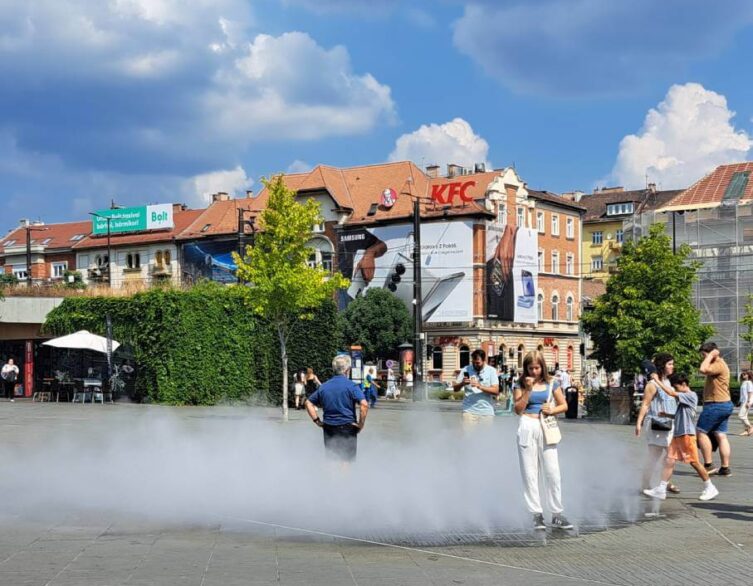
If you’re planning a trip to Budapest in the coming days, brace yourself: the Hungarian capital and the surrounding region are about to experience one of the most intense heatwaves of the year. After a brief and unusually cool spell, temperatures are set to surge dramatically, with Hungary potentially becoming the hottest country in all of Central Europe by early August.
A Fleeting Cool Spell Before the Storm
Early risers in Hungary recently woke up to a surprising chill, with the town of Lénárddaróc recording just 4.6°C (about 40°F) at five in the morning, according to the national meteorological service, HungaroMet. For a country that spent late June battling a record-breaking five-day heat dome, this brief cold snap felt like a welcome breather.
But don’t get too comfortable. Meteorologists are unanimous that this cool interlude is only temporary. Saturday and Sunday will still offer relatively pleasant conditions, with daytime highs hovering between 25°C and 34°C (77°F to 93°F), and scattered showers or thunderstorms possible in isolated spots. If you’re visiting Budapest this weekend, it’s genuinely one of the last comfortable windows before things heat up fast.
Why Late July and Early August Look So Intense
Starting Tuesday, the wind pattern will shift to a south-westerly flow, and temperatures will climb steadily day by day. According to forecasting service Időkép, by early August much of Hungary could see daytime highs return to the 35°C to 40°C range (95°F to 104°F), essentially matching or exceeding the punishing heat dome experienced just a month earlier.
The most striking forecast points to August 3rd, when ensemble weather models suggest Hungary, and particularly the Carpathian Basin region that includes Budapest, could become the hottest spot in all of Central Europe. Average forecast highs for that day range between 36°C and 39°C (97°F to 102°F), with some models suggesting the mercury could climb even higher as the forecast window narrows. In Szeged, located south of Budapest, there’s already more than a 20 percent chance temperatures will surpass 40°C (104°F) during the first week of August.
Unlike a short, sharp heat spike, this looks like a prolonged event. Current projections suggest the extreme heat could persist through at least August 7th, meaning visitors touring Budapest’s landmarks during this window should plan accordingly.
What This Means If You’re Exploring Budapest
Sightseeing in Budapest during a heatwave requires a shift in strategy. The city’s stunning attractions, from Buda Castle to the Hungarian Parliament Building along the Danube, are best explored in the early morning or evening hours when temperatures are more bearable. Midday, especially between noon and 4 PM, is when the heat becomes genuinely dangerous, particularly on exposed walking routes like Andrássy Avenue or the pedestrian bridges connecting Buda and Pest.
Budapest’s famous thermal baths, including Széchenyi Baths and Gellért Baths, become more than just tourist attractions during a heatwave; they’re a legitimately smart way to cool off while still enjoying a quintessential Budapest experience. Many locals also head to the Danube’s riverside promenades in the evening, where a slight breeze often makes the heat more tolerable after sunset.
Staying Safe in Extreme Heat
Hungarian health authorities have issued reminders about the risks of dehydration during this kind of prolonged heat. Roughly two-thirds of the human body is made up of water, and when fluid loss outpaces intake, dehydration can quickly disrupt the body’s mineral balance. Health experts recommend drinking between 2 and 2.5 liters daily (roughly 68 to 85 fluid ounces, or about half a gallon) under normal conditions, with significantly more needed during heatwaves or physical activity.
Beyond hydration, a few extra precautions go a long way toward keeping your trip safe and enjoyable:
Dress smart by choosing loose, light-colored, breathable clothing, and don’t underestimate a wide-brimmed hat and sunglasses, since Budapest’s stone pavements and open squares reflect a surprising amount of heat back up at you.
Apply and reapply sunscreen every two hours if you’re outdoors, particularly around water-heavy areas like Margaret Island or the Danube embankments, where reflection intensifies UV exposure.
Pace your itinerary by building in shaded rest stops every hour or so; Budapest has plenty of leafy parks, like City Park and Margaret Island, that offer natural relief between attractions.
Avoid alcohol and excess caffeine during peak heat hours, since both accelerate dehydration even if you’re also drinking water alongside them.
Watch for warning signs of heat exhaustion, including dizziness, nausea, headache, or unusually dark urine, and treat any of these as a signal to stop, find shade, and rehydrate immediately.
Keep electrolytes on hand, since pharmacies (gyógyszertár) throughout Budapest sell affordable rehydration salts that are worth carrying in your day bag during the hottest stretch.
Travelers should pay special attention to children, elderly companions, and anyone with health conditions that might blunt their natural sense of thirst. If you or someone in your group shows signs of severe dehydration or heat exhaustion, don’t hesitate. Call 112, Hungary’s emergency number, immediately.
The Bigger Picture: Drought Concerns Across Hungary
This isn’t just about uncomfortable sightseeing conditions. The dry, rainless stretch accompanying the heatwave is worsening an already severe drought affecting more than 90 percent of Hungary’s territory. While this is primarily a concern for local agriculture, it’s a useful reminder for visitors that the current weather pattern is unusually extreme even by Hungarian summer standards.
Practical Tips for Your Budapest Visit
Given the forecast, a few adjustments can make a real difference to your trip. Schedule outdoor walking tours or river cruises along the Danube for early morning or after 6 PM. Carry water at all times, and consider that Budapest’s public drinking fountains, particularly around City Park and Margaret Island, are reliable spots to refill. Indoor attractions like the Hungarian National Museum or the Great Market Hall offer air-conditioned relief during the hottest afternoon hours, while the city’s countless café terraces (a Budapest specialty) provide shaded spots to pause and rehydrate.
The overall message from meteorologists is simple: this is not a passing hot spell, but a return to the kind of intense, sustained heat Hungary experienced just weeks ago. Planning your Budapest itinerary around the coolest parts of the day will make all the difference between an uncomfortable slog and a genuinely enjoyable visit.
Related news
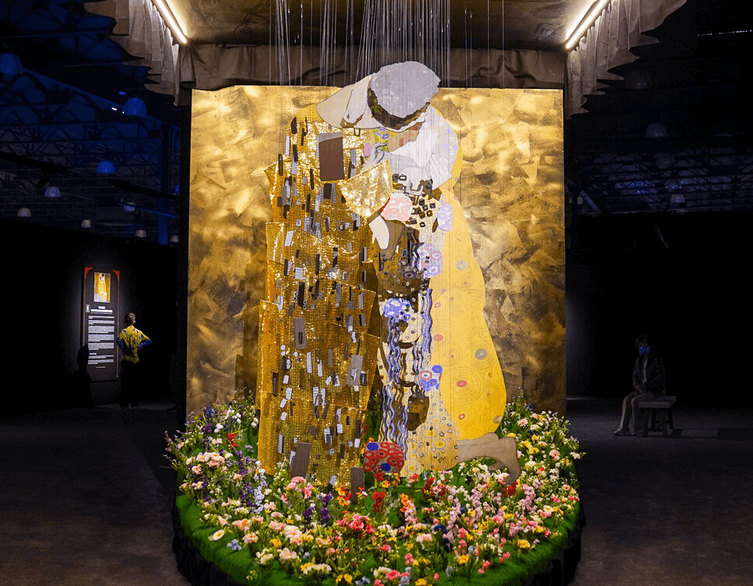
Budapest Light Shows: The Best Free and Immersive Exhibitions to Beat the Summer Heat
Summer in Budapest can be a bit tricky, weather-wise — one minute you’re basking in glorious sunshine, the next you’re dashing for...

Beat the Summer Heat: Cool Cultural Escapes in Budapest’s City Park
When the mercury climbs toward 40 degrees Celsius in Budapest, sometimes even the most dedicated sun-seeker needs a break between beach days at the...
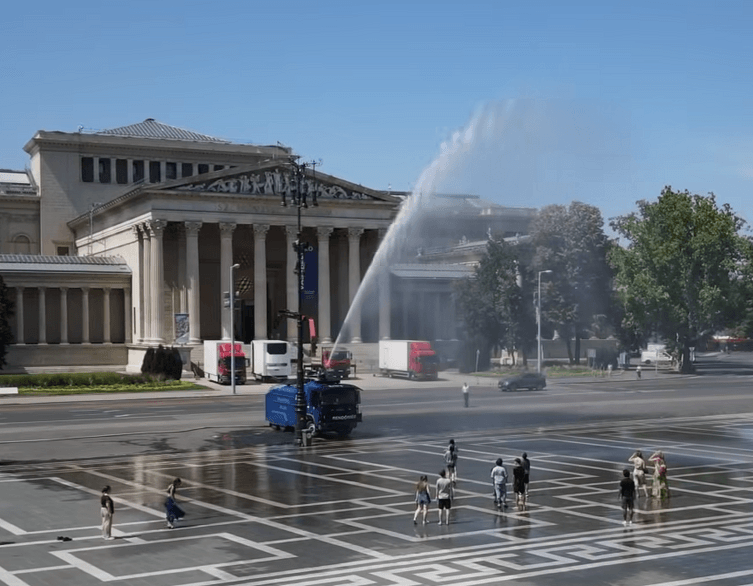
Riot Against the Heat: Budapest Police Are Firing Water Cannons at Tourists (And Everyone Loves It)
Yes, you read that correctly. Budapest police have deployed a water cannon on Heroes’ Square — and instead of running away, people are running...
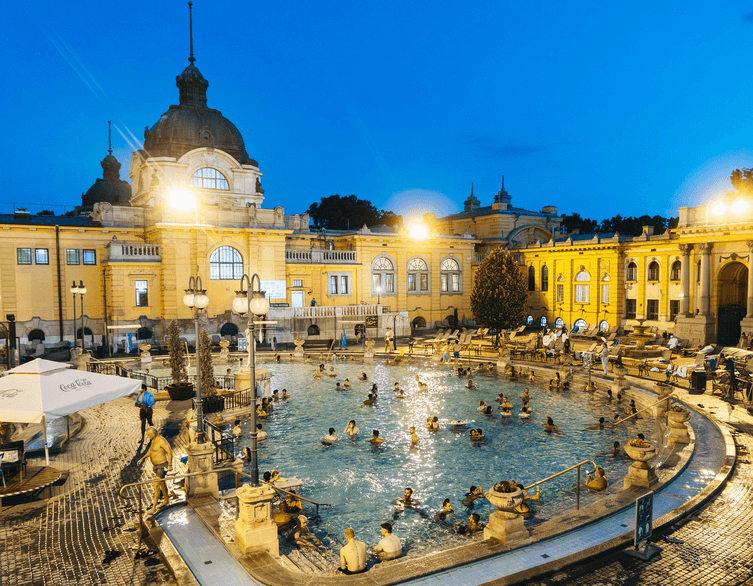
Swimming in the Danube Is Back — and Budapest Can’t Get Enough of It
There’s something wonderfully romantic about the idea of swimming in the Danube as it flows through the heart of Budapest. For much of the...
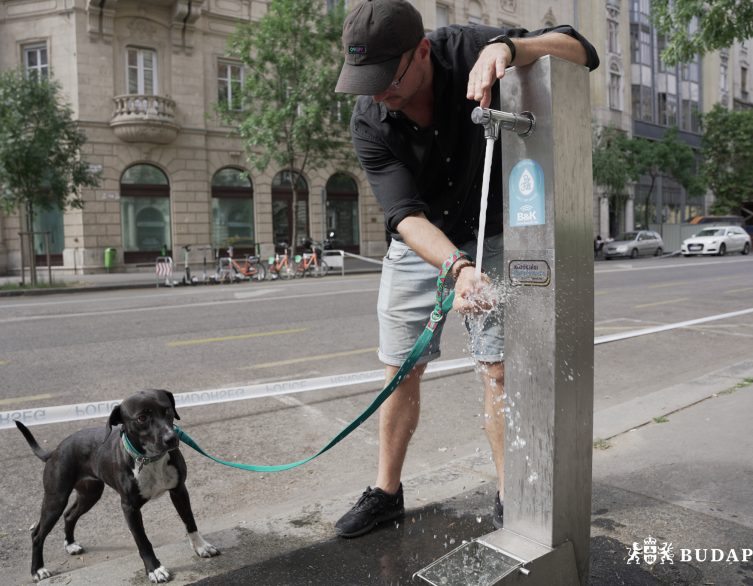
Staying Cool in Budapest: Everything You Need to Know During the Heatwave
Budapest is brilliant in summer — but this weekend, the heat is no joke. A second-level heat alert is in effect across Hungary from June 20 through...
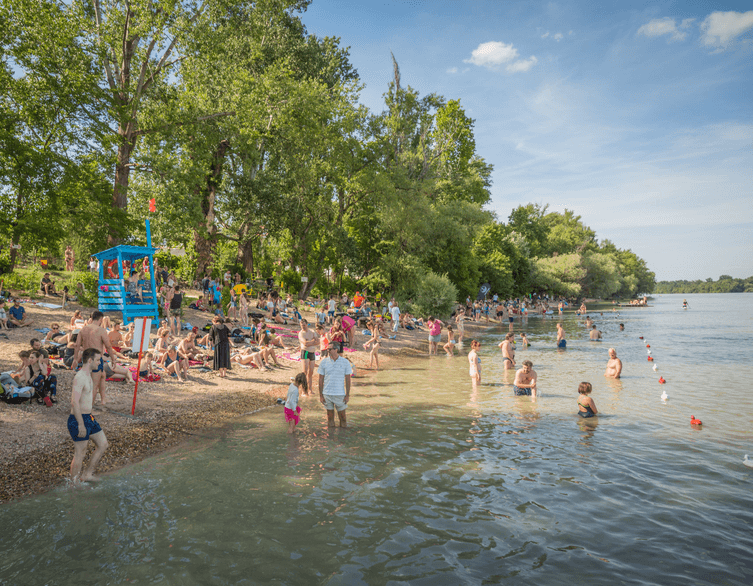
Budapest Is Bracing for a Heatwave: How to Stay Cool, Safe, and Sun-Smart This Weekend
Summer arrived in Budapest with very little ceremony this week — a grey, breezy Monday followed by a few scattered clouds — but don’t be...
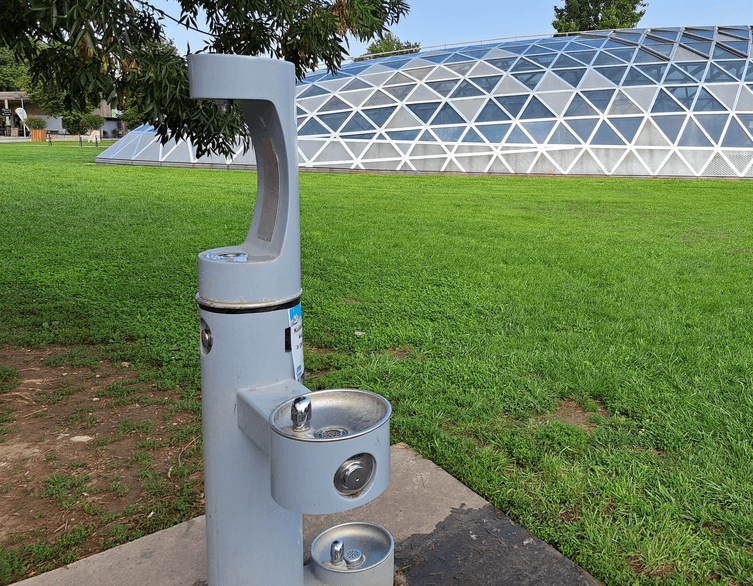
Stay Hydrated in Budapest: Free Drinking Water Fountains You Need to Know About
Budapest is a city made for exploring on foot. From the cobblestone streets of the Castle District to the buzzing ruin bars of the Jewish Quarter,...
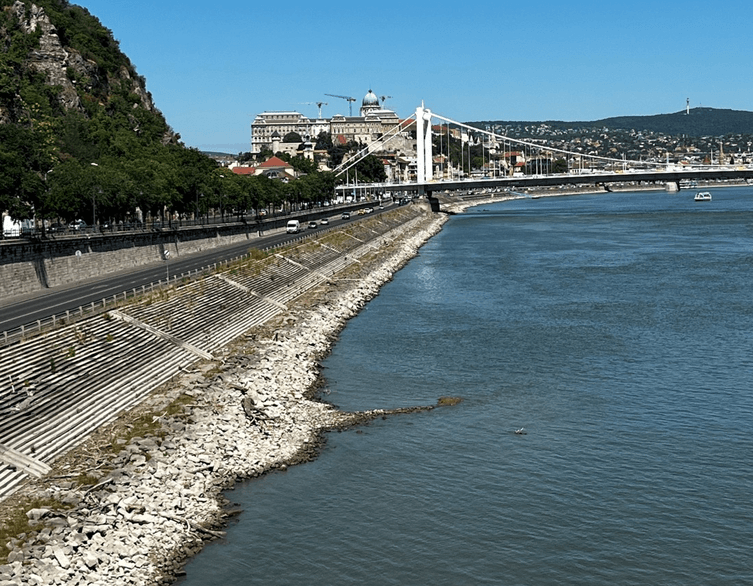
When the Heat Hits the City: How Budapest Faces Europe’s Record-Breaking Temperatures
Europe has always been a land of variety when it comes to weather, but the summer of 2025 took things to a whole new level. Across the continent,...
Weather Alert for Budapest: Navigating the Extreme Summer Conditions
This summer, visitors to Budapest will experience weather that is anything but routine. Authorities have issued the highest-level heat alert, warning...
Budapest Weather All In: What to do When It Rains and Shines at The Same Time?
When the weather forecast throws you a curveball in Budapest, don’t let a little rain or scorching heat derail your travel plans. The Hungarian...