Are Budapest’s Trams Getting a Bath? The Story Behind the Sprinkler Trucks
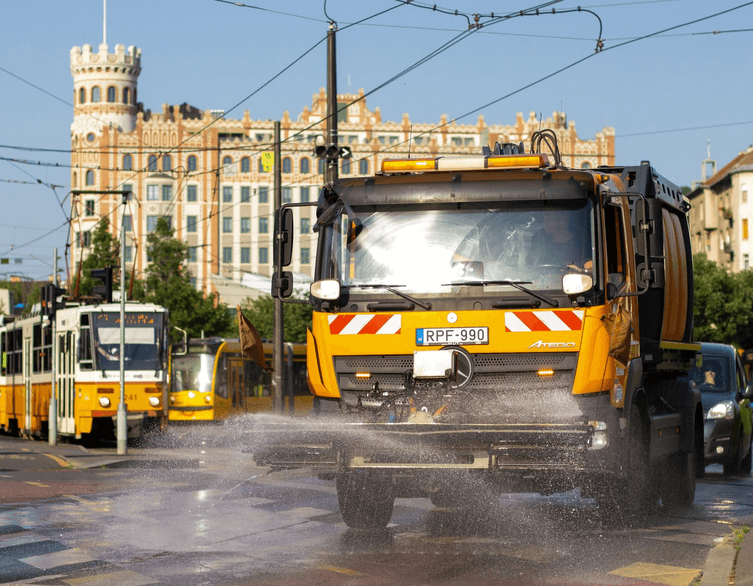
If you’ve wandered around Budapest during a summer heatwave and spotted a truck cheerfully spraying water all over the streets and tram tracks like it’s fighting a fire that doesn’t exist, congratulations — you’ve witnessed one of the city’s most oddly satisfying survival tricks. It’s not a rogue car wash gone wild. It’s actually a very deliberate, very necessary act of infrastructure self-care, and once you know the science behind it, you’ll never look at a puddle on Andrássy Avenue the same way again.
When Steel Gets Too Hot to Handle
Here’s the thing about steel: it hates being ignored, and it really hates being roasted. When the air temperature climbs toward 40°C, which Budapest summers are increasingly fond of doing, the metal tram rails baking in direct sun can shoot up to a scorching 55–60°C. That’s hot enough to fry an egg, and definitely hot enough to make steel misbehave through a physics phenomenon called thermal expansion, where the rails literally start pushing against each other and can bulge, buckle, or deform. Older sections of track built with large concrete panels are especially prone to this heat-induced warping, while newer stretches using modern rail-embedding technology are largely immune, which is a small but genuine silver lining of Budapest’s ongoing track renovations.
Enter the Sprinkler Trucks, Budapest’s Unsung Summer Heroes
So what’s a public transport company to do when its metal veins start throwing a tantrum in the heat? Call in the water. BKV, Budapest’s transit operator, teams up with the city’s water utility to send specialized rail-watering vehicles cruising the tram network, dousing the tracks in water precisely where and when engineers decide it’s needed. It’s a surprisingly elegant solution: water is the fastest, most effective way to pull several degrees off scorching rails in a short amount of time, which keeps the whole system safe and running smoothly instead of grinding to a halt because a rail decided to warp itself into modern art.
During a single heat alert in June, two of these rail-cooling vehicles doused roughly 5,274 meters of track, which is an impressively specific number for what is essentially “watering the metro’s cousin.” Engineers monitor which sections need attention based on current weather conditions and the physical state of each stretch of rail, so it’s not random splashing — it’s targeted, data-informed hydration therapy for infrastructure.
Best deals of Budapest










The Streets Get in on the Action Too
Trams aren’t the only thing sweating through Budapest summers. The asphalt itself gets a similar treatment, since roads soak up sunlight like a sponge and radiate heat right back at everyone walking, cycling, or waiting for a bus nearby. Spraying water on hot asphalt can cool the surface by six to eight degrees, at least temporarily, while also knocking down dust and pollen in the air, which is a nice bonus if you happen to have allergies alongside your heat exhaustion.
The scheduling here is almost sneaky in its cleverness: during the day, the watering trucks focus on residential neighborhoods and densely populated areas, since that’s where people actually need relief from radiating heat. At night, the same trucks shift their attention to the city’s main roads and public transport corridors, precisely because fewer cars are around, meaning the maintenance work causes minimal traffic disruption while still doing its job of protecting the tracks and roads that everyone relies on the next morning.
What This Means If You’re Visiting
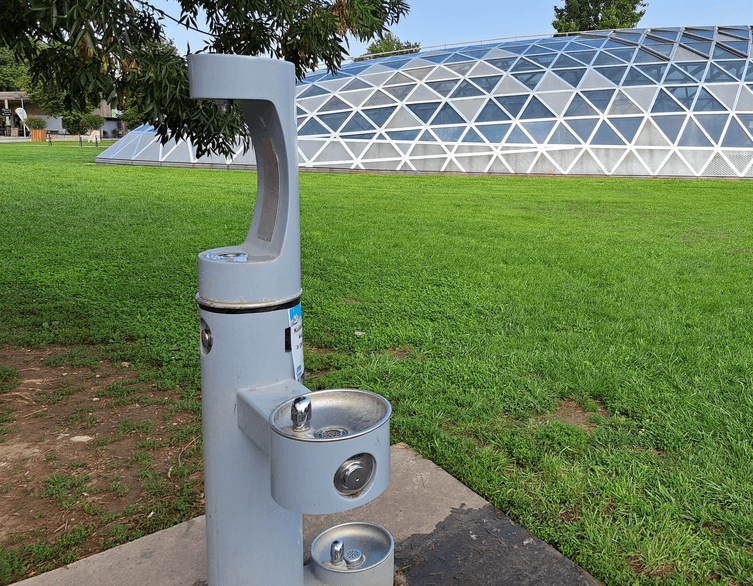
If you’re planning a Budapest trip during peak summer, this quiet, round-the-clock watering operation is genuinely good news for you as a tourist. It means the trams you’re hopping on to reach City Park or the Danube embankment keep running safely and on schedule, even when the mercury is doing something unreasonable outside. And it’s part of a much broader city effort during heat alerts, which also includes free drinking water stations at busy transit hubs like Deák Square and Keleti Railway Station, misting installations at select locations, and extended opening hours at the city’s beaches and thermal baths so everyone has somewhere cool to retreat to when the sun gets too aggressive.
So the next time you see a truck slowly soaking a tram line at 2 a.m. or spot glistening wet cobblestones on a 38-degree afternoon, you can smile knowingly instead of wondering if Budapest has a secret puddle fetish. It’s just the city quietly keeping its steel bones cool so your sightseeing tram ride to Buda Castle doesn’t get derailed — literally — by a heatwave.
Related news

Beat the Heat: Your Guide to Staying Cool in Budapest’s City Park
When the pavement starts radiating heat and the sun feels relentless, Budapest’s City Park, known locally as Városliget, turns into one of...

Budapest Level 3 Heat Alert: How To Prepare and Stay Safe
If you’re planning to explore Budapest between July 30 and August 4, 2026, there’s something important you should know before packing...
Traveling with Pets in Budapest? Here’s How to Protect Them From the Summer Heat
Budapest’s summer heatwaves aren’t just tough on tourists wandering between Buda Castle and the Danube promenade. They’re genuinely...
Beating the Budapest Heat: Mist Gates Are Your Friend, Fountains Are Not
When Budapest’s summer temperatures climb toward the 35°C to 40°C range (95°F to 104°F), the city doesn’t just leave you to fend...

Beat the Summer Heat: Cool Cultural Escapes in Budapest’s City Park
When the mercury climbs toward 40 degrees Celsius in Budapest, sometimes even the most dedicated sun-seeker needs a break between beach days at the...
Stay Hydrated in Budapest: Free Drinking Water Fountains You Need to Know About
Budapest is a city made for exploring on foot. From the cobblestone streets of the Castle District to the buzzing ruin bars of the Jewish Quarter,...