Flying from Budapest Just Got Easier: New Accessibility Tools, a Downtown Baggage Drop, and a Booming Airport
Budapest Ferenc Liszt International Airport has been quietly rolling out a series of passenger-focused improvements that are well worth knowing about before you fly. From a smart navigation app for travellers with disabilities to a genuinely handy downtown baggage drop-off service, the airport is making the journey to and from the Hungarian capital smoother than ever — and the numbers suggest visitors are noticing. Summer 2026 is shaping up to be a record-breaking season for one of Central Europe’s busiest gateways.
The Numbers Tell a Story
Before diving into the new services, it is worth appreciating just how busy Budapest’s airport has become. Passenger traffic recently hit 1,822,483 travellers in a single reporting period — a 7.1% increase compared to the same time last year. The cargo sector is growing even faster, with 41,398 tonnes of freight handled, up 11.7% year on year. As part of the VINCI Airports global network, Budapest Airport is clearly on an upward trajectory, and the investment in passenger experience reflects that ambition.
An EU-Wide Push for Accessible Air Travel
The accessibility improvements at Budapest Airport do not exist in isolation. They are part of a broader, EU co-financed initiative called DANOVA NEXT, a collaborative project bringing together airports from across Europe and the Western Balkans — including Budapest, Dubrovnik, Podgorica, Sarajevo, and Chisinau — with one shared mission: to make air travel genuinely accessible, independent, and dignified for passengers with disabilities and reduced mobility. The results across the network are impressive, and Budapest is at the forefront of that effort.
A Smarter Airport for Every Traveller in Budapest
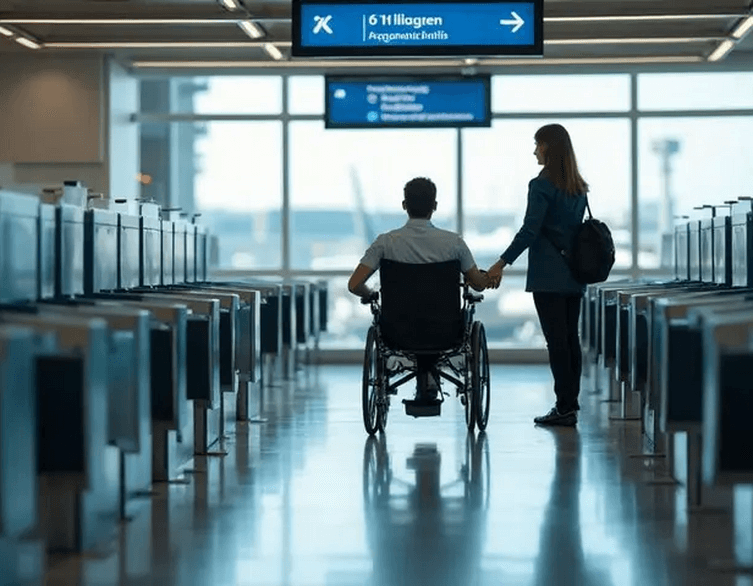
One of the most meaningful recent upgrades at Terminal 2 is the introduction of the Gateway App, developed as a direct result of the DANOVA NEXT project. The app provides indoor navigation throughout the entire terminal, covering both the landside areas — check-in, departures — and the airside after security. Its wheelchair mode automatically prioritises accessible routes, offering genuinely personalised guidance for passengers with limited mobility. The app is now also available in Hungarian, making it accessible to local travellers as well as international visitors.
Best deals of Budapest










Budapest Airport’s commitment to accessibility has not gone unnoticed. Terminal 2 has earned the prestigious Access4you certification and achieved the Airports Council International (ACI) Level 1 accessibility rating — international recognitions that confirm the airport’s inclusive infrastructure meets rigorous global standards. As Dóra Takács of Budapest Airport puts it: “In the DANOVA NEXT project, we worked on implementing accessibility and ensuring that our passengers can move around the terminal independently.”
Tactile Lanes Connect the Terminal Entrance
The digital innovation is matched by a tangible physical upgrade. Budapest Airport has installed tactile guiding lanes on the kerbside forecourt of Terminal 2, connecting the building’s entrance to the existing interior tactile routes already in place for visually impaired passengers. This means that from the moment a visually impaired traveller steps out of a taxi or bus, they can follow a continuous, uninterrupted tactile path all the way into and through the terminal — independently and safely. The total length of these tactile lanes across the airport now stretches to nearly two kilometres.
What’s Happening at Partner Airports Across the Region
The scale of DANOVA NEXT becomes clear when you look at what is being implemented across its partner airports — all of which many Budapest visitors may also pass through on broader Balkan or Eastern European itineraries.
At Dubrovnik’s Ruđer Bošković Airport — the key gateway to the southernmost tip of Croatia, handling over three million passengers a year — the project has brought a new dedicated information desk for passengers with reduced mobility, induction loops for people with hearing impairments at all key service points, new seating and specialised wheelchairs in the PRM (Persons with Reduced Mobility) zone, and a vertical lifting platform enabling safe movement between aircraft and terminal levels.
At Podgorica Airport in Montenegro, the improvements are equally substantial. A new Lost and Found counter, fully accessible for wheelchair users, has been connected to existing tactile guiding paths. Hearing loops have been installed at both the counter and the information desk. Two electric vehicles — one equipped with a stretcher — now handle transfers between the terminal and aircraft. Perhaps most innovatively, in partnership with the Association of the Deaf and Hard of Hearing of Montenegro, the airport has developed a digital interactive totem with information in sign language — a world-class inclusion initiative. Airport employee Sreten Dobrović, who has a disability himself, welcomed the changes warmly: “I am pleased to see the improvements airports have made for passengers with disabilities like myself.”
At Sarajevo International Airport in Bosnia and Herzegovina, the focus has been on speed and information. An e-gate system and dedicated PRM software now accelerate the journey for passengers with reduced mobility, while a specially adapted website ensures all relevant information is available in accessible formats. Wheelchairs and trained staff provide on-the-ground support, and a hearing assistance system helps hard-of-hearing passengers follow important announcements. Director Berin Riđanović sums up the ethos simply: “Our goal is to make barrier-free travel accessible to everyone. We work on that every single day.”
At Chișinău International Airport in Moldova, call buttons and new flight information display monitors ensure clarity from the very first moments of arrival. The Your Accessible Flight app allows passengers to pre-check the airport’s accessibility features and the transport parameters for electric wheelchairs before they even arrive. Staff have undergone specialist training, and evacuation chairs are in place for emergency situations — with full assistance provided all the way to the boarding gate.
Drop Your Bags in the City Centre — Then Explore in Peace
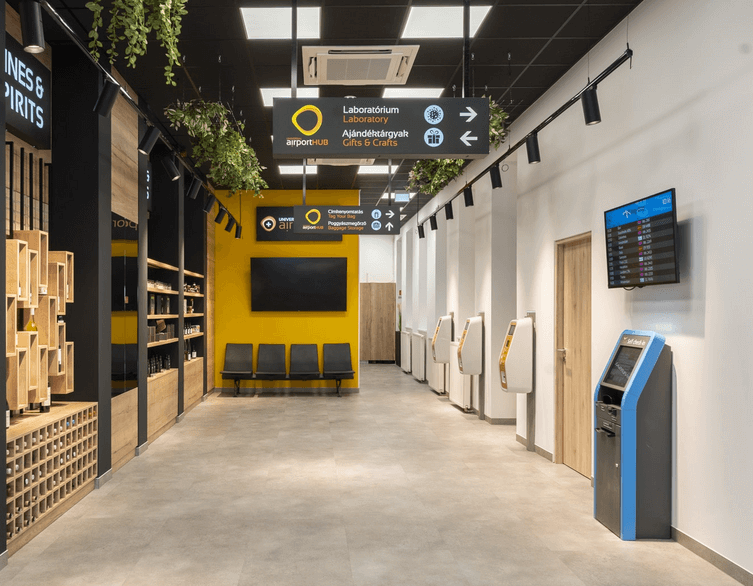
Now for the development that is arguably the most exciting for tourists visiting Budapest: you can now check in your luggage right in the heart of the city, before you even think about heading to the airport. Through the AirportHUB Bag Free HUB service — an official Budapest Airport partner — a store on Kálvin Square in downtown Budapest accepts hold baggage for onward transfer to Terminal 2. Your bags are transported in a locked, supervised vehicle, screened on arrival, and handled exactly like any other checked luggage.
What this means in practice is that you can spend your last few hours in Budapest — strolling along the Danube, picking up souvenirs at the Great Market Hall just a short walk away, or soaking in one of the city’s famous thermal baths — completely hands-free. When you eventually make your way to the airport, you go straight to the security queue, skipping the check-in desk entirely.
How the Downtown Baggage Drop Works
The process is reassuringly straightforward. You need a valid boarding pass with a barcode or QR code, which means online check-in must be completed before you head to Kálvin Square. Your baggage must comply with your airline’s standard size and weight regulations. On-site bag tag printing is available at the store, and staff are on hand to assist — there is also a helpful instructional video. The service is currently available for Wizz Air passengers on flights departing between noon and midnight, and bags must be dropped off at least four hours before departure. Note that the service does not currently apply to flights to Baku and Tel Aviv. Budapest Airport and AirportHUB are actively working to extend the service to additional airlines.
Getting to and from the Airport
Budapest Ferenc Liszt International Airport is located approximately 16 kilometres east of the city centre. The most convenient public transport option is the 100E express bus, which runs directly between the airport and Deák Ferenc Square in around 30 to 40 minutes. Kálvin Square, where the new city-centre baggage drop is located, sits directly on the M3 (blue) metro line, making it straightforward to reach from most parts of the city before continuing to the airport.
Related news
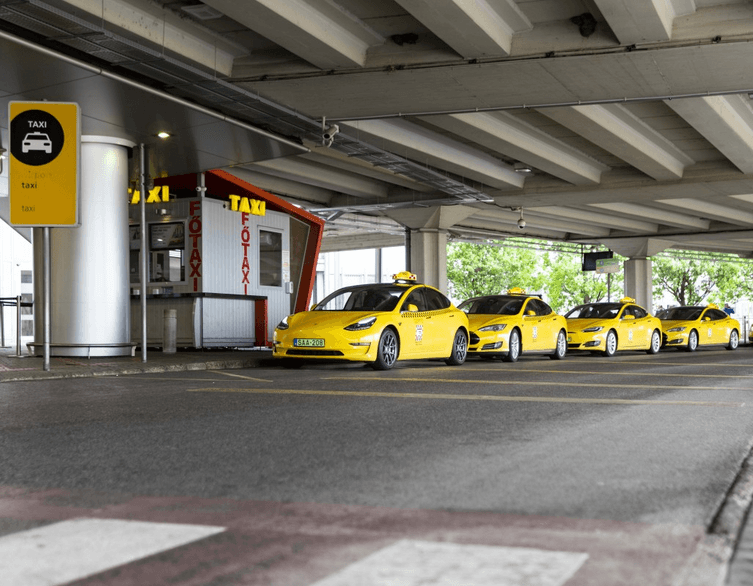
Budapest Airport Just Made Getting a Taxi More Complicated (Here’s What to Know)
If you’re flying into Budapest Liszt Ferenc International Airport this August, there’s a change worth knowing about before you land....
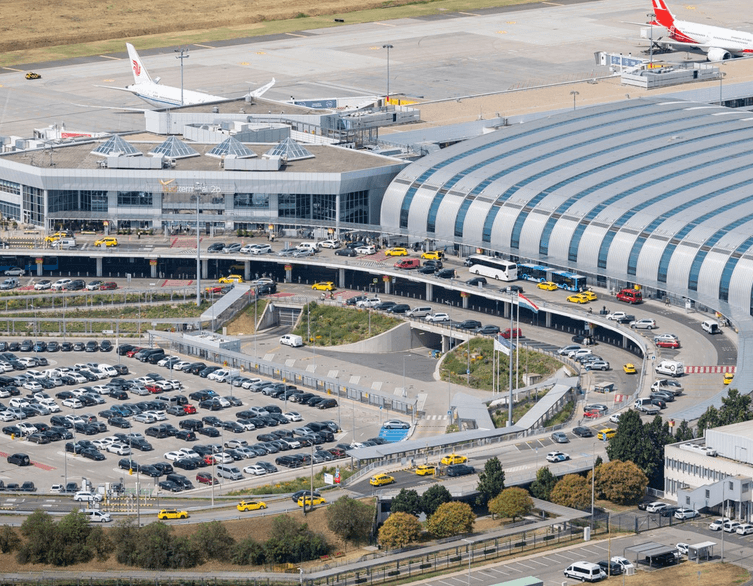
Budapest Airport Powers Up Its Green Future with EU Backing
Landing in Budapest is about to get a little cleaner and greener. Budapest Airport, the main gateway for most tourists arriving in Hungary, has ramped...
Your Ultimate Summer Travel Guide from Budapest’s Ferenc Liszt International Airport
Summer is officially here, and if you’re flying out of Budapest this season, there’s genuinely never been a better time to do it. Ferenc...
No More Lugging Your Suitcase Around Budapest: The City-Center Airport Hub That Changes Everything
If you’ve ever spent your last precious hours in Budapest wrestling a heavy suitcase up cobblestone streets, sweating through the metro, and...
Budapest Airport Prepares for Summer 2026 Making Travelling More Comfortable
If you’re flying into or out of Budapest this summer, here’s some genuinely good news: Ferenc Liszt International Airport has been busy....
Getting to and Around Budapest Airport Just Got a Lot Easier This Summer
Budapest Ferenc Liszt International Airport is heading into the 2026 summer travel season with some exciting upgrades that make arriving, departing,...
Navigating Budapest Airport Just Got a Lot Easier — Here’s What You Need to Know
Arriving in a new city is exciting, but let’s be honest — navigating an unfamiliar airport can be a little stressful, especially when you’re...

Blue April at Budapest Airport: How Ferenc Liszt International Is Making Air Travel More Inclusive
If you’ve ever felt overwhelmed by the hustle and noise of a busy airport, you’re not alone. For travelers with autism or heightened...

No More Crowded Airport Buses: Budapest’s Smart New System Is Changing the Game for Travelers
If you’ve ever landed at Budapest’s Liszt Ferenc International Airport after a delayed flight, dragged your suitcase to the 100E bus...